
The way we look at cannabis has transformed significantly by the year 2026. Across the United States, marijuana has become a standard feature of many daily routines. This shift creates important conversations regarding long-term health and the goal of starting a family.
One major question stands out: Does smoking weed affect sperm health and vitality? As men focus more on their reproductive wellness, they want real answers from current science. This topic is now a key part of modern healthcare for guys today.
Recent studies offer much better insights than we had in the past. We want to guide you through these facts with a friendly perspective on male fertility. Understanding these details helps everyone live a healthier and more balanced life. Let’s look at how your choices might impact your future path to fatherhood.
Cannabis use in 2026 is a standard part of American life, prompting more men to evaluate its impact on fertility. Current research provides modern insights into how lifestyle choices influence reproductive health and sperm vitality.
The Changing Landscape of Cannabis and Male Fertility in 2026
The shifting landscape of cannabis legalization and use has sparked a critical conversation about its potential effects on male reproductive health. As more states in the U.S. move towards legalizing cannabis for both medical and recreational purposes, its usage has become increasingly widespread.
This growing acceptance and availability of cannabis have led to a surge in its consumption, raising concerns among health professionals and the general public about its impact on various aspects of health, including male fertility. Does smoking weed affect sperm? This question is at the center of ongoing research.
Studies have begun to explore the relationship between cannabis use and male reproductive health, focusing on how cannabinoids, the active compounds in cannabis, interact with the body’s endocannabinoid system. Understanding this interaction is crucial for assessing the potential risks associated with cannabis use and male fertility.
The conversation around cannabis and male fertility is complex, involving considerations of dosage, frequency of use, and individual susceptibility. As research continues to evolve, it’s essential to stay informed about the latest findings to make educated decisions about cannabis use, especially for those concerned about their reproductive health.
Does Smoking Weed Affect Sperm: Understanding the Science
The science behind how smoking weed affects sperm is complex and multifaceted. To understand the impact of cannabis on male fertility, it’s essential to delve into the underlying biological mechanisms.
The Endocannabinoid System and Male Reproduction
The endocannabinoid system (ECS) plays a crucial role in various physiological processes, including reproduction. The ECS is a network of receptors and chemicals that helps regulate bodily functions. In males, the ECS is involved in the regulation of sperm production and quality.
THC, the psychoactive compound in cannabis, interacts with the ECS, potentially disrupting its normal functioning. This interaction can have significant effects on sperm health.
How THC Disrupts Sperm Production and Quality
THC can affect sperm production and quality by binding to cannabinoid receptors in the reproductive system. This binding can alter the normal functioning of sperm cells.
Impact on Sperm Count and Concentration
Studies have shown that cannabis use can lead to a decrease in sperm count and concentration. A lower sperm count can reduce fertility.
Effects on Sperm Motility and Shape
THC exposure has also been linked to changes in sperm motility and morphology. Abnormal sperm shape and reduced motility can impede fertilization.
| Effect on Sperm | Description | Potential Impact on Fertility |
|---|---|---|
| Sperm Count | Decrease in sperm count and concentration | Reduced fertility due to lower sperm availability |
| Sperm Motility | Reduced motility | Impaired ability of sperm to reach the egg |
| Sperm Shape | Abnormal morphology | Reduced chances of successful fertilization |
Dosage and Frequency: What Makes a Difference
The extent to which cannabis affects sperm health may depend on the dosage and frequency of use. Heavy and frequent use is likely to have more pronounced effects.
Understanding the role of dosage and frequency can help individuals make informed decisions about cannabis use and fertility.
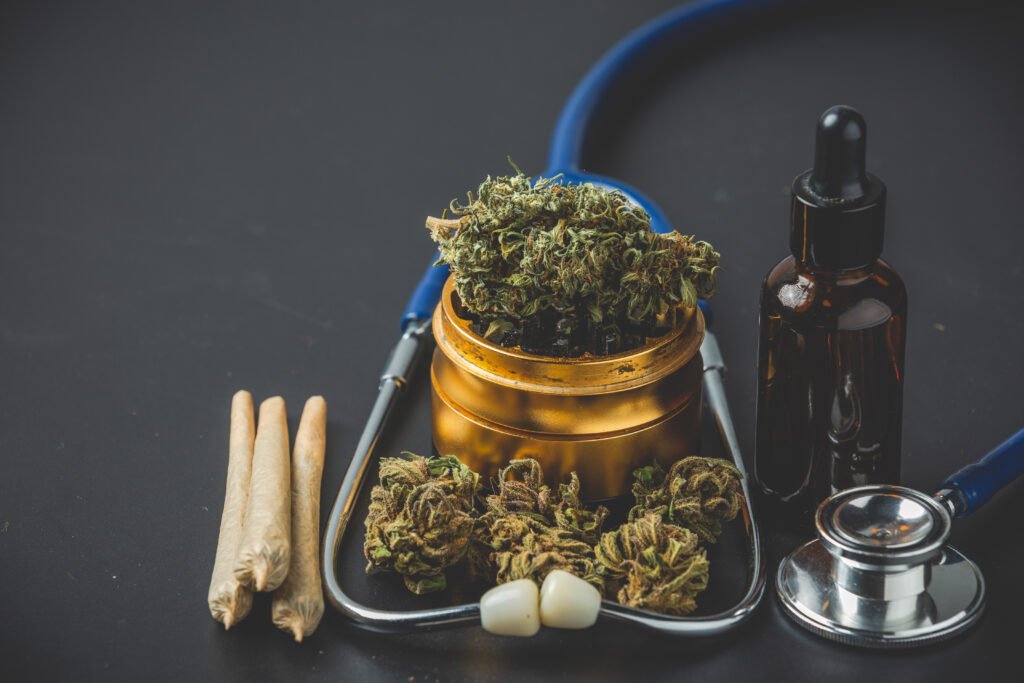
Is the Damage Permanent and What About Performance?
Understanding the full scope of cannabis’s influence on male reproductive health requires exploring its effects on both sperm quality and sexual function. The relationship between cannabis use and male fertility is complex, involving various physiological and hormonal aspects.
Recovery Timeline for Sperm Health
The human body has a remarkable ability to recover from the effects of cannabis on sperm health. Studies suggest that sperm quality can improve significantly after cessation of cannabis use. The recovery timeline can vary depending on several factors, including the duration and frequency of cannabis use.
Generally, sperm production is a continuous process, and the body can start to produce healthier sperm within a few months after quitting cannabis. However, it’s essential to note that individual recovery times may vary.
Factors That Determine Reversibility
Several factors influence the reversibility of cannabis’s effects on sperm health. These include:
- Duration of cannabis use: Longer use may lead to more significant impacts on sperm health.
- Frequency of use: Daily or frequent use can have more pronounced effects compared to occasional use.
- Age and overall health: Younger individuals and those with better overall health may recover more quickly.
- Lifestyle factors: Diet, exercise, and exposure to other substances can influence recovery.
Can Smoking Weed Everyday Cause Erectile Dysfunction
The potential link between daily cannabis smoking and erectile dysfunction (ED) is a concern for many. Research suggests that chronic cannabis use may contribute to ED due to its effects on the endocannabinoid system and vascular health. Cannabis use can lead to decreased libido and erectile difficulties in some individuals.
The mechanisms behind this are not fully understood but may involve:
- Vasodilation and vascular health impacts
- Hormonal changes, particularly testosterone levels
- Neurological effects on erectile function
Long-Term Effects on Sexual Performance and Testosterone
Long-term cannabis use has been associated with changes in sexual performance and testosterone levels. Some studies indicate that chronic cannabis use may lead to decreased testosterone levels, which can affect libido and overall sexual health.
The impact on sexual performance can be multifaceted, involving psychological, neurological, and physiological factors. It’s crucial for individuals concerned about these effects to consult healthcare professionals for personalized advice.
| Aspect | Short-Term Effects | Long-Term Effects |
|---|---|---|
| Sperm Health | Potential decrease in sperm count and quality | Possible long-term impacts on fertility |
| Erectile Function | Variable effects; may see initial improvements or declines | Increased risk of erectile dysfunction |
| Testosterone Levels | Variable; some studies show no significant change | Potential decrease in testosterone levels |
How Ascend Vitality Supports Your Reproductive Health Goals
For individuals concerned about the impact of cannabis on sperm health, Ascend Vitality offers a scientifically formulated supplement. The journey to optimal reproductive health can be complex, especially when considering the potential effects of lifestyle choices, such as smoking weed, on sperm quality and fertility.
Ascend Vitality is more than just a supplement; it’s a nutritional support system designed to foster optimal sperm health. By understanding the intricate balance required for male fertility, Ascend Vitality’s formulation is backed by science to ensure that it provides the necessary nutrients.
Science-Backed Nutritional Support for Sperm Health
The formulation of Ascend Vitality is rooted in the latest research on male fertility. It includes a blend of vitamins, minerals, and antioxidants that are known to support sperm health. Key nutrients such as zinc, vitamin D, and omega-3 fatty acids play a crucial role in sperm production and quality. By providing these essential nutrients, Ascend Vitality helps create an optimal environment for sperm health.
Key Ingredients That Make a Difference
The effectiveness of Ascend Vitality lies in its carefully selected ingredients. Here’s a breakdown of some of the key components:
| Ingredient | Benefit |
|---|---|
| Zinc | Critical for testosterone production and sperm development |
| Vitamin D | Linked to improved sperm motility and overall reproductive health |
| Omega-3 Fatty Acids | Supports overall health and may improve sperm quality |
Integrating Ascend Vitality Into Your Wellness Routine
Incorporating Ascend Vitality into your daily routine is straightforward. It is designed to be taken alongside a balanced diet and healthy lifestyle. Consistency is key, so making Ascend Vitality a part of your daily regimen can help support your reproductive health goals over time.
By focusing on nutritional support and understanding the factors that influence sperm health, Ascend Vitality provides a proactive approach to male fertility.
Conclusion: Your Path Forward for Optimal Fertility
Understanding the impact of cannabis on male fertility is crucial for those looking to start a family. Research indicates that smoking weed can affect sperm quality and potentially lead to issues such as erectile dysfunction when done daily.
To optimize fertility, it’s essential to be aware of the risks associated with cannabis use and consider alternatives or cessation if planning to conceive. Nutritional support, such as that offered by Ascend Vitality, can play a significant role in enhancing sperm health.
By making informed choices about lifestyle and supplementation, individuals can take proactive steps towards maintaining optimal fertility. Ascend Vitality’s science-backed nutritional support can be a valuable addition to a wellness routine focused on reproductive health.
Embracing a holistic approach to health, including a balanced lifestyle and targeted nutritional support, can help individuals achieve their reproductive goals.