NAD+ therapy has been gaining attention in recent years due to its potential to improve overall health and wellness. A staggering number of individuals are now turning to NAD+ injections as a means to rejuvenate their bodies and minds.
NAD+ injections involve administering a coenzyme called Nicotinamide adenine dinucleotide (NAD+) directly into the body. This coenzyme plays a crucial role in various cellular processes, including energy production and DNA repair.
As we explore the concept of NAD+ injections, it becomes clear that understanding their benefits and potential side effects is essential. In this article, we will delve into the significance of NAD+ therapy and examine its advantages and disadvantages.
Understanding NAD+ Injections and Their Function
Cellular health is intricately linked with the levels of Nicotinamide adenine dinucleotide (NAD+), a coenzyme that is vital for various bodily functions. NAD+ plays a crucial role in metabolic processes, including energy production, DNA repair, and the regulation of cellular stress responses.
What is NAD+ and Its Role in Cellular Health
NAD+ is a coenzyme found in every cell of the body, essential for maintaining cellular homeostasis. It is involved in redox reactions, facilitating the transfer of electrons and thus supporting energy metabolism. Moreover, NAD+ is a substrate for enzymes that are critical for genome stability and cellular aging, such as sirtuins and PARPs.
How NAD+ Levels Decline with Age
As individuals age, NAD+ levels naturally decline. This decrease is associated with a range of aging-related changes and diseases, including reduced energy metabolism, increased DNA damage, and heightened susceptibility to cellular stress. The decline in NAD+ levels is attributed to various factors, including reduced biosynthesis and increased consumption by NAD+-consuming enzymes.
The Science Behind Supplementation
The rationale behind NAD+ supplementation through injections is to replenish this vital coenzyme, thereby supporting cellular health and potentially mitigating some effects of aging. By directly administering NAD+ into the body, injections aim to bypass the limitations of oral supplements, which may have variable bioavailability.
NAD+ therapy, including injections, is being explored for its potential benefits in enhancing cellular health, improving energy metabolism, and supporting overall well-being. Understanding the role of NAD+ and the science behind its supplementation is crucial for appreciating the potential benefits and limitations of NAD+ injections.
How NAD+ Injections Work in the Body
By understanding how NAD+ injections work, individuals can better appreciate their potential benefits and how they compare to other forms of NAD+ supplementation. NAD+ injections deliver this essential coenzyme directly into the body, potentially offering a more effective method of supplementation.
The Mechanism of Action
NAD+ injections work by directly introducing NAD+ into the body, bypassing the digestive system. This direct administration allows for potentially higher bioavailability compared to oral supplements, as it avoids degradation in the gastrointestinal tract.
Comparison with Oral Supplements and IV Therapy
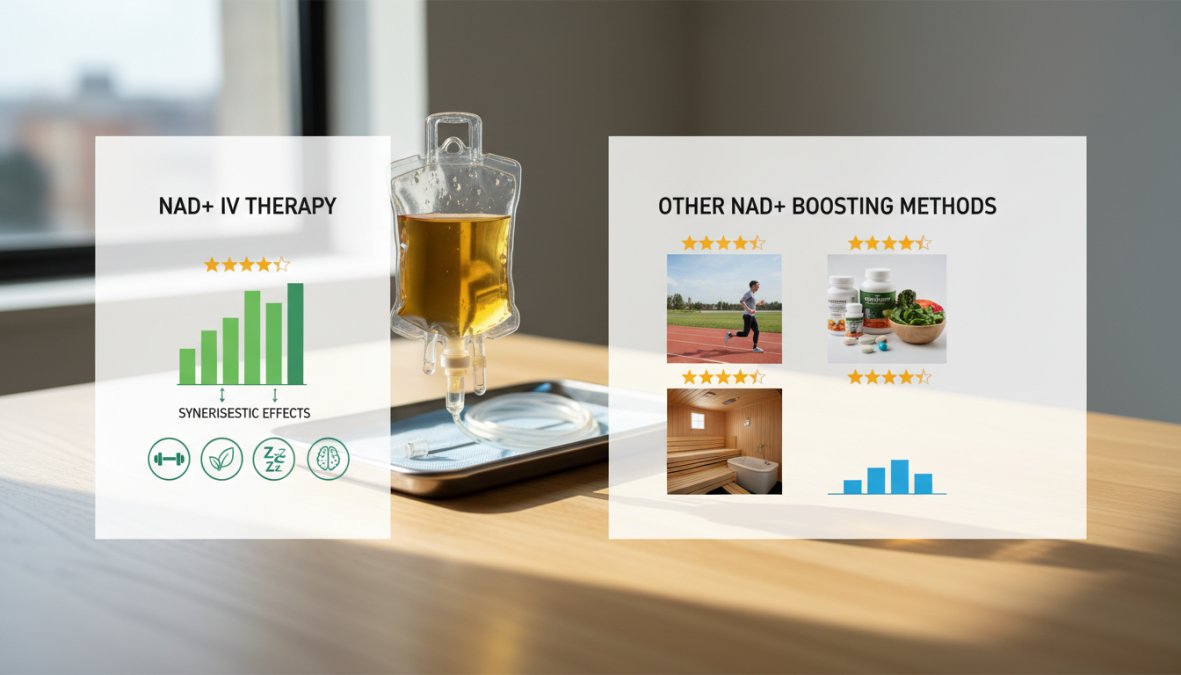
NAD+ can be supplemented through various methods, including oral supplements, IV therapy, and injections. Each method has its advantages and disadvantages.
|
Method |
Bioavailability |
Convenience |
Cost |
|
Oral Supplements |
Low |
High |
Low |
|
IV Therapy |
High |
Low |
High |
|
NAD+ Injections |
High |
Medium |
Medium |
The Administration Process
The administration of NAD+ injections typically involves a healthcare professional injecting the supplement into a muscle or under the skin. The frequency and dosage can vary based on individual health needs and treatment goals.
Understanding the administration process and the mechanism of action can help individuals make informed decisions about whether NAD+ injections are the right choice for their health and wellness needs.
Benefits and Side Effects of NAD+ Injections
As research into NAD+ continues to grow, the benefits and potential side effects of NAD+ injections are becoming more understood. NAD+ injections have emerged as a significant area of interest in the quest for enhanced health and wellness.
Potential Health Benefits
NAD+ injections are associated with several potential health benefits, ranging from enhanced energy production to improved cognitive function.
Enhanced Energy Production
NAD+ plays a crucial role in cellular energy production. By boosting NAD+ levels, injections can help improve energy metabolism, potentially leading to increased vitality and reduced fatigue.
Cellular Repair and Anti-Aging Effects
NAD+ is involved in various cellular processes, including DNA repair and the regulation of sirtuins, which are proteins associated with longevity. Thus, NAD+ injections may contribute to anti-aging effects by enhancing cellular health.
Cognitive Function and Brain Health
Research suggests that NAD+ may play a role in maintaining healthy brain function. NAD+ injections could potentially support cognitive health and may be beneficial in the context of neurodegenerative diseases.
Metabolic Improvements
By influencing various metabolic pathways, NAD+ injections may help improve metabolic health, potentially aiding in weight management and reducing the risk of metabolic disorders.
|
Benefit |
Description |
Potential Outcome |
|
Enhanced Energy Production |
Boosts NAD+ levels to improve energy metabolism |
Increased vitality, reduced fatigue |
|
Cellular Repair and Anti-Aging |
Supports DNA repair and sirtuin regulation |
Improved cellular health, potential anti-aging effects |
|
Cognitive Function and Brain Health |
May support healthy brain function |
Potential benefits for cognitive health and neurodegenerative diseases |
|
Metabolic Improvements |
Influences metabolic pathways |
Improved metabolic health, potential aid in weight management |

Common Side Effects
While NAD+ injections offer several potential benefits, they can also be associated with side effects. Understanding these is crucial for individuals considering this therapy.
Injection Site Reactions
Some individuals may experience reactions at the injection site, such as redness, swelling, or pain.
Temporary Discomfort
Temporary discomfort, including headache or nausea, has been reported by some individuals following NAD+ injections.
Serious Adverse Reactions to Be Aware Of
Although rare, serious adverse reactions can occur. It’s essential for individuals to be aware of these potential risks and to consult with a healthcare professional.
NAD+ injections represent a promising therapeutic approach, but like any medical treatment, they must be used judiciously and under appropriate medical supervision.
Dosage, Storage, and Administration Guidelines
NAD+ injections require careful consideration of dosage, storage, and administration to ensure safety and efficacy. To achieve the desired health benefits, it’s crucial to follow the recommended guidelines.
Recommended Dosage Protocols
The recommended dosage of NAD+ injections can vary based on individual health needs and the specific protocol being followed. Typically, dosages range from 100mg to 500mg per administration.
- Initial treatment phases may involve more frequent injections, such as daily or weekly administrations.
- Maintenance phases may reduce the frequency to biweekly or monthly injections.
Proper Storage Requirements
Proper storage of NAD+ injections is essential to maintain their potency and safety.
- Store vials in a cool, dark place, away from direct sunlight.
- Refrigeration is often recommended; check the product label for specific storage instructions.
Administration Frequency and Treatment Courses
The frequency of NAD+ injections and the duration of treatment courses can vary depending on the individual’s health status and response to the therapy.
|
Treatment Phase |
Administration Frequency |
Typical Duration |
|
Initial Phase |
Daily/Weekly |
4-6 weeks |
|
Maintenance Phase |
Biweekly/Monthly |
Ongoing |
Medical Supervision Requirements
Medical supervision is crucial when undergoing NAD+ injection therapy to monitor for any adverse effects and adjust dosages as necessary.
- Regular check-ups with a healthcare provider are recommended.
- Patients should report any side effects or concerns to their healthcare provider promptly.
Conclusion: Who Should Consider or Avoid NAD+ Therapy
NAD+ therapy has gained attention for its potential to improve overall health and well-being. Individuals considering NAD+ injections should assess their health needs and circumstances to determine if this therapy is suitable.
Those who may benefit from NAD+ therapy include individuals experiencing fatigue, decreased energy, or those seeking to improve their overall health. However, certain individuals should exercise caution or avoid NAD+ therapy altogether, such as those with underlying medical conditions or taking specific medications.
Before starting NAD+ therapy, it is essential to consult with a healthcare professional to discuss potential benefits and risks. They will help determine if NAD+ injections are right for you, ensuring safe and effective treatment. By understanding who should consider NAD+ therapy, individuals can make informed decisions about their health.
FAQ
What are the benefits of NAD+ injections?
The benefits of NAD+ injections include enhanced energy production, cellular repair, anti-aging effects, improved cognitive function, and metabolic improvements.
What are the common side effects of NAD+ injections?
Common side effects of NAD+ injections include injection site reactions and temporary discomfort.
Are there any serious adverse reactions associated with NAD+ injections?
Yes, serious adverse reactions can occur, and individuals should be aware of them before undergoing NAD+ therapy.
How are NAD+ injections administered?
NAD+ injections are typically administered via injection, and the process is usually carried out under medical supervision.
What is the recommended dosage protocol for NAD+ injections?
The recommended dosage protocol for NAD+ injections varies, and individuals should consult a healthcare professional for personalized guidance.
How should NAD+ injections be stored?
NAD+ injections should be stored according to the manufacturer’s instructions, typically in a cool, dry place, away from light.
Can anyone receive NAD+ injections?
No, certain individuals may need to avoid NAD+ therapy or exercise caution, and a healthcare professional can provide guidance on suitability.
Are NAD+ injections available over-the-counter?
No, NAD+ injections are typically available by prescription or through a healthcare provider, as they require medical supervision.