
Last Updated: April 20, 2026
Testosterone prescriptions in the United States rose to 11 million in 2024, with the sharpest increase among men aged 35 to 44, expanding nearly 60 percent over the last decade, according to Cure Media’s 2025 analysis of the testosterone therapy market. The debate over TRT vs natural testosterone boosters has never been more relevant, or more misunderstood. At Ascend Vitality, we track this space closely because the decision between clinical hormone replacement and over-the-counter supplementation carries real consequences for your health, your wallet, and your long-term hormonal function. Below, we break down exactly how these two approaches differ, who each one actually serves, and what the evidence says about both.
Here’s what most guides get wrong: they treat this as a simple “natural vs medical” debate. The real question is whether your testosterone levels are clinically deficient or just suboptimal, and that single distinction determines which path makes sense.
TRT vs Natural Testosterone Boosters: A Side-by-Side Comparison Table
The clearest way to evaluate TRT vs natural testosterone boosters is to compare them across the dimensions that actually matter to most men: efficacy, speed, cost, access, and risk profile.
| Factor | TRT (Testosterone Replacement Therapy) | Natural Testosterone Boosters |
|---|---|---|
| Mechanism | Directly replaces testosterone | Supports the body’s own production |
| Efficacy | Clinically proven for hypogonadism | Limited clinical evidence |
| Speed of Results | Weeks to months | Months, if any |
| Prescription Required | Yes | No |
| Monthly Cost | $50-$300+ depending on delivery method | $20-$80 for supplements |
| Key Risks | Infertility, polycythemia, cardiovascular risk | Unregulated ingredients, variable quality |
| Best For | Diagnosed low testosterone (hypogonadism) | Mild suboptimal levels, general wellness |
| Medical Supervision | Required | Not required |
| Fertility Impact | Can suppress sperm production | Generally none |
This table captures the structural differences. But the numbers alone don’t tell the full story, which is why the sections below go deeper into each category.
What Is TRT and How Does It Work?
Testosterone replacement therapy (TRT) is a medically supervised treatment that directly supplements the body’s testosterone levels using exogenous hormones, prescribed specifically for men diagnosed with hypogonadism or clinically confirmed low testosterone. TRT does not stimulate the body’s own hormone production; it replaces it. That distinction matters enormously when weighing long-term implications.
A physician typically confirms candidacy through blood tests measuring total and free testosterone, usually taken in the morning when levels peak. Normal total testosterone ranges from roughly 300 to 1,000 ng/dL, and most clinicians use 300 ng/dL as the threshold for treatment consideration, though symptoms and clinical context always factor in.

Delivery Methods: Injections, Gels, and Patches
TRT is available in several delivery formats, each with distinct pharmacokinetic profiles:
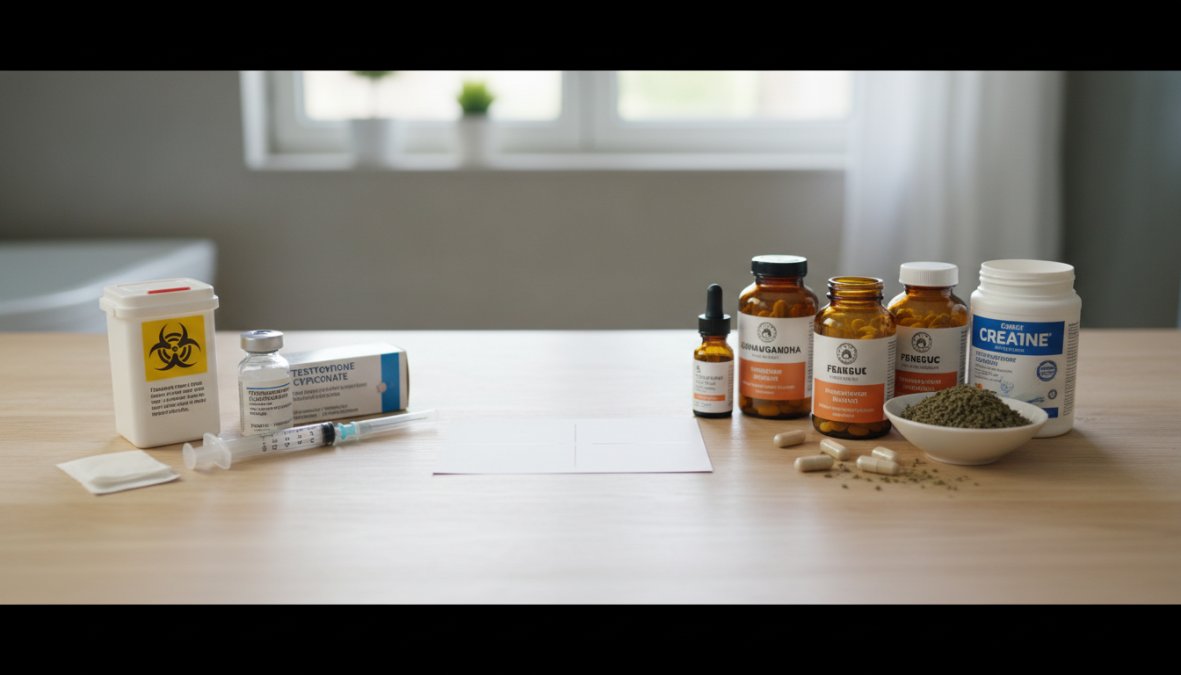
- Intramuscular or subcutaneous injections: Typically administered weekly or biweekly. Testosterone cypionate and enanthate are the most common forms. Injections produce the most significant peaks and troughs in testosterone levels.
- Topical gels and creams: Applied daily to the shoulders, upper arms, or abdomen. Gels provide more stable hormone levels than injections but carry a transfer risk to partners or children.
- Transdermal patches: Applied to the skin daily, offering consistent delivery but sometimes causing skin irritation at the application site.
- Pellets: Implanted subcutaneously every three to six months, providing steady-state hormone delivery without daily maintenance.
- Oral and buccal formulations: Less commonly prescribed due to liver metabolism concerns and inconsistent absorption.
The delivery method affects cost, convenience, and the stability of hormone levels. Injections remain the most common choice in clinical practice because of their cost-effectiveness and precision.
Who Is TRT Actually Prescribed For?
TRT is prescribed for men with confirmed hypogonadism, a condition characterized by the testes’ inability to produce adequate testosterone. This includes primary hypogonadism (testicular failure) and secondary hypogonadism (pituitary or hypothalamic dysfunction). According to nationwide TRT prescription pattern data published by U.S. Pharmacist, approximately 14% of men are currently using or have previously used TRT, with usage rising sharply among younger age groups.
TRT is not indicated for men whose testosterone sits within normal range but who feel fatigued or want performance enhancement. As the Mayo Clinic has noted:
“Although some men believe they feel younger and more vigorous if they take testosterone medications, there’s little evidence to support the use of testosterone in otherwise healthy men.”
That’s the boundary clinicians draw. Crossing it creates unnecessary risk without clinical benefit.
Watch OutTRT can suppress the body’s natural testosterone production and reduce sperm count, sometimes permanently. Men who want to preserve fertility should discuss this with a reproductive endocrinologist before starting treatment, not after.
What Are Natural Testosterone Boosters and Do They Work?
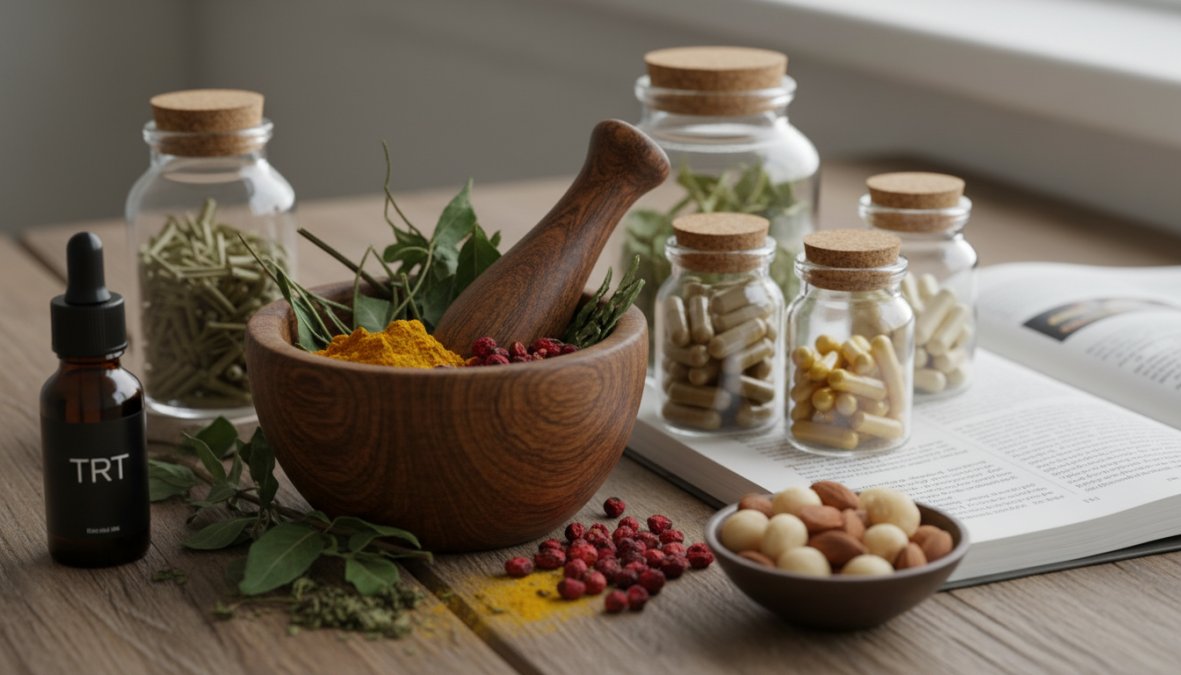
Natural testosterone boosters are over-the-counter dietary supplements marketed to increase the body’s own testosterone production, typically through herbal extracts, vitamins, and minerals rather than synthetic hormones. They do not introduce exogenous testosterone into the body. Instead, they claim to support the endocrine system’s existing capacity.
The supplement market behind these products is enormous. According to Grand View Research’s testosterone booster supplements market report, the global testosterone booster supplements market was estimated at USD 3,735.4 million in 2023 and is projected to reach USD 6,750.4 million by 2030, growing at a CAGR of 10.4%. By 2035, projections suggest the market could hit USD 10.32 billion.
That growth reflects consumer demand, not necessarily clinical efficacy.
Common Ingredients and What the Evidence Says
The most commonly marketed ingredients in testosterone booster supplements include:
- Ashwagandha (Withania somnifera): Some studies suggest modest reductions in cortisol, which can indirectly support testosterone. Evidence is mixed but more promising than most other herbal ingredients.
- D-Aspartic Acid: An amino acid that plays a role in luteinizing hormone release. Some short-term studies show temporary increases in testosterone; longer-term studies show no significant effect.
- Zinc and Magnesium: Deficiencies in both minerals are associated with lower testosterone. Supplementing corrects deficiency but does not raise testosterone above baseline in men who are already replete.
- Fenugreek: Shows modest effects on free testosterone in some trials, likely by inhibiting the enzymes that convert testosterone to estrogen.
- Vitamin D: Low vitamin D is correlated with lower testosterone. Supplementation in deficient men may normalize levels.
Dr. Mary K. Samplaski, Assistant Professor of Clinical Urology at the Keck School of Medicine of USC, put it plainly:
“Many supplements on the market merely contain vitamins and minerals, but don’t do anything to improve testosterone. Often, people can be vulnerable to the marketing component of these products, making it difficult to tease out what is myth and what is reality.”
The honest summary: some ingredients address specific deficiencies, but no supplement combination reliably raises testosterone to the degree that TRT does.
Pro TipBefore spending money on testosterone booster supplements, get a full micronutrient panel. If you’re deficient in zinc, magnesium, or vitamin D, correcting those deficiencies through targeted supplementation is cheaper and better-evidenced than any proprietary blend.
TRT vs Natural Testosterone Boosters: Efficacy Compared
TRT wins on efficacy. That’s not a close call. For men with clinically confirmed hypogonadism, TRT reliably raises serum testosterone into the normal range within weeks. Natural boosters, at best, nudge levels modestly upward in men who have specific nutritional deficiencies.
A large-scale study cited by VA Research Communications on testosterone therapy outcomes found that men whose low testosterone was restored to normal through gels, patches, or injections had a lower risk of heart attack, stroke, or death from any cause compared to similar men who were not treated. That’s a meaningful clinical outcome, not a marginal benefit.
Natural boosters have no comparable evidence base. Operation Supplement Safety has stated directly that “there is no evidence that any combination of ingredients in dietary supplements is effective for any claimed benefit you might see advertised to increase testosterone levels.” That’s a stark assessment, but it’s consistent with the peer-reviewed literature.
The efficacy gap between TRT and natural testosterone boosters comes down to mechanism. TRT bypasses the endocrine system’s regulatory constraints entirely. Supplements work within those constraints, and in most healthy men, those constraints exist for a reason.
What the data shows about TRT vs natural testosterone boosters is this: if your levels are genuinely low, supplements will not get you where you need to be. If your levels are normal or borderline, TRT is likely overkill and carries unnecessary risk.
Risks and Side Effects: TRT vs Supplements
The risk profiles of TRT and natural testosterone boosters are genuinely different in character, not just in magnitude. Understanding both is essential before choosing a path.
Known Risks of Testosterone Replacement Therapy
TRT carries documented clinical risks that require ongoing medical monitoring:
- Polycythemia: TRT increases red blood cell production, which can raise blood viscosity and increase the risk of clotting events including deep vein thrombosis and pulmonary embolism.
- Cardiovascular effects: Evidence is mixed. The VA study mentioned earlier showed cardiovascular benefit in men with confirmed deficiency. However, the U.S. National Institute on Aging found that TRT increased the volume of non-calcified coronary plaque in a trial of 788 men aged 65 and older.
- Suppression of natural production: Exogenous testosterone suppresses the hypothalamic-pituitary-gonadal axis, reducing or eliminating natural testosterone and sperm production.
- Fertility impact: TRT is contraindicated in men seeking to conceive without adjunctive therapies like hCG.
- Skin reactions: Gels and patches can cause local irritation. Injections carry infection risk at the injection site.
TRT is not appropriate for men with active prostate cancer, untreated sleep apnea, or severe heart failure. Men who are significantly overweight or have pre-existing cardiovascular disease require careful risk-benefit analysis before starting treatment.
Safety Concerns With Over-the-Counter Testosterone Boosters
Natural testosterone boosters carry a different category of risk: regulatory ambiguity and ingredient quality. The FDA does not evaluate dietary supplements for efficacy or safety before they reach market. This means:
- Proprietary blends can obscure actual ingredient doses
- Third-party testing is voluntary, not required
- Some products have been found to contain undisclosed anabolic steroids or stimulants
- Interactions with medications are rarely studied
The practical risk for most men using reputable, third-party-tested supplements is low. The risk from products purchased through unverified channels or from unknown manufacturers is considerably higher.
Watch OutSome testosterone booster products marketed online have been found to contain undisclosed pharmaceutical compounds. Always choose supplements with NSF Certified for Sport or Informed Sport certification if you’re subject to drug testing or want verified ingredient accuracy.
Cost and Accessibility: What You Can Realistically Expect to Pay
Cost is where the comparison between TRT and natural testosterone boosters gets more nuanced than most people expect.
TRT costs vary significantly by delivery method and whether you’re using insurance, a direct-pay clinic, or a telehealth platform:
- Generic testosterone cypionate injections: Often $30-$80 per month for the medication alone
- Branded gels (e.g., AndroGel): Can exceed $300-$500 per month without insurance
- Telehealth TRT programs: Typically $100-$250 per month, including medication, monitoring, and physician access
- Lab testing: Required regularly; costs $50-$200 per panel depending on the provider
Natural testosterone boosters run $20-$80 per month for most reputable products. They require no prescription, no lab work, and no ongoing physician oversight.
The cost gap is real, but so is the efficacy gap. Paying less for something that doesn’t address your actual problem is not a bargain. Conversely, paying for TRT when your testosterone is normal is both expensive and medically unnecessary.
Ascend Vitality offers medically-supported hormone programs with prescriptions delivered directly to patients, making clinical TRT more accessible without requiring in-person clinic visits. For men who need real treatment, that kind of access matters.
Market Growth and Why So Many Men Are Exploring Both Options
The testosterone therapy market today is valued at approximately $4 billion, according to Cure Media’s 2025 market analysis, with prescriptions climbing fastest among younger men. From 2018 to 2022, the prevalence of testosterone therapy increased by 120% among men aged 24 and under, and 86% among men aged 25 to 34, according to research by Selinger and Thallapureddy published in U.S. Pharmacist.
This is not just older men managing age-related decline. A substantial share of men exploring TRT vs natural testosterone boosters are in their 30s and early 40s, often driven by fatigue, reduced gym performance, or mood changes rather than a formal diagnosis.
Several forces are driving this market expansion:
- Telehealth platforms have dramatically reduced friction for TRT access
- Social media and fitness influencer culture has normalized testosterone optimization as a wellness topic
- Awareness of hypogonadism symptoms has increased through direct-to-consumer health content
- The natural supplement market is responding with new ingredient launches, fitness influencer partnerships, and e-commerce growth
The risk in this environment is that demand is outpacing clinical rigor. Approximately 40% of men under 40 have expressed interest in testosterone supplementation, yet many may not have clinically low levels. That gap between interest and clinical indication is where both markets are aggressively competing for attention.
When TRT Is the Right Choice
TRT is the right choice when a physician has confirmed clinically low testosterone through repeated blood tests, and when symptoms are meaningfully impacting quality of life. This is not a close call for men with serum testosterone consistently below 300 ng/dL who experience fatigue, sexual dysfunction, loss of muscle mass, depression, or cognitive fog.
The evidence supports TRT for specific outcomes. The VA study of more than 83,000 patients found reduced cardiovascular risk in men who restored testosterone to normal levels. Separately, TRT has been shown to increase bone density and correct anemia in men with confirmed deficiency.
TRT is most appropriate when:
- Total testosterone is confirmed below 300 ng/dL on at least two morning measurements
- Symptoms are consistent with hypogonadism and not better explained by other conditions
- The man is not actively trying to conceive, or is working with a reproductive specialist on fertility preservation
- Cardiovascular and hematologic risk factors have been assessed
- A licensed physician is managing the protocol
Ascend Vitality connects men with specialized care pathways for hormone health, offering medically-supported programs with prescriptions delivered directly to the patient. For men who qualify clinically, this kind of structured access to TRT removes the barriers that have historically kept men from getting treatment they actually need.
When Natural Testosterone Boosters Make More Sense
Natural testosterone boosters make more sense when testosterone levels are within normal range but on the lower end, when a man has identifiable nutritional deficiencies, or when the goal is general wellness support rather than treatment of a clinical condition.
This is also the right starting point for younger men who are experiencing suboptimal energy or performance but have not yet had hormone levels tested. Before spending money on supplements or pursuing TRT, a baseline blood panel is the most rational first step.
Natural boosters are worth exploring when:
- Testosterone is in the 350-500 ng/dL range with mild symptoms and no confirmed diagnosis
- Zinc, magnesium, or vitamin D deficiency is present
- The man wants to support overall hormonal health without medical intervention
- Lifestyle factors (poor sleep, high stress, excess body fat) are the likely drivers of suboptimal levels
- The man is actively trying to conceive and wants to avoid suppressing sperm production
The honest limitation here: even in these scenarios, the evidence for most supplement ingredients is modest. Lifestyle interventions, including resistance training, sleep optimization, stress reduction, and body composition improvement, have stronger and more consistent evidence for supporting testosterone levels than any supplement stack.
Common Myths About TRT and Natural Testosterone Boosters
Several persistent myths distort how men approach the TRT vs natural testosterone boosters decision.
Myth 1: TRT is only for men over 50.
False. The fastest-growing TRT user groups are men under 35. Hypogonadism has no age floor, and secondary hypogonadism from pituitary dysfunction or lifestyle factors can affect men at any age.
Myth 2: Natural testosterone boosters are safe because they’re natural.
“Natural” does not mean safe or effective. Some herbal compounds interact with medications. Unregulated products can contain undisclosed active compounds. The absence of a prescription requirement does not indicate regulatory approval.
Myth 3: TRT will make you aggressive or cause “roid rage.”
TRT, when properly dosed to restore physiological levels, does not cause aggression. Supraphysiological doses used in anabolic steroid abuse are a different category entirely. Therapeutic TRT aims to restore normal levels, not exceed them.
Myth 4: Once you start TRT, you’re on it forever.
Not necessarily. Some men use TRT temporarily while addressing underlying causes of low testosterone. Post-cycle recovery protocols exist, though natural testosterone production may be suppressed for months after stopping treatment.
Myth 5: Testosterone boosters can replace TRT for men with confirmed hypogonadism.
This is where the efficacy gap matters most. Men with confirmed clinical deficiency will not achieve therapeutic testosterone levels through supplementation alone. The two are not interchangeable for this population.
How to Get Started: Choosing the Right Path for Your Hormone Health
The decision between TRT vs natural testosterone boosters should begin with a blood test, not a supplement purchase or a telehealth consultation. Without knowing your actual testosterone levels, you’re guessing.
Decision framework for choosing your path:
- Get a baseline blood panel: total testosterone, free testosterone, LH, FSH, SHBG, estradiol, CBC, and metabolic panel
- Test in the morning (7-10 AM) when testosterone peaks; repeat if results are borderline
- If total testosterone is below 300 ng/dL with symptoms: pursue a clinical TRT evaluation
- If total testosterone is 300-500 ng/dL with mild symptoms: address sleep, stress, body composition, and nutritional deficiencies first
- If total testosterone is above 500 ng/dL: TRT is not indicated; lifestyle optimization and targeted supplementation are appropriate
- If pursuing TRT: work with a licensed provider who monitors hematocrit, PSA, and hormone levels regularly
- If pursuing supplements: choose products with third-party testing certification and realistic expectations
Telehealth platforms have made clinical evaluation significantly more accessible. Ascend Vitality provides targeted online care for hormones, connecting patients with specialized care pathways and delivering prescriptions directly. For men who need clinical evaluation without the friction of traditional healthcare, this model removes a meaningful barrier.
The real difference between men who make progress and those who don’t isn’t which product they chose. It’s whether they started with accurate information about where their levels actually stand.
Key TakeawayThe single most important step in the TRT vs natural testosterone boosters decision is a blood test. Every other choice flows from that data point. Skipping it means you’re optimizing blind.
Conclusion
The TRT vs natural testosterone boosters debate is not a question of which option sounds better. It’s a clinical question with a data-driven answer: TRT is the appropriate intervention for men with confirmed hypogonadism, while natural boosters serve a supporting role for men with suboptimal but clinically normal levels or specific nutritional gaps. The market has grown dramatically in both categories, but market growth does not equal clinical validation.
Frequently Asked Questions
1. What is the main difference between TRT and natural testosterone boosters?
TRT (testosterone replacement therapy) involves medically prescribed hormones, delivered via injections, gels, or patches, that directly raise testosterone levels in men with a confirmed deficiency. Natural testosterone boosters are over-the-counter supplements containing vitamins, minerals, or herbal ingredients that claim to support the body’s own production. TRT has clinical evidence behind it for hypogonadism; most supplements lack comparable proof of efficacy, according to Operation Supplement Safety.
2. Is TRT safe for younger men?
TRT is FDA-approved for men with clinically low testosterone, but its use among younger men is rising rapidly. From 2018 to 2022, prevalence increased 120% among those aged 24 and under and 86% among those aged 25-34. However, TRT can suppress the body’s natural hormone production and affect fertility. The Mayo Clinic notes there is little evidence supporting testosterone use in otherwise healthy men. A physician evaluation and blood testing are essential before starting TRT at any age.
3. Can natural testosterone boosters actually raise testosterone levels?
The evidence is limited. Dr. Mary K. Samplaski of the Keck School of Medicine notes that many supplements contain vitamins and minerals but do nothing measurable to improve testosterone. Operation Supplement Safety states there is no evidence that any combination of supplement ingredients reliably delivers the benefits advertised. Some ingredients like zinc or vitamin D may help correct deficiencies, but they are not substitutes for TRT in men with clinically low levels.
4. How do the costs of TRT and testosterone boosters compare?
TRT costs vary by delivery method and whether insurance covers it. Telehealth platforms have made TRT more accessible, often with monthly subscription models. Over-the-counter testosterone boosters are generally less expensive upfront, ranging from $30 to $80 per month, but offer no guaranteed hormonal effect. The global TRT market is valued at approximately $4 billion and growing, reflecting both rising demand and the increasing variety of pricing tiers available to consumers.
5. When should I see a doctor instead of trying a supplement first?
You should consult a doctor if you experience persistent symptoms such as fatigue, low libido, depression, reduced muscle mass, or cognitive changes, especially if they significantly affect quality of life. A blood test measuring total and free testosterone is the only reliable way to confirm a deficiency. TRT is a medical treatment intended for men with a clear hormone deficiency, not a general wellness product. Self-treating with supplements can delay proper diagnosis and appropriate care.
Navigating hormone health without the right support structure leads most men in circles. Ascend Vitality offers medically-supported programs for hormone health, connecting you with specialized care pathways and delivering prescriptions directly to your door. If you’ve been experiencing symptoms of low testosterone and want a structured, clinically grounded approach, get started with Ascend Vitality and access the evaluation and treatment pathway your situation actually warrants.