
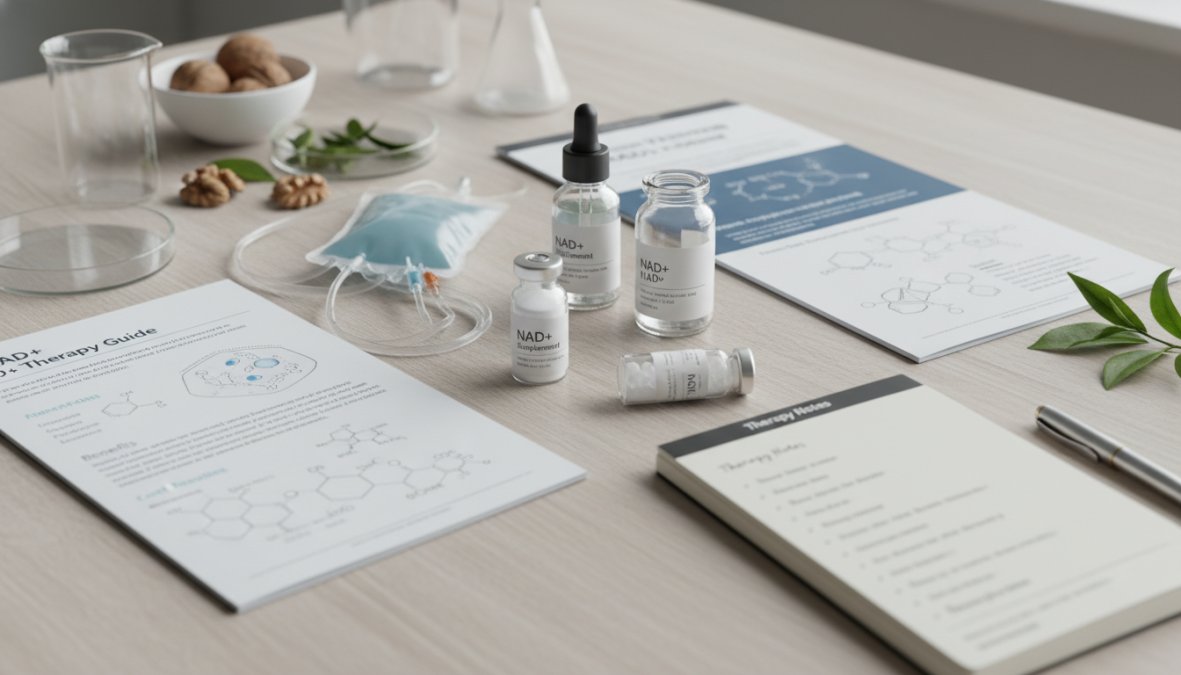
Last Updated: April 21, 2026
NAD+ therapy explained is one of the most searched wellness topics of 2026, and for good reason: the science behind it touches nearly every system in the human body. This guide from Ascend Vitality covers everything you need to know, from the cellular mechanics of Nicotinamide Adenine Dinucleotide to the real costs and trade-offs of each delivery method. Below, we break down six ways to administer NAD+, what the research actually supports, and how to choose the right approach for your goals.
Here’s what most guides get wrong: they treat all NAD+ therapy as equivalent. An oral supplement and an intravenous drip are not interchangeable. The delivery method determines bioavailability, speed of effect, and cost, and those differences matter enormously depending on why you’re pursuing treatment.
Quick Picks:
- Best for rapid results: NAD+ IV therapy – highest bioavailability, same-day effects
- Best for daily maintenance: Tru Niagen (NR) or Thorne NiaCel 400 (NMN) – research-backed oral precursors
- Best budget entry point: Oral NR supplements starting around $32.95/month
- Best for convenience: Subcutaneous injection kits for at-home high-bioavailability dosing
What Is NAD+ Therapy? The Science Explained
NAD+ therapy is a medical and wellness intervention designed to replenish Nicotinamide Adenine Dinucleotide, a co-enzyme found in every living cell that is essential to energy production, DNA repair, and cellular communication. Without adequate NAD+, mitochondria cannot efficiently convert nutrients into ATP (adenosine triphosphate), the fuel that powers virtually every biological process.
The therapy itself takes several forms: intravenous drips, subcutaneous injections, oral supplements, nasal sprays, and topical products. Each method attempts to raise NAD+ levels in the body, though they differ dramatically in how much of the compound actually reaches cells.
The Role of Nicotinamide Adenine Dinucleotide in Cellular Metabolism
Nicotinamide Adenine Dinucleotide functions as a critical electron carrier in cellular metabolism. It shuttles electrons between molecules during energy-generating reactions, particularly in the mitochondria, where ATP is synthesized. Without sufficient NAD+, this process slows, and cells become less efficient at producing energy.
NAD+ also activates two key classes of proteins: sirtuins and PARPs (poly ADP-ribose polymerases). Sirtuins regulate gene expression, inflammation, and metabolic health. PARPs are central to DNA repair, patching strand breaks before they accumulate into cellular damage. This dual role explains why NAD+ research spans such many conditions, from cognitive function to longevity to addiction recovery.
Why NAD+ Levels Decline With Age
NAD+ levels fall significantly as the body ages, and this decline accelerates the aging process at the cellular level. Several factors drive this drop: increased PARP activity (which consumes NAD+ during DNA repair), reduced biosynthesis, and higher demand from inflammatory pathways. Lifestyle factors including alcohol consumption, poor sleep, and sedentary behavior compound the decline.
The result is a feedback loop. Lower NAD+ means less efficient DNA repair, which means more cellular damage, which means more PARP activation, which depletes NAD+ further. Addressing this cycle is the core rationale behind NAD+ therapy for anti-aging and longevity applications.
Key TakeawayNAD+ is not a single-purpose molecule. Its role in energy production, DNA repair, sirtuin activation, and immune function makes it central to multiple aging mechanisms simultaneously.
NAD+ Benefits: What the Research Actually Shows
The honest answer is that NAD+ research is promising but still developing. Many studies showing dramatic benefits have been conducted in animal models, and human clinical trials are ongoing. That said, several areas of benefit have meaningful evidence behind them.
Energy Production, Brain Function, and DNA Repair
Many people pursuing NAD+ therapy report noticeable improvements in energy levels and mental clarity within days of starting IV treatment. The mechanism is plausible: raising NAD+ supports mitochondrial function, which directly affects how efficiently cells generate ATP. When mitochondria operate at higher capacity, the downstream effects include better cognitive function and reduced fatigue.
For DNA repair, the evidence is more mechanistic than clinical. NAD+ is required for PARP activity, and PARPs are the primary responders to DNA strand breaks. Cells with higher NAD+ availability are better equipped to repair oxidative stress damage, which accumulates continuously from normal metabolic activity and environmental exposure.
Brain function benefits are among the most frequently cited in clinical contexts. NAD+ supports neurotransmitter synthesis and neuronal energy metabolism. Some practitioners use NAD+ IV therapy specifically for cognitive recovery in patients dealing with brain fog, post-viral fatigue, or age-related mental decline.
According to National Institutes of Health research on NAD+ and aging, NAD+ precursors have shown measurable effects on metabolic markers in human trials, though long-term outcomes require further study.
Addiction Recovery and Withdrawal Support
NAD+ therapy has a longer clinical history in addiction recovery than most people realize. Certain specialized clinics have used high-dose NAD+ IV drips as part of substance use disorder treatment protocols for decades. The proposed mechanism involves NAD+’s role in neurotransmitter balance and cellular detoxification.
During withdrawal from alcohol, opioids, or stimulants, the brain’s reward and stress systems are severely disrupted. NAD+ supports the cellular repair processes that help restore neurotransmitter function, and some practitioners report that patients experience reduced withdrawal symptoms and cravings during high-dose IV protocols.
This is one area where the clinical anecdotal evidence is substantial, even if large-scale randomized controlled trials are limited. Medical supervision is non-negotiable for this application.
Watch OutNAD+ therapy for addiction recovery should never be pursued without medical supervision. High-dose IV protocols carry real risks, and withdrawal management requires clinical oversight regardless of the supplementation used.
NAD+ IV Therapy: How Intravenous Treatment Works
Intravenous NAD+ therapy delivers the compound directly into the bloodstream, bypassing the digestive system entirely and achieving close to 100% bioavailability. This is the most clinically significant delivery method and the one with the most direct evidence of effect.
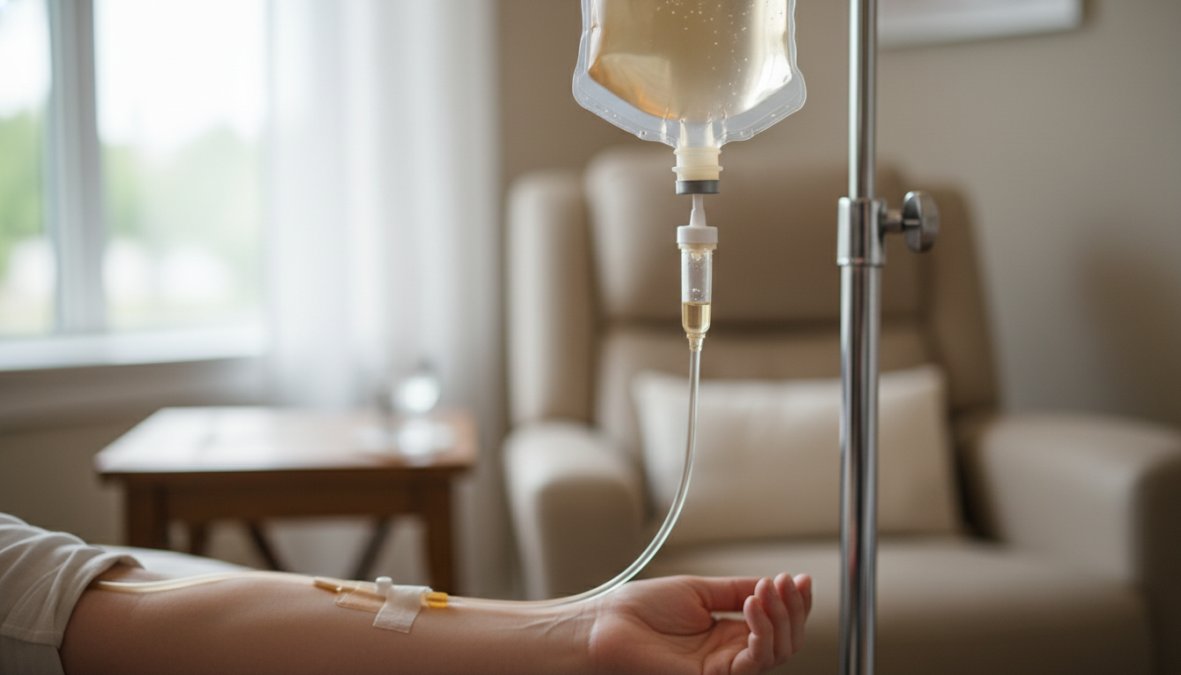
A patient reclining comfortably in a wellness clinic chair receives NAD+ through an IV drip line, with a medical professional nearby to monitor the infusion rate and adjust the IV bag as needed.
A typical session proceeds as follows:
- Initial consultation: A licensed provider reviews health history, current medications, and treatment goals. Dosage is determined based on individual factors.
- IV placement: A medical professional inserts a small catheter, usually in the forearm or hand.
- Infusion begins: NAD+ is administered slowly, typically over two to four hours. The rate matters because infusing too quickly causes common side effects including chest tightness, nausea, and a flushing sensation.
- Monitoring: Clinical staff remain present throughout to adjust the drip rate and manage any reactions.
- Post-infusion observation: Most patients feel increased energy and mental clarity within hours. Some report mild fatigue immediately after, followed by improved energy the next day.
Sessions typically run between $200 and $800 depending on dosage, clinic location, and whether add-ons like B-complex vitamins, Vitamin C, or magnesium are included. Package deals reduce the per-session cost significantly.
The main limitation is practical: each session requires a two-to-four hour time commitment, and the cost adds up quickly for ongoing protocols.
6 Ways to Deliver NAD+ Therapy: A Comparison
Not every delivery method is equally effective, and the right choice depends on your goals, budget, and tolerance for invasive procedures. Here is a direct comparison of all six methods currently available.
| Delivery Method | Bioavailability | Approx. Cost | Best For | Key Limitation |
|---|---|---|---|---|
| IV Therapy | ~100% | $200-$800/session | Rapid replenishment, addiction recovery | Time commitment, cost |
| Subcutaneous Injection | High | ~$500/30-day kit | At-home high bioavailability | Self-injection barrier |
| Oral NR (e.g., Tru Niagen) | Moderate | From $32.95/month | Daily maintenance | Slower onset |
| Oral NMN (e.g., Thorne NiaCel 400) | Moderate | $59.95/30 servings | Cognitive support, aging | Still-developing human data |
| Nasal Spray | Unclear | $179-$215/15mL | On-the-go convenience | Limited human efficacy data |
| Topical/Patch | Low/Unestablished | $19.95-$35/month | Skin-specific benefits | No systemic NAD+ increase |
Oral Supplements and NAD+ Precursors (NR and NMN)
Oral supplements do not deliver NAD+ directly. They deliver precursors, compounds the body converts into NAD+ after absorption. The two most studied precursors are Nicotinamide Riboside (NR) and Nicotinamide Mononucleotide (NMN).
Tru Niagen uses NR as its active ingredient and is backed by over 40 human clinical peer-reviewed studies. It is available in 300mg and 1000mg doses, starting at $32.95 for a 30-serving supply. It is third-party tested, vegetarian, and widely considered the benchmark NR supplement. The limitation is that it contains only NR, without synergistic compounds.
Elysium Health Basis pairs NR with pterostilbene, an antioxidant that may enhance sirtuin activation. At $60 for 30 servings, it targets users who want a more comprehensive longevity stack. The science behind pterostilbene addition is plausible, though the combination has fewer dedicated human trials than standalone NR.
Thorne NiaCel 400 uses NMN rather than NR. NMN is metabolically one step closer to NAD+ than NR, which some researchers argue makes it more efficient. At $59.95 for 30 servings, it is positioned for cognitive support and healthy aging. Thorne’s reputation among health professionals for quality and rigorous testing adds credibility.
Nootropics Depot NMN Capsules offer a more accessible NMN option with strong third-party testing. Available in capsules and powder form, the 30g powder option runs $49.99. For users who want flexibility in dosing, the powder format has practical advantages.
The honest assessment of oral precursors: they work, but slowly. Expect weeks rather than days to notice effects, and the magnitude of NAD+ increase is lower than injectable or IV methods.
Pro TipIf you are new to NAD+ supplementation, start with a clinically studied NR product like Tru Niagen at 300mg daily for 8 weeks before escalating to higher doses or more invasive delivery methods. This establishes a baseline and helps you identify your individual response.
Subcutaneous Injections, Nasal Sprays, and Topical Products
Subcutaneous NAD+ injections deliver the compound directly beneath the skin, bypassing the digestive system and achieving high bioavailability without requiring a clinical IV setup. Kits from providers like NAD+ 4U include sterile micro-needles, syringes, and alcohol wipes with written and video instructions for self-administration. Remedy Place offers a 30-day pen for approximately $500. The barrier is psychological for most users: self-injection requires a level of comfort that not everyone has.
Nasal sprays like the Ivy Rx NAD+ Nasal Spray (300mg/mL pharmaceutical-grade NAD+) are designed for rapid absorption through the nasal mucosa. They are genuinely convenient for travel and on-the-go use. The limitation is scientific: limited human data exists on how effectively NAD+ crosses the nasal lining and reaches systemic circulation. The product may provide a real energy and focus boost, but whether that reflects meaningful NAD+ replenishment or a localized effect is unclear.
Topical products including the PatchAid NAD+ Patch ($19.95 for 30 patches) and Maison Rouge NAD+ Facial Cream ($25-$35) represent the weakest delivery category for systemic NAD+ goals. NAD+ is a large molecule, and transdermal absorption of large molecules through intact skin is limited. Topical products may offer localized skin benefits, particularly from co-ingredients like niacinamide, hyaluronic acid, and vitamin C, but they should not be expected to raise cellular NAD+ levels systemically.
NAD+ Therapy Side Effects and Safety Considerations
NAD+ therapy side effects depend heavily on the delivery method and dosage. The overall safety profile is generally favorable, but specific risks apply to each approach.
For IV therapy, the most common side effects occur when the infusion rate is too fast: chest tightness, nausea, flushing, and a sensation of pressure in the head. These resolve quickly when the rate is slowed. Discomfort at the IV site is routine. Some patients experience flu-like symptoms after high-dose sessions, typically resolving within 24 hours.
For oral precursors, side effects are minimal. Some users report mild digestive discomfort at higher doses. Long-term safety in humans is still being studied, though the available evidence is reassuring.
For subcutaneous injections, local site reactions including redness and mild swelling are the primary concern. Sterile technique is essential.
A common mistake is assuming that because NAD+ is a naturally occurring molecule, it carries no risks at therapeutic doses. High-dose IV protocols in particular require medical supervision, especially for individuals with cardiovascular conditions. The regulatory status of NAD+ products also varies by region, and quality control across the supplement market is inconsistent.
According to FDA guidance on intravenous drug compounding and safety, compounded IV preparations are subject to specific regulatory requirements that vary by state. Verify that any clinic administering NAD+ IV therapy uses properly compounded, sterile preparations from licensed facilities.
NAD+ Therapy Cost: What to Budget for Each Method
NAD+ therapy cost varies by an order of magnitude depending on the delivery method. Here is a realistic breakdown for 2026:
- IV therapy: $200 to $800 per session. Most protocols for energy or anti-aging involve 4-10 sessions initially, meaning a starting investment of $800 to $8,000. Maintenance sessions are typically monthly or quarterly.
- Subcutaneous injection kits: Approximately $500 per 30-day supply at current market pricing. This is competitive with mid-range IV packages for ongoing use.
- Oral NR supplements (Tru Niagen): Starting at $32.95/month for 300mg. Subscription pricing reduces this further. At 1000mg, expect to spend $60-$80/month.
- Oral NMN supplements (Thorne NiaCel 400, Nootropics Depot): $50-$60/month for standard dosing.
- Nasal sprays: Approximately $179-$215 per 15mL bottle, with usage rates varying by individual.
- Topical products: $20-$35/month for patches or creams.
The thing nobody tells you about NAD+ therapy cost is that insurance does not cover it in most cases. This is an out-of-pocket wellness expense, and the cumulative annual cost of IV therapy can exceed $10,000 for aggressive protocols. Oral precursors are the only genuinely accessible long-term option for most people.
According to Harvard Health Publishing overview of NAD+ research, the evidence base for oral NAD+ precursors in humans is growing, making them a reasonable starting point before committing to higher-cost interventions.
Which NAD+ Therapy Approach Is Right for You?
The right approach depends on three variables: your primary goal, your budget, and your tolerance for invasive procedures. Here is a practical decision framework:
If your goal is general anti-aging and cellular health maintenance:
Start with a clinically studied oral precursor. Tru Niagen (NR) or Thorne NiaCel 400 (NMN) are the most defensible choices based on available human data. Expect to spend $33-$60/month and allow 8-12 weeks to assess effects.
If your goal is rapid energy recovery or cognitive enhancement:
NAD+ IV therapy at a reputable wellness clinic is the most direct path. Look for clinics that use licensed medical staff, properly compounded preparations, and allow you to control infusion rate. Budget $400-$800 for an initial session.
If you want high bioavailability without clinic visits:
Subcutaneous injection kits offer a middle path. The bioavailability approaches IV levels, the cost is lower over time, and the flexibility is real. The barrier is self-injection comfort.
If you are exploring NAD+ for addiction recovery or withdrawal support:
This application requires medical supervision regardless of delivery method. High-dose IV protocols are the standard clinical approach. Do not attempt this without a licensed provider.
What most guides miss is the personalization dimension. Individual responses to NAD+ therapy vary considerably based on baseline NAD+ levels, metabolic rate, age, and underlying health conditions. A protocol that produces dramatic results in one person may produce minimal effects in another. The most sophisticated approach involves baseline testing, a structured protocol, and reassessment at 8-12 weeks.
At Ascend Vitality, the model of medically-supported programs delivered directly to patients reflects exactly this kind of personalized care pathway. For people exploring hormonal health, metabolic health, and targeted wellness interventions, having a structured medical program rather than a self-directed supplement stack makes a meaningful difference in outcomes.
Pro TipBefore starting any NAD+ protocol, ask your provider about baseline NAD+ testing. Some specialty labs offer blood-based NAD+ measurement, which allows you to track actual changes rather than relying solely on subjective energy reports.
Conclusion
The science behind NAD+ therapy is real, but the landscape is noisy, and the gap between marketing claims and clinical evidence is significant for some delivery methods. Oral precursors have the strongest human safety data and the lowest barrier to entry. IV therapy has the highest bioavailability and the fastest effects, but the cost and time commitment are substantial. Topical and patch formats should not be expected to produce systemic NAD+ replenishment.
| Method | Monthly Cost | Bioavailability | Evidence Level |
|---|---|---|---|
| NAD+ IV Therapy | $800-$3,200 | ~100% | Moderate (clinical use) |
| Subcutaneous Injection | ~$500 | High | Limited human data |
| Oral NR (Tru Niagen) | $33-$80 | Moderate | Strong (40+ human studies) |
| Oral NMN (Thorne/Nootropics Depot) | $50-$60 | Moderate | Developing human data |
| Nasal Spray | $179-$215 | Unclear | Minimal human data |
| Topical/Patch | $20-$35 | Low/Unestablished | Not established |
For anyone navigating these decisions without clear clinical guidance, the process can feel overwhelming. Ascend Vitality provides medically-supported programs and targeted care pathways for health, hormones, and metabolic wellness, connecting patients with specialized care delivered directly to them. Get started with Ascend Vitality and access the kind of structured, physician-supported approach that turns a confusing supplement landscape into a clear, personalized protocol.
Frequently Asked Questions
1. What is NAD+ therapy used for?
NAD+ therapy is used to support a range of health goals, including boosting cellular energy production, improving cognitive function and mental clarity, slowing aspects of the aging process, supporting DNA repair, and aiding addiction recovery by easing withdrawal symptoms. It is also explored for metabolic health, reducing oxidative stress, and enhancing immune function. The specific application often determines which delivery method, IV drip, injection, or oral supplement, a provider recommends.
2. What is the difference between NAD+ IV therapy and oral supplements?
NAD+ IV therapy delivers the coenzyme directly into the bloodstream, achieving close to 100% bioavailability with effects often noticeable the same day. Oral supplements use NAD+ precursors like Nicotinamide Riboside (NR) or Nicotinamide Mononucleotide (NMN), which the body converts into NAD+. Oral options are more affordable and convenient but have lower and less predictable absorption. IV therapy is typically reserved for those seeking rapid, significant replenishment under medical supervision.
3. What are the side effects of NAD+ therapy?
NAD+ therapy side effects vary by delivery method. IV infusions can cause nausea, flushing, headaches, or discomfort at the injection site, particularly if the drip rate is too fast. Oral supplements like NR and NMN are generally well-tolerated but may cause mild digestive upset in some people. Subcutaneous injections carry a small risk of site irritation. Serious adverse events are rare, but medical supervision is strongly recommended, especially for IV and injectable protocols.
4. How much does NAD+ IV therapy cost?
NAD+ IV therapy typically costs between $200 and $800 or more per session, depending on the clinic, dosage, and any added nutrients like B-complex vitamins or Vitamin C. Package deals can reduce the per-session price. By comparison, oral NAD+ precursor supplements such as NR or NMN products range from roughly $33 to $60 per month. At-home injection kits vary widely, with some providers pricing a 30-day supply around $500.
5. Is NAD+ therapy safe, and is it regulated?
NAD+ therapy is generally considered safe when administered under medical supervision, but long-term safety data in humans is still limited. IV therapy carries the inherent risks of any intravenous procedure and should only be performed by licensed medical staff. Oral supplements are not FDA-approved treatments and vary in quality, look for products that are third-party tested. Regulatory oversight of NAD+ products differs by country and delivery format, so sourcing from reputable, clinically-supervised providers is important.