
Oral Peptides for Women’s Weight Loss: What Works
Last Updated: July 1, 2026
The weight loss market has exploded with peptide-based treatments, yet most women remain confused about what actually works versus what’s marketing hype. At Ascend Vitality, we’ve tracked the emergence of oral peptides for women’s weight loss alongside injectable GLP-1 receptor agonists, and the distinction matters far more than most guides acknowledge. The reality is that oral peptide supplements and prescription peptide medications operate in entirely different biological universes, one with significant clinical backing, one with mostly aspirational promises.
This guide covers what the science actually shows about peptide therapy for women, which approaches have genuine evidence behind them, and where the real opportunities and limitations lie. Below, we’ll examine the peptides that work, the ones that don’t, and how to evaluate whether peptide therapy makes sense for your specific situation.
What Are Peptides and How Do They Support Weight Loss?
Peptides are short chains of amino acids, the building blocks of proteins, that trigger specific biological responses in the body. Unlike full proteins, which require extensive digestion, peptides can be absorbed more directly, making them useful therapeutic tools. In the context of weight loss, certain peptides work by signaling the brain to reduce appetite, increasing metabolic rate, or enhancing fat oxidation.
The most researched peptides for weight management include GLP-1 receptor agonists, which mimic the glucagon-like peptide-1 hormone that regulates blood sugar and appetite. Others like Ipamorelin stimulate growth hormone release, theoretically supporting metabolic health and lean muscle preservation during weight loss. The mechanism matters because different peptides produce different outcomes, and different safety profiles.
For women specifically, hormonal sensitivity adds another layer. Peptides that influence insulin sensitivity, appetite signaling, or growth hormone can interact with estrogen, progesterone, and other female hormones in ways that don’t affect men identically. This is why blanket recommendations about peptide therapy often miss the mark for women’s health.
Peptides are amino acid chains that trigger specific biological responses. For weight loss, they work primarily through appetite suppression, metabolic enhancement, or fat oxidation, but not all peptides deliver equal results, and women’s hormonal landscape changes how they work.
Oral vs. Injectable Peptides for Weight Loss
Bioavailability: Why Injection Matters
The single biggest misconception about oral peptides for women’s weight loss is that the delivery method doesn’t matter. It absolutely does. Bioavailability, the percentage of a substance that enters the bloodstream and produces a biological effect, is where oral and injectable peptides diverge dramatically.
When you swallow a peptide, it enters the digestive system where stomach acid and digestive enzymes break it down. Peptides are fragile molecules. Most oral peptide supplements never reach the bloodstream intact; they’re metabolized into their component amino acids before absorption. This is why research on oral peptide bioavailability consistently shows disappointing results.
Injectable peptides bypass this problem entirely. Subcutaneous injection delivers the molecule directly into tissue where it can be absorbed into the bloodstream with minimal degradation. Clinical trials on injectable GLP-1 receptor agonists show bioavailability rates of 60-80%, depending on the formulation. Oral versions of the same peptides show bioavailability rates below 5%.
This isn’t a minor difference. It’s the difference between receiving a therapeutic dose and receiving essentially nothing.
Oral peptide supplements marketed for weight loss typically have bioavailability below 5%. The peptide molecule is destroyed during digestion. If a supplement claims to deliver intact peptides orally, the claim contradicts basic gastrointestinal physiology.
Oral Peptide Supplements: Realistic Expectations
The market for oral peptide supplements has exploded because the regulatory barriers are lower and the profit margins are higher. Supplements don’t require FDA approval; they require only that manufacturers avoid making drug claims. Many oral peptide products skirt this line carefully, using language like “supports healthy weight management” rather than “causes weight loss.”
What do these supplements actually contain? Often, they contain peptide precursors, amino acid blends, or peptides designed to survive digestion better than natural ones. Some use encapsulation technology to protect peptides from stomach acid. None of these approaches have produced clinical evidence of meaningful weight loss in women.
A few oral peptide products claim to use “bioenhancers” that increase absorption, substances like black pepper extract or permeability enhancers. These may improve absorption of some compounds, but they don’t overcome the fundamental problem: peptides are large molecules that the intestinal wall is designed to block.
The honest assessment: oral peptide supplements for weight loss are largely unproven. Some users report modest appetite suppression or energy changes, which could be placebo effect, could be from other ingredients in the formula, or could reflect genuine but small biological effects from whatever peptide fraction survives digestion. But none of these products have demonstrated weight loss equivalent to injectable peptides.
:::pro-tip
If you’re considering an oral peptide supplement, check whether the manufacturer has published clinical data on the specific product, not just on the peptide itself, but on the formulation you’re buying. Most haven’t. This alone suggests limited confidence in efficacy.
:::
FDA-Approved GLP-1 Receptor Agonists: Semaglutide and Tirzepatide
The peptides that actually work for weight loss are prescription medications, not supplements. These are GLP-1 receptor agonists, peptides that activate the glucagon-like peptide-1 receptor, which regulates appetite, blood sugar, and metabolic rate.
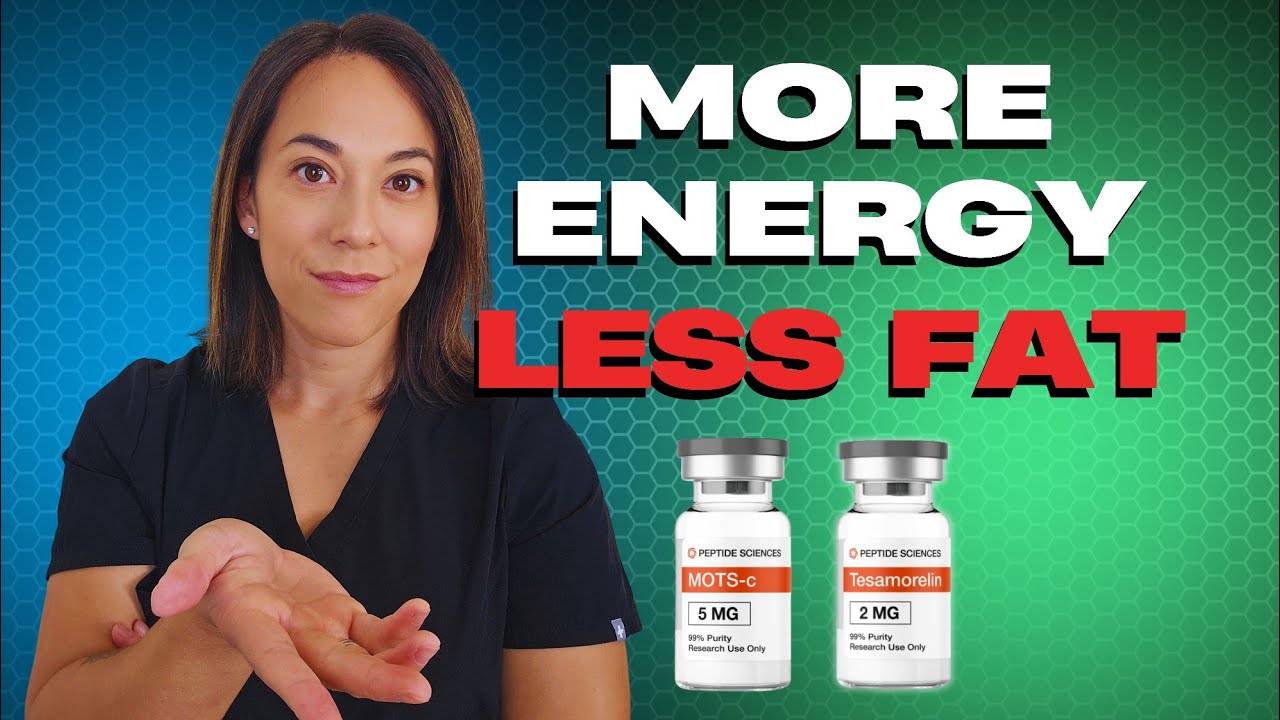
Semaglutide (Wegovy, Ozempic) for Women
Semaglutide is a synthetic GLP-1 receptor agonist approved by the FDA for weight loss under the brand name Wegovy (and for diabetes management under the name Ozempic). The medication is administered via subcutaneous injection once weekly.
In clinical trials, women using semaglutide lost an average of 10-15% of body weight over 68 weeks, significantly more than placebo. The mechanism is straightforward: semaglutide slows gastric emptying, increases feelings of fullness, and reduces hunger signals in the brain. It also improves insulin sensitivity, which has downstream metabolic benefits.
For women, semaglutide’s effects on weight loss appear comparable to men’s, though some data suggests women may experience slightly more nausea during the dose escalation phase. Importantly, semaglutide does not significantly disrupt menstrual cycles or fertility in most women, though individual responses vary.
The drawback is cost. Semaglutide costs approximately $900-$1,400 per month without insurance, and many insurance plans don’t cover it for weight loss (they may cover it for diabetes). This puts it out of reach for many women unless they qualify for assistance programs.
Tirzepatide (Zepbound): Dual-Action Mechanism
Tirzepatide represents a newer generation of peptide therapy. Unlike semaglutide, which activates only GLP-1 receptors, tirzepatide activates both GLP-1 and GIP (glucose-dependent insulinotropic polypeptide) receptors. This dual mechanism produces more strong weight loss: clinical trial participants lost an average of 20-22% of body weight over 68 weeks, roughly double the semaglutide results.
Tirzepatide was approved by the FDA for weight loss under the brand name Zepbound in 2023. Like semaglutide, it’s administered via subcutaneous injection once weekly.
For women, tirzepatide’s dual-receptor mechanism may offer additional metabolic benefits. Activation of GIP receptors enhances insulin secretion and glucose regulation, which can be particularly valuable for women with insulin resistance or metabolic dysfunction. However, the side effect profile is slightly more pronounced, gastrointestinal effects are more common and sometimes more severe than with semaglutide.
Pricing is comparable to semaglutide, with similar insurance coverage challenges.
| Medication | Mechanism | Average Weight Loss | Administration | Monthly Cost |
|---|---|---|---|---|
| Semaglutide (Wegovy) | GLP-1 receptor agonist | 10-15% | Weekly injection | $900-$1,400 |
| Tirzepatide (Zepbound) | GLP-1 + GIP receptor agonist | 20-22% | Weekly injection | $900-$1,400 |
| Oral peptide supplements | Variable/unproven | Minimal | Daily oral | $50-$200 |
Peptide Therapy Side Effects and Safety Considerations
Common Adverse Effects in Women
Nausea is the most frequently reported side effect of GLP-1 receptor agonists, affecting 25-40% of users during the initial weeks. For most women, nausea decreases as the body adjusts, but some experience persistent mild nausea. Taking the injection on an empty stomach or with a light meal can help.

Gastrointestinal effects beyond nausea are common: constipation, diarrhea, vomiting, and abdominal discomfort occur in 20-30% of users. These effects are usually mild to moderate and tend to improve over time, but they can be disruptive enough that some women discontinue treatment.
Fatigue and dizziness occur in 10-15% of users, particularly during the first few weeks. These effects are typically transient.
Less common but notable: some women report changes in appetite for foods they previously enjoyed, altered taste sensations, or decreased interest in eating beyond the intended appetite suppression. This can occasionally lead to undereating if not monitored carefully.
(/side-effects-long-term-nad-iv-therapy/) and Safety Considerations]
Hormonal Interactions and Women-Specific Concerns
This is where oral peptides for women’s weight loss intersects with female physiology in ways that deserve careful attention. GLP-1 receptor agonists can influence estrogen and progesterone levels indirectly by affecting insulin sensitivity and metabolic rate. For women on hormonal birth control, this can theoretically reduce contraceptive efficacy, though clinical evidence of this is limited.
More documented: GLP-1 receptor agonists can affect appetite in ways that interact with the menstrual cycle. Many women report that appetite suppression is more pronounced during the luteal phase (after ovulation), when appetite naturally increases. This can actually be beneficial, but it requires awareness.
For women with a history of thyroid issues, particularly autoimmune thyroiditis, GLP-1 receptor agonists warrant closer monitoring. These medications can affect thyroid function indirectly through metabolic changes, though direct thyroid toxicity is not established.
Pregnancy is a critical consideration. GLP-1 receptor agonists are not recommended during pregnancy, and women of reproductive age should use reliable contraception while using these medications. The effects on fetal development are not fully understood, and animal studies show mixed results.
For women approaching menopause or in perimenopause, the hormonal shifts that occur naturally can interact unpredictably with GLP-1 receptor agonists. Some women report that symptom management becomes more complex when combining peptide therapy with the hormonal fluctuations of this life stage.
If you have a history of medullary thyroid cancer or multiple endocrine neoplasia syndrome type 2 (MEN2), GLP-1 receptor agonists are contraindicated. These conditions represent absolute contraindications to this class of medication.
Peptide Dosage for Weight Loss: Guidelines and Personalization
GLP-1 receptor agonists like semaglutide and tirzepatide use a dose escalation protocol. Treatment typically begins at a low dose (0.25 mg for semaglutide, 2.5 mg for tirzepatide) and increases every 4 weeks until reaching a therapeutic dose (1.0 mg for semaglutide, 15 mg for tirzepatide) or until side effects limit further escalation.
This gradual approach serves two purposes: it allows the body to adjust to the medication, reducing the severity of initial nausea and gastrointestinal effects, and it identifies the minimum effective dose for each individual. Some women achieve significant weight loss at lower doses, while others require the full therapeutic dose.
For women, dose adjustments may be influenced by body weight, metabolic rate, and individual tolerance. A woman weighing 150 pounds may reach her therapeutic dose faster than a woman weighing 250 pounds, though both might ultimately benefit from the same final dose. Conversely, a woman with a sensitive stomach might need a slower escalation schedule or a lower final dose.
The critical factor is physician-supervised dosing. This is not a medication where self-adjustment makes sense. A healthcare provider experienced with GLP-1 receptor agonists can tailor the dose to your specific response, adjust for side effects, and monitor for safety concerns.
Oral Peptides for Women’s Weight Loss: Realistic Benefits and Limitations
Muscle Preservation and Body Composition
One theoretical advantage of peptide therapy is that it can support lean muscle preservation during weight loss. GLP-1 receptor agonists reduce appetite and calorie intake, which can lead to muscle loss if protein intake isn’t sufficient. However, they don’t directly preserve muscle, that requires adequate protein consumption and resistance training.
Some peptides, like Ipamorelin, stimulate growth hormone release, which theoretically supports muscle preservation and even lean muscle gain during a calorie deficit. However, Ipamorelin is not FDA-approved for weight loss and is typically available only through compounding pharmacies. Clinical evidence on its effectiveness for weight loss in women is limited.
The practical reality: whether you’re using oral peptide supplements or injectable GLP-1 receptor agonists, muscle preservation depends on three factors, adequate protein intake, resistance training, and sufficient calories to support metabolic function. The peptide alone doesn’t guarantee favorable body composition changes.
Cost-Benefit Analysis for Long-Term Use
Injectable GLP-1 receptor agonists cost $10,000-$17,000 annually. For many women, this is unsustainable long-term, particularly without insurance coverage. The question becomes: is the weight loss worth the cost, and what happens when you stop?
Weight regain after discontinuing GLP-1 receptor agonists is common. Studies show that women who stop using these medications typically regain 50-70% of the weight they lost within one year. This suggests that these medications are best viewed as long-term tools, not short-term interventions, which makes the cost even more significant.
Oral peptide supplements, by contrast, cost $50-$200 monthly. If they worked reliably, this would be a compelling alternative. But the lack of clinical evidence means you’re paying for a product with unproven efficacy. The cost-benefit is worse, not better.
The strongest cost-benefit case for injectable peptide therapy exists for women with significant metabolic dysfunction, insulin resistance, or weight-related health complications (sleep apnea, hypertension, diabetes risk). For these women, the health improvements and reduced medical costs may justify the expense. For women seeking weight loss primarily for appearance, the cost-benefit is more questionable.
Injectable GLP-1 receptor agonists produce measurable weight loss but cost $10,000-$17,000 annually and require long-term use to maintain results. Oral peptide supplements cost less but have minimal clinical evidence of efficacy. Neither is a “quick fix”, both require sustained commitment and lifestyle management.
Sourcing, Regulation, and Safety Red Flags
The peptide market has a significant counterfeiting problem. Compounded semaglutide and tirzepatide, versions made by compounding pharmacies rather than major pharmaceutical manufacturers, have become popular because they cost less than brand-name versions. However, quality control at compounding pharmacies varies widely.
According to research from the FDA’s guidance on compounded medications, compounded versions of injectable peptides may have purity, sterility, or potency issues. Some compounded versions have tested positive for bacterial contamination or incorrect peptide concentrations. This isn’t universal, many compounding pharmacies maintain rigorous standards, but it’s a genuine risk.
For oral peptide supplements, the regulatory situation is even looser. Supplements don’t require FDA approval before marketing. Manufacturers must only ensure that products are safe and that claims don’t cross into drug territory. This means many oral peptide products on the market have never been tested for purity, potency, or contamination.
Red flags when evaluating any peptide product:
- Claims of weight loss without lifestyle changes
- Testimonials instead of clinical data
- Pricing significantly lower than established products (may indicate counterfeiting)
- Lack of third-party testing documentation
- Vague descriptions of the peptide used or its source
- No mention of potential side effects or contraindications
For women considering peptide therapy, working with a licensed healthcare provider who sources medications from established pharmaceutical manufacturers or rigorously vetted compounding pharmacies is essential. This is not an area where cost-cutting makes sense.
Peptides vs. Traditional Weight Loss Methods: Which Approach Wins?
The honest answer is that peptide therapy and traditional weight loss methods (calorie restriction, exercise, behavioral change) are not competing approaches, they’re complementary.
Calorie restriction alone produces weight loss, but it’s difficult to sustain because hunger increases as you eat less. Exercise without calorie reduction typically produces modest weight loss. Behavioral change, addressing emotional eating, sleep, stress, is essential for sustainable results but often insufficient alone.
GLP-1 receptor agonists make calorie restriction more tolerable by reducing hunger and improving satiety. This allows women to maintain a calorie deficit with less willpower and psychological strain. In this sense, peptide therapy amplifies the effectiveness of traditional methods rather than replacing them.
The research is clear: clinical trials on GLP-1 receptor agonists show that weight loss with peptide therapy is significantly greater than with lifestyle intervention alone. However, the best outcomes occur when peptide therapy is combined with dietary changes and exercise, not used as a substitute.
For women with mild overweight and good metabolic health, traditional methods may be sufficient. For women with obesity, metabolic dysfunction, or multiple failed weight loss attempts, peptide therapy offers a genuine advantage.
Oral peptide supplements don’t fit clearly into this analysis because their efficacy is unproven. They’re neither a proven complement to traditional methods nor a proven replacement for them.
Conclusion: Is Peptide Therapy Right for Your Weight Loss Goals?
The decision to pursue peptide therapy is deeply personal and depends on your specific situation. Injectable GLP-1 receptor agonists like semaglutide and tirzepatide have solid clinical evidence and produce meaningful weight loss for most women. Oral peptides for women’s weight loss remain largely unproven and should be approached with skepticism.
If you’re considering peptide therapy, the critical first step is a consultation with a healthcare provider experienced in this area. Ascend Vitality connects you with specialized care pathways that include physician-supervised peptide therapy, medically-supported weight loss programs, and personalized treatment plans tailored to your hormonal health and metabolic needs. They provide convenient access to FDA-approved peptide medications, comprehensive monitoring, and ongoing support, ensuring you’re using these tools safely and effectively.
Frequently Asked Questions
Are oral peptides effective for weight loss in women?
Oral peptides marketed as weight loss supplements have limited bioavailability due to stomach acid degradation, making them far less effective than injectable alternatives. Most clinical evidence supports FDA-approved injectable GLP-1 receptor agonists like Semaglutide and Tirzepatide, which demonstrate significant fat loss and appetite suppression. Oral peptide supplements lack robust clinical trial data in women. If you’re seeking peptide therapy for weight loss, physician-supervised injectable options offer substantially better results and metabolic health improvements.
How do oral peptides differ from injectable peptides for weight loss?
The key difference lies in bioavailability. Injectable peptides bypass the digestive system and enter the bloodstream directly, allowing your body to absorb the full dose. Oral peptides must survive stomach acid and intestinal enzymes, resulting in minimal absorption, often less than 5% of the dose reaches systemic circulation. Injectable GLP-1 receptor agonists like Semaglutide and Tirzepatide trigger sustained appetite suppression and improved insulin sensitivity. Oral supplements may support metabolic health but lack the potency for meaningful weight management without dietary and lifestyle changes.
What are the most common side effects of peptide therapy for women?
Injectable peptides commonly cause nausea, vomiting, constipation, and mild gastrointestinal upset, especially during dose escalation. Women may experience hormonal shifts affecting menstrual cycles or energy levels. Rare but serious adverse effects include pancreatitis and thyroid concerns. Compounded peptides and unregulated oral supplements carry additional risks from inconsistent dosing and contamination. Always pursue physician-supervised peptide therapy to monitor for side effects, adjust dosage appropriately, and ensure your treatment aligns with your hormonal balance and overall health status.
What dosage of peptides is typically used for weight loss in women?
FDA-approved peptide dosages vary by medication. Semaglutide starts at 0.25 mg weekly, titrating to 1.0 mg or 2.4 mg depending on tolerance and goals. Tirzepatide begins at 2.5 mg weekly, escalating to 5-15 mg based on response. Compounded peptides like Ipamorelin and Liraglutide follow different protocols based on physician assessment. Dosage personalization is critical, factors like body weight, metabolic rate, hormonal status, and existing health conditions influence optimal dosing. Physician-supervised programs ensure your peptide dosage supports sustainable weight loss while minimizing adverse effects.
The most effective approach to weight loss combines peptide therapy (if appropriate for your situation) with sustainable dietary changes, regular physical activity, and attention to sleep and stress. No peptide, oral or injectable, works without these foundational elements. But for many women, peptide therapy makes these elements achievable in ways that willpower alone cannot.