
Everyday wellbeing
Can you drink alcohol on semaglutide or tirzepatide?
By Ascend Vitality LLC ·

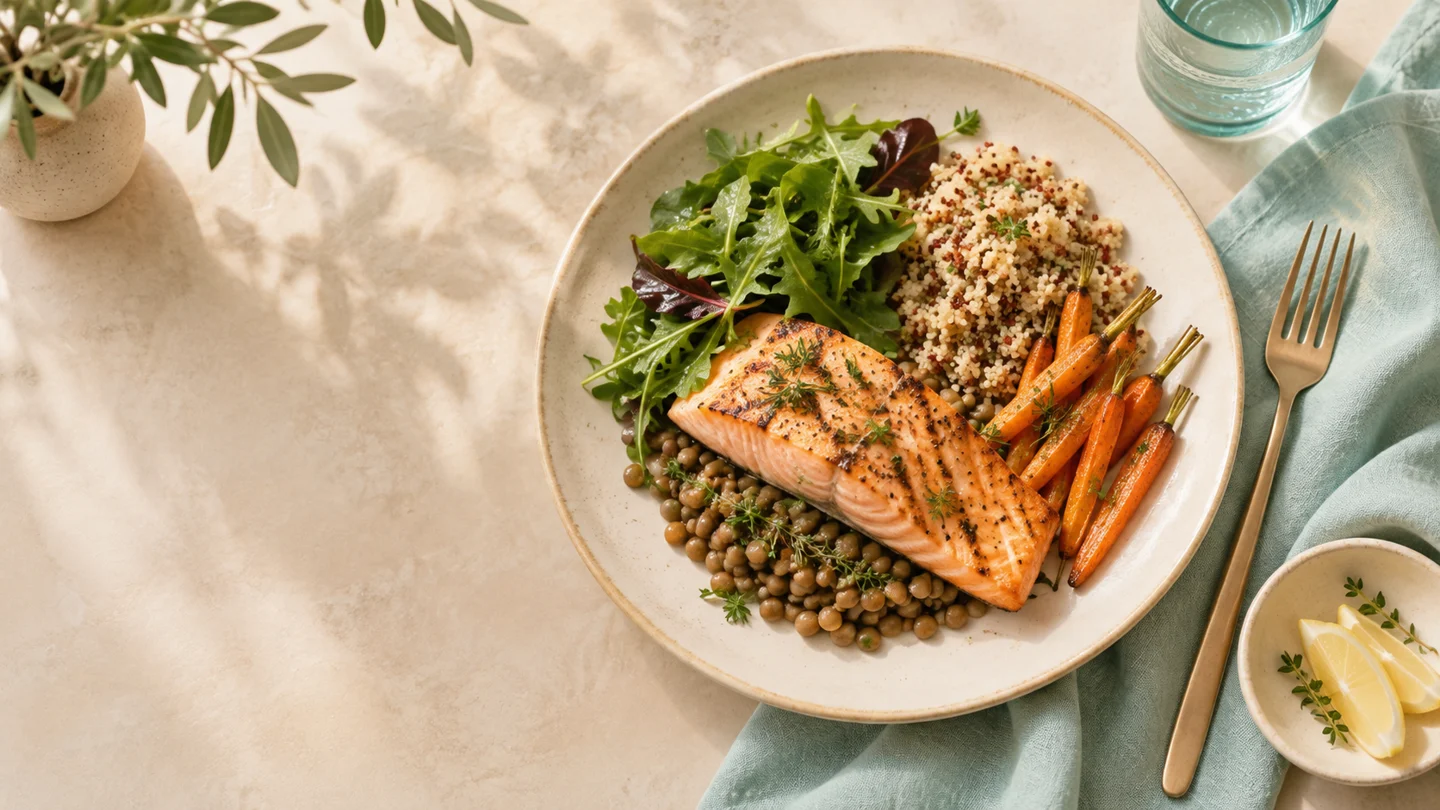
Illustrative image; not a specific medicine or patient.
A drink at dinner, a wedding toast, a weekend with friends: questions about alcohol come up quickly once treatment starts. Official labeling gives a narrow answer. This guide is educational and is not medical advice.
Sources for this guide were reviewed on November 19, 2026. Label facts below come from the FDA-approved prescribing information for Wegovy (semaglutide), revised June 2026, and from MedlinePlus patient information for semaglutide injection (last revised May 15, 2026) and tirzepatide injection (last revised February 15, 2026). [1][2][3] They describe FDA-approved products. Ascend Vitality is not affiliated with the makers of brand-name products.
Key takeaways
- The drug interactions section of the FDA-approved Wegovy (semaglutide) label lists insulin or insulin secretagogues and oral medications. It does not list alcohol. [1]
- Nausea, vomiting and diarrhea are among the most common adverse reactions in that label, and NIAAA says alcohol directly irritates the lining of the stomach and can lead to nausea. [1][4]
- Alcohol increases urination and fluid loss. The label reports kidney injury mostly in patients who had reactions leading to dehydration, such as nausea, vomiting or diarrhea. [1][4]
- For people with diabetes, NIDDK says drinking too much alcohol without enough food can lower blood glucose. The label says low blood sugar is more likely when semaglutide is used with insulin or a sulfonylurea. [1][5]
- Heavy alcohol use is one of the most common causes of pancreatitis, and acute pancreatitis has been observed in patients treated with GLP-1 receptor agonists. [1][6]
- Compounded drugs are not FDA-approved, and label facts about approved products should not be assumed to apply to them. [10]
Can you drink alcohol on semaglutide or tirzepatide?
Official sources do not set a specific alcohol rule. The drug interactions section of the Wegovy label lists two items: use with insulin or an insulin secretagogue such as a sulfonylurea, and oral medications, because semaglutide delays stomach emptying. Alcohol is not listed. [1] MedlinePlus patient information for semaglutide injection and for tirzepatide injection also contains no alcohol restriction. [2][3]
The absence of a listed interaction is not a finding that drinking is safe for every patient. NIAAA advises that certain people should avoid alcohol completely, including people who take certain prescription medications or have certain medical conditions. [7] That makes this a question for the clinician who knows your history. Treatment requires an evaluation by a licensed clinician and is prescribed only if it is appropriate for you.
Can alcohol make GLP-1 side effects worse?
The two can affect the same parts of the body. In the Wegovy label, the most common adverse reactions include nausea, diarrhea, vomiting, constipation, abdominal pain, indigestion and reflux. [1] MedlinePlus lists nausea, vomiting, diarrhea and constipation among the side effects of tirzepatide injection. [3] Separately, NIAAA explains that alcohol directly irritates the lining of the stomach and increases acid release, which can lead to nausea and stomach discomfort. [4]
None of the sources cited here measured how often symptoms worsen when the two are combined, so this overlap is a reason for caution and not a measured risk.
Why does dehydration matter?
NIAAA explains that alcohol suppresses a hormone that signals the kidneys to retain fluid, so it increases urination and fluid loss. [4] The Wegovy label describes postmarketing reports of acute kidney injury in patients treated with semaglutide, and says the majority occurred in patients who had gastrointestinal reactions leading to dehydration, such as nausea, vomiting or diarrhea. [1] MedlinePlus advises telling your doctor if you have recently had diarrhea, nausea or vomiting, or if you cannot drink liquids by mouth. [2]
Trouble keeping fluids down is a reason to contact your care team, whether or not alcohol is involved.
Can alcohol cause low blood sugar during treatment?
The Wegovy label states that semaglutide lowers blood glucose and can cause hypoglycemia, and that the risk is increased when it is used with insulin or an insulin secretagogue such as a sulfonylurea. It also notes that episodes of hypoglycemia have been reported with GLP-1 receptor agonists in adults without type 2 diabetes. [1]
For people with diabetes, NIDDK lists drinking too much alcohol without enough food among the things that can lower blood glucose. It explains that alcohol makes it harder for the body to keep blood glucose steady, especially if you have not eaten in a while, and that alcohol can keep you from feeling the first symptoms of low blood glucose. [5] If you take insulin or a sulfonylurea, ask your clinician for specific instructions before drinking.
MedlinePlus lists signs of low blood sugar that include dizziness or lightheadedness, sweating, shakiness, hunger, headache, slurred speech, blurred vision and a fast heart rate. [2]
What about pancreatitis?
NIDDK lists heavy alcohol use among the most common causes of both acute and chronic pancreatitis. [6] The Wegovy label warns that acute pancreatitis has been observed in patients treated with GLP-1 receptor agonists, including semaglutide. [1] MedlinePlus advises telling your doctor if you have or have ever had pancreatitis before using semaglutide, and if you have or have ever had pancreas disease before using tirzepatide. [2][3]
These are separate facts from separate sources, and the sources cited here do not measure a combined risk. A history of pancreatitis or of heavy drinking is still information your clinician needs before prescribing. NIAAA defines heavy drinking as five or more drinks on any day or 15 or more per week for men, and four or more on any day or 8 or more per week for women. [7]
Does alcohol affect a weight-management plan?
The Wegovy label describes use in combination with a reduced-calorie diet and increased physical activity. [1] MedlinePlus notes that alcohol has about 7 calories per gram and no nutrients, and that a 12-ounce regular beer has about 150 calories. [11] Calories from drinks count toward the plan you and your care team have set. For food planning during treatment, see eating well on a GLP-1.
How much is one drink?
| Drink | Amount that counts as one U.S. standard drink |
|---|---|
| Regular beer, about 5% alcohol | 12 fluid ounces |
| Table wine, about 12% alcohol | 5 fluid ounces |
| Distilled spirits, about 40% alcohol | 1.5 fluid ounces |
Each contains about 14 grams of pure alcohol. [8] NIAAA, citing the Dietary Guidelines for Americans 2020-2025, says adults of legal drinking age can choose not to drink, or to drink in moderation by limiting intake to 2 drinks or less in a day for men and 1 drink or less in a day for women, and that drinking less is better for health than drinking more. [7] These are general population figures. They are not a recommendation for people taking a GLP-1 medicine, and your clinician may advise less or none.
Do GLP-1 medicines reduce the desire to drink?
This is being studied, and it is not an approved use. The approved uses in the Wegovy label are cardiovascular risk reduction, weight reduction and treatment of a liver condition called MASH. Reducing alcohol use is not among them. [1]
A phase 2 randomized trial published in JAMA Psychiatry in 2025 enrolled 48 adults with alcohol use disorder who were not seeking treatment and treated them for 9 weeks. Compared with placebo, low-dose semaglutide reduced weekly alcohol craving and drinks per drinking day, but it did not affect the number of drinking days or average drinks per calendar day. The authors described the findings as initial evidence that justifies larger clinical trials. [9]
One small, short trial does not establish that any GLP-1 medicine treats alcohol use disorder, and its findings should not be assumed to apply to compounded products. If you want to drink less or are concerned about your drinking, tell a clinician. Do not start, stop or change a medicine for that purpose on your own.
Does this apply to compounded products?
Compounded medicines are different products. Compounded drugs are not FDA-approved, and FDA does not review them for safety, effectiveness or quality before they are marketed. [10] They are also not generic drugs, which FDA approves before marketing. [12] The label facts in this guide describe FDA-approved products and should not be assumed to apply to a compounded preparation. FDA advises that compounded drugs should only be used in patients whose medical needs cannot be met by an FDA-approved drug. [10]
FDA has also received adverse event reports that may be related to compounded semaglutide or tirzepatide prescribed in doses beyond those in FDA-approved labeling. Reported symptoms included nausea, vomiting, diarrhea, abdominal pain and constipation, and some patients sought medical attention. [10] For a compounded medicine, follow the label from the dispensing pharmacy and ask the prescriber or pharmacist about alcohol and your exact product. See compounded vs. FDA-approved.
When should you get medical help?
- Ongoing pain that begins in the upper left or middle of the stomach and may spread to the back, with or without vomiting. MedlinePlus says to call your doctor immediately or get emergency medical treatment. [2]
- Abdominal pain or tenderness that is severe or becomes worse, nausea and vomiting, fever or chills, a fast heartbeat, shortness of breath, or a yellowish color of the skin or eyes. NIDDK says to seek care right away for these symptoms of severe pancreatitis. [6]
- Vomiting or diarrhea that leaves you unable to keep fluids down, or decreased urination. [2]
- Signs of low blood sugar, especially if you take insulin or a sulfonylurea. [1][2]
Call 911 for an emergency. Semaglutide and tirzepatide injections also carry an important warning about thyroid tumors that is unrelated to alcohol. [1][2][3] This is not a complete list of risks. Review the current information for your exact product with your clinician, and see our guide to GLP-1 side effects and when to get help.
Questions to ask your clinician
- Given my medical history and other medicines, is any alcohol appropriate for me?
- I take insulin or a sulfonylurea. What should I know about low blood sugar if I drink?
- I have had pancreatitis, gallbladder disease or kidney problems. Does that change your advice?
- What should I do if I have nausea or vomiting after drinking, and when should I call?
Do not skip, delay or change a dose in order to drink. MedlinePlus says to use these medicines exactly as directed and not to stop without talking to your doctor. [2][3]
Who is Ascend Vitality?
Ascend Vitality is a LegitScript-certified telehealth platform. Care is provided by independent, licensed U.S. clinicians, and prescriptions are issued only when a clinician decides after an evaluation that treatment is appropriate. Medications are filled by licensed U.S. pharmacies. Compounded medications are prepared by licensed 503A pharmacies for individual patients; they are not FDA-approved, and FDA has not reviewed them for safety, effectiveness or quality. Information about the compounded semaglutide and compounded tirzepatide options a clinician may consider is on our treatment pages.
Frequently asked questions
Is there a known interaction between alcohol and semaglutide?
Alcohol is not listed in the drug interactions section of the FDA-approved Wegovy (semaglutide) label, revised June 2026. That is not a finding that drinking is safe for everyone. Alcohol can irritate the stomach and increase fluid loss, and nausea, vomiting and diarrhea are among the most common adverse reactions in the label, so ask your clinician what is appropriate for you.
Can you drink alcohol on tirzepatide?
MedlinePlus patient information for tirzepatide injection, last revised February 15, 2026, includes no alcohol restriction. It does list nausea, vomiting and diarrhea as side effects and advises telling your doctor if you have ever had pancreas disease. Ask the clinician who prescribes your treatment before drinking.
Can alcohol cause low blood sugar while taking a GLP-1 medicine?
It can contribute, particularly for people with diabetes. NIDDK says drinking too much alcohol without enough food can lower blood glucose, and the semaglutide label says low blood sugar is more likely when the medicine is used with insulin or a sulfonylurea. Know the symptoms and ask your clinician for a plan.
Is semaglutide approved to treat alcohol cravings or alcohol use disorder?
No. Reducing alcohol use is not among the approved uses in the Wegovy label. A small phase 2 trial published in JAMA Psychiatry in 2025 found that low-dose semaglutide reduced craving and drinks per drinking day but not the number of drinking days, and its authors called for larger trials. Its findings should not be assumed to apply to compounded products.
Should I skip my injection if I plan to drink?
No. Do not skip, delay or change a dose on your own. MedlinePlus says to use semaglutide and tirzepatide exactly as directed and not to stop without talking to your doctor. If you have questions about timing, ask your prescriber.
How many drinks count as moderate drinking?
NIAAA, citing the Dietary Guidelines for Americans 2020-2025, describes moderation as 2 drinks or less in a day for men and 1 drink or less in a day for women, and says drinking less is better for health than drinking more. This is general guidance, and your clinician may advise less or none during treatment.
Sources
- DailyMed: Wegovy (semaglutide) prescribing information, revised June 2026
- MedlinePlus: Semaglutide injection
- MedlinePlus: Tirzepatide injection
- NIAAA: Hangovers
- NIDDK: Low blood glucose (hypoglycemia)
- NIDDK: Symptoms and causes of pancreatitis
- NIAAA: Drinking levels defined
- NIAAA: What is a standard drink?
- JAMA Psychiatry (2025): Once-weekly semaglutide in adults with alcohol use disorder
- FDA: Concerns with unapproved GLP-1 drugs used for weight loss
- MedlinePlus: Weight loss and alcohol
- FDA: What telehealth companies should know when promoting compounded drugs
Ready to talk with a licensed clinician?
A short questionnaire helps a clinician decide whether any treatment is appropriate for you.
Under 1-minute intake · No insurance needed · Only pay if prescribed
This content shares general, publicly available health information for educational purposes only. It is not medical advice and does not replace an individual clinical evaluation by a licensed clinician. Images are illustrative. For urgent symptoms, call 911.