
Last Updated: May 8, 2026
Prescription weight loss meds rx have become one of the most searched health topics in 2026, and for good reason: the landscape of FDA-approved options has expanded dramatically in just the past few years. This guide from Ascend Vitality breaks down every major medication available, who qualifies, how each drug works, what side effects to expect, and how to manage the cost. Below, we’ll show you exactly how to compare your options, navigate insurance, and build a long-term plan that actually sticks. Most guides stop at listing drug names. This one goes further.
What Are Weight Loss Meds Rx and Who Qualifies?
Weight loss meds rx are prescription medications approved by the FDA to treat obesity or overweight in adults who meet specific clinical criteria. These are not over-the-counter supplements. They require a licensed healthcare professional to evaluate your health history, current medications, and weight-related risk factors before prescribing.
The distinction matters. Prescription weight-loss drugs are subject to rigorous clinical trials, safety monitoring, and dosage protocols that OTC products simply are not. That regulatory oversight is what separates a medication with a defined efficacy profile from a supplement with vague marketing claims.
BMI and Eligibility Criteria Explained
Most FDA-approved weight loss medications follow a standard eligibility framework based on Body Mass Index (BMI):
- BMI of 30 or higher (classified as obesity): generally qualifies for prescription weight-loss drugs without additional conditions
- BMI of 27 or higher with at least one weight-related comorbidity, such as high blood pressure, type 2 diabetes, or elevated cholesterol: also qualifies
A healthcare professional will also review contraindications. For example, GLP-1 receptor agonists are typically avoided in patients with a personal or family history of medullary thyroid carcinoma. Phentermine is not appropriate for patients with cardiovascular disease or a history of substance misuse.
Pro TipBefore your first appointment, document your current medications, any history of eating disorders, cardiovascular conditions, or thyroid issues. This shortens the evaluation process significantly and helps your provider identify the right medication faster.
The eligibility criteria exist because prescription weight-loss drugs carry real physiological effects. They are tools for metabolic health management, not cosmetic shortcuts.
FDA Approved Weight Loss Drugs: A Full Comparison
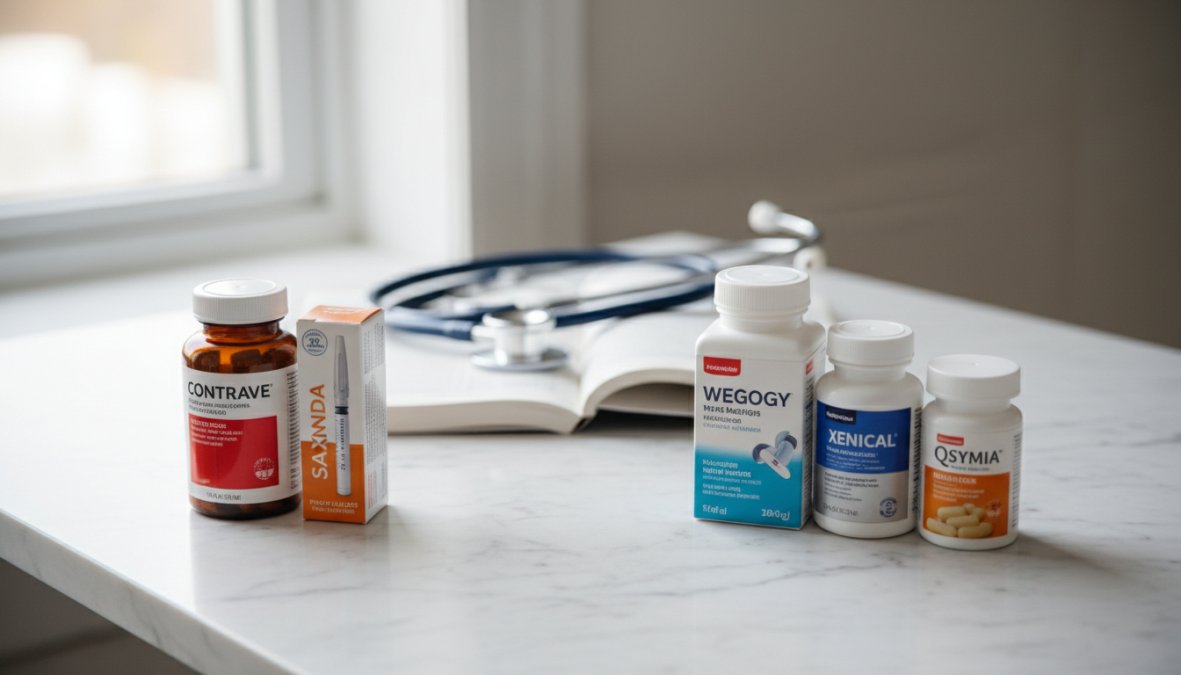
The current roster of FDA-approved weight loss medications is broader than most patients realize. Drugs fall into several categories: GLP-1 receptor agonists, sympathomimetics, combination oral pills, and lipase inhibitors. Each category works through a different mechanism and suits different patient profiles.
| Medication | Type | Form | Key Use Case |
|---|---|---|---|
| Semaglutide (Wegovy) | GLP-1 agonist | Injectable | Obesity, long-term weight management |
| Tirzepatide (Zepbound) | GLP-1/GIP dual agonist | Injectable | Obesity, type 2 diabetes overlap |
| Liraglutide (Saxenda) | GLP-1 agonist | Injectable | Obesity, daily dosing |
| Phentermine (Adipex-P, Lomaira) | Sympathomimetic | Oral pill | Short-term appetite reduction |
| Phentermine-topiramate (Qsymia) | Combination | Oral pill | Long-term, higher BMI patients |
| Bupropion-naltrexone (Contrave) | Combination | Oral pill | Obesity with mood/craving component |
| Orlistat (Xenical, Alli) | Lipase inhibitor | Oral pill | Fat absorption reduction |
| Orforglipron (Foundayo) | Oral GLP-1 agonist | Oral pill | New; injectable-free GLP-1 option |
According to FDA drug approval database, each of these medications has undergone clinical trials demonstrating statistically significant weight loss compared to placebo when combined with diet and exercise.
GLP-1 Receptor Agonists: Semaglutide, Tirzepatide, and Liraglutide
GLP-1 receptor agonists work by mimicking the hormone glucagon-like peptide-1, which stimulates insulin release, slows gastric emptying, and signals satiety to the brain. The result is reduced appetite and lower caloric intake without the stimulant effects of older drug classes.
Semaglutide (Wegovy) is currently the most prescribed injectable weight loss medication in the U.S. It is administered once weekly and has shown substantial long-term weight loss in clinical trials. Ozempic is the same active ingredient at different dosages, approved for type 2 diabetes rather than weight management.
Tirzepatide (Zepbound) targets both GLP-1 and GIP receptors, making it a dual agonist. Clinical data suggests it produces greater average weight loss than semaglutide alone, though head-to-head patient outcomes vary. It is also once-weekly injectable.
Liraglutide (Saxenda) was the first GLP-1 approved specifically for weight management. It requires daily injection, which reduces adherence for some patients compared to weekly options.
Oral Pills: Phentermine, Qsymia, Contrave, and Orlistat
Oral options remain widely prescribed, particularly for patients who prefer to avoid injectable medications.
Phentermine (sold as Adipex-P and Lomaira) is a sympathomimetic that suppresses appetite by affecting the central nervous system. It is typically prescribed for short-term use (up to 12 weeks) and is one of the most commonly prescribed weight loss medications in the U.S. due to its low cost and established track record.
Phentermine-topiramate (Qsymia) combines appetite reduction with a seizure/migraine medication that independently contributes to weight loss. It is approved for longer-term use and tends to produce greater weight loss than phentermine alone.
Bupropion-naltrexone (Contrave) targets the brain’s reward pathways, reducing food cravings and emotional eating. It is particularly relevant for patients whose weight gain is tied to compulsive eating patterns.
Orlistat (Xenical, Alli) works differently from all others. It blocks intestinal lipase, preventing roughly a third of dietary fat from being absorbed. It requires consistent dietary fat restriction to avoid significant GI side effects.
Newest Options: Foundayo (Orforglipron) and What’s Coming
Orforglipron, branded as Foundayo, represents a meaningful shift: it is the first oral GLP-1 receptor agonist approved for weight management. Previous GLP-1 drugs required injection because the peptide molecule degrades in the stomach. Orforglipron uses a small-molecule formulation that survives oral delivery.
This matters for patient access. Injectable medications carry adherence barriers, cost barriers, and supply chain vulnerabilities. An oral GLP-1 option expands the eligible patient pool considerably. As documented in New England Journal of Medicine clinical research, oral GLP-1 formulations have shown promising efficacy in clinical trials, though long-term real-world data is still accumulating.
How Each Weight Loss Medication Works
The mechanism behind a prescription weight loss drug determines both its effectiveness and its side effect profile. Understanding this helps patients set realistic expectations.
GLP-1 receptor agonists (semaglutide, tirzepatide, liraglutide, orforglipron): These drugs slow gastric emptying, which means food stays in your stomach longer. They also act on the hypothalamus to reduce appetite signals. The result is that patients feel full faster and stay full longer. Tirzepatide’s additional GIP receptor activity also improves insulin sensitivity and may affect fat metabolism directly.
Sympathomimetics (phentermine, diethylpropion): These stimulate the release of norepinephrine in the brain, which suppresses appetite. They are structurally related to amphetamines, which is why they are controlled substances and why they carry cardiovascular cautions.
Combination pills (Qsymia, Contrave): Each pairing targets multiple pathways simultaneously. Qsymia combines appetite suppression with a mechanism that independently reduces caloric intake. Contrave targets the hypothalamus and mesolimbic reward system, reducing both hunger and cravings.
Lipase inhibitors (Orlistat): Rather than affecting the brain, Orlistat works locally in the gut. It blocks the enzyme that breaks down dietary fat, so unabsorbed fat passes through the digestive system. This is effective but requires dietary discipline to avoid uncomfortable GI effects.
Key TakeawayThe right medication is not always the one with the highest average weight loss in clinical trials. It is the one that matches your physiology, your lifestyle, your comorbidities, and your tolerance for side effects. That determination requires a real conversation with a healthcare professional.
Weight Loss Medication Side Effects: What to Expect and How to Manage Them
Side effects are the number one reason patients discontinue weight loss prescriptions before seeing results. The thing nobody tells you is that most GI side effects from GLP-1 drugs are dose-dependent and temporary. Managing them is a skill, not a matter of luck.
Practical Tips for Managing Nausea, GI Issues, and Other Common Reactions
GLP-1 medications (semaglutide, tirzepatide, liraglutide):
The most common side effects are nausea, vomiting, diarrhea, and constipation. These are most intense during dose escalation. Practical management:
- Eat smaller meals, slowly. GI symptoms worsen when the stomach is overfilled while gastric emptying is already slowed.
- Avoid high-fat, high-sugar meals immediately after injection days.
- Stay hydrated. Vomiting and diarrhea create dehydration risk.
- If nausea persists beyond two weeks at a given dose, contact your provider. Dose escalation timelines can often be extended.
Phentermine and sympathomimetics:
Common side effects include dry mouth, insomnia, elevated heart rate, and increased blood pressure. Monitor blood pressure regularly. Avoid caffeine during the first weeks of use, as the combination amplifies cardiovascular stimulation.
Contrave:
Nausea is the most reported side effect, particularly in the first month. Taking Contrave with food (not high-fat meals) reduces nausea meaningfully. Contrave also carries a black box warning regarding suicidal ideation, consistent with bupropion’s antidepressant class, so mood monitoring is important.
Orlistat:
Oily stools, urgent bowel movements, and fecal incontinence are the signature side effects. These are not dangerous but are socially disruptive. The fix is straightforward: keep dietary fat below roughly 15 grams per meal. Patients who ignore this instruction experience the worst GI outcomes.
Watch OutDo not stop a GLP-1 medication abruptly because of nausea without consulting your provider first. Abrupt discontinuation often leads to rapid weight regain, and many patients who quit early could have managed through the side effects with dose adjustment.
Cost of Weight Loss Prescriptions: Brand, Generic, and Insurance
Cost is the most significant barrier to accessing weight loss meds rx for the majority of patients. Brand-name GLP-1 medications carry list prices that make them inaccessible without coverage. This is the part of the conversation most telehealth platforms gloss over.
Brand-name semaglutide (Wegovy) and tirzepatide (Zepbound) carry high monthly list prices without insurance. Generic phentermine, by contrast, is available at many pharmacies for a fraction of the cost. Orlistat has a prescription form (Xenical) and an OTC form (Alli) at lower doses.
Manufacturer Coupons, Medicare, and Ways to Lower Your Bill
Manufacturer savings programs: Both Novo Nordisk (Wegovy) and Eli Lilly (Zepbound) offer savings cards for commercially insured patients. These can reduce out-of-pocket costs substantially for eligible patients. These programs are NOT available to Medicare or Medicaid beneficiaries.
Medicare coverage: As of 2026, Medicare Part D coverage for weight loss medications remains limited. The Treat and Reduce Obesity Act has been a subject of ongoing legislative discussion, but coverage gaps persist for many Medicare beneficiaries seeking GLP-1 drugs specifically for weight management rather than diabetes.
Insurance coverage: Many commercial insurance plans now cover at least one FDA-approved weight loss medication, but prior authorization requirements are common. Your provider will typically need to document BMI, comorbidities, and failed attempts at lifestyle modification.
Compounded semaglutide: During periods of drug shortage, compounded versions became widely available. Regulatory status has shifted, and patients should verify the current FDA guidance before pursuing compounded options, as the safety and efficacy profile differs from the brand-name product.
According to GoodRx prescription pricing data, generic phentermine remains one of the most affordable weight loss prescriptions, often available for under $30 per month, making it a practical first-line option for cost-sensitive patients.

How to Get Prescription Weight Loss Pills: Step-by-Step
Getting a prescription for weight loss medication is more accessible in 2026 than it has ever been, largely due to telehealth platforms that connect patients with licensed providers online.
Here is the standard process:
- Complete a health intake form. Most telehealth providers, including Ascend Vitality, begin with a detailed questionnaire covering your BMI, medical history, current medications, and weight loss goals.
- Consult with a licensed healthcare professional. A provider reviews your intake and conducts a synchronous or asynchronous consultation to evaluate eligibility and discuss medication options.
- Receive your prescription. If approved, your prescription is sent to a pharmacy directly or dispensed through the platform’s pharmacy partner.
- Begin medication with monitoring. Most programs include follow-up check-ins to assess side effects, adjust dosage, and track progress.
- Integrate lifestyle support. Prescription medications are most effective alongside structured diet and exercise guidance.
The entire process can often be completed within 24-48 hours through a telehealth platform. In-person clinic visits typically take longer due to scheduling and lab requirements.
Ascend Vitality offers medically-supported weight loss programs with prescriptions delivered directly to you, removing the friction of in-person visits while maintaining clinical oversight.
Long-Term Success: Lifestyle Integration and Maintenance After Weight Loss Meds Rx
Here is what most weight loss medication guides get wrong: they treat the prescription as the destination. It is not. The medication is a tool that creates a window of opportunity. What you do inside that window determines whether results last.
A common mistake is relying entirely on appetite suppression without building the behavioral infrastructure to sustain lower caloric intake after medication ends. Patients who lose significant weight on GLP-1 drugs and then discontinue without lifestyle changes frequently experience substantial weight regain within months. This is not a character flaw. It reflects the physiological reality that obesity is a chronic condition, and the hormonal drivers of weight regain reassert themselves when the medication is removed.
What long-term success actually requires:
- Dietary habit formation during treatment. Use the reduced appetite as an opportunity to establish portion control habits, not just to eat less passively.
- Strength training. Weight loss from GLP-1 medications includes lean muscle mass loss. Resistance training preserves muscle and supports metabolic rate.
- Sleep and stress management. Cortisol and sleep deprivation both drive appetite hormones. Addressing these factors improves medication efficacy and long-term maintenance.
- Planned medication transitions. Some patients remain on medication long-term. Others taper. This decision should be made proactively with a provider, not reactively when supply or cost issues arise.
The mental health dimension also matters. Significant weight loss changes body image, social dynamics, and self-perception in ways patients rarely anticipate. Working with a therapist or counselor during and after treatment is underutilized but meaningfully improves long-term outcomes.
As noted by Obesity Medicine Association clinical guidelines, obesity is a chronic, relapsing condition that often requires long-term medical management rather than short-term intervention. That framing changes how patients and providers approach the post-medication phase.
The hardest part of pursuing weight loss meds rx is not finding the options. It is finding a care pathway that treats you as a whole patient rather than a prescription transaction. Ascend Vitality connects patients with specialized care pathways that include medically-supported weight loss programs, licensed provider consultations, and prescriptions delivered directly to you. If you are ready to move past generic advice and into a structured, clinically supervised plan, get started with Ascend Vitality and take the first step toward sustainable weight management.
Frequently Asked Questions
What are the strongest prescription weight loss medications available?
Among current weight loss meds rx, GLP-1 receptor agonists like Semaglutide (Wegovy) and Tirzepatide (Zepbound) tend to produce the most significant weight loss in clinical trials, often exceeding 15-20% of body weight. Injectable medications in this class work by stimulating insulin release, reducing appetite, and slowing digestion. That said, ‘strongest’ depends on your health profile, so a healthcare professional should guide your choice.
What are the common side effects of weight loss medication?
Weight loss medication side effects vary by drug class. GLP-1 receptor agonists like Liraglutide and Semaglutide commonly cause nausea, vomiting, and constipation, especially early on. Sympathomimetics like Phentermine may raise heart rate and blood pressure. Orlistat (Xenical, Alli) causes GI issues related to fat malabsorption. Most side effects are manageable with dosage adjustments and dietary changes, but always discuss concerns with your healthcare professional.
How much do prescription weight loss medications cost, and is insurance coverage available?
The cost of weight loss prescriptions varies widely. Brand-name injectables like Wegovy or Zepbound can exceed $1,000 per month without coverage. Older oral options like generic Phentermine or Orlistat (Alli) are far more affordable, sometimes under $50 monthly. Insurance coverage depends on your plan and diagnosis. Medicare Part D generally does not cover weight loss drugs, though this may evolve. Manufacturer coupons and telehealth programs can meaningfully reduce out-of-pocket costs.
How do I qualify for prescription weight loss pills?
Most FDA-approved weight loss drugs require a BMI of 30 or higher, or a BMI of 27 or higher with at least one weight-related condition such as high blood pressure, diabetes, or high cholesterol. A healthcare professional will evaluate your medical history, current medications, and overall metabolic health before prescribing. Telehealth platforms now make it easier to start this process online, often with same-week consultations available.
How long do you typically take weight loss meds rx?
Weight loss meds rx are often prescribed for long-term use, not just a short course. Many patients take GLP-1 medications like Semaglutide or Tirzepatide indefinitely to maintain results, since weight can return after stopping. Sympathomimetics like Phentermine are typically approved for short-term use only, usually up to 12 weeks. Your healthcare professional will help determine the right duration based on your progress, tolerability, and long-term weight management goals.