
Table of Contents
- What Is NAD IV Therapy and Why Does It Matter?
- What to Expect During NAD IV Treatment: A Step-by-Step Walkthrough
- Preparing for NAD IV Infusion: What to Do Before Your Appointment
- NAD IV Infusion Duration: How Long Does Each Session Take?
- Benefits of NAD IV Therapy: What Systemic Delivery Actually Does
- NAD IV Therapy Side Effects: What to Know Before You Sit in the Chair
- What to Expect After NAD IV Treatment: Recovery and Post-Infusion Protocols
- How Often Should You Get NAD IV Therapy? Frequency and Scheduling
- Cost-Benefit Analysis: Is NAD IV Therapy Worth the Investment?
- Conclusion
Last Updated: June 17, 2026
Knowing what to expect during NAD IV treatment makes the difference between walking into a clinic with confidence and spending two hours in a recliner feeling anxious about every sensation. At Ascend Vitality, we’ve guided patients through this process and seen firsthand how preparation shapes the entire experience. NAD+ IV therapy delivers Nicotinamide Adenine Dinucleotide directly into the bloodstream, bypassing the digestive system entirely for near-complete bioavailability. Below, we’ll walk you through every stage, from your intake call to post-infusion recovery, including the side effects most clinics gloss over and the contraindications they rarely mention.
Here’s what most guides get wrong: they focus on the benefits and skip the uncomfortable middle part. The infusion can produce real physical sensations, the sessions run longer than most people expect, and the frequency protocol matters more than any single session. Get those details right first, and the rest falls into place.
What Is NAD IV Therapy and Why Does It Matter?
Nicotinamide Adenine Dinucleotide (NAD+) is a coenzyme found in every living cell, essential for ATP production, DNA repair, and mitochondrial function. As a natural consequence of aging, stress, and metabolic strain, NAD+ levels decline, contributing to cognitive decline, reduced cellular repair capacity, and increased oxidative stress.
NAD+ IV therapy is an intravenous infusion that delivers this coenzyme directly into the bloodstream, achieving systemic delivery that oral supplements cannot replicate. Because NAD+ is poorly absorbed through the gut, intravenous infusion is considered the most direct route for raising cellular concentrations meaningfully.
The clinical interest in this therapy centers on several mechanisms. NAD+ activates sirtuins, proteins involved in metabolic health and longevity signaling. It supports the repair of damaged DNA strands. It feeds the mitochondria, the energy-producing structures in cells, directly through the ATP production cycle. Practitioners in regenerative medicine use it for everything from anti-aging protocols to cognitive support and addiction recovery.
According to research published in the National Library of Medicine on NAD+ metabolism, NAD+ depletion is associated with multiple age-related conditions, supporting the rationale for supplementation strategies that prioritize systemic delivery over oral routes.
The therapy sits at the intersection of wellness clinic practice and emerging regenerative medicine science. It is not a pharmaceutical drug in the traditional sense, but it is a medical procedure requiring proper clinical oversight, which is why intake, medical clearance, and monitoring are non-negotiable parts of the process.
What to Expect During NAD IV Treatment: A Step-by-Step Walkthrough
Understanding what to expect during NAD IV treatment starts with recognizing that this is a three-phase process, not a single event. The intake and clearance phase, the infusion itself, and the post-infusion period each carry distinct considerations.
Step 1: Intake, Telemedicine Visit, and Medical Clearance
Most reputable clinics begin with a telemedicine visit conducted by a nurse practitioner or physician before any infusion is scheduled. This call covers your health history, current medications, and goals for therapy. It is not a formality. The practitioner is screening for contraindications, assessing kidney and liver function markers, and determining your appropriate starting dose.
Expect to discuss:
- Current prescription medications and supplements
- History of kidney disease, liver conditions, or cardiovascular issues
- Any prior reactions to IV therapies
- Goals: cognitive support, anti-aging, energy, recovery from substance use
Medical clearance typically takes 24 to 72 hours after the telemedicine visit. Some clinics require recent bloodwork; others order it as part of onboarding. Either way, arriving without clearance means no infusion that day.
Step 2: Catheter Placement and Vital Signs Check
Once you arrive at the clinic, a registered nurse will take your vital signs: blood pressure, heart rate, oxygen saturation, and temperature. This baseline check matters because NAD+ infusions can affect cardiovascular response, particularly at higher doses.
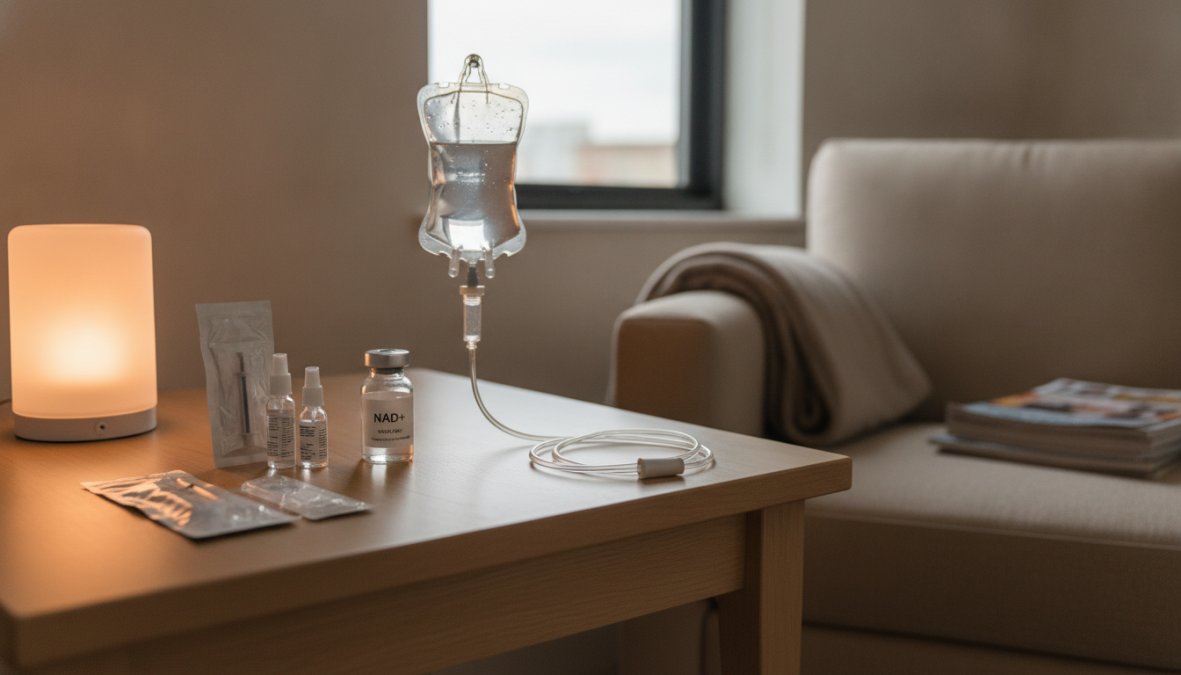
Catheter placement follows. A small IV catheter is inserted, typically into a vein in the forearm or the back of the hand. The injection site is cleaned, the catheter is secured, and the IV line is connected to the infusion bag. Most patients report mild discomfort during placement, comparable to a standard blood draw.
Step 3: The Infusion Itself, Sensations and Monitoring
This is where what to expect during NAD IV treatment gets more specific than most guides admit. NAD+ infusions produce noticeable physical sensations, especially at higher doses or faster infusion rates. Common experiences include:
- A tightening or pressure sensation in the chest (not cardiac in origin, but worth reporting)
- Nausea, particularly in the first 30 to 60 minutes
- A warm or flushing sensation in the face and extremities
- Mild headache or behind-the-eyes pressure
- Increased heart rate
The registered nurse or nurse practitioner will monitor you throughout. If sensations become uncomfortable, the infusion rate is reduced. This is standard practice, not a sign that something is wrong.
Preparing for NAD IV Infusion: What to Do Before Your Appointment
Preparing for NAD IV infusion properly reduces side effect severity and improves how you feel during the session. Most patients who experience significant nausea either skipped eating beforehand or arrived dehydrated.
The pre-infusion checklist:
- Eat a light, balanced meal 1 to 2 hours before your appointment. An empty stomach amplifies nausea.
- Hydrate aggressively for 24 hours prior. Dehydration makes catheter placement harder and intensifies flushing sensations.
- Avoid alcohol for at least 48 hours before the session.
- Hold high-dose caffeine on the day of treatment. Caffeine can heighten heart rate sensitivity during the infusion.
- Wear comfortable, loose-fitting clothing with easy access to your forearms.
- Bring headphones, a book, or anything that helps you sit still for 2 to 4 hours.
- Disclose all supplements and medications to your practitioner before the day of infusion, not at the last minute.
Bring a small snack to consume midway through if your session runs longer than two hours. Mild blood sugar dips during extended infusions can compound nausea and fatigue. Crackers or a banana work well.
The thing nobody tells you about NAD IV infusion preparation is that mental readiness matters as much as physical prep. Patients who understand the expected sensations in advance tolerate them significantly better than those who are caught off guard by chest tightness or flushing.
NAD IV Infusion Duration: How Long Does Each Session Take?
NAD IV infusion duration ranges from 1.5 hours to 8 hours per session, depending on the dose and whether you are on a loading protocol or a maintenance schedule. That range is not a typo, and it is the detail that surprises most new patients.
Lower-dose maintenance sessions (typically 250 mg) run 1.5 to 2.5 hours. Standard therapeutic doses (500 mg) typically require 3 to 4 hours. High-dose loading infusions (750 mg to 1,000 mg) can run 6 to 8 hours and are usually split across consecutive days.
The infusion rate is the controlling variable. NAD+ must be administered slowly because rapid delivery intensifies side effects, particularly nausea and chest pressure. Clinics that push the rate to shorten sessions are trading patient comfort for throughput. A reputable clinic will slow the drip if you report discomfort, even if it extends your time in the chair.
Loading Dose vs. Maintenance Dose: Why Duration Changes Over Time
The distinction between a loading dose and a maintenance dose is central to understanding the full NAD IV treatment protocol.
A loading dose is a series of consecutive or closely spaced high-dose infusions designed to rapidly restore NAD+ levels in cells that have been depleted. This phase typically involves 4 to 10 sessions over 2 to 3 weeks, often at doses of 500 mg to 1,000 mg per session. Loading dose sessions are longer and more intense, with higher likelihood of side effects.
A maintenance dose follows the loading phase. Once cellular NAD+ levels are replenished, the goal shifts to sustaining those levels. Maintenance sessions are shorter, less frequent, and typically lower in dose. Many patients settle into a monthly or quarterly maintenance rhythm after completing their initial loading series.
The clinical rationale mirrors how other nutrient-repletion therapies work: you saturate first, then maintain. Skipping the loading phase and jumping straight to monthly maintenance doses is a common mistake that produces underwhelming results and leads patients to dismiss the therapy prematurely.
Loading dose sessions are longer and more intense by design. Expecting a 90-minute session when you are in the loading phase will set you up for frustration. Plan your schedule around 3 to 4 hour blocks for the first two to three weeks.
Benefits of NAD IV Therapy: What Systemic Delivery Actually Does
The case for intravenous delivery over oral supplementation rests on bioavailability. Oral NAD+ precursors like NMN and NR must survive digestion, be absorbed through the gut wall, and be converted before reaching target tissues. IV infusion bypasses all of that, delivering the coenzyme directly into circulation.
Reported and researched benefits of NAD+ IV therapy include:
- Cognitive support: Patients commonly report reduced brain fog and improved mental clarity, consistent with NAD+’s role in neuronal energy metabolism.
- Energy and metabolic health: Improved ATP production translates to reduced fatigue, particularly in patients with mitochondrial dysfunction.
- Anti-aging effects: NAD+ activates sirtuins and supports cell turnover, which are mechanisms associated with longevity research.
- DNA repair: NAD+ is a required substrate for PARP enzymes, which repair damaged DNA strands.
- Stress resilience: Adequate NAD+ levels support the body’s response to oxidative stress.
- Addiction recovery support: Some clinical programs use high-dose NAD+ infusions as part of detox protocols, citing its role in neurotransmitter balance.
As documented in Cleveland Clinic’s overview of NAD+ and aging research, the relationship between NAD+ levels and age-related decline has generated significant scientific interest, with researchers exploring IV delivery as a way to achieve therapeutic concentrations that oral routes cannot match.
A common mistake is expecting dramatic results from a single session. The benefits of NAD+ IV therapy accumulate over a series of infusions, particularly during the loading phase. Patients who complete a full loading series consistently report more pronounced effects than those who try one or two sessions and stop.
NAD IV Therapy Side Effects: What to Know Before You Sit in the Chair
Most wellness clinic content buries the side effects section or frames it so gently that patients arrive unprepared. Here is a direct account.
Common side effects during infusion:
- Nausea (most frequent, especially at higher doses)
- Headache or pressure behind the eyes
- Chest tightness or pressure (not cardiac, but uncomfortable)
- Flushing and warmth in the face and limbs
- Increased heart rate
- Fatigue during or immediately after the session
- Injection site reaction: bruising, soreness, or mild swelling
Less common but reported:
- Dizziness or lightheadedness
- Cramping in the arms or legs
- Temporary worsening of anxiety in sensitive individuals
The intensity of side effects correlates directly with infusion rate. Slower drip equals fewer symptoms. Most experienced clinics titrate the rate based on real-time patient feedback.

Do not dismiss chest tightness as something to push through without telling your nurse. While NAD+-related chest pressure is typically benign and resolves when the infusion rate slows, it must be reported immediately so clinical staff can assess and adjust. Staying silent to avoid “being a problem” is a real risk.
Contraindications and Drug Interactions Clinics Rarely Mention
This is the section most clinic websites skip entirely, and it is arguably the most important for patient safety.
Absolute and relative contraindications to discuss with your provider:
- Active cancer (NAD+ supports cell turnover and proliferation, which may be contraindicated in oncology patients)
- Severe kidney disease or impaired renal function (high-dose NAD+ generates metabolic byproducts requiring renal clearance)
- Pregnancy and breastfeeding (insufficient safety data)
- History of manic episodes or bipolar disorder (some patients report mood activation)
- Active hypotension (the infusion can cause blood pressure fluctuation)
Drug interactions worth raising with your prescribing provider:
- PARP inhibitors (used in cancer treatment): NAD+ is a substrate for PARP enzymes; concurrent use may affect therapeutic balance
- Niacin-based medications: additive flushing and cardiovascular effects
- Blood pressure medications: monitor for additive hypotensive effects during infusion
According to information on NAD+ pharmacology from the National Institutes of Health, the metabolic pathways involved in NAD+ synthesis and degradation intersect with several pharmaceutical mechanisms, underscoring why a thorough medication review before infusion is not optional.
The telemedicine intake visit exists precisely to surface these issues. Be thorough during that call.
What to Expect After NAD IV Treatment: Recovery and Post-Infusion Protocols
Post-infusion recovery is where most patient guides go completely silent, and it is a genuine gap. Knowing what to expect after NAD IV treatment prevents unnecessary alarm and helps you get the most from each session.
Immediate post-infusion (first 2 hours):
Most patients feel one of two things: a wave of calm clarity, or a moderate fatigue that sets in within 30 to 60 minutes of completing the drip. Both are normal. The fatigue response is more common after high-dose loading sessions and reflects the metabolic work the cells are doing with the newly delivered coenzyme.
Post-infusion protocol recommendations:
- Hydrate immediately. Drink 16 to 24 oz of water before leaving the clinic. Continue hydrating for the rest of the day.
- Avoid strenuous exercise for 4 to 6 hours. Light walking is fine. Intense training can amplify fatigue and delay recovery.
- Eat a protein-rich meal within 2 hours. This supports the metabolic processes activated by the infusion.
- Limit alcohol for 24 hours post-infusion. Alcohol depletes NAD+ and directly undermines the therapy.
- Prioritize sleep the night after. Many patients report deeper sleep following NAD+ infusions, which is consistent with its role in circadian rhythm regulation.
- Note your response. Track energy, mood, cognitive clarity, and sleep quality for 48 to 72 hours. This data helps your practitioner optimize future dosing.
The real difference between patients who get lasting benefit and those who feel underwhelmed often comes down to post-infusion behavior. Treating the 24 hours after an infusion as a recovery window, rather than a return to normal activity, compounds the therapeutic effect.
How Often Should You Get NAD IV Therapy? Frequency and Scheduling
Frequency depends entirely on where you are in your protocol. There is no universal answer, and any clinic that gives you a one-size-fits-all schedule without reviewing your health history should prompt skepticism.
General frequency guidelines:
| Protocol Phase | Typical Frequency | Session Duration | Dose Range |
|---|---|---|---|
| Loading phase | Daily or every other day | 3 to 8 hours | 500 to 1,000 mg |
| Transition phase | Weekly | 2 to 4 hours | 250 to 500 mg |
| Maintenance phase | Monthly or quarterly | 1.5 to 2.5 hours | 250 mg |
| Acute need (illness, stress) | As directed | 2 to 3 hours | 250 to 500 mg |
Most practitioners recommend completing a full loading series before assessing long-term frequency. Patients who try to jump straight to quarterly maintenance without loading often report minimal benefit, then conclude the therapy does not work for them.
The honest answer on frequency: the loading phase is an investment. It is time-intensive and more expensive upfront. The payoff is that maintenance sessions are shorter, less frequent, and produce more consistent results because cellular NAD+ levels are already elevated.
Cost-Benefit Analysis: Is NAD IV Therapy Worth the Investment?
Many people weighing NAD+ IV therapy experience sticker shock before they understand what they are actually buying. A single session at a wellness clinic typically ranges from several hundred to over a thousand dollars, with loading series packages running into the thousands. Those numbers deserve honest context.
The cost side of the equation:
The price reflects several real factors: pharmaceutical-grade NAD+, clinical oversight by a registered nurse or nurse practitioner, the time investment of a 2 to 8 hour monitored infusion, and the infrastructure of a licensed clinic. This is not a supplement purchased online. It is a medical procedure with clinical labor built in.
The benefit side:
The question is not whether NAD+ does something, but whether the magnitude of effect justifies the cost for your specific situation. Patients using NAD+ IV therapy for cognitive decline support, post-addiction recovery, or significant metabolic health concerns tend to report the strongest subjective benefit. Patients seeking general wellness optimization with no specific deficit may see more modest returns.
Practical cost-benefit framework:
- If you have a specific, identifiable deficit (fatigue, cognitive fog, post-addiction recovery), the loading series is likely worth completing fully before assessing value.
- If your goal is general anti-aging or vibrancy maintenance, maintenance-phase dosing at lower frequency may deliver adequate benefit at a fraction of the loading-phase cost.
- Compare the cost against the alternatives you are already spending on: supplements, other IV therapies, specialist visits. NAD+ IV therapy often consolidates multiple interventions.
As noted in Harvard Health Publishing’s coverage of NAD+ research and aging, the science supporting NAD+ supplementation is genuinely promising but still maturing. Informed patients who enter therapy with realistic expectations and a clear health rationale are best positioned to assess whether the investment is returning value for them.
Ask your clinic about package pricing for loading series. Most clinics offer meaningful discounts when you commit to a full loading protocol upfront rather than booking session by session. The per-session cost on a 5 to 10 session package is often 20 to 30 percent lower than single-session rates.
Conclusion
Understanding what to expect during NAD IV treatment, from intake through recovery, is the foundation of a productive therapy experience. The patients who benefit most are those who complete the loading protocol, manage post-infusion recovery intentionally, and work with a provider who takes contraindications and drug interactions seriously.
Frequently Asked Questions
How does NAD IV therapy feel during the infusion?
Most people describe a warming or flushing sensation, mild chest tightness, or a feeling of pressure as the infusion runs. These sensations are typically tied to the infusion rate, slowing the drip usually reduces them quickly. Some patients also notice a temporary increase in energy or mental clarity mid-session. Discomfort is generally manageable and not a sign that something is wrong, but you should always tell your nurse or nurse practitioner if anything feels unusual.
How long does an NAD IV treatment take?
NAD IV infusion duration varies depending on your dose and where you are in your protocol. A loading dose session, typically used in the first week, can run anywhere from two to four hours per infusion. Maintenance dose sessions are usually shorter, often one to two hours. The infusion rate is deliberately kept slow to minimize side effects like nausea and headache, which is the primary reason sessions take longer than a standard IV drip.
What are the common side effects of NAD IV therapy?
The most frequently reported NAD IV therapy side effects include nausea, headache, flushing, chest tightness, and fatigue during or shortly after the infusion. Injection site reactions such as mild bruising or soreness are also possible. These effects are often dose-dependent and infusion-rate-dependent, meaning they tend to ease when the drip is slowed. Serious adverse events are rare but possible, which is why medical oversight from a registered nurse or nurse practitioner is considered standard practice.
How many NAD IV sessions do I need to see results?
Most wellness clinic protocols recommend starting with a loading dose series of four to ten sessions over one to two weeks, followed by periodic maintenance doses. Some people notice improvements in energy, mental clarity, and stress resilience within the first few sessions, while others require the full loading series before noticing a meaningful shift. Individual results vary based on baseline health, metabolic health status, age, and the specific goals, such as cognitive decline support, anti-aging, or recovery, that prompted treatment.
Is NAD IV therapy painful?
The catheter insertion involves a brief pinch similar to any standard blood draw, and most patients find it tolerable. The infusion itself is not typically painful, though some people experience uncomfortable sensations, like pressure or nausea, if the infusion rate is too fast. These are managed by adjusting the drip speed. Patients with a history of difficult IV access may experience more discomfort at the injection site, but this is unrelated to the NAD+ itself.
How do I feel after an NAD IV drip?
Post-infusion experiences vary widely. Some patients feel an immediate boost in energy and mental clarity, while others feel temporarily fatigued and need a few hours of rest, especially after a high-dose loading session. Staying well hydrated, eating a light meal, and avoiding strenuous exercise for the rest of the day are commonly recommended post-infusion recovery steps. Most people report feeling noticeably better by the following morning, with cumulative improvements building across multiple sessions.
Managing your health at this level requires a care pathway that combines clinical expertise with genuine accessibility. Ascend Vitality connects you with medically-supported programs, targeted online care, and prescriptions delivered directly to you, so the logistics of your health never become the barrier to progress. Get started with Ascend Vitality and access the specialized care pathways your health goals actually require.