Last Updated: April 19, 2026
Sermorelin Guide: Dosage, Benefits, and Side Effects
According to FormBlends Sermorelin research overview, Sermorelin increases natural growth hormone production by 200-300% through pituitary stimulation, making it one of the most studied peptide therapies for age-related hormone decline. This sermorelin guide covers everything practitioners and patients need to know before starting therapy. At Ascend Vitality, we track the latest protocols, dosing research, and safety data to help you make an informed decision. The landscape around growth hormone support has shifted considerably, and sermorelin sits at the center of that shift.
- Sermorelin stimulates your pituitary gland to produce more growth hormone naturally, rather than replacing it
- Standard starting dose is 0.2 mg (200 mcg) nightly via subcutaneous injection
- Quality therapy runs approximately $175-$225 monthly through telehealth providers
- Most side effects are mild and injection-site related
- Best candidates are adults with confirmed GH deficiency or age-related decline
What Is Sermorelin? Your Sermorelin Guide Starts Here
Sermorelin is a synthetic peptide analog of growth hormone-releasing hormone (GHRH) that stimulates the pituitary gland to produce and secrete growth hormone naturally. Rather than introducing exogenous HGH directly into the body, sermorelin works upstream by binding to GHRH receptors on the pituitary gland, triggering the same pulsatile GH release pattern the body used during youth. This distinction matters more than most guides acknowledge.
The peptide consists of 29 amino acids, representing the biologically active fragment of the naturally occurring 44-amino acid GHRH. That truncated structure retains full receptor-binding activity while offering a cleaner pharmacokinetic profile than full-length GHRH analogs.
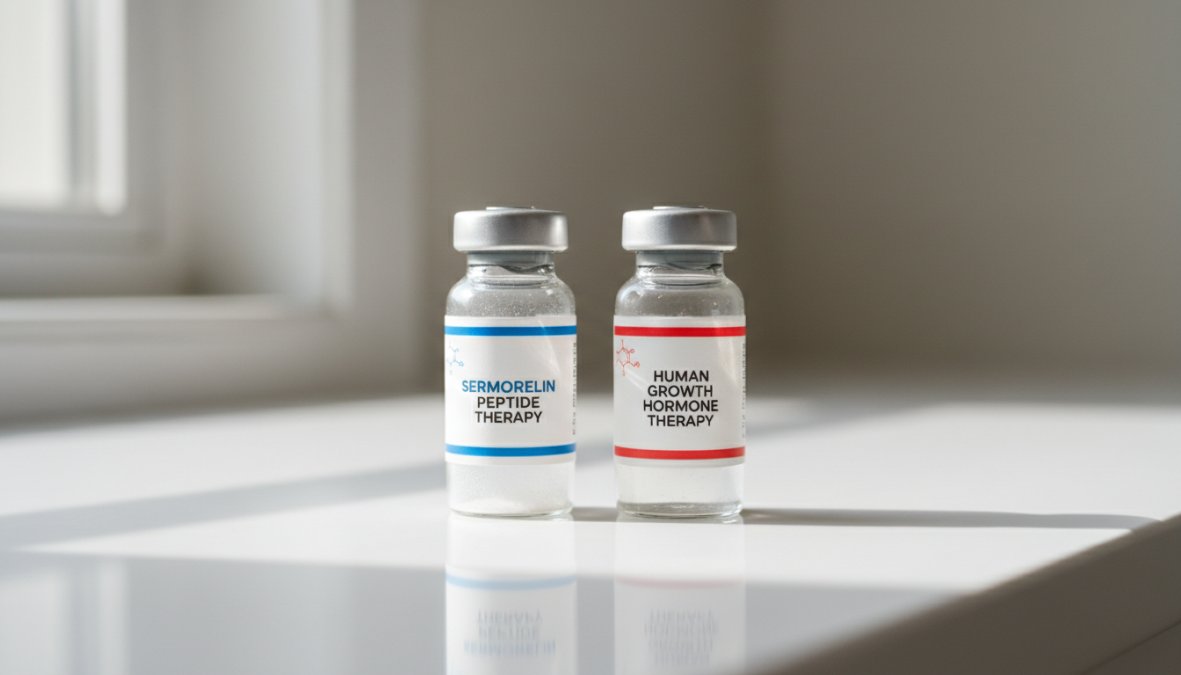
As documented in The IV Hub Wellness sermorelin therapy guide, sermorelin acts as a direct substitute for declining GHRH, binding to the same pituitary receptors and effectively restoring the youthful, pulsatile release of growth hormone. This is not a workaround. It is the actual physiological mechanism.
Growth hormone production begins declining around age 30, dropping progressively through subsequent decades. Sermorelin therapy targets that root cause rather than masking it with synthetic hormone replacement.
How Sermorelin Stimulates the Pituitary Gland
The hypothalamus produces GHRH naturally, which travels to the anterior pituitary and triggers GH secretion. As the body ages, this signaling weakens. Sermorelin steps in as a functional GHRH substitute, binding to the same GHRH receptors on somatotroph cells in the pituitary.
The result is a dose-dependent increase in GH pulse amplitude and frequency. Critically, the pituitary’s own negative feedback mechanisms remain intact. When IGF-1 levels rise sufficiently, the pituitary self-regulates, which is a safety feature absent in direct HGH administration.
This pulsatile release pattern is not a cosmetic detail. Physiological GH secretion happens in pulses, primarily during slow-wave sleep. Sermorelin preserves that rhythm.
The Role of IGF-1 and the GHRH Pathway
IGF-1 (Insulin-like Growth Factor 1) is the primary downstream mediator of growth hormone’s anabolic effects. After sermorelin stimulates GH release from the pituitary, the liver converts that GH into IGF-1, which then drives tissue repair, lean muscle synthesis, fat metabolism, and collagen production.
Monitoring IGF-1 levels is standard practice in sermorelin therapy protocols. Clinicians use baseline and follow-up IGF-1 measurements to assess response and adjust dosage. This makes sermorelin therapy measurable in a way that many wellness interventions are not.
The full GHRH pathway runs: hypothalamus signals → pituitary releases GH → liver converts to IGF-1 → tissues respond. Sermorelin intervenes at step one, which keeps the entire downstream cascade physiologically intact.
Key Benefits of Sermorelin Therapy
The benefits of sermorelin therapy are not theoretical. They follow directly from elevated GH and IGF-1 activity, which have well-characterized effects on body composition, sleep architecture, metabolic rate, and tissue repair. What stands out in the clinical picture is how broad the downstream effects are from a single upstream intervention.
Body Composition: Fat Loss and Lean Muscle Mass
Growth hormone is lipolytic, meaning it directly stimulates the breakdown of stored fat for energy. Elevated GH levels shift the body toward preferential fat oxidation, particularly visceral fat. Simultaneously, higher IGF-1 supports protein synthesis and lean muscle mass preservation, especially in combination with resistance training.
Patients on sermorelin therapy commonly report measurable improvements in body composition within three to six months. The changes tend to be gradual compared to direct HGH administration, which reflects sermorelin’s gentler, physiological mechanism.
Key Takeaway
Sermorelin’s body composition benefits compound over time. The first 90 days typically show sleep and energy improvements; noticeable changes in fat loss and lean muscle mass often become apparent between months three and six.
Sleep Quality, Energy Levels, and Anti-Aging Effects
The timing of sermorelin administration, specifically nightly dosing, is not arbitrary. The largest natural GH pulse occurs during slow-wave sleep, and sermorelin amplifies that pulse when administered just before bed. Improved sleep architecture is frequently the first benefit patients notice, often within the first two to four weeks.
From there, the downstream effects accumulate. Better sleep improves cortisol regulation, which supports energy levels throughout the day. Higher IGF-1 promotes collagen production, which has measurable effects on skin elasticity and joint tissue quality. These are the mechanisms behind sermorelin’s reputation as an anti-aging therapy.
The energy improvements are real, but they are not stimulant-driven. They reflect better hormonal baseline and improved sleep quality, which is a meaningful distinction for patients managing adrenal fatigue or chronic stress.
Sermorelin Dosage: Protocols, Timing, and Reconstitution
Standard sermorelin dosage begins at 0.2 mg (200 mcg) administered subcutaneously once nightly, just before sleep. According to Travex Inc sermorelin dosage protocol guide, this timing aligns with the natural GH pulse during slow-wave sleep and represents the consensus starting point across most clinical protocols.
Dosage is always individualized. Based on guidance from Good Life Meds [sermorelin therapy(/product/sermorelin/) guide | goodlifemeds.com], the therapeutic range typically spans 0.2 to 0.3 mg per day, adjusted based on age, weight, baseline IGF-1 levels, and treatment goals. Some protocols titrate upward after 4-6 weeks if response is insufficient.
Sermorelin Dosage Reference Chart:
| Patient Profile | Starting Dose | Typical Range | Timing |
|---|---|---|---|
| Adult, general wellness | 200 mcg | 200-300 mcg/day | Nightly, before bed |
| Adult, GH deficiency | 200 mcg | 200-300 mcg/day | Nightly, empty stomach |
| Older adult (60+) | 100-200 mcg | 200 mcg/day | Nightly, clinician-guided |
| Titration phase | 200 mcg | Adjust at 4-6 weeks | Based on IGF-1 response |
Dosing must be supervised by a licensed clinician. Self-adjusting without lab monitoring risks either insufficient response or excess IGF-1, both of which undermine the therapy’s purpose.
How to Reconstitute Sermorelin with Bacteriostatic Water
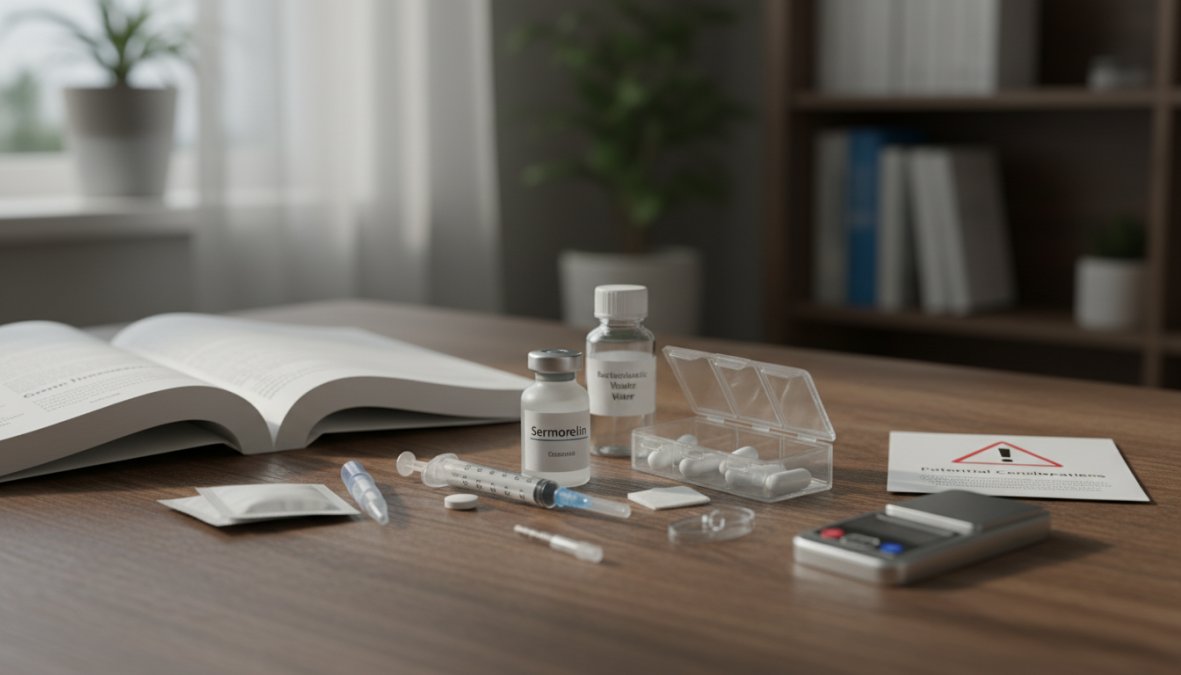
Sermorelin arrives as a lyophilized (freeze-dried) powder in a sealed vial. Reconstitution requires bacteriostatic water, which contains 0.9% benzyl alcohol to prevent bacterial contamination across multiple uses.
Reconstitution steps:
- Allow the sermorelin vial to reach room temperature before opening
- Clean the rubber stopper of both vials with an alcohol swab and allow to dry
- Draw the prescribed volume of bacteriostatic water into the syringe slowly
- Inject the bacteriostatic water into the sermorelin vial by directing the stream along the glass wall, not directly onto the powder
- Gently swirl the vial until the powder fully dissolves; do not shake
- Label the vial with the reconstitution date and concentration
- Store reconstituted sermorelin refrigerated at 2-8°C; use within 30 days
Watch Out
Never shake a reconstituted peptide vial. Agitation degrades the peptide chain and reduces potency. Swirl gently until clear, then refrigerate immediately.
Subcutaneous Injection Technique and Nightly Timing
Subcutaneous (SubQ) injection delivers sermorelin into the fatty tissue just beneath the skin, typically in the abdomen, outer thigh, or back of the upper arm. This is not an intramuscular injection (IM); the needle angle is approximately 45 degrees using a short, fine-gauge insulin syringe.
The injection should be administered at least one hour after the last meal. Elevated insulin from recent food intake blunts GH release, which directly undermines sermorelin’s mechanism. An empty stomach at injection time is not optional protocol; it is the difference between a functional dose and a wasted one.
Rotate injection sites with each dose to minimize localized tissue irritation and lipohypertrophy.
Sermorelin vs HGH: Which Is Right for You?
The sermorelin vs HGH comparison comes down to mechanism, safety profile, cost, and regulatory access. Synthetic HGH (recombinant human growth hormone, or rhGH) bypasses the pituitary entirely and delivers exogenous growth hormone directly. Sermorelin stimulates the pituitary to produce its own GH. That single distinction cascades into meaningful clinical differences.
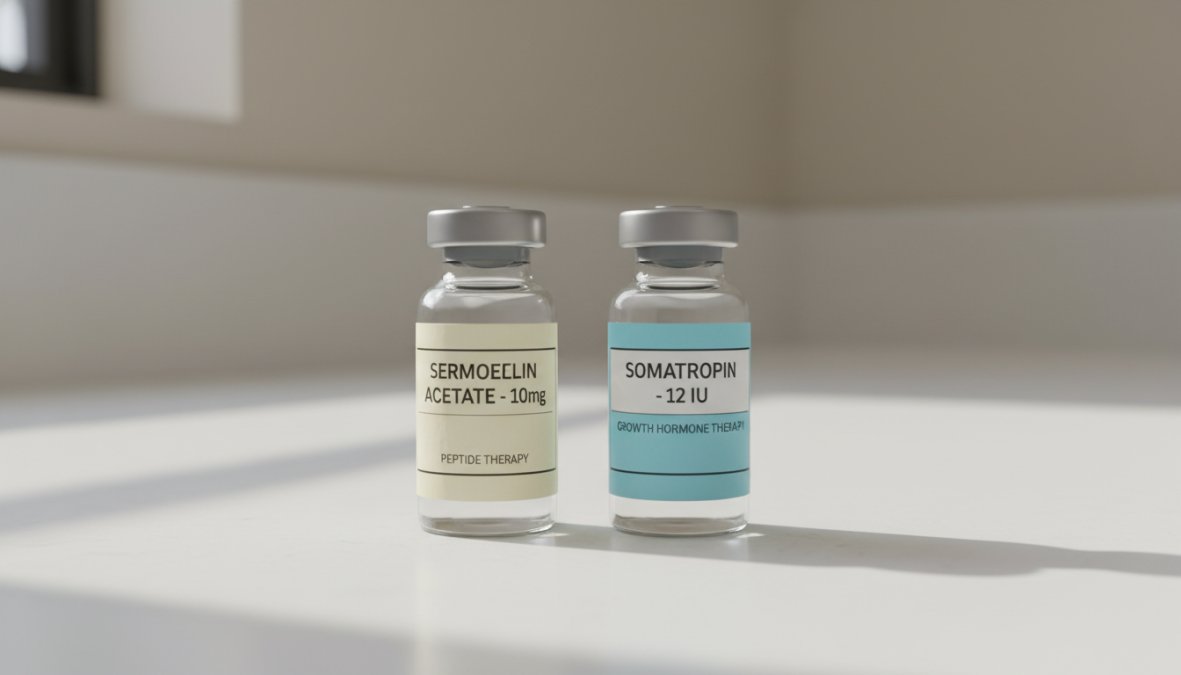
Sermorelin vs HGH: Side-by-Side Comparison
| Factor | Sermorelin | Synthetic HGH |
|---|---|---|
| Mechanism | Pituitary stimulation | Direct hormone replacement |
| Negative feedback intact | Yes | No |
| Monthly cost | ~$175-$225 | $600-$1,200+ |
| Regulatory status | Prescribable via compounding pharmacy | Strict prescription criteria |
| Pituitary atrophy risk | None | Possible with long-term use |
| IGF-1 overshoot risk | Low | Higher |
| Best for | Age-related decline, general wellness | Confirmed severe GH deficiency |
The way I see it, sermorelin is the right starting point for the vast majority of adults exploring GH support. Direct HGH replacement makes clinical sense for severe, confirmed deficiency cases. For everyone else, starting with sermorelin preserves the pituitary’s function and costs significantly less.
Safety Profile and Regulatory Status
Sermorelin is legally prescribed by licensed physicians through compounding pharmacies in the United States, as noted in SermorelinGuide comprehensive therapy overview. This regulatory framework gives it a meaningful advantage over many research peptides that lack clinical oversight.
The FDA has approved sermorelin acetate for the treatment of growth hormone deficiency in children, and it is prescribed off-label for adults through compounding pharmacy channels. Contraindications include known allergy to sermorelin or its components, active malignancy, breastfeeding, and certain drug interactions. A prescribing clinician screens for these before initiating therapy.
Because sermorelin preserves the pituitary’s negative feedback loop, the risk of IGF-1 overshoot is substantially lower than with direct HGH administration. The pituitary will self-limit GH release when IGF-1 reaches physiological ceiling levels.
Sermorelin Side Effects: What to Expect and How to Manage Them
Most sermorelin side effects are mild, transient, and concentrated at the injection site. According to Concierge MD sermorelin side effects guide, the most common reactions include irritation, itching, sensitivity, swelling, pain, and redness at the injection site. These typically resolve within 24-48 hours and diminish as the body adapts to regular injections.
Less common side effects reported across clinical sources include:
- Nausea, particularly if injected too soon after eating
- Headaches, usually mild and transient
- Dizziness or lightheadedness
- Flushing, especially in the first few weeks
- Fatigue, which may reflect the body adjusting to altered GH pulsatility
- Hyperactivity or difficulty sleeping if dose timing is too early in the evening
Allergic reactions are rare but possible. Symptoms such as hives, difficulty breathing, or significant facial swelling require immediate medical attention and discontinuation.
Pro Tip
If injection site reactions are persistent, rotating to a different anatomical site for each injection and applying a cold compress for 60 seconds post-injection reduces localized inflammation significantly.
The nausea side effect is almost entirely preventable. Administering sermorelin on an empty stomach, at least one hour after eating, eliminates the insulin-GH interference that contributes to nausea in many patients.
Who Is a Good Candidate for Sermorelin Therapy?
The strongest candidates for sermorelin therapy are adults with documented growth hormone deficiency or age-related GH decline confirmed through IGF-1 blood testing. As noted by Innerbody Research sermorelin therapy analysis, sermorelin is generally safe among individuals with relevant diagnoses, making proper screening the first step in any protocol.
Ideal candidate profile:
- Adults over 30 with symptoms of GH decline: fatigue, poor sleep, increased body fat, reduced lean muscle, slower recovery
- Confirmed low or low-normal IGF-1 on baseline labs
- No active malignancy or history of hormone-sensitive cancer
- No allergy to sermorelin or its components
- Not currently breastfeeding
- Willing to commit to nightly subcutaneous injections for a minimum of 3-6 months
Sermorelin is not appropriate for individuals with normal or high IGF-1 levels, active cancer, or uncontrolled diabetes. The therapy requires a proper medical evaluation, not a self-assessment checklist.
Adults exploring sermorelin for bodybuilding or performance enhancement without a clinical indication are operating outside the evidence base. The therapy produces meaningful results for those with genuine deficiency; the risk-benefit calculation changes considerably without that clinical context.
Sermorelin Cost: What You’ll Pay in 2026
Quality sermorelin therapy costs approximately $175-$225 monthly through telehealth providers in 2026, which breaks down to roughly $5.83-$7.50 per dose on standard nightly protocols. This pricing data comes from IVY RX sermorelin cost and pricing guide. Synthetic HGH treatments, by comparison, run $600-$1,200 or more per month, making sermorelin substantially more accessible for most patients.
The cost structure includes the compounded peptide, bacteriostatic water, syringes, and typically a clinician consultation fee. Lab work (baseline and follow-up IGF-1 panels) adds to the first-cycle cost but is not a recurring monthly expense.
Insurance coverage for sermorelin is limited. Most plans do not cover compounded peptide therapy for anti-aging or wellness indications, though coverage may apply for confirmed pediatric or adult GH deficiency diagnoses.
Telehealth vs. In-Clinic Pricing
Telehealth platforms have meaningfully reduced the cost of accessing sermorelin therapy. The traditional in-clinic model, which includes in-person consultations, on-site lab draws, and clinic overhead, typically runs higher than telehealth-based programs that ship prescriptions directly to patients.
Ascend Vitality offers a medically-supported pathway for sermorelin therapy, connecting patients with licensed clinicians for online consultations and delivering prescriptions directly. This model eliminates the geographic and logistical barriers that historically made hormone therapy inaccessible for many adults.
The practical difference between telehealth and in-clinic pricing often comes down to $50-$100 per month in overhead costs, plus the time and travel associated with in-person visits. For a therapy requiring nightly self-administration, telehealth is not just cheaper; it is the more practical delivery model.
How to Cycle Sermorelin: On, Off, and Long-Term Protocols
The most common mistake in this sermorelin guide topic is treating sermorelin like a continuous supplement rather than a cyclical therapy. Most clinical protocols structure sermorelin in defined cycles to prevent receptor desensitization and maintain pituitary responsiveness.
A standard approach involves 5 days on, 2 days off each week, typically skipping weekend injections. This mimics the body’s natural GH pulsatility patterns more closely than daily continuous dosing.
For longer cycle structures, many clinicians use:
- 3-6 month active cycle: Nightly injections, 5 days/week
- 1-2 month maintenance break: No injections, monitor IGF-1 levels
- Reassessment: Lab work before resuming the next cycle
Long-term sermorelin therapy, spanning multiple years, requires periodic evaluation of pituitary function and IGF-1 levels. The goal is to restore and maintain physiological GH activity, not to permanently suppress the hypothalamic-pituitary axis.
Pro Tip
The 5-on, 2-off weekly structure is not just about receptor sensitivity. Skipping weekend injections also reduces the logistical burden for patients, which improves long-term adherence significantly.
Cycling off sermorelin does not produce the withdrawal effects associated with exogenous HGH. Because sermorelin works through the pituitary’s own mechanisms, the body retains its GH production capacity between cycles.
Common Mistakes to Avoid in This Sermorelin Guide
Most therapy failures trace back to a small set of avoidable errors. Here is what actually goes wrong, and why.
1. Injecting too close to a meal. Elevated insulin suppresses GH release. Injecting within an hour of eating directly undermines the therapy. An empty stomach is not a preference; it is a pharmacological requirement.
2. Skipping the IGF-1 baseline. Starting therapy without a baseline IGF-1 measurement removes the ability to assess response. Without data, dosage adjustments are guesswork.
3. Shaking the reconstituted vial. Peptide bonds are fragile. Shaking degrades sermorelin and reduces effective dose per injection. Swirl gently, always.
4. Inconsistent injection timing. Sermorelin works by amplifying the natural nighttime GH pulse. Injecting at variable times, sometimes morning, sometimes evening, disrupts this mechanism. Nightly consistency is the protocol.
5. Expecting rapid results. Sermorelin is not synthetic HGH. The pituitary stimulation mechanism produces gradual, physiological changes. Patients who quit after 30 days rarely see the body composition benefits that emerge between months three and six.
6. Self-adjusting dosage without labs. Increasing dose without IGF-1 monitoring risks driving levels above physiological range. This is the exact safety problem sermorelin’s feedback mechanism is designed to prevent. Do not override it.
7. Using a non-compounding pharmacy source. Sermorelin quality varies significantly across sources. Legitimate therapy requires a prescription filled through a licensed compounding pharmacy, not unregulated online vendors.
Conclusion
Navigating growth hormone therapy without reliable clinical guidance is where most patients go wrong. Ascend Vitality connects you directly with specialized clinicians who can evaluate your hormone levels, prescribe appropriate therapy, and deliver medically-supported programs to your door. Their targeted online care model covers hormone health, weight management, and vitality concerns for both men and women, without requiring in-person clinic visits. Get started with Ascend Vitality and access the clinical oversight that makes sermorelin therapy safe, measurable, and effective.
Frequently Asked Questions
1. What is sermorelin and how does it work?
Sermorelin is a synthetic peptide that mimics GHRH (Growth Hormone-Releasing Hormone), the signal your hypothalamus sends to the pituitary gland. By binding to the same receptors on the pituitary, it restores the natural, pulsatile release of growth hormone that declines with age. Unlike synthetic HGH, sermorelin works with your body’s own feedback system rather than bypassing it, which is why it’s often described as a gentler approach to GH support.
2. What is the typical sermorelin dosage?
Most adults following a standard sermorelin dosage protocol begin with 0.2 mg (200 mcg) administered via subcutaneous injection once nightly, ideally on an empty stomach at least one hour after the last meal. Dosage may be titrated up to 0.3 mg depending on age, weight, baseline hormone levels, and treatment goals. All dosing should be personalized and supervised by a licensed clinician, as individual response varies significantly.
3. How does sermorelin differ from HGH?
The key sermorelin vs HGH distinction is mechanism: sermorelin stimulates your pituitary gland to produce its own growth hormone, while synthetic HGH directly replaces it. Sermorelin is generally considered safer because it preserves the body’s natural regulatory feedback loop, reducing the risk of excess GH levels. It’s also significantly more affordable, with monthly costs around $175-$225 compared to $600-$1,200 or more for synthetic HGH therapy.
4. What are the most common sermorelin side effects?
The most frequently reported sermorelin side effects are localized injection site reactions, including redness, swelling, itching, and mild pain. Less common side effects include flushing, headaches, dizziness, nausea, and fatigue. These are typically mild and transient. Serious allergic reactions are rare but possible. Managing injection technique, rotating injection sites, and following proper reconstitution protocols can minimize most common side effects. Always consult your clinician if symptoms persist.
5. How much does sermorelin cost per month?
Sermorelin cost through telehealth providers typically ranges from $175 to $225 per month in 2026, which breaks down to roughly $5.83-$7.50 per dose on a standard nightly protocol. This is considerably less than synthetic HGH, which can cost $600-$1,200 or more monthly. Sermorelin is legally prescribed through compounding pharmacies in the US, and telehealth platforms generally offer more competitive pricing than traditional in-clinic programs.
6. Who is a good candidate for sermorelin therapy?
Sermorelin therapy is generally appropriate for adults experiencing symptoms of growth hormone deficiency, such as declining energy levels, reduced lean muscle mass, increased body fat, poor sleep quality, or low libido. A clinician will typically confirm eligibility through lab testing before prescribing. It is contraindicated for individuals with known allergies to the peptide, those who are breastfeeding, or those with certain drug interactions. It is not approved for use in children with active growth plates.