
Last Updated: May 20, 2026
DHEA supplements for energy and mood have become one of the more talked-about options in hormone-focused wellness, and for good reason. Dehydroepiandrosterone (DHEA) is a precursor hormone produced by the adrenal glands that underpins the body’s entire sex hormone network. At Ascend Vitality, we work with patients navigating hormonal decline every day, and the questions around DHEA come up constantly: Does it actually work? What dose is safe? And what does the research actually say versus what the supplement industry claims? Below, we’ll cover everything from blood testing protocols to cycling strategies to quality control, so you can make an informed decision rather than a hopeful guess.
Here’s what most guides get wrong: they treat DHEA as a simple energy booster you can pick up at any pharmacy and start taking without context. The reality is more nuanced, and getting it wrong can disrupt your hormonal balance in ways that take months to correct.
What Is DHEA and Why Does It Matter for Energy and Mood
Dehydroepiandrosterone (DHEA) is a steroid hormone produced primarily by the adrenal glands that serves as a precursor to both testosterone and estrogen in the body. It sits at the center of the hormone network, converting downstream into the sex hormones that regulate energy, mood, libido, bone density, and immune response. Without adequate DHEA, the entire cascade is compromised.

DHEA circulates in the bloodstream primarily as DHEA-S (DHEA sulfate), which is its stored, sulfated form. When the body needs it, DHEA-S converts back to active DHEA and then into testosterone or estrogen depending on tissue demand. This on-demand conversion is what makes DHEA so central to hormonal balance across both sexes.
The practical implication: low DHEA doesn’t just mean low energy. It often means blunted cognitive function, reduced vitality, disrupted mood, and diminished libido, all at once.
How DHEA Works as a Precursor Hormone
DHEA functions as a hormonal raw material. The adrenal glands synthesize it from cholesterol, and it then travels to peripheral tissues, including the brain, skin, liver, and gonads, where local enzymes convert it into active androgens and estrogens. This peripheral conversion is why DHEA affects so many systems simultaneously.
In the brain, DHEA acts directly on GABA and NMDA receptors, which partly explains its connection to mental clarity and mood regulation. It’s not just a precursor in the brain; it’s a neurosteroid in its own right. That distinction matters when evaluating DHEA supplements for energy and mood, because the mechanism isn’t purely hormonal. It’s neurological too.
Natural Decline with Age and What It Means for Vitality
DHEA production peaks in the mid-20s and declines steadily from there, dropping roughly 80-90% by the time a person reaches their 70s, according to National Institutes of Health overview of DHEA and aging. This decline is so consistent that researchers have used DHEA-S levels as a biomarker for biological aging.
The consequence isn’t abstract. Many people in their 40s and 50s who report unexplained fatigue, low mood, and declining libido are experiencing the downstream effects of this DHEA drop. The adrenal fatigue conversation often misses this point entirely: the issue frequently isn’t adrenal dysfunction per se, but the natural, age-related reduction in DHEA output that nobody warned them about.
Potential Health Benefits of DHEA Supplementation
The evidence base for DHEA supplementation is genuinely uneven, and honesty here matters more than optimism. Some benefits are supported by clinical research with replicable findings; others are biologically plausible but not yet proven in controlled trials. Below, we break down each major benefit category by what the evidence actually supports, not what supplement marketing claims.
Hormonal Balance: Testosterone, Estrogen, and the Hormone Network
DHEA supplementation directly influences the testosterone-estrogen balance because the body converts exogenous DHEA through the same enzymatic pathways as endogenous DHEA. The key enzyme families involved are 3β-hydroxysteroid dehydrogenase (3β-HSD) and aromatase, the same aromatase that converts androgens into estrogens in peripheral tissues including fat, skin, and the brain. This means the direction of conversion is not fixed: individuals with higher aromatase activity (common in men with higher body fat percentages and in postmenopausal women) will convert more DHEA toward estradiol, while those with higher 5α-reductase activity will convert more toward dihydrotestosterone (DHT), a potent androgen.
This enzymatic variability is why two people taking the same 50mg dose can have completely different hormonal outcomes, one raises testosterone meaningfully, the other raises estradiol instead. It is also why baseline blood testing is not optional.
In postmenopausal women, intravaginal DHEA (prasterone) has received FDA approval for treating dyspareunia associated with vaginal atrophy, which represents one of the clearest clinical validations of DHEA’s local hormonal mechanism. According to FDA drug approval information for intrarosa (prasterone), this approval was based on demonstrated efficacy in improving vaginal tissue health via local estrogen and androgen conversion without meaningfully raising systemic hormone levels, a distinction that matters for women concerned about systemic hormonal exposure.
For men, oral DHEA supplementation tends to raise testosterone levels modestly, particularly in older men with confirmed low DHEA-S baseline levels. The effect is not equivalent to testosterone replacement therapy, and it should not be positioned as such. But for men in the early stages of age-related testosterone decline who are not yet candidates for TRT, DHEA can provide a meaningful hormonal nudge without the suppression of endogenous production that exogenous testosterone causes.
If you are using DHEA to support hormonal balance, measure both total testosterone and estradiol at baseline and again at 6-8 weeks after starting. DHEA converts differently in different people; some convert more toward estrogen, others toward testosterone. You need data to know which direction your body takes it, and to catch an unwanted shift before it becomes a problem.
Energy and Mood: What the Research Actually Shows
This is where DHEA supplements for energy and mood show some of their most clinically interesting potential, and also where the evidence requires the most careful reading.
On the mood side, the most robust signal comes from studies in older adults with low DHEA-S levels and clinical depression. Research published through the National Institute of Mental Health has examined DHEA as a monotherapy for midlife-onset depression, with some trials showing meaningful reductions in depressive symptom scores compared to placebo. Importantly, these effects were observed specifically in participants with confirmed low baseline DHEA-S, not in those with normal levels. This is a critical distinction that most supplement guides ignore: DHEA is not an antidepressant for the general population. It appears to be a corrective intervention for a specific hormonal deficit.
The neurosteroid mechanism is central here. DHEA and its sulfated form DHEA-S act directly on GABA-A receptors (as negative modulators, meaning they reduce inhibitory tone) and on NMDA receptors (as positive modulators, supporting excitatory signaling). This dual action partly explains the reported improvements in mental clarity, motivation, and mood, effects that are distinct from the downstream hormonal pathway and operate on a faster timescale.
On the energy side, DHEA’s influence on mitochondrial function and glucose metabolism is biologically plausible but less clinically established. The proposed mechanism involves DHEA’s inhibition of glucose-6-phosphate dehydrogenase (G6PD), which shifts cellular metabolism in ways that may improve mitochondrial efficiency. Most people who report improved energy on DHEA describe it as a reduction in fatigue and brain fog rather than a stimulant-like surge, which is consistent with a hormonal correction mechanism rather than a direct energizing effect.
The practical expectation: DHEA’s effect on mood and energy is typically subtle and cumulative over 6-12 weeks, not immediate. People expecting an acute energy boost are frequently disappointed. People who track their mood, motivation, and fatigue systematically over 8-12 weeks are more likely to notice a genuine shift, particularly if their baseline DHEA-S was confirmed low.
Cognitive Function and Neuroprotection
Low DHEA-S levels have been associated with impaired cognitive performance and increased dementia risk in observational studies of older adults, though the direction of causality remains under investigation, it is not yet clear whether low DHEA causes cognitive decline or whether cognitive decline and low DHEA share a common upstream cause.
What is better established is DHEA’s role as a neuroprotective agent in animal models, where it has been shown to reduce neuronal apoptosis (programmed cell death) and support synaptic plasticity. Whether these effects translate meaningfully to human supplementation at typical doses is still an open question, but the biological rationale is solid enough that cognitive support is a reasonable secondary goal for older adults supplementing DHEA for confirmed deficiency.
Bone Density and Immune Function
DHEA’s conversion to estrogen and testosterone has direct implications for bone mineral density, since both sex hormones are critical for maintaining skeletal strength through their effects on osteoblast activity and calcium absorption. This is particularly relevant for postmenopausal women, where declining estrogen accelerates bone loss. Some clinical trials have shown modest improvements in bone mineral density with DHEA supplementation in postmenopausal women, though the effect size is generally smaller than that seen with dedicated osteoporosis therapies.
On the immune side, DHEA appears to modulate the balance between pro-inflammatory and anti-inflammatory cytokines, with some evidence suggesting it supports immune resilience in older adults whose immune function has declined alongside their DHEA levels. This area of research is still developing, and immune support should be considered a secondary benefit rather than a primary indication.
The honest summary of DHEA’s benefit profile: the strongest evidence supports hormonal balance in confirmed-deficient individuals, mood support in midlife-onset depression with low baseline DHEA-S, and local vaginal tissue health in postmenopausal women. Cognitive and immune benefits are biologically plausible but not yet clinically definitive. Bone density support is modest. Anyone expecting dramatic results without a confirmed deficiency is likely to be disappointed.
DHEA Dosage for Mood: Finding the Right Starting Point
Most guides skip straight to a number without context. Here’s the context: DHEA dosage for mood is not one-size-fits-all, and starting too high is a common mistake with real consequences.
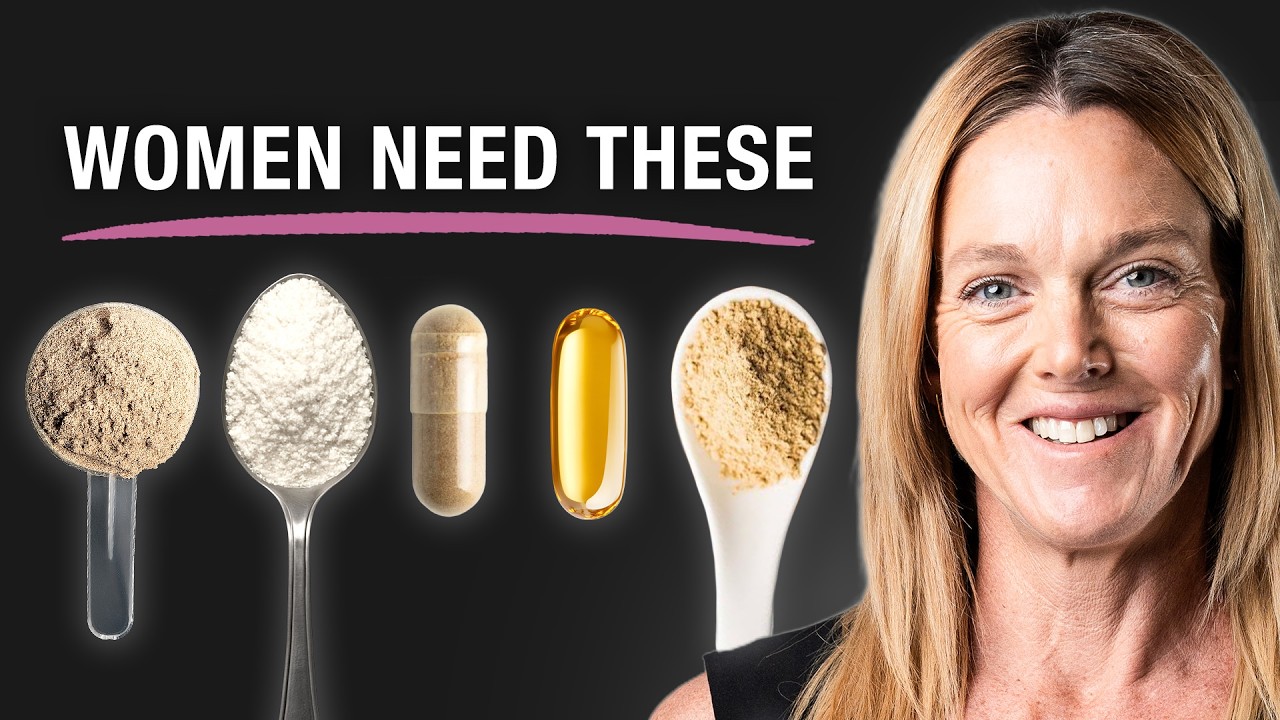
The general starting range for oral DHEA supplementation is 25-50mg per day for most adults, with lower doses (5-10mg) sometimes appropriate for women given their greater sensitivity to androgenic effects. Doses above 100mg daily are rarely warranted outside of specific clinical protocols and carry a higher risk of side effects including acne, hair thinning, and hormonal disruption.
A practical starting framework:
- Women under 50: Start at 10-25mg daily, taken in the morning with food
- Women over 50/postmenopausal: 25-50mg daily, ideally guided by DHEA-S blood test results
- Men under 50: 25-50mg daily, with baseline testosterone testing before starting
- Men over 50: 50mg daily is a common starting point, adjusted based on blood work
Do not start DHEA supplementation without a baseline DHEA-S blood test. Taking 50mg when your DHEA-S is already in the normal range can push levels into excess, increasing the risk of acne, irritability, and unwanted hormonal shifts. This mistake is more common than most supplement guides acknowledge.
Cycling Strategies to Avoid Hormonal Disruption
Continuous, long-term DHEA supplementation without breaks may suppress the body’s endogenous production over time, similar to how exogenous testosterone can suppress natural production. A common approach among practitioners is to cycle DHEA: 5 days on, 2 days off, or 3 months on, 1 month off.
The rationale is straightforward: periodic breaks allow the adrenal glands to maintain their own output signals rather than downregulating in response to consistent external supply. Whether this concern is clinically significant at typical supplementation doses is still debated, but the precautionary approach costs nothing and may preserve long-term adrenal function.
Using the DHEA-S Blood Test Before You Supplement
The DHEA-S blood test is the single most important step most people skip. DHEA-S (dehydroepiandrosterone sulfate) is the stable, circulating form of DHEA that persists in the bloodstream long enough to measure accurately. Testing DHEA directly is less reliable because levels fluctuate throughout the day; DHEA-S provides a more stable snapshot.
Blood Testing Protocols: What to Measure and When
Before starting DHEA supplementation, get a comprehensive baseline panel. The DHEA-S test alone is insufficient context. A useful baseline includes:
- DHEA-S (primary target; reference ranges vary by age and sex)
- Total testosterone and free testosterone
- Estradiol (E2)
- Cortisol (morning, fasting) to assess overall adrenal function
- Complete metabolic panel for general health context
Test in the morning, fasted, before taking any supplements. Retest 6-8 weeks after starting supplementation to assess response and adjust dose accordingly. Many people discover their DHEA-S was actually within normal range, which changes the calculus entirely.
According to Endocrine Society clinical practice guidelines on hormone testing, hormone testing interpretation should account for age-specific reference ranges, since “normal” DHEA-S for a 30-year-old is very different from normal for a 60-year-old.
DHEA Side Effects in Women: What You Need to Know
DHEA side effects in women deserve specific attention because women convert DHEA more readily into androgens relative to their baseline levels. This androgenic conversion is the source of most reported side effects.

The most commonly reported DHEA side effects in women include acne (particularly along the jawline and back), increased facial or body hair, oily skin, and in some cases, changes in menstrual cycle regularity. These effects are dose-dependent and typically resolve with dose reduction.
Less commonly, women report mood changes including irritability or increased aggression, which reflects the androgenic activity rather than any direct toxic effect. Breast tenderness has also been reported, likely related to the estrogenic conversion pathway.
What most guides miss: these side effects are early warning signals, not reasons to panic. They indicate the dose is too high for your individual conversion rate. Reducing the dose usually resolves them within 2-4 weeks.
Who Should Avoid DHEA Supplements
DHEA supplementation is not appropriate for everyone. Clear contraindications include:
- Hormone-sensitive cancers: Breast, ovarian, uterine, and prostate cancers are fueled by sex hormones. DHEA’s conversion to estrogen and testosterone makes it potentially dangerous in these contexts.
- Pregnancy and breastfeeding: Hormonal supplementation during pregnancy carries unknown fetal risks.
- Polycystic ovary syndrome (PCOS): Women with PCOS often already have elevated androgens; additional DHEA can worsen symptoms.
- Liver disease: DHEA is metabolized hepatically; impaired liver function affects clearance and increases risk.
- Children and adolescents: Exogenous hormonal precursors are inappropriate during natural hormonal development.
Anyone with an existing hormonal condition or taking hormone replacement therapy should consult a clinician before adding DHEA.
DHEA Interactions with Antidepressants and Other Medications
This is the section most DHEA guides skip entirely, and it is the most important one for anyone already on prescription medications. DHEA is not an inert supplement, it is a biologically active hormone precursor that influences multiple metabolic and neurological pathways simultaneously. That activity creates real interaction potential with a range of common medications. Understanding the mechanism behind each interaction is what allows you to make an informed decision rather than simply avoiding DHEA out of excessive caution or, worse, taking it without any awareness of the risks.
DHEA and Antidepressants: A Nuanced Interaction
DHEA interactions with antidepressants are a genuine clinical concern, and the mechanism is specific enough to be worth understanding in detail.
DHEA and DHEA-S act as negative modulators of GABA-A receptors and positive modulators of NMDA receptors in the brain. SSRIs (selective serotonin reuptake inhibitors) work by increasing synaptic serotonin availability, but serotonin signaling does not operate in isolation, it is tightly coupled to GABAergic and glutamatergic tone. When DHEA shifts GABA and NMDA activity, it can alter the neurochemical environment in which an SSRI is operating, potentially amplifying or unpredictably modifying the medication’s effect.
The practical concern: some individuals who add DHEA while on SSRIs or SNRIs report increased anxiety, agitation, or sleep disruption, effects consistent with increased excitatory tone from DHEA’s NMDA-potentiating activity. This is not a universal response, but it is common enough that starting DHEA at a low dose (10-25mg) and monitoring mood closely for the first 2-4 weeks is strongly advisable for anyone on antidepressant therapy.
For MAOIs specifically, the interaction concern is more significant. MAOIs broadly affect monoamine metabolism, and DHEA’s influence on dopamine and norepinephrine pathways creates a theoretical risk of additive effects. DHEA should not be added to an MAOI regimen without direct physician oversight.
A separate consideration: DHEA has itself been studied as a treatment for midlife-onset depression in people with confirmed low DHEA-S levels. In that context, it may actually reduce the need for antidepressant medication over time, but that transition should be managed clinically, not self-directed.
Insulin and Diabetes Medications
DHEA influences insulin sensitivity through multiple pathways, including its effects on glucose-6-phosphate dehydrogenase activity and its downstream androgenic effects on muscle mass and fat distribution. In some individuals, DHEA supplementation improves insulin sensitivity; in others, particularly those with existing metabolic dysfunction, it may have unpredictable effects on blood glucose regulation.
For anyone on insulin, metformin, sulfonylureas, or other glucose-lowering medications, this interaction is clinically significant. DHEA-driven changes in insulin sensitivity can shift the effective dose of these medications, potentially causing hypoglycemia if the medication dose is not adjusted. Blood glucose monitoring should be increased during the first 4-6 weeks of DHEA supplementation for anyone on diabetes medications, and the prescribing physician should be informed before starting.
Anticoagulants: Warfarin and the Clotting Factor Question
Some evidence suggests DHEA may influence clotting factor activity, which creates a meaningful interaction concern for anyone on warfarin (Coumadin) or other anticoagulants. Warfarin has a narrow therapeutic window, small changes in the factors that affect its metabolism or the clotting cascade it targets can shift INR values into dangerous ranges.
The mechanism is not fully characterized, but DHEA’s androgenic activity is known to influence hepatic protein synthesis, including some clotting factors. For anyone on warfarin, adding DHEA without INR monitoring is not advisable. If a clinician approves DHEA use alongside warfarin, INR should be checked within 2-3 weeks of starting supplementation and again after any dose adjustment.
For newer anticoagulants (NOACs) such as rivaroxaban or apixaban, the interaction data is limited, but the same precautionary principle applies: inform your prescribing physician before starting DHEA.
Hormone Replacement Therapy: The Additive Hormone Load Problem
This is one of the most commonly overlooked interactions in clinical practice. Many women who are already on hormone replacement therapy (HRT), whether estrogen-only, combined estrogen-progesterone, or testosterone-containing formulations, consider adding DHEA for additional energy or mood support. The problem is additive hormone load.
DHEA converts to both estrogen and testosterone in peripheral tissues. If you are already receiving exogenous estrogen and/or testosterone through HRT, adding DHEA on top can push total hormone levels significantly above therapeutic targets. This increases the risk of estrogen-dominant side effects (breast tenderness, bloating, mood instability) or androgenic side effects (acne, hair thinning, irritability) depending on your individual conversion pattern.
The practical rule: if you are on any form of HRT, DHEA should only be added under the supervision of the clinician managing your HRT, with hormone levels tested before and after adding DHEA to the regimen. This is not a situation where self-directed supplementation is appropriate.
Corticosteroids: Competing Adrenal Pathways
DHEA and corticosteroids (prednisone, hydrocortisone, dexamethasone) both involve adrenal steroid pathways, and their interaction is bidirectional. Chronic corticosteroid use suppresses adrenal function, which is one reason why long-term corticosteroid users often have low DHEA-S levels, the adrenal suppression that reduces cortisol production also reduces DHEA output.
This creates a situation where DHEA supplementation might seem logical for corticosteroid users, and some practitioners do use it in this context. However, DHEA can also influence cortisol metabolism and the HPA axis feedback loop, which means adding DHEA during corticosteroid therapy requires monitoring of both adrenal hormones and the underlying condition being treated with corticosteroids. This interaction warrants physician oversight, not self-management.
Thyroid Medications
DHEA can influence thyroid hormone metabolism, particularly the conversion of T4 (thyroxine) to T3 (triiodothyronine) in peripheral tissues. For individuals on levothyroxine or other thyroid medications, this interaction can shift the effective thyroid hormone balance, potentially requiring dose adjustments. Symptoms of thyroid medication under- or over-dosing, fatigue, weight changes, heart rate changes, can overlap with the symptoms DHEA is being taken to address, which makes the interaction particularly difficult to detect without blood testing.
Anyone on thyroid medication who starts DHEA should have thyroid function (TSH, free T3, free T4) retested at their next scheduled appointment, or sooner if new symptoms emerge.
The Practical Rule for Medication Interactions
The interaction profile above is not exhaustive, and new interaction data emerges as DHEA use becomes more common. The practical framework:
- Disclose DHEA to every prescribing physician before starting, not after. This is not defensive advice; it is how you avoid an avoidable problem.
- Identify which interaction category applies to you from the list above and discuss the specific monitoring protocol with your physician.
- Start at the lowest effective dose (10-25mg) when combining DHEA with any prescription medication, regardless of category.
- Schedule a follow-up blood test within 6-8 weeks of starting DHEA if you are on any medication that interacts with hormonal, metabolic, or coagulation pathways.
Do not rely on supplement packaging or general wellness websites to assess drug interactions for DHEA. Because DHEA is classified as a dietary supplement in the United States, it is not subject to the same interaction labeling requirements as prescription medications. The absence of a warning on the label does not mean the interaction does not exist.
Quality Control and Third-Party Testing: Choosing a Safe DHEA Supplement
The supplement industry is not uniformly regulated, and DHEA is a hormone precursor, not a vitamin. This is where quality control matters more than most people realize.
A 2026 review landscape for DHEA supplements reveals significant variability in actual hormone content versus label claims. Some products contain considerably more DHEA than stated; others contain less. For a compound that affects your hormonal balance, this variability is not acceptable.
What to look for when choosing a DHEA supplement:
- USP Verified or NSF Certified: Third-party testing seals that confirm label accuracy and absence of contaminants
- Certificate of Analysis (COA): Reputable manufacturers provide batch-specific COAs showing actual hormone content
- GMP-certified manufacturing: Good Manufacturing Practice certification indicates consistent production standards
- Pharmaceutical-grade sourcing: Particularly relevant for higher doses where precision matters most
According to ConsumerLab independent supplement testing database, independent testing of DHEA products has found meaningful discrepancies between labeled and actual content in a portion of tested products, reinforcing the importance of third-party verification.
Third-party testing is non-negotiable for DHEA supplements. Because DHEA is a hormone precursor, dosing accuracy directly affects hormonal balance. A supplement that delivers 30% more DHEA than labeled is not just imprecise; it can push your hormone levels into ranges associated with side effects.
Micronized DHEA formulations generally offer better bioavailability than standard powdered capsules, meaning more of the dose reaches systemic circulation. For most users, micronized versions are worth the modest price premium.
Is DHEA Supplementation Right for Your Energy and Mood Goals
DHEA supplementation is a legitimate tool for supporting energy and mood, particularly in adults over 40 with confirmed low DHEA-S levels. It’s not a replacement for sleep, nutrition, or exercise. It’s not a guaranteed fix. But for people whose hormonal decline is genuinely contributing to fatigue, low mood, or reduced vitality, it can be a meaningful part of a broader protocol.
The framework for deciding is straightforward:
- Get a baseline DHEA-S test. If levels are within normal range for your age, supplementation is unlikely to provide meaningful benefit and increases side effect risk.
- If levels are low, start at a conservative dose (25mg for most adults) and retest at 6-8 weeks.
- Monitor for androgenic side effects, particularly if you’re a woman.
- Review any medications with your prescribing physician before starting.
- Choose a third-party tested product with a COA.
The people who get the most from DHEA supplements for energy and mood are those who treat it as a precision intervention guided by data, not a wellness supplement they add to their stack without context. That distinction separates meaningful results from wasted money and avoidable side effects.
Hormonal decline is one of the most underaddressed drivers of low energy and mood in adults over 40, and navigating it without clinical guidance is genuinely difficult. Ascend Vitality offers medically-supported hormone programs with access to prescriptions and targeted care pathways delivered directly to you, including support for both female wellness and men’s vitality concerns. If you’re ready to approach your energy and mood goals with the same rigor this guide recommends, get started with Ascend Vitality and access the clinical support that makes the difference between guessing and knowing.
Frequently Asked Questions
What are the main benefits of taking DHEA supplements for energy and mood?
DHEA supplements for energy and mood are thought to work by supporting the body’s hormone network. As a precursor hormone produced by the adrenal glands, DHEA converts into testosterone and estrogen, which play roles in vitality, mental clarity, and well-being. Some people report reduced fatigue and improved mood, particularly those with clinically low DHEA-S levels confirmed by blood testing. Results vary, and benefits are most likely when supplementation addresses a genuine deficiency.
How long does it take for DHEA to work for mood and energy?
Most users who respond to DHEA supplementation report noticing changes in energy and mood within four to eight weeks of consistent use. However, individual response depends on your baseline DHEA-S blood test levels, dosage, overall hormonal balance, and lifestyle factors. It is generally recommended to retest DHEA-S levels after six to eight weeks to assess whether supplementation is producing the intended hormonal shift before adjusting dosage.
What DHEA dosage is typically recommended for mood support?
Common DHEA dosage for mood ranges from 25 mg to 50 mg daily for adults, though some protocols start as low as 10 mg to minimize side effects. The right dose depends on your current DHEA-S blood levels, age, sex, and health goals. Women generally require lower doses than men due to differences in baseline hormone levels. Always establish your baseline with a DHEA-S blood test and consult a clinician before starting, especially if you take antidepressants or other medications.
Can DHEA interact with antidepressants?
Yes, DHEA interactions with antidepressants are a real concern. Because DHEA influences mood-related hormones and neurotransmitter pathways, combining it with SSRIs, SNRIs, or other antidepressants may amplify or unpredictably alter their effects. There is also a theoretical risk of contributing to manic episodes in people with bipolar disorder. If you are currently taking any antidepressant or psychiatric medication, speak with your prescribing clinician before adding DHEA supplementation to your routine.
Who should avoid taking DHEA supplements?
People with hormone-sensitive conditions, including breast cancer, ovarian cancer, prostate cancer, or uterine cancer, should avoid DHEA supplements. Those with polycystic ovary syndrome (PCOS), liver disease, or diabetes should also exercise caution. Pregnant or breastfeeding women should not use DHEA. Anyone currently on hormone replacement therapy, antidepressants, insulin, or blood thinners should consult a healthcare provider before supplementing, as DHEA can affect hormonal balance and medication metabolism.
How do I know if I need a DHEA supplement?
The most reliable way to determine whether you need DHEA supplementation is a DHEA-S blood test, which measures circulating levels of dehydroepiandrosterone sulfate, the stable storage form of DHEA. Low DHEA-S relative to age-matched reference ranges, combined with symptoms like persistent fatigue, low libido, or mood changes, may indicate a deficiency. Self-diagnosing based on symptoms alone is not recommended. A clinician can interpret your results in the context of your full hormone panel and health history.