
Last Updated: May 15, 2026
The term friday health means two very different things depending on who you ask, and that confusion has real consequences. At Ascend Vitality, we’ve fielded countless questions from people trying to untangle the insurance company that collapsed from the modern telehealth programs now operating under similar names. Below, we’ll clarify exactly which “Friday Health” you’re dealing with, walk through the claims process for former insurance members, and explain how modern hormone optimization and weight loss programs actually work. The 3-step telehealth process we outline has helped many people access care they couldn’t get through traditional channels.
Most guides skip straight to the telehealth pitch without addressing the insurance confusion first. That’s the part most people need answered urgently.
Understanding the ‘Friday Health’ Confusion: Insurance vs. Telehealth
Two entirely separate entities share nearly identical branding, and conflating them creates serious problems for consumers navigating healthcare decisions.
The Story of Friday Health Plans (The Insurance Company)
Friday Health Plans was an Affordable Care Act marketplace insurer that operated in several U.S. states before facing severe financial difficulties. The company entered insolvency proceedings, leaving hundreds of thousands of members scrambling for coverage mid-year. State insurance guaranty associations stepped in to manage the wind-down, but members still needed to file claims for services rendered before the closure date.
This is a genuine crisis for real people. If you received medical services while covered under Friday Health Plans, your claims may still be unresolved. The path forward involves state guaranty funds, not the company itself.
The Rise of Modern Telehealth Providers
Separately, a new category of physician-led telehealth platforms has emerged under similar “Friday” branding, targeting hormone optimization, weight loss, and men’s and women’s wellness. These are direct-to-consumer health programs, not insurance products. They connect patients with board-certified physicians who prescribe treatments including Hormone Replacement Therapy, GLP-1 medications, and peptide therapy, all delivered directly to your door.
The distinction matters enormously. One is a defunct insurer. The other is a growing category of functional medicine telehealth care. Knowing which you’re dealing with determines your next step entirely.
How to File a Proof of Claim for Former Friday Health Plans Members
Filing a proof of claim is the formal legal step that preserves your right to recover unpaid benefits from a failed insurer. Former Friday Health Plans members should treat this as time-sensitive, because guaranty fund deadlines are strict and missing them forfeits your right to reimbursement.
Here is the process, step by step:
- Identify your state’s guaranty association. Each state has its own insurance guaranty fund. Search for your state’s Department of Insurance website to find the assigned administrator for Friday Health Plans claims in your state.
- Gather your documentation. Collect all Explanation of Benefits (EOB) statements, provider invoices, and any denial letters from Friday Health Plans dated before the insolvency date.
- Complete the proof of claim form. Download the official form from your state guaranty association. Fill it out completely, including provider name, service dates, billed amounts, and any amounts already paid.
- Submit before the deadline. Mail or upload your completed form per the guaranty association’s instructions. Keep copies of everything you submit, including confirmation receipts.
- Follow up in writing. If you don’t receive confirmation within 30 days, contact the guaranty association in writing. Phone calls are harder to document.
According to the National Organization of Life and Health Insurance Guaranty Associations, state guaranty funds cover most individual health insurance claims up to state-specific limits. Check your state’s specific caps before assuming full reimbursement.
Missing a guaranty fund proof of claim deadline means permanent forfeiture of your claim. No extensions are typically granted. File as early as possible, even if your documentation is incomplete, then supplement later.
The Modern Fridays Health Weight Loss Program & GLP-1 Solutions
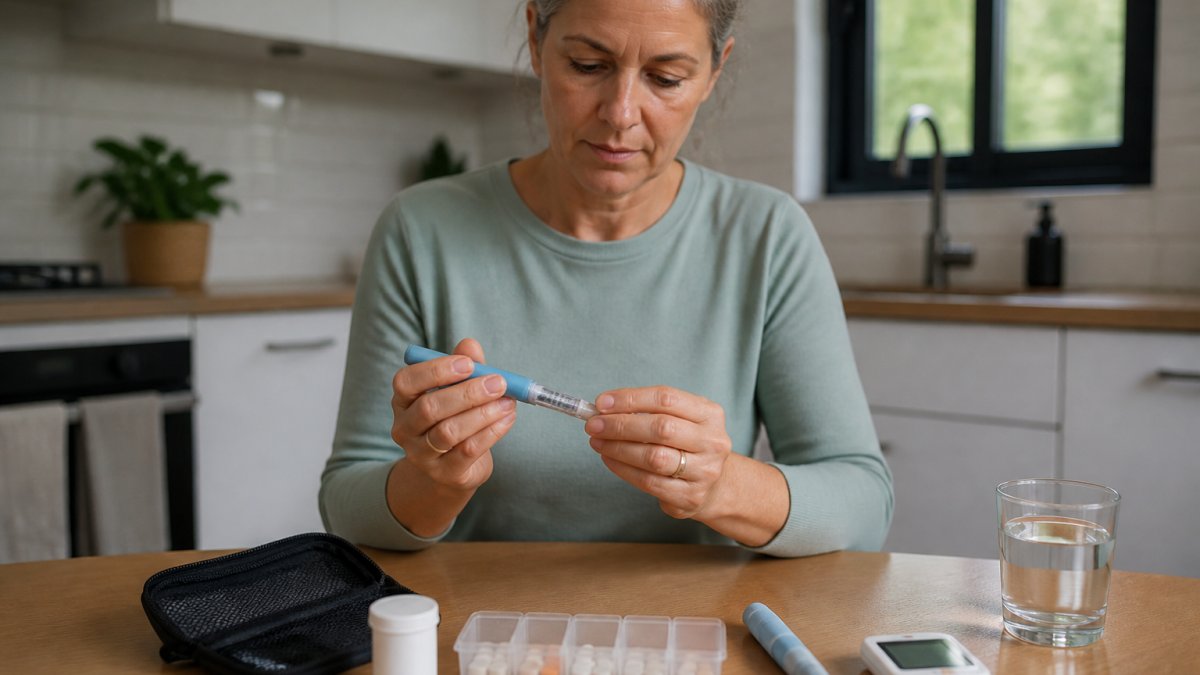
Telehealth weight loss programs built around GLP-1 medications represent a paradigm shift from traditional dieting. These are not simple appetite suppressants; they are powerful metabolic therapies that require a structured, physician-led approach to be safe and effective long-term. The medication is a tool, not the entire solution.
How Semaglutide and GLP-1 Therapies Work
GLP-1 receptor agonists are a class of medications that mimic glucagon-like peptide-1, a hormone your gut naturally releases after eating. Semaglutide, the active compound in well-known branded medications, works through several mechanisms:
- Slows Gastric Emptying: Food remains in your stomach longer, leading to a prolonged feeling of fullness.
- Reduces Appetite Signals: It acts on receptors in the brain’s hypothalamus to decrease hunger and cravings.
- Improves Insulin Sensitivity: It enhances the body’s ability to manage blood sugar, which is crucial for metabolic health.
The result is meaningful, sustained weight reduction for many patients who haven’t responded to diet and exercise alone. According to the FDA’s prescribing information for semaglutide, clinical trials showed significant body weight reductions compared to placebo. These metabolic improvements often extend well beyond the number on the scale, impacting blood pressure, cholesterol, and inflammatory markers.
The Pillars of Sustainable Success on GLP-1 Therapy
The medication creates a window of opportunity by controlling hunger. What you do within that window determines whether you lose fat while preserving muscle and build habits that last. A physician-led program focuses on these pillars from day one.
1. Prioritize Protein and Resistance Training: The biggest risk of rapid weight loss is sarcopenia, the loss of metabolically active muscle mass. To combat this, a clinical protocol emphasizes two things:
* High Protein Intake: Aim for 1.2 to 1.6 grams of protein per kilogram of your target body weight daily. This helps preserve muscle and increases satiety.
* Resistance Training: At least 2-3 sessions per week of weightlifting or bodyweight exercises are non-negotiable. This signals your body to hold onto muscle while shedding fat.
2. Manage Common Side Effects Proactively: Nausea is the most common side effect, especially as the dose increases. It is manageable. A good clinical team will advise you to:
* Eat smaller, more frequent meals.
* Avoid high-fat, greasy, or overly sweet foods.
* Stay well-hydrated with water and electrolytes between meals.
* Consider injecting in the thigh instead of the abdomen if nausea is persistent.
3. Focus on Nutrient-Dense Foods: Because you’re eating less, the quality of what you eat matters more than ever. Every meal should be an opportunity to get protein, fiber, vitamins, and minerals. This is where physician guidance on nutrition becomes critical, moving beyond simple calorie counting.
Who is a Candidate for Medically-Supervised Weight Loss?
Candidacy for a GLP-1 program is determined through a comprehensive medical assessment, not a simple quiz. A board-certified physician will review your lab panel, medical history, current medications, and metabolic markers before prescribing.
Common qualifying factors include:
- BMI above 30, or a BMI above 27 with at least one weight-related condition (e.g., hypertension, type 2 diabetes, sleep apnea).
- A documented history of unsuccessful weight loss attempts through lifestyle changes alone.
- No contraindications, such as a personal or family history of medullary thyroid carcinoma or Multiple Endocrine Neoplasia syndrome type 2 (MEN 2).
The thing nobody tells you about telehealth weight loss programs is that the best ones are preparing you for life after the medication from the very first consultation. The goal is to use the therapy to build a foundation of nutrition and exercise habits that can sustain your results for a lifetime.
A Deep Dive into Hormone Replacement Therapy (HRT)
Hormone Replacement Therapy (HRT) is the medical practice of supplementing key hormones to restore youthful, optimal physiological function. It is one of the most evidence-supported interventions in longevity medicine, but its success hinges on a personalized, data-driven approach that goes far beyond simply prescribing a single hormone.
Vitality for Men: The Science of TRT and Andropause
Andropause, the age-related decline in testosterone, is a gradual process. Symptoms like fatigue, low libido, loss of muscle mass, and mental fog are often dismissed as normal aging. A modern TRT program aims to reverse this by optimizing the entire male hormonal cascade.
Key Lab Markers Beyond Total Testosterone:
- Free Testosterone: This is the unbound, biologically active testosterone your body can actually use. It’s a more important marker than total T.
- Sex Hormone-Binding Globulin (SHBG): This protein binds to testosterone, making it inactive. High SHBG can lead to low-T symptoms even with normal total testosterone.
- Estradiol (E2): Testosterone converts (aromatizes) into estrogen. If E2 gets too high, it can cause water retention, moodiness, and gynecomastia. If it crashes too low, it can cause joint pain, low libido, and poor cognitive function. Management is key.
- LH & FSH: These pituitary hormones signal the testes to produce testosterone. Their levels help a physician diagnose whether the issue is primary (testicular) or secondary (pituitary/hypothalamic).
Comparing Delivery Methods:
- Injections (Intramuscular/Subcutaneous): The gold standard for stability and cost-effectiveness. More frequent, smaller subcutaneous injections often lead to more stable blood levels and less aromatization than larger, less frequent intramuscular shots.
- Transdermal Gels/Creams: Easy to apply daily, but absorption can be inconsistent and there is a risk of transference to partners or children.
- Pellets: Implanted under the skin every 3-6 months, offering a convenient “set it and forget it” approach. However, dosing is less flexible, and adjustments can’t be made between implantations.
When evaluating a TRT provider, ask how they manage estradiol and SHBG, not just testosterone. A provider who doesn’t have a clear strategy for monitoring and managing the complete hormonal panel is not running a comprehensive protocol.
Vitality for Women: BHRT for Perimenopause and Menopause
For women, hormonal decline is not a single event but a decade-long transition (perimenopause) culminating in menopause. Bio-identical Hormone Replacement Therapy (BHRT) uses hormones structurally identical to those the body produces to alleviate symptoms and provide long-term health benefits.
The Three Key Hormones and Their Roles:
- Estradiol: The most potent estrogen. It is critical for managing hot flashes, night sweats, and vaginal dryness. It also plays a vital role in protecting bone density, maintaining collagen for skin health, and supporting cognitive function.
- Progesterone: Often called the “calming” hormone. It promotes sleep, reduces anxiety, and is essential for protecting the uterine lining from overgrowth when a woman takes estrogen. Micronized oral progesterone is often preferred for its positive impact on sleep architecture.
- Testosterone: While often considered a male hormone, testosterone is crucial for female libido, energy levels, motivation, and maintaining lean muscle mass. Many women experience a significant improvement in quality of life with the addition of low-dose testosterone to their BHRT regimen.
A comprehensive female panel also assesses thyroid function (TSH, Free T3, Free T4) and DHEA-S, as the entire endocrine system is interconnected. As noted in The Menopause Society’s clinical practice guidelines, for most healthy women under 60 who start therapy within 10 years of menopause, the benefits of HRT outweigh the risks, making it the most effective treatment for vasomotor symptoms.
Your Path to Vitality: The 3-Step Telehealth Process
Physician-led telehealth hormone and weight loss programs have compressed what used to be a months-long process of referrals and specialist waitlists into a simplified three-step pathway. Here’s what that actually looks like in practice.

Step 1: Comprehensive Lab Panels & Initial Consultation
The process begins with bloodwork, not a sales call. A comprehensive lab panel for hormone optimization typically includes:
- Complete metabolic panel (CMP)
- Complete blood count (CBC)
- Thyroid panel (TSH, Free T3, Free T4)
- Sex hormones (testosterone, estradiol, progesterone, DHEA-S)
- Pituitary hormones (LH, FSH)
- Inflammatory markers (CRP, homocysteine)
- Micronutrient levels (vitamin D, B12, iron studies)
Most telehealth platforms partner with national lab networks, so you complete your draw at a location near you. Results typically return within 48-72 hours, at which point a board-certified physician reviews them before your consultation.
The initial consultation is where the personalized treatment plan takes shape. Expect 30-45 minutes with a physician who has reviewed your labs, medical history, and symptom profile before the call begins.
Step 2: Developing Your Personalized Treatment Plan
No two hormone profiles are identical, which is why cookie-cutter protocols produce inconsistent results. A personalized treatment plan maps your specific lab values against your symptoms and health goals, then selects the appropriate hormones, doses, delivery methods, and supporting therapies.
For men, this often means TRT combined with an aromatase inhibitor if estradiol runs high, plus potentially a thyroid optimization protocol if TSH is suboptimal. For women, the combination of estradiol, progesterone, and low-dose testosterone addresses the broadest range of menopausal symptoms. GLP-1 therapy may be layered in for patients whose metabolic health is a primary concern.
Prescriptions are sent directly to a compounding or specialty pharmacy and shipped to your address. Setup typically takes 7-14 days from initial consultation to first dose in hand.
Step 3: Ongoing Physician-Led Support and Adjustments
This is where most programs either earn or lose long-term patient trust. Hormone optimization is not a set-it-and-forget-it intervention. Levels shift as your body responds, doses need adjustment, and new symptoms sometimes emerge that require protocol changes.
Ongoing support in a well-run program includes follow-up labs at 6-8 weeks post-initiation, a physician review of results, and dose adjustments as needed. Most platforms offer asynchronous messaging with your care team between scheduled appointments, which matters when a question comes up on a Tuesday afternoon.
Ascend Vitality structures its care pathways around exactly this model: targeted online care for weight loss, hormones, and health, with prescriptions and support delivered directly to patients through a physician-led process.
Safety, Cost Transparency, and Lifestyle Integration
The most important questions patients rarely ask upfront are about safety profiles and what this actually costs. Most clinic websites bury both.

Understanding Potential Side Effects and Safety Profiles
HRT and GLP-1 therapies carry real side effect profiles that deserve honest discussion, not minimization.
For TRT: Common side effects include acne, increased red blood cell count (polycythemia), testicular atrophy, and potential fertility reduction. Serious risks, including cardiovascular events, are more likely in patients with pre-existing conditions and underscore why physician oversight matters. Regular hematocrit monitoring catches polycythemia before it becomes dangerous.
For BHRT: The risk profile depends heavily on the specific hormones used, the delivery method, and the patient’s baseline health. Oral estrogen carries higher clotting risk than transdermal formulations. Progesterone, particularly bio-identical progesterone, has a more favorable safety profile than synthetic progestins used in older protocols.
For GLP-1 medications: Nausea is the most common side effect, typically resolving within the first 4-8 weeks as the dose titrates upward. Rare but serious risks include pancreatitis and, in patients with specific genetic histories, thyroid concerns. A thorough intake process screens for contraindications before prescribing.
A common mistake is assuming “bio-identical” automatically means “safe.” Compounded hormones are not FDA-approved products, which means quality control depends entirely on the pharmacy’s standards. Ask your provider specifically which pharmacy they use and whether it holds PCAB accreditation.
Breaking Down the Costs: What to Expect
Cost transparency is where many telehealth hormone clinics fall short. Here’s what a realistic cost structure looks like:
| Service | Typical Cost Range | Notes |
|---|---|---|
| Initial lab panel | $100-$300 | Often covered partially by insurance |
| Initial physician consultation | $100-$250 | One-time or included in membership |
| Monthly TRT protocol | $75-$200/month | Varies by delivery method |
| Monthly BHRT protocol | $100-$250/month | Compounded formulations vary |
| GLP-1 medication (semaglutide) | $200-$500/month | Compounded vs. branded varies significantly |
| Follow-up labs (every 6-12 weeks) | $75-$200 | Critical for safety monitoring |
Most telehealth hormone programs are not covered by insurance, though some lab work may be. Build the full cost picture before committing: medication, labs, and consultations together represent the true monthly investment.
The real cost of hormone optimization isn’t just the medication. Factor in quarterly labs and follow-up consultations. A program that quotes low medication prices but charges separately for every lab and appointment often costs more than a transparent all-inclusive membership.
Why a Physician-Led Approach to Friday Health Matters
The proliferation of direct-to-consumer hormone and weight loss programs has created a dangerous split in quality. On one end: rigorous, physician-led programs with comprehensive diagnostics, ongoing monitoring, and evidence-based protocols. On the other: subscription services that function more like vending machines, shipping medication with minimal clinical oversight.
The difference isn’t cosmetic. Hormone optimization done without proper lab monitoring can worsen the conditions it’s supposed to treat. Unmonitored TRT that drives estradiol too high produces symptoms nearly identical to low testosterone. GLP-1 therapy without dietary guidance often results in muscle mass loss alongside fat loss, undermining longevity goals.
A physician-led approach means a licensed, board-certified doctor reviews your specific labs, adjusts your protocol based on how your body responds, and is accountable for your outcomes. Functional medicine principles applied here recognize that hormones don’t operate in isolation: thyroid function, adrenal health, micronutrient status, and metabolic markers all interact.
The real difference between a program that produces lasting vitality and one that produces temporary results comes down to whether the clinical team treats your whole biochemistry or just your chief complaint. Longevity and cellular health improvements require the former.
As documented in the Endocrine Society’s clinical practice guidelines for testosterone therapy, appropriate patient selection, baseline assessment, and ongoing monitoring are foundational requirements for safe and effective hormone therapy, not optional add-ons.
Sorting through friday health confusion, whether you’re chasing an insurance claim or trying to access modern hormone care, takes more than a quick search. Ascend Vitality provides targeted online care for weight loss, hormones, and health, connecting patients with physician-led programs and delivering medically-supported prescriptions directly to them. For anyone ready to address hormone imbalance, weight loss, or men’s and women’s vitality concerns through a board-certified care pathway, get started with Ascend Vitality and access the personalized treatment your health actually requires.
Frequently Asked Questions
What is the difference between Friday Health Plans and Fridays Health?
Friday Health Plans was a health insurance company that ceased operations and went into liquidation in 2023. In contrast, companies like Join Fridays (Fridays Health) are modern telehealth providers. They offer direct-to-consumer medical services, such as hormone replacement therapy and weight loss programs, and are not traditional insurance carriers. It’s crucial not to confuse the defunct insurer with these current digital health services.
Why did Friday Health Plans go out of business?
Friday Health Plans faced significant financial difficulties, ultimately leading to insolvency. State regulators in multiple areas, including Colorado and Texas, took action to place the company into liquidation due to its inability to maintain the necessary capital and surplus to pay potential claims. This was a business failure related to the health insurance market, not a reflection on telehealth services that may have similar names.
How do I file a proof of claim for a former Friday Health Plans policy?
To file a proof of claim for the defunct Friday Health Plans, you must work with the official liquidator appointed by your state’s department of insurance. You will need to obtain the official ‘Proof of Claim’ form, fill it out with all relevant details of your unpaid medical bills, and submit it by the established deadline. Check the website of your state’s insurance guaranty association for specific forms and instructions.
What is a modern Fridays Health weight loss program like?
A modern weight loss program, like those offered by telehealth providers, often involves a comprehensive, physician-led approach. This typically includes an initial consultation, comprehensive lab panels, and a personalized plan that may feature GLP-1 medications like Semaglutide. The focus is on customized treatment, ongoing medical support, and integrating the plan with your lifestyle for sustainable results, all managed conveniently through a telehealth platform.