Manage GLP-1 Nausea at Home: 8 Strategies That Work
Last Updated: July 19, 2026
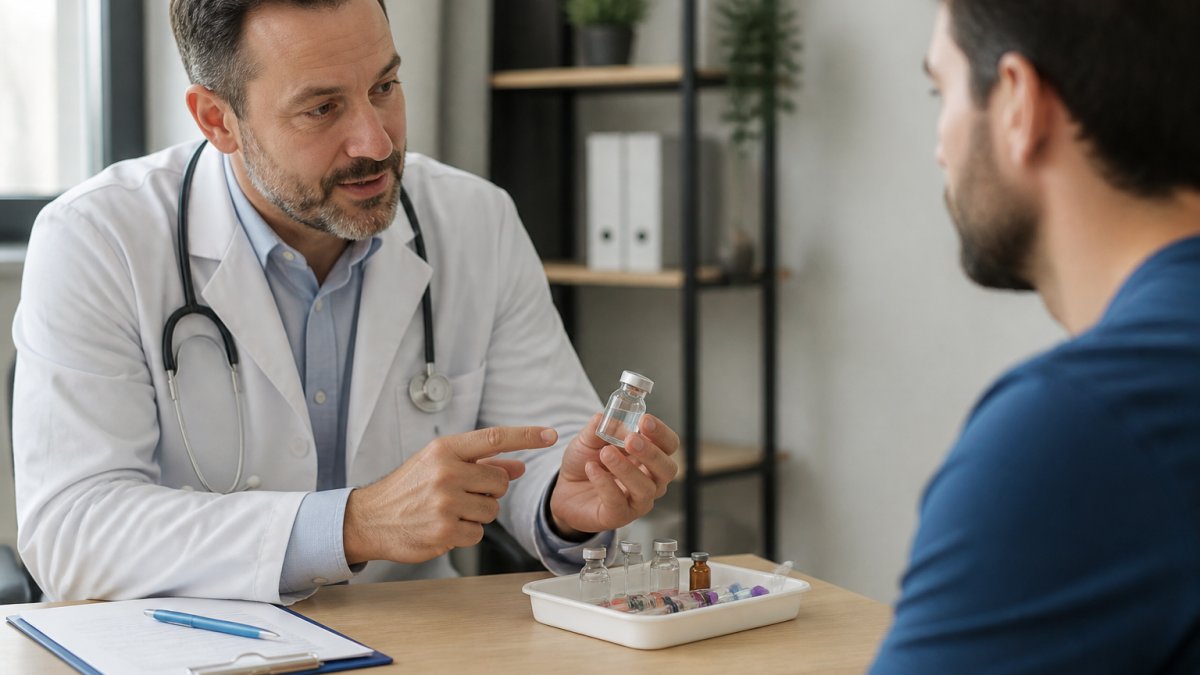
Nausea affects a significant portion of people starting GLP-1 receptor agonists like semaglutide and tirzepatide, often during the first weeks of treatment. At Ascend Vitality, we understand that how to manage glp-1 nausea at home is one of the most pressing concerns for patients beginning these medications. The good news: most nausea is manageable with strategic dietary and lifestyle adjustments, and you don’t need to suffer through it alone.
This guide covers eight evidence-based strategies for managing GLP-1 nausea at home, from meal timing to medication interactions. Below, we’ll show you exactly how to reduce nausea severity, identify your personal triggers, and know when professional intervention is necessary.
Understanding Why GLP-1 Medications Cause Nausea
GLP-1 receptor agonists slow gastric emptying, the rate at which food moves from your stomach into your small intestine. This mechanism suppresses appetite and helps with blood sugar control, but it also causes nausea in many patients, particularly during dose escalation phases.
The nausea typically peaks 2-4 hours after injection and subsides within 24-48 hours for most people. However, some experience persistent mild nausea throughout the week. Understanding the mechanism helps explain why certain foods trigger worse reactions and why timing matters so much.
The nausea you experience isn’t a sign the medication isn’t working, it’s actually evidence that the medication is affecting your gastrointestinal system as intended. Most people find that nausea improves significantly after the first 4-8 weeks as their body adapts to the medication.
How to Manage GLP-1 Nausea: Meal Timing and Portion Control
The single most effective strategy for managing GLP-1 nausea involves restructuring when and how much you eat. This isn’t about eating less overall, it’s about distributing food strategically throughout the day to avoid overwhelming your already-slowed digestive system.
Eat Smaller, More Frequent Meals
Instead of three standard meals, shift to four to six smaller eating occasions spaced 2-3 hours apart. A typical pattern might look like: breakfast at 7 AM, mid-morning snack at 10 AM, lunch at 1 PM, afternoon snack at 4 PM, and dinner at 7 PM.
Each meal should contain 150-250 calories for most people, though your specific needs depend on your overall calorie goals and medication dosage. The key is preventing your stomach from becoming overly full, which triggers nausea and discomfort.
| Meal Timing Strategy | Portion Size | Frequency | Best For |
|---|---|---|---|
| Small frequent meals | 150-250 cal each | Every 2-3 hours | Baseline nausea management |
| Post-injection timing | First meal 2-3 hours after | As needed | Severe nausea after injection |
| Protein-first approach | 20-30g protein per meal | 3 meals + snacks | Sustained satiety, reduced hunger |
| Liquid-focused eating | Broths, smoothies, soups | Throughout day | Severe nausea phases |
When you eat smaller portions, your stomach doesn’t stretch excessively, which reduces the nausea signal your brain receives. Many patients find that eating five small meals feels more manageable than forcing themselves through three larger ones.
The transition from three meals to five or six smaller ones typically takes 2-3 weeks to feel natural. Start by splitting your lunch and dinner into two portions, eaten 2-3 hours apart, then adjust breakfast similarly.
The Post-Injection Timing Strategy
Your nausea response peaks at different times depending on when you inject. Most people using weekly semaglutide or tirzepatide report the worst nausea in the 2-4 hours immediately following injection, with a secondary wave 6-8 hours later.
Timing your meals strategically around injection can significantly reduce nausea severity. If you inject on Monday morning, avoid eating for the first 2-3 hours. Instead, stay hydrated with water or electrolyte drinks. Once the initial nausea window passes, eat a small, bland meal (100-150 calories).
Many patients find that injecting in the evening, after their last meal, works better than morning injections. This way, the peak nausea occurs while they’re sleeping or during their first waking hours when they can rest. Others prefer morning injections so they can eat small, frequent meals throughout the day without worrying about nausea during sleep.
Experiment with both timing approaches over two to three weeks to find which works best for your body. Some people also find that taking their injection at the same time each week helps their body anticipate and adjust to the nausea wave.
Diet for GLP-1 Nausea: Foods to Embrace and Avoid
What you eat matters as much as when you eat. Certain foods dramatically worsen GLP-1-related nausea, while others sit easily in your stomach and provide necessary nutrients.
Avoid High-Fat and Fried Foods
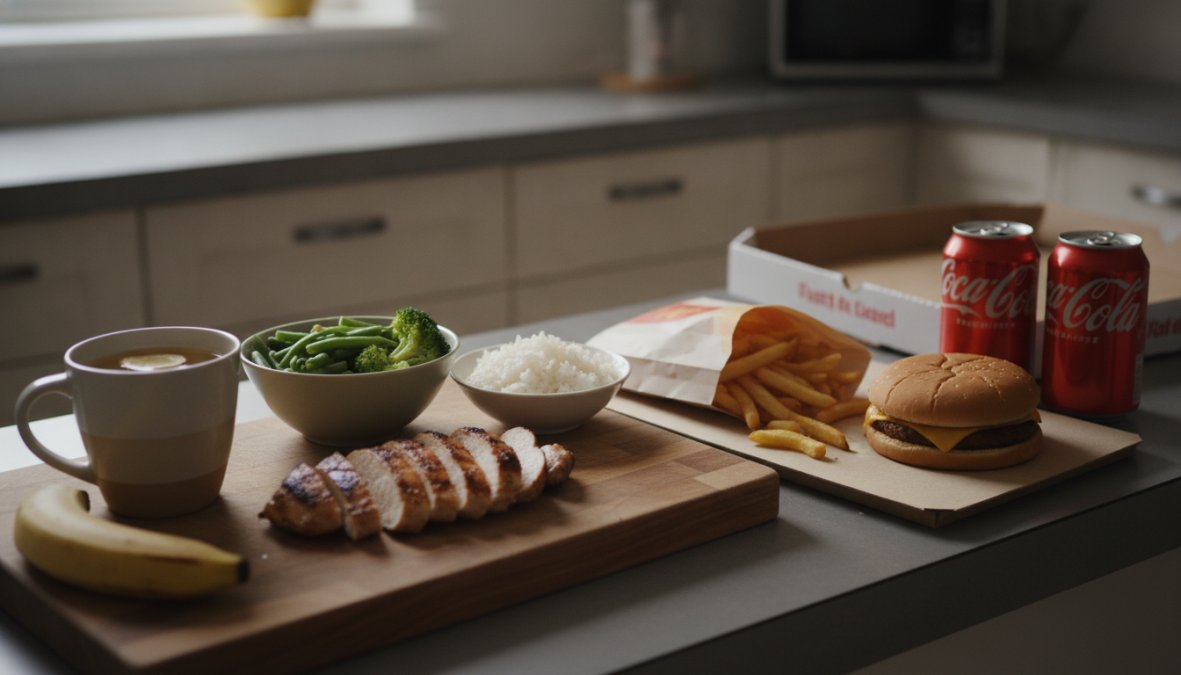
High-fat foods are the primary trigger for nausea in GLP-1 users. Fat slows gastric emptying even further, compounding the medication’s natural effect. This means your stomach takes even longer to process the food, triggering prolonged nausea and discomfort.
Fried foods, creamy sauces, fatty cuts of meat, full-fat dairy, and foods cooked in butter or oil should be minimized or eliminated during the adjustment phase. Many patients find they can reintroduce small amounts of healthy fats (like olive oil or avocado) after 8-12 weeks, but initially, keeping fat intake below 10-15 grams per meal is ideal.
Instead of fried chicken, choose grilled or baked chicken breast. Replace cream-based soups with broth-based ones. Swap whole milk for unsweetened almond milk. These substitutions maintain nutritional value while dramatically reducing nausea triggers.
Limit Spicy Foods and Carbonated Drinks
Spicy foods irritate an already-sensitive gastrointestinal tract. Even mild spice can trigger nausea or acid reflux in people taking GLP-1 medications. Avoid hot peppers, curry, wasabi, and heavily spiced dishes during your first 4-8 weeks.
Carbonated beverages, including diet sodas, sparkling water, and carbonated energy drinks, create gas and bloating that worsens nausea. The carbonation physically expands your stomach, which your body interprets as overfullness and triggers nausea signals. Stick to still water, herbal tea, broths, and unsweetened beverages instead.
Many patients report that even “gentle” carbonation (like sparkling water) causes problems. If you love fizzy drinks, wait until you’re several months into treatment and nausea has mostly resolved before reintroducing them.
Mixing alcohol with GLP-1 medications increases nausea risk and can cause dangerous blood sugar drops. Avoid alcohol entirely during the first 4 weeks, and limit to one drink maximum even after that period. The medication amplifies alcohol’s effects on your stomach and metabolism.
Natural Remedies for GLP-1 Nausea Management
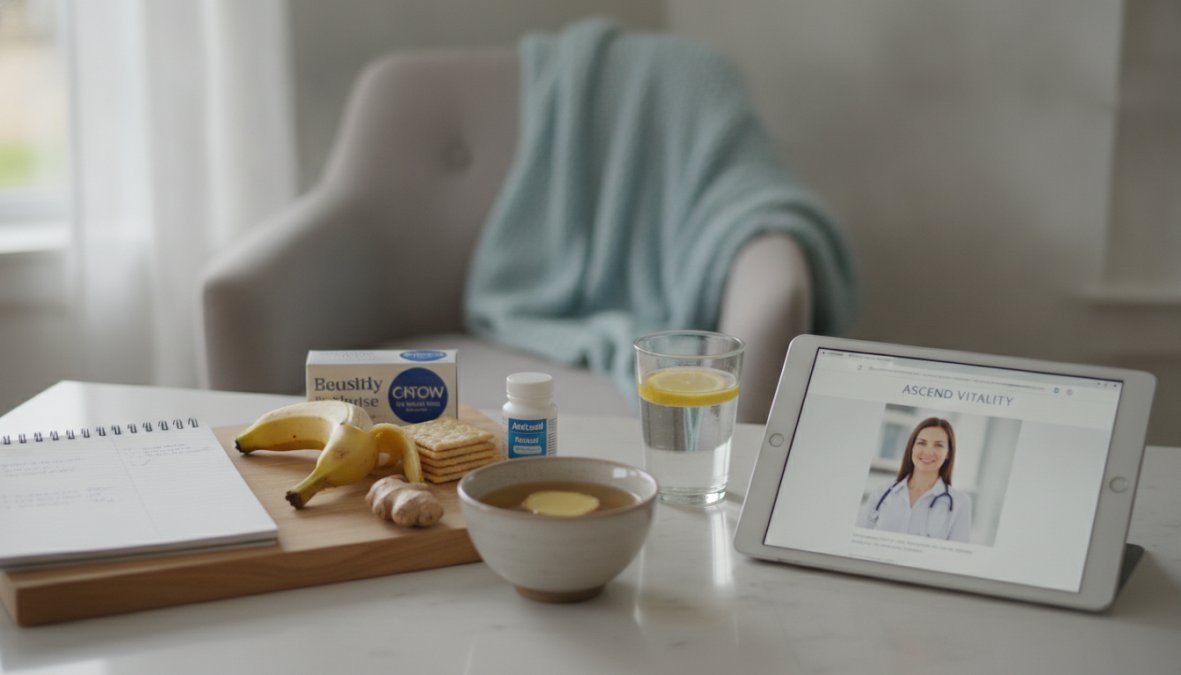
Several natural compounds have strong evidence for reducing nausea, particularly ginger and peppermint. These work through different mechanisms than prescription anti-nausea medications and can be safely combined with medical treatments.
Ginger, Peppermint, and Hydration Strategies
Ginger is one of the most researched natural remedies for nausea. It works by promoting gastric motility, helping your stomach move food along more efficiently, and by reducing inflammation in the digestive tract. Fresh ginger tea, ginger candies, or ginger supplements (250-500 mg three times daily) can reduce nausea severity by 20-30% for many people.
Peppermint tea has similar effects, relaxing stomach muscles and promoting smoother digestion. Many patients find that sipping warm peppermint tea 30 minutes before meals helps them eat without triggering nausea. The warm liquid also settles the stomach better than cold beverages.
Hydration is equally critical. Dehydration intensifies nausea and can cause dizziness, headaches, and electrolyte imbalances. Aim for at least 8-10 glasses of water daily, spread throughout the day. If plain water causes nausea, try:
- Water with lemon or lime juice
- Herbal teas (ginger, peppermint, chamomile)
- Low-sodium broth
- Electrolyte drinks without artificial sweeteners
- Coconut water (in small amounts)
Electrolyte drinks deserve special mention. GLP-1 medications can cause mild dehydration and electrolyte loss, particularly if nausea prevents adequate food intake. A simple electrolyte solution (sodium, potassium, magnesium) helps your body absorb water more efficiently than plain water alone.
Make ginger tea fresh by steeping 1-2 teaspoons of grated fresh ginger in hot water for 5-10 minutes. Add a small amount of honey if needed. Drink 15-30 minutes before meals. Many patients find this more effective than ginger supplements because the warm liquid itself helps settle the stomach.
GLP-1 Side Effects Management: Medication Interactions and Timing
Managing nausea requires understanding how your GLP-1 medication interacts with other drugs and how timing affects overall tolerability.
Anti-Nausea Medications and Prescription Timing
Ondansetron (Zofran) is the most commonly prescribed anti-nausea medication for GLP-1 users. It works by blocking serotonin signals that trigger nausea and is generally well-tolerated. A typical dose is 4-8 mg taken 30 minutes before meals or as needed.
However, ondansetron shouldn’t be your first line of defense. Overusing prescription anti-nausea medications can mask important signals from your body and may reduce the effectiveness of your GLP-1 medication over time. Use it strategically, for example, on injection day or when you know you’ll be eating a meal that historically triggers nausea.
Metoclopramide (Reglan) is another option, though it’s less commonly used because it can interact with GLP-1 medications. If your doctor prescribes it, take it exactly as directed and monitor for side effects.
The timing of anti-nausea medications matters significantly. Take ondansetron 30 minutes before you plan to eat, not after nausea has already started. Once nausea is present, it takes longer for the medication to take effect.
Interactions with Other Common Medications
If you take thyroid medication, blood pressure medications, or diabetes medications alongside your GLP-1 treatment, timing becomes critical. Many medications need to be taken on an empty stomach or with specific timing relative to meals.
GLP-1 medications slow gastric emptying, which can delay absorption of other medications. If you take levothyroxine (thyroid medication), take it at least 30-60 minutes before eating and at least 4 hours away from your GLP-1 injection. Blood pressure medications generally have more flexibility, but check with your pharmacist about your specific medications.
Metformin, commonly used for blood sugar control, can worsen nausea in some people when combined with GLP-1 medications. If you’re experiencing severe nausea and take metformin, discuss with your doctor whether temporarily reducing the metformin dose might help while you adjust to the GLP-1 medication.
| Medication Type | Timing Consideration | Interaction Risk | Action |
|---|---|---|---|
| Thyroid medications | 30-60 min before food | High | Separate by 4+ hours from GLP-1 injection |
| Blood pressure meds | Flexible timing | Low | Take as directed; monitor for dizziness |
| Metformin | With meals | Moderate | May worsen nausea; discuss dose reduction |
| Anti-nausea (Zofran) | 30 min before meals | Low | Use strategically, not daily |
| Acid reflux meds | As directed | Low | Take as prescribed; GLP-1 may reduce need |
Lifestyle Habits That Reduce Nausea Severity
Beyond food and medication, how you move your body and manage stress directly impacts nausea levels.
Stay Upright After Eating and Manage Stress
Gravity helps your stomach process food. After eating, remain upright for at least 30-45 minutes. Avoid lying down, reclining, or bending over immediately after meals, as this allows food to back up into your esophagus and trigger acid reflux and nausea.
A simple post-meal walk, even just 10-15 minutes around your house or neighborhood, significantly reduces nausea and aids digestion. The gentle movement stimulates gastric motility and prevents food from sitting stagnant in your stomach.
Stress directly triggers nausea through the gut-brain axis. When you’re anxious or stressed, your stomach tightens and digestive function slows further. Stress management techniques, whether meditation, deep breathing, gentle yoga, or time in nature, genuinely reduce nausea severity.
Many patients find that the psychological impact of chronic nausea creates a feedback loop: nausea causes stress, stress worsens nausea. Breaking this cycle requires addressing both the physical and mental components. If nausea is significantly affecting your quality of life or mental health, consider speaking with a therapist or counselor who specializes in chronic health conditions.
Sleep quality also matters. Poor sleep worsens nausea and reduces your body’s ability to adapt to the medication. Aim for 7-9 hours of consistent sleep, and avoid eating within 3 hours of bedtime.
The combination of small frequent meals, staying upright after eating, gentle movement, and stress management reduces nausea by 40-60% for most patients within 2-3 weeks. These [lifestyle changes](/lifestyle-changes-enhance-glp-1-results/) work synergistically, each one amplifies the others’ effects.
When to Call Your Doctor About GLP-1 Nausea
Most nausea improves significantly within 4-8 weeks as your body adapts. However, certain situations warrant immediate medical attention.
Contact your healthcare provider if you experience:
- Persistent vomiting (not just nausea) lasting more than a few hours
- Inability to keep down liquids, leading to signs of dehydration (dizziness, dark urine, extreme thirst)
- Severe abdominal pain or cramping
- Nausea that worsens after 8 weeks instead of improving
- Signs of pancreatitis (severe upper abdominal pain radiating to your back, elevated heart rate)
- Unexplained weight loss beyond your intended weight loss goal
These symptoms may indicate that your dosage is too high for your body, that you need a slower dose escalation, or rarely, that you’re experiencing a medication side effect that requires stopping the medication.
Your doctor may recommend:
- Slowing your dose escalation schedule
- Temporarily reducing your dose
- Switching to a different GLP-1 medication (different formulations have different side effect profiles)
- Adding prescription anti-nausea medication more regularly
Don’t suffer through severe nausea hoping it will pass. Your doctor has tools to help, and your comfort matters for long-term medication adherence.
Managing the Psychological Impact of Chronic Nausea
Persistent nausea, even mild nausea, takes a psychological toll. The anticipation of nausea can trigger anxiety, which worsens the nausea itself. Food becomes a source of stress rather than nourishment.
Many patients report that the psychological burden of managing nausea, tracking what triggers it, planning meals around it, worrying about public situations where nausea might occur, affects their quality of life as much as the nausea itself.
Acknowledging this is important. If you’re struggling mentally with the nausea experience, consider:
- Speaking with your doctor about whether your current dosage is sustainable long-term
- Working with a therapist on anxiety management related to eating and nausea
- Connecting with support communities of people taking GLP-1 medications (online forums, social media groups)
- Setting realistic expectations: some nausea is normal and manageable, but you shouldn’t feel miserable
The goal isn’t zero nausea, it’s nausea that’s mild enough that it doesn’t interfere with your daily life, eating adequate nutrition, and maintaining your mental health. If your current approach isn’t achieving that balance, adjusting your strategy is the right call.
Conclusion: Creating Your Personalized Nausea Management Plan
Managing GLP-1 nausea at home requires a personalized approach combining meal timing, dietary choices, natural remedies, and lifestyle adjustments. What works for one person may not work for another, your job is to experiment systematically and track what reduces your nausea most effectively.
Start with the foundational strategy: smaller, more frequent meals spaced 2-3 hours apart, avoiding high-fat foods, and staying hydrated. Add ginger or peppermint tea. Then layer in strategic meal timing around your injection, staying upright after eating, and gentle movement.
If nausea persists beyond 8 weeks or significantly impacts your quality of life, contact your healthcare provider. There’s no prize for suffering through severe nausea, your comfort and long-term medication adherence matter more than pushing through.
Managing GLP-1 nausea effectively requires medical guidance tailored to your specific situation. Ascend Vitality connects you with healthcare providers who specialize in GLP-1 medication management and can adjust your treatment plan based on your individual response. Our providers review your complete medical history, current medications, and nausea patterns to recommend dosage adjustments, alternative formulations, or additional support strategies. With medically-supported programs delivered directly to you, you get the personalized care that makes the difference between struggling through nausea and managing it confidently at home. Get started with Ascend Vitality and find the approach that works for your body.
References & Sources
Mayo Clinic GLP-1 Receptor Agonist Side Effects Guide
American Diabetes Association GLP-1 Medication Management
NIH Research on Ginger for Nausea Management
Cleveland Clinic Gastric Emptying and Medication Interactions
Journal of Clinical Gastroenterology: Dietary Management of GLP-1 Side Effects
Frequently Asked Questions
What foods should I avoid when managing GLP-1 nausea?
High-fat, fried, and spicy foods are the primary triggers that worsen nausea for most people on GLP-1 receptor agonists. Carbonated drinks, alcohol, and caffeine can also increase gastrointestinal discomfort. Instead, focus on lean proteins, steamed vegetables, and bland carbohydrates. Keeping a food diary helps identify your personal triggers, as individual responses vary. Eating slowly and chewing thoroughly also reduces the burden on your digestive system.
Are there natural remedies that help manage GLP-1 nausea at home?
Ginger tea, peppermint, and staying well-hydrated with electrolyte-rich beverages are commonly reported to ease nausea. Ginger in particular has mild anti-nausea properties. Eating slowly, staying upright for 30 minutes after meals, and managing stress through relaxation techniques also help. However, these complement, not replace, medical guidance. If nausea persists despite these strategies, contact your healthcare provider to discuss dosage adjustment or anti-nausea medications like Zofran (ondansetron).
When should I call my doctor about GLP-1 nausea?
Contact your healthcare provider if nausea is severe, persistent beyond a few weeks, prevents you from eating adequate nutrition, causes vomiting, or interferes with daily activities. Also reach out if you suspect interactions with other medications you’re taking. Your doctor may adjust your dosage, recommend anti-nausea medication, or modify your injection timing. Don’t assume nausea is something you must endure, medical consultation can identify solutions tailored to your situation.
How do I know if my nausea is from GLP-1 or another medication interaction?
GLP-1-related nausea typically appears shortly after injection and improves within hours to days. If nausea is constant or worsens over time, it may indicate an interaction with other medications, especially those affecting gastric emptying or blood sugar. Thyroid medications, certain antibiotics, and other hormone treatments can interact with GLP-1 receptor agonists. Keep detailed notes of when nausea occurs, its severity, and any other symptoms. Share this with your prescribing doctor, who can review your full medication list and adjust timing or dosages as needed.