Table of Contents
- What GLP-1 Receptor Agonists Are and How They Work
- GLP-1 and Metformin Combination Safety
- Combining GLP-1 With Basal Insulin
- GLP-1 Therapy With SGLT2 Inhibitors
- Managing Hypoglycemia When Adding GLP-1
- GLP-1 With Other Glucose-Lowering Medications
- Blood Glucose Monitoring and Dose Adjustment Strategy
- Effects on Weight Loss and Cardiovascular Outcomes
- Practical Steps for Integrating GLP-1 Into Your Diabetes Plan
- Frequently Asked Questions
Last Updated: October 16, 2026
What GLP-1 Receptor Agonists Are and How They Work
GLP-1 receptor agonists are a class of glucose-lowering medications that mimic a natural hormone your body produces. This hormone helps control blood sugar levels after meals and signals fullness to your brain. When you add a GLP-1 medicine to your diabetes plan, you’re essentially giving your body a stronger version of this signal.
Here’s how they work in practice. These medications slow how fast your stomach empties food. They also help your pancreas release insulin when blood glucose rises. At the same time, they reduce how much glucagon your liver makes, which prevents it from releasing stored glucose when you don’t need it. The result is better glycemic control throughout the day.
The key advantage for many people is weight loss. GLP-1 receptor agonists reduce hunger and cravings, which often leads to eating less without feeling deprived. This makes them particularly useful for people managing type 2 diabetes who also struggle with weight.
However, integrating GLP-1 with existing diabetes medication requires careful planning. Your current medications may need adjustment. Blood glucose levels can drop too far if you’re not monitoring closely. This guide explains what you need to know about combining GLP-1 therapy with other glucose-lowering drugs safely and effectively.
GLP-1 medicines work best when combined with lifestyle changes like regular movement and balanced meals. The medication enhances what you’re already doing, it doesn’t replace the fundamentals.
GLP-1 and Metformin Combination Safety
Metformin is usually the first medication doctors prescribe for type 2 diabetes. When you add a GLP-1 receptor agonist to metformin, the combination is generally safe and often very effective.
Metformin works by reducing how much glucose your liver produces and improving how your cells use insulin. GLP-1 medicines work through different mechanisms. This means they complement each other without directly competing for the same biological pathways.
The main consideration is that combining these medications may lower your blood glucose more than either one alone. You’ll need to monitor your levels more frequently when you first start the GLP-1 medicine. Many people find their metformin dose stays the same, but some need a small reduction.
A common mistake is assuming you can simply add GLP-1 to your existing metformin without any follow-up. You need baseline blood glucose readings before starting, then check again after 1-2 weeks. This tells you whether adjustment is needed.
What to watch for:
- Blood glucose dropping below 70 mg/dL (hypoglycemia) (the CDC)
- Nausea or stomach upset, especially in the first few weeks
- Changes in how your body responds to metformin
- Increased thirst or urination (which might signal high blood glucose despite the new medication)
Your healthcare provider may also check your kidney function, since both metformin and GLP-1 medicines affect the kidneys differently. This combination is one of the safest and most commonly used in clinical practice.
Metformin plus GLP-1 is a proven, well-tolerated combination. The key is monitoring your blood glucose carefully in the first 2-4 weeks after starting.
Combining GLP-1 With Basal Insulin
Adding a GLP-1 receptor agonist when you’re already on basal insulin (long-acting insulin like glargine or degludec) requires more caution than metformin combinations.
Basal insulin provides steady insulin coverage throughout the day and night. It’s designed to keep your blood glucose stable between meals. When you add a GLP-1 medicine, your body’s insulin needs often decrease because the GLP-1 helps your pancreas release insulin more effectively when glucose rises.
The biggest risk here is hypoglycemia. Your basal insulin dose was set based on your previous medication regimen. Adding GLP-1 therapy can make that dose too high. This is why your healthcare provider will likely reduce your basal insulin dose before or shortly after starting the GLP-1 medicine.
Typical adjustment approach:
- Start the GLP-1 at the lowest dose
- Keep basal insulin unchanged for the first week
- Check blood glucose patterns (especially fasting and overnight levels)
- Reduce basal insulin by 10-20% if glucose readings are consistently in target range
- Make further adjustments based on glucose trends
The timing of your basal insulin injection matters too. If you take it at bedtime, you’re more vulnerable to overnight hypoglycemia when combining with a GLP-1 medicine. Some people switch to morning basal insulin to make monitoring easier.
What most guides miss is that GLP-1 medicines can also improve your body’s sensitivity to insulin. This means you might need less basal insulin than you think. Work closely with your healthcare provider to find the right balance.
Never reduce your basal insulin on your own. Low blood glucose at night can be dangerous. Always coordinate dose changes with your doctor and monitor carefully.
GLP-1 Therapy With SGLT2 Inhibitors
SGLT2 inhibitors are a class of diabetes medication that work through the kidneys. They allow excess glucose to be filtered into urine rather than reabsorbed into your bloodstream. This is a completely different mechanism from how GLP-1 medicines work.
Combining GLP-1 with SGLT2 inhibitors is generally safe and often recommended. The two medications complement each other well. GLP-1 helps your pancreas respond better to glucose. SGLT2 inhibitors remove glucose through your kidneys. Together, they provide multiple pathways to lower blood glucose.
One advantage of this combination is that SGLT2 inhibitors also reduce cardiovascular risk and protect kidney function in people with diabetes. When paired with a GLP-1 medicine, you get additional cardiovascular benefits beyond blood glucose control.
The main consideration is that SGLT2 inhibitors can increase your risk of urinary tract infections and yeast infections. Adding a GLP-1 medicine doesn’t change this risk, but you should be aware of it. Some people experience nausea from the GLP-1 medicine, which can make infections feel worse.
Key monitoring points:
- Blood glucose levels (hypoglycemia is less common with this combination than with insulin)
- Signs of urinary tract infection (burning during urination, urgency, frequency)
- Kidney function tests (both medications affect the kidneys)
- Weight and appetite changes
Ascend Vitality helps patients navigate these combinations by providing clear monitoring guidelines and dose adjustment protocols. The combination of GLP-1 and SGLT2 inhibitors is increasingly common because the evidence shows better outcomes than either medication alone.
If you’re taking an SGLT2 inhibitor and adding GLP-1, expect your blood glucose to drop noticeably within 1-2 weeks. This is normal and usually means the combination is working well.
Managing Hypoglycemia When Adding GLP-1
Hypoglycemia (low blood glucose) becomes a real concern when you’re integrating GLP-1 with existing diabetes medication. Your risk depends on what other medications you’re taking.
If you’re only on metformin, hypoglycemia risk is very low when you add GLP-1. Metformin alone rarely causes low blood glucose. If you’re on insulin or sulfonylureas, your risk is much higher because these medications actively drive glucose down.
The tricky part is recognizing hypoglycemia symptoms. Some people feel shaky or sweaty. Others feel anxious or confused. A few people don’t notice symptoms until their blood glucose is dangerously low. This is called hypoglycemia unawareness.
Symptoms of low blood glucose:
- Shakiness or trembling
- Rapid heartbeat
- Sweating
- Hunger
- Irritability or mood changes
- Difficulty concentrating
- Blurred vision (in severe cases)
The practical solution is frequent blood glucose monitoring when you first start a GLP-1 medicine. Check your glucose before meals, 2 hours after meals, and before bed for at least the first 2 weeks. This gives you a clear picture of how your body is responding.
Keep fast-acting carbohydrates with you at all times. Glucose tablets work fastest (15 grams of carbs raises blood glucose about 50 mg/dL in 15 minutes). Fruit juice or regular soda also work. Avoid treating low blood glucose with foods that contain fat or protein, they slow carbohydrate absorption.
A common mistake is overtreatment. People feel low blood glucose and eat too much sugar, which causes their glucose to spike too high an hour later. Use the 15-15 rule: eat 15 grams of carbs, wait 15 minutes, then check your glucose again.
Low blood glucose is preventable with the right monitoring and dose adjustments. The key is catching it early and treating it quickly.
GLP-1 With Other Glucose-Lowering Medications
Beyond metformin, insulin, and SGLT2 inhibitors, there are other diabetes medications that might be in your current regimen. Understanding how GLP-1 interacts with each one matters for safe integration. Complementary approaches often involve evaluating how safe diabetes supplements might influence these pharmacological interactions or alter overall glycemic control.
Sulfonylureas (like glipizide or glyburide) stimulate your pancreas to release insulin. When combined with GLP-1, your blood glucose can drop significantly. Dose reduction of the sulfonylurea is often needed. Some people eventually stop taking sulfonylureas altogether once their GLP-1 dose is optimized.
DPP-4 inhibitors (like sitagliptin) work similarly to GLP-1 medicines but are less potent. Combining them is generally not recommended because they’re redundant. Your healthcare provider will usually stop the DPP-4 inhibitor when starting GLP-1.
Thiazolidinediones (like pioglitazone) improve insulin sensitivity. They can be combined with GLP-1 safely, though weight gain from thiazolidinediones may partially offset the weight loss benefit of GLP-1. Your healthcare provider might adjust doses based on your response.
GLP-1 receptor agonists themselves come in different formulations. You might be on semaglutide, tirzepatide, dulaglutide, or another GLP-1 medicine. Switching between them requires careful timing and dose adjustment. Never make this change without medical guidance.
The general principle is that medications working through different mechanisms can usually be combined. Medications with overlapping mechanisms (like two GLP-1 medicines or GLP-1 plus DPP-4 inhibitor) are typically not combined.
Blood Glucose Monitoring and Dose Adjustment Strategy
Successful integration of GLP-1 with existing diabetes medication depends on smart monitoring. You need a clear strategy for when and how to check your blood glucose, and what changes mean.
Baseline monitoring (before starting GLP-1):
- Check fasting glucose (before eating in the morning)
- Check glucose before each meal for 3-5 days
- Check glucose 2 hours after meals
- Record your HbA1c (this shows your average glucose over 3 months)
This baseline tells you where you’re starting. It becomes your reference point for measuring improvement.
Monitoring after starting GLP-1:
- Week 1-2: Check glucose at least 4 times daily (fasting, before meals, before bed)
- Week 3-4: Check glucose 3 times daily if readings are stable
- After 4 weeks: Check glucose based on your healthcare provider’s recommendation
The pattern of your readings matters more than individual numbers. If your fasting glucose is consistently 20-30 mg/dL lower than before, that’s a signal that your basal insulin or other medication might need adjustment.
Dose adjustment triggers:
- Fasting glucose below 100 mg/dL for 3 consecutive days = consider reducing other medications
- Fasting glucose above 150 mg/dL = GLP-1 dose might need to increase
- Any blood glucose reading below 70 mg/dL = reduce other glucose-lowering medications immediately
- HbA1c dropping more than 1% in 3 months = likely need medication adjustment
Many people make the mistake of waiting too long between dose adjustments. Your healthcare provider should review your glucose logs every 2 weeks for the first month after starting GLP-1. After that, monthly reviews are usually adequate.
Continuous glucose monitors (CGMs) make this easier. They track glucose every 5 minutes and show trends. If you have access to a CGM, use it during the first 4 weeks of integrating GLP-1 with other medications. The data is invaluable for dose decisions.
Your healthcare provider needs accurate glucose data to make safe decisions. Keep a simple log with the date, time, glucose reading, and what you ate. This takes 30 seconds per entry and prevents medication mistakes.
Effects on Weight Loss and Cardiovascular Outcomes
One reason people choose to add GLP-1 therapy is weight loss. When combined with other diabetes medications, the weight loss effect often becomes more noticeable.
GLP-1 medicines reduce appetite and increase feelings of fullness. You naturally eat less without feeling hungry or deprived. The weight loss typically starts within 2-4 weeks and continues for several months. Most people experience weight loss, though individual results vary.
This weight loss has cardiovascular benefits beyond just the numbers on the scale. Research shows that GLP-1 receptor agonists reduce the risk of heart attack and stroke in people with type 2 diabetes who have existing cardiovascular disease (pubmed.ncbi.nlm.nih.gov). The effect appears to be partly from weight loss and partly from direct effects on the heart and blood vessels.
When you combine GLP-1 with SGLT2 inhibitors, the cardiovascular protection is even stronger. Both medication classes have been shown to reduce hospitalization for heart failure and slow kidney disease progression.
Realistic weight loss timeline:
- Weeks 1-2: Minimal weight change (appetite reduction begins)
- Weeks 3-8: 1-2 pounds per week (most noticeable period)
- Weeks 9-16: Slower weight loss (0.5-1 pound per week)
- After 4 months: Weight stabilizes at a new baseline
Weight loss plateaus are normal. Your body adapts to the medication. Some people need a dose increase to continue losing weight. Others find that their weight stabilizes and stays stable, which is also a success.
The key is that weight loss from GLP-1 can be sustainable. The medication helps regulate appetite. Many people find it helps them manage their weight.
Practical Steps for Integrating GLP-1 Into Your Diabetes Plan
Now that you understand the science and interactions, here’s how to actually integrate GLP-1 with your existing medications step by step.
Step 1: Review your current medications with your healthcare provider
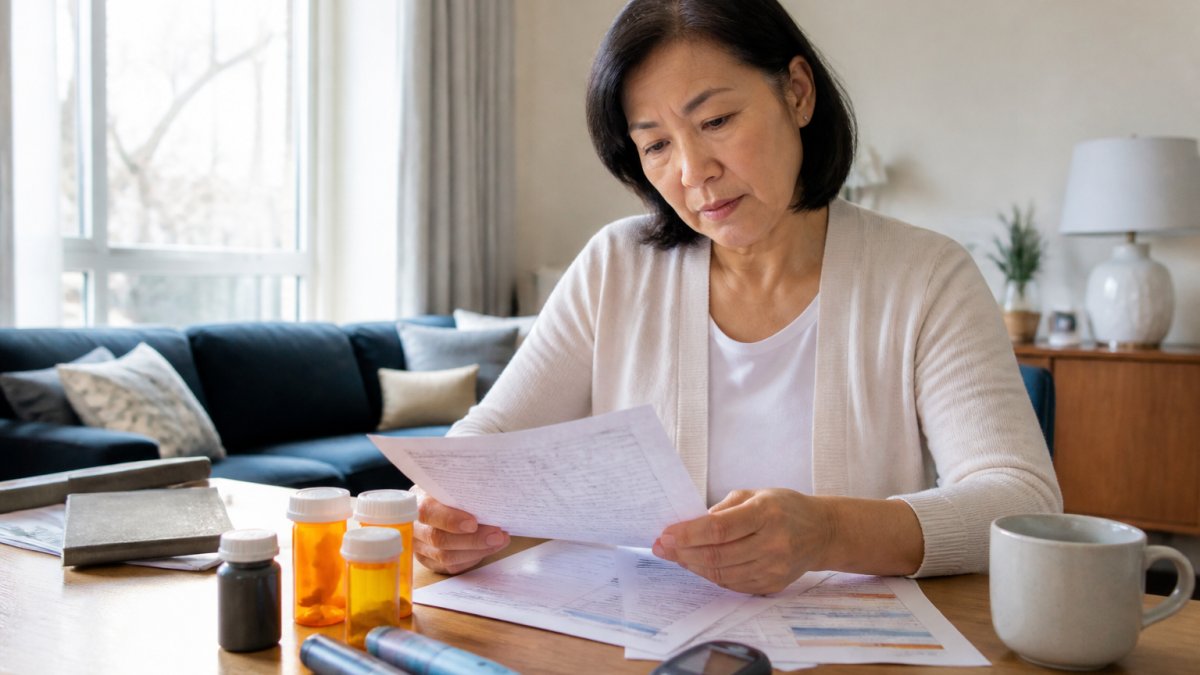
List every diabetes medication you’re taking, including doses and timing. Include any other medications for heart, kidney, or thyroid conditions. Your healthcare provider needs the complete picture to make safe recommendations.
If you’re on insulin, know your current total daily dose. If you’re on multiple oral medications, understand what each one does. This information determines how quickly you can start GLP-1 and what adjustments might be needed.
Step 2: Get baseline blood glucose and HbA1c measurements
Your healthcare provider will order blood work to establish your starting point. This includes fasting glucose, HbA1c (your 3-month average), and kidney function tests. These measurements guide all future decisions about your diabetes plan.
Step 3: Start GLP-1 at the lowest available dose
GLP-1 medicines come in different starting doses. Beginning low allows your body to adapt and reduces nausea risk. Most people tolerate the lowest dose well.
Your healthcare provider will give you specific instructions for injecting or taking your GLP-1 medicine. Follow these exactly. Most GLP-1 medicines are injected once weekly. Some are daily pills.
Step 4: Continue your other medications unchanged for the first week
Don’t adjust your existing diabetes medications yet. Give your body time to respond to the GLP-1. Keep a detailed log of your blood glucose readings, meals, and any side effects.
Step 5: Review your glucose logs after 1 week
Look for patterns. Are your readings lower than before? By how much? Are you experiencing any hypoglycemia? This information tells you whether your other medications need adjustment.
If your blood glucose is dropping significantly, your healthcare provider will likely reduce your other medications. If it’s unchanged, you might increase the GLP-1 dose or wait another week.
Step 6: Adjust other medications based on glucose patterns
If you’re on insulin, your dose typically decreases by 10-20% after the first week of GLP-1. If you’re on sulfonylureas, they often need reduction too. Metformin usually stays the same.
Your healthcare provider makes these adjustments based on your specific glucose readings. Never change doses on your own.
Step 7: Increase GLP-1 dose gradually if needed
Most GLP-1 medicines increase doses every 1-4 weeks until you reach the target dose. This gradual increase allows your body to adjust and minimizes nausea. Don’t rush this process.
Step 8: Monitor glucose every 2 weeks for the first month
Check in with your healthcare provider every 2 weeks. Bring your glucose logs. Discuss any symptoms or concerns. This frequent contact ensures safe integration.
Step 9: Transition to monthly monitoring after 4 weeks
Once your glucose is stable and you’re at your target GLP-1 dose, you can move to monthly check-ins. Continue checking your blood glucose regularly at home.
Step 10: Recheck HbA1c after 3 months
Three months of stable glucose control should show up in your HbA1c. If it’s improved, you’re on the right track. If it’s unchanged or worse, your healthcare provider might adjust doses again.
Integration takes time and careful monitoring. Most people feel confident with their new medication combination within 4-6 weeks. The first month is when the most adjustments happen.
Integrating a GLP-1 receptor agonist with your existing diabetes medications is a process, not an event. It requires clear communication with your healthcare provider and consistent monitoring of your blood glucose. At Ascend Vitality, we understand that managing multiple medications can feel overwhelming. Our team helps you navigate dose adjustments, track your glucose patterns, and coordinate with your healthcare provider to support your diabetes plan. The goal is to support better blood glucose control, weight loss if that’s your priority, and reduced risk of diabetes complications, while minimizing hypoglycemia and side effects.
Frequently Asked Questions
Is it safe to take metformin and GLP-1 together?
Yes, combining metformin with GLP-1 therapy is safe and often recommended. Metformin reduces liver glucose production while GLP-1 slows gastric emptying and improves insulin secretion, they work through different mechanisms. Clinical evidence supports this combination for improved glycemic control. Your prescribing clinician will monitor blood glucose and adjust doses as needed, particularly watching for gastrointestinal side effects that may occur when starting GLP-1.
Can I take a GLP-1 medication if I’m already on basal insulin?
Yes, combining GLP-1 with basal insulin is effective and supported by clinical data. However, your insulin dose typically requires reduction to prevent hypoglycemia, since GLP-1 enhances your body’s natural glucose regulation. Your clinician will adjust basal insulin downward during initiation and monitor blood glucose closely. This combination often improves both glycemic control and body weight outcomes compared to either therapy alone.
What should I do if I experience hypoglycemia after starting GLP-1?
Hypoglycemia risk increases when GLP-1 is added to existing glucose-lowering medications, particularly sulfonylureas and insulin. If you experience symptoms like trembling, sweating, or confusion, treat immediately with 15 grams of fast-acting carbohydrate and retest blood glucose in 15 minutes. Report all hypoglycemic episodes to your prescribing clinician, they will likely reduce doses of your other medications. Carry glucose tablets or gel at all times during the adjustment period.
How often should I check my blood glucose when integrating GLP-1 with other diabetes medications?
During the first 2-4 weeks of GLP-1 initiation, check blood glucose at least twice daily (fasting and before meals) or as directed by your clinician. This frequent monitoring helps identify dose adjustments needed for your other medications. After stabilization, most patients check once or twice daily. If using continuous glucose monitoring, review trends weekly with your clinician. More frequent monitoring is critical if you’re also taking insulin or sulfonylureas.