
Signs Your Sermorelin Dosage Is Too High: A Safety Guide
Last Updated: July 10, 2026
Recognizing signs your sermorelin dosage is too high is critical for anyone using this growth hormone-releasing hormone (GHRH) therapy. At Ascend Vitality, we’ve tracked countless cases where patients experienced unnecessary discomfort simply because their dosage exceeded what their body could safely process. The difference between a therapeutic dose and an excessive one often comes down to subtle physical and systemic changes that many practitioners overlook. Below, we’ll show you exactly how to identify these warning signals, understand the mechanisms behind them, and take corrective action before complications develop.
Sermorelin works by stimulating the pituitary gland to release growth hormone naturally. When dosage climbs too high, the endocrine system becomes overstimulated, triggering a cascade of adverse effects. What makes this particularly challenging is that some symptoms overlap with normal adjustment periods, making it essential to understand the distinction between expected adaptation and genuine overdose markers.
Signs Your Sermorelin Dosage Is Too High: Early Warning Indicators
The most reliable early warning signs appear within days to weeks of dosage increases. Physical symptoms tend to manifest first because they’re the body’s most direct response to hormonal imbalance.
Fluid retention represents one of the earliest and most common indicators. You’ll notice puffiness in your face, hands, or feet, often most apparent in the morning or after standing for extended periods. This isn’t the mild bloating some experience during normal adjustment; it’s visible swelling that doesn’t resolve with simple hydration adjustments.
Joint and muscle discomfort frequently accompanies excessive dosage. Wrist pain and carpal tunnel-like symptoms are particularly common because sermorelin increases IGF-1 production, which can cause nerve compression in tight anatomical spaces. Some patients report diffuse muscle aches or a sensation of heaviness in the limbs.
Headaches that persist despite over-the-counter pain relief suggest hormone levels have climbed beyond your therapeutic range. These aren’t typical tension headaches, they often feel pressure-based and may worsen with physical activity.
Injection site reactions that extend beyond the immediate area warrant attention. Normal reactions stay localized to the injection site and resolve within hours. If redness, warmth, or swelling spreads outward or persists for days, your body may be signaling intolerance to the current dose.
Track the timing of symptoms relative to your injections. Symptoms appearing 2-4 hours post-injection and persisting for 8+ hours suggest dosage excess rather than normal adjustment. Keep a simple log noting time of injection, dose, and any physical changes observed.
Common Sermorelin Side Effects and Excessive Dosage Reactions
Understanding the distinction between normal adjustment and overdose is where many patients and practitioners stumble. Sermorelin does cause side effects in a therapeutic range, this is expected. The problem emerges when these effects intensify or new symptoms develop.
Normal adjustment-phase side effects typically include mild flushing, slight fatigue for 24-48 hours post-injection, and minimal injection site irritation. These effects plateau after 2-3 weeks as the body acclimates to the hormone stimulus. If symptoms persist beyond this window or escalate, dosage reduction becomes necessary.
Excessive dosage reactions differ fundamentally. Rather than stabilizing, symptoms worsen over time. A patient experiencing true overdose will report progressive swelling, increasing joint pain, persistent headaches, and sometimes tachycardia (elevated resting heart rate). The endocrine system becomes increasingly dysregulated rather than achieving balance.
A practical approach: document baseline symptoms at your current dose for 7 days. If symptoms improve or remain stable, your dosage is likely appropriate. If they intensify daily, dosage reduction should be considered immediately.
| Symptom | Normal Adjustment | Overdose Signal |
|---|---|---|
| Flushing | Mild, 30-60 min post-injection | Persistent throughout day |
| Injection site reaction | Localized, resolves in 4-6 hours | Spreading redness, lasts 24+ hours |
| Fatigue | Mild, resolves within 48 hours | Progressive, worsens daily |
| Headache | Occasional, responds to pain relief | Daily, resistant to treatment |
| Joint discomfort | Mild stiffness on some days | Progressive pain, limits activity |
| Swelling | Minimal, barely noticeable | Visible puffiness, affects appearance |
Fluid Retention and Edema: A Key Overdose Marker
Fluid retention and edema represent the most reliable physical indicator that sermorelin dosage has exceeded therapeutic ranges. This occurs because elevated growth hormone and IGF-1 levels increase sodium retention and alter vascular permeability.
Recognizing puffiness and swelling patterns requires baseline awareness. Before starting or adjusting sermorelin, note your normal appearance, how your rings fit, whether your face has definition or appears rounded, how your ankles look at day’s end. These observations become your reference point.
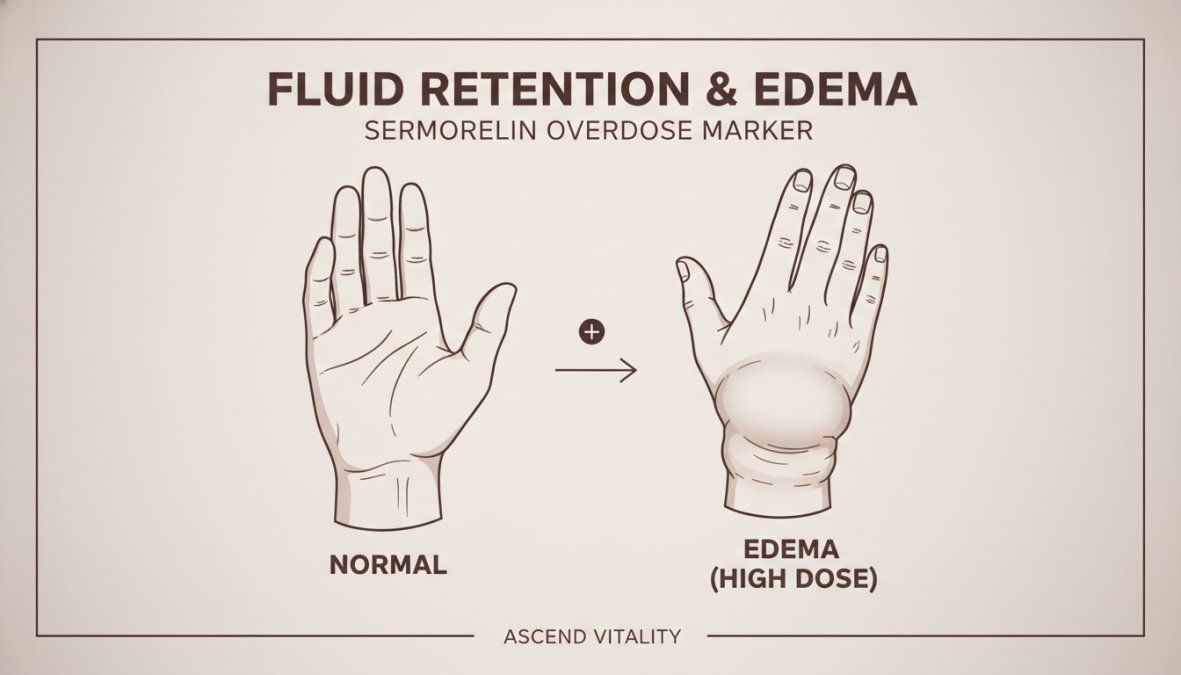
Edema from excessive sermorelin typically appears in predictable locations: fingers (rings become tight), face (cheeks and under-eye area puff), ankles and feet (especially by evening), and sometimes the lower back. The swelling usually feels soft and pits when pressed, your finger leaves a temporary indentation.
Distinguishing sermorelin-induced edema from other causes matters. Edema from excess sermorelin develops within days of dosage increase, worsens progressively, and correlates directly with injection timing. Edema from other causes (kidney issues, cirrhosis, venous insufficiency) develops more gradually and doesn’t track with injection schedules.
A critical distinction: mild puffiness on the first day after injection can be normal. Persistent swelling that doesn’t resolve within 24 hours, or swelling that worsens with each injection, signals dosage excess. Some practitioners recommend measuring ankle circumference at the same time daily, an increase of more than 0.5 inches warrants dosage review.
Rapid or severe edema combined with shortness of breath requires immediate medical evaluation. While rare, excessive fluid retention can occasionally affect cardiac function or indicate an allergic response rather than simple overdose.
Joint and Nerve Pain Symptoms From Excessive Sermorelin
Joint and nerve pain from excessive sermorelin dosage reflects the hormone’s systemic effects on connective tissue and neural structures. Elevated IGF-1 stimulates tissue growth, beneficial in therapeutic doses, problematic in excess.

Wrist pain and carpal tunnel syndrome represent the most common nerve-related complaints. The median nerve runs through a narrow tunnel in the wrist; when surrounding tissues swell from excessive growth hormone, the nerve becomes compressed. Patients report tingling in the thumb and first two fingers, weakness in grip strength, or pain that radiates from wrist to forearm.
The mechanism is straightforward: sermorelin increases IGF-1, which stimulates fibroblast activity and collagen deposition. In tight anatomical spaces like the carpal tunnel, this extra tissue growth compresses nerves. Unlike carpal tunnel from repetitive use, sermorelin-induced compression develops acutely and correlates with dosage timing.
Other joint pain patterns include knee discomfort (especially with weight-bearing activity), shoulder pain, and generalized joint aching. Some patients describe it as “growing pains”, a sensation of pressure within the joint rather than sharp pain. This typically worsens with activity and improves with rest.
Distinguishing sermorelin-related joint pain from other causes requires timeline analysis. If pain began or intensified after starting sermorelin or increasing dosage, and if pain improves when dosage is reduced, sermorelin is almost certainly the cause. Pain that predates sermorelin use or remains unchanged despite dosage adjustment likely stems from other sources.
Dosage reduction usually resolves nerve compression symptoms within 1-2 weeks. Carpal tunnel symptoms may persist slightly longer because tissue resorption takes time, but improvement should be evident within 3 weeks of dosage reduction.
Injection Site Reactions and Local Adverse Effects
Injection site reactions from excessive sermorelin dosage extend beyond normal localized irritation. While mild redness and slight warmth at the injection site are expected, spreading reactions or persistent inflammation signal that dosage has exceeded what local tissues can tolerate.
Normal injection site reactions appear within minutes of injection, peak at 30-60 minutes, and resolve completely within 4-6 hours. The area may be slightly red, warm to touch, and perhaps mildly itchy. This reflects the body’s normal inflammatory response to the injection itself.
Excessive dosage reactions manifest differently. Redness spreads outward from the injection site, forming a larger area of inflammation. The reaction persists for 12-24 hours or longer. Some patients report welts or hives extending beyond the immediate injection area. In rare cases, the reaction becomes warm enough to feel uncomfortable or even painful beyond the first hour.
These localized reactions occur because high concentrations of sermorelin trigger a more strong inflammatory response. The peptide itself can irritate local tissue when present in excessive quantities. Some practitioners believe that injection site reactions also reflect systemic immune activation, the local response mirrors what’s happening throughout the body.
Practical management: rotate injection sites meticulously if you’re experiencing site reactions. Never inject into the same location more than once weekly. If reactions persist despite site rotation, dosage reduction is warranted. Applying ice immediately after injection and avoiding heat exposure for 2-3 hours can minimize localized inflammation.
Sermorelin Dosage Guidelines and Safe Administration Ranges
Understanding therapeutic ranges and peptide therapy protocols provides essential context for recognizing when you’ve drifted into excessive territory. Sermorelin dosage varies significantly based on individual factors, but general guidelines exist.
Typical starting doses range from 0.2 to 0.5 mg injected subcutaneously, usually in the evening. This allows the body to adjust to the hormone stimulus before escalating. Most practitioners titrate upward gradually, increasing by 0.1 to 0.2 mg every 2-4 weeks, rather than jumping to higher doses immediately.
Therapeutic ranges generally fall between 0.5 and 2.0 mg per injection for most adults. Some practitioners go higher for specific indications, but dosages exceeding 2.0 mg daily require close monitoring and strong clinical justification. The relationship between dose and benefit isn’t linear, doubling the dose doesn’t double the effect. Often, the sweet spot for growth hormone stimulation sits in the 1.0 to 1.5 mg range.
Frequency of administration and hormone rhythm considerations matter as much as absolute dose. Sermorelin stimulates a pulsatile growth hormone release pattern, mimicking the body’s natural rhythm. Injecting once daily in the evening aligns with the body’s natural growth hormone pulse, which peaks during early sleep. Some protocols use every-other-day dosing or even twice-daily injections, but these require careful supervision.
The endocrine system thrives on consistency. Erratic injection timing or frequency disrupts the natural hormone rhythm, potentially triggering adverse effects even at moderate doses. A patient taking 1.0 mg daily at consistent times may feel fine, while another taking the same dose at inconsistent times might experience symptoms.
Your ideal sermorelin dosage is the lowest amount that delivers the desired clinical result without triggering adverse effects. More is not better. This principle, often called the “minimum effective dose”, applies universally in hormone therapy.
How to Adjust Sermorelin Dosage Safely: Step-by-Step Protocol
Dosage titration best practices follow a structured approach that prioritizes safety and allows the body time to adapt. Rushing through adjustments is how most excessive dosage situations develop.
Step 1: Establish a baseline. Before making any changes, document your current symptoms, energy levels, sleep quality, and any existing joint or fluid issues for 7-10 days. This baseline becomes your reference point for evaluating whether changes improve or worsen your condition.
Step 2: Make one change at a time. If you’re adjusting dosage, hold frequency constant. If you’re changing timing, keep the dose stable. Changing multiple variables simultaneously makes it impossible to identify which change caused which effect.
Step 3: Increase by no more than 0.1-0.2 mg per adjustment. Smaller increments allow your endocrine system to adapt gradually. After each increase, wait 2-3 weeks before assessing effects. This patience prevents overshoot.
Step 4: Monitor the specific markers. Track fluid retention (measure ankles or how clothes fit), joint pain (rate on a 1-10 scale), injection site reactions (note size and duration), headaches, and resting heart rate. These are your early warning signals.
Step 5: If adverse effects emerge, reduce immediately. Don’t wait for symptoms to worsen. A 0.1-0.2 mg reduction often eliminates excessive dosage symptoms within 3-7 days. Document how you feel at the reduced dose.
Reversal protocols for high dosage follow a similar logic. If you’ve been taking 2.0 mg daily and experiencing edema and joint pain, don’t drop to 0.5 mg overnight. Instead, reduce by 0.2-0.3 mg every 3-5 days. This gradual reduction allows your body to readjust to lower hormone levels without triggering rebound effects or withdrawal-like symptoms.
Some patients find that their symptoms resolve at a lower dosage than they initially expected. This is actually ideal, you’ve found your individual therapeutic window. Others discover they need higher doses but must accept some minor side effects as the trade-off. The goal is informed decision-making, not chasing a symptom-free experience that may not be realistic at therapeutic dosages.
Medical Supervision and Endocrinologist Oversight
Sermorelin therapy demands ongoing medical supervision, particularly when dosage adjustments are being made. An endocrinologist or physician experienced with peptide therapy provides essential oversight that self-managed protocols cannot replicate.
Your healthcare provider should establish baseline labs before sermorelin therapy begins: fasting glucose, IGF-1 levels, comprehensive metabolic panel, and thyroid function. These establish your individual baseline and identify any pre-existing conditions that might complicate sermorelin use.
Symptom tracking logs represent one of the most valuable tools for detecting excessive dosage early. Rather than relying on memory, maintain a simple daily log documenting injection dose, time, and any physical changes: swelling, joint pain, headaches, sleep quality, energy levels, appetite changes. Review this log with your provider at regular intervals, typically every 4-6 weeks during dose titration.
Biological markers for overdose include elevated fasting glucose (sermorelin can increase insulin resistance at high doses), persistently elevated IGF-1 above the normal range for your age, and sometimes mild elevations in liver enzymes if the body is working hard to process excessive hormone stimulus. Your provider can order repeat labs 4-6 weeks after dosage changes to catch these shifts before they become clinically significant.
Medical supervision also provides the expertise to distinguish sermorelin-related symptoms from other causes. A patient experiencing wrist pain might assume it’s carpal tunnel from sermorelin when it actually stems from repetitive strain. A provider can assess the clinical picture holistically and recommend appropriate adjustments.
Schedule follow-up appointments at predictable intervals, not just when problems arise. Proactive monitoring catches excessive dosage situations before they cause lasting discomfort. Most complications from sermorelin result from dosages that drifted too high without proper oversight.
Sermorelin Interactions With Supplements and Other Medications
Sermorelin doesn’t exist in isolation within the body, it interacts with other substances, some of which can amplify its effects or create unexpected adverse reactions.
Certain supplements enhance growth hormone signaling and should be used cautiously alongside sermorelin. Arginine, ornithine, and other amino acids that promote GH release can potentiate sermorelin’s effects, potentially pushing you into excessive territory even at a moderate sermorelin dose. If you’re already taking these supplements, your sermorelin dosage may need to be lower than standard recommendations.
Thyroid hormones interact with sermorelin in complex ways. If you’re on thyroid replacement therapy, thyroid hormone levels influence how your body responds to sermorelin. Some patients find they need dosage adjustment when thyroid medication changes. Conversely, sermorelin itself can slightly affect thyroid function, so periodic thyroid panel monitoring is prudent.
Medications that affect insulin sensitivity, including some blood pressure medications and certain antidepressants, can modify sermorelin’s metabolic effects. Sermorelin naturally increases insulin resistance slightly; combining it with other insulin-sensitizing medications might require dosage adjustments to either medication.
Alcohol consumption deserves mention. Alcohol impairs growth hormone secretion and can interfere with sermorelin’s mechanism of action. Regular heavy drinking may reduce sermorelin’s effectiveness, potentially prompting dosage increases that weren’t actually necessary.
The practical approach: inform your healthcare provider of all supplements and medications before starting sermorelin. This allows your provider to identify potential interactions and adjust dosages accordingly. If you start a new supplement or medication after beginning sermorelin, discuss it with your provider before assuming your current sermorelin dose remains appropriate.
What to Do If You Suspect Excessive Dosage
If you’re experiencing signs your sermorelin dosage is too high, prompt action prevents complications from worsening and allows you to identify your true therapeutic window.
First, document your symptoms clearly. Write down when they started, which symptoms appeared first, how they’ve progressed, and whether they correlate with your injection schedule. This documentation helps your provider assess severity and make informed recommendations.
Contact your prescribing physician immediately, don’t wait for a scheduled appointment. Many excessive dosage situations resolve quickly with simple dosage reduction, but your provider needs to assess your individual situation. Never adjust sermorelin dosage on your own without medical guidance, even if you’re confident the dose is too high.
Your provider will likely recommend one of several approaches: reducing the current dose by 0.1-0.3 mg and reassessing in 1-2 weeks, increasing the interval between injections (shifting from daily to every-other-day, for example), or temporarily pausing sermorelin while symptoms resolve. The specific recommendation depends on symptom severity and your clinical history.
During the adjustment period, continue tracking symptoms daily. Most excessive dosage symptoms, edema, joint pain, headaches, improve noticeably within 3-7 days of dosage reduction. If symptoms persist or worsen despite reduction, contact your provider again for further evaluation.
Once symptoms resolve, work with your provider to identify your optimal dosage. This is typically the lowest dose that provides desired clinical benefits without triggering adverse effects. Some patients find this sweet spot at 0.8 mg daily; others need 1.5 mg. Individual variation is normal and expected.
Recognizing excessive sermorelin dosage early prevents unnecessary discomfort and helps you find the dose that actually works for your body. Fluid retention, joint pain, persistent headaches, and spreading injection site reactions are your body’s way of signaling that dosage has climbed too high. Ascend Vitality specializes in medically-supported hormone optimization programs that include ongoing dosage monitoring, symptom tracking, and prescriptions delivered directly to you. Rather than managing sermorelin adjustments alone, working with a specialized provider ensures your dosage stays within your therapeutic window while maximizing the benefits you’re seeking. Start with a consultation to establish your baseline and develop a personalized protocol tailored to your individual needs.
Frequently Asked Questions
What are the common side effects of too much sermorelin?
Excessive sermorelin dosage commonly causes fluid retention and edema, joint pain (especially in the wrists), nerve pain symptoms, headaches, and tachycardia. Injection site reactions including redness and swelling may also occur. These symptoms typically appear within days to weeks of dosage increases. If you experience multiple symptoms simultaneously, contact your prescribing physician immediately for dosage evaluation and adjustment.
How do I know if my sermorelin dosage is too high based on biological markers?
Biological markers of excessive sermorelin dosage include elevated IGF-1 levels beyond the therapeutic range, disrupted hormone rhythm patterns, and abnormal endocrine system responses. Your endocrinologist should monitor IGF-1 through regular blood work. Symptom tracking logs help correlate dosage timing with physical responses. Clinical guidelines recommend maintaining IGF-1 within age-appropriate ranges; exceeding these suggests dosage titration is needed to restore hormone balance.
Can sermorelin side effects be reversed by lowering the dose?
Yes, most sermorelin side effects are reversible through proper dosage adjustment. Fluid retention typically resolves within 1-2 weeks of reducing your dose. Joint and nerve pain symptoms usually improve gradually as hormone levels stabilize. Injection site reactions resolve quickly once administration technique is corrected. However, reversal timelines vary by individual and symptom severity. Work with your healthcare provider to establish a reversal protocol that reduces your dose gradually while monitoring symptom improvement.
Should I stop sermorelin entirely if I suspect overdose symptoms?
Do not stop sermorelin abruptly without medical guidance. Sudden discontinuation can cause hormonal imbalance and rebound effects. Instead, contact your prescribing endocrinologist or healthcare provider immediately to discuss your symptoms. They will likely recommend a gradual dosage reduction following established clinical guidelines rather than complete cessation. Medical supervision is critical to ensure safe adjustment and prevent complications from rapid hormone level changes.