

Last Updated: July 17, 2026
When evaluating the 5 best glp-1 weight loss programs for women, you’re looking at more than just medication access, you’re examining comprehensive care pathways designed for female physiology, hormonal health, and long-term sustainability. At Ascend Vitality, we’ve reviewed the landscape of GLP-1 programs specifically tailored for women’s needs, and the differences between providers matter significantly. According to recent telehealth industry data, women now represent over 60% of GLP-1 program enrollees, yet most programs were built with generic weight loss in mind, not the hormonal realities women face.
Below, we’ll show you exactly how to evaluate the 5 best GLP-1 weight loss programs for women in 2026, what makes each one distinct, and which approach fits your specific situation, whether you’re managing perimenopause, seeking behavioral support alongside medication, or prioritizing long-term maintenance strategies that competitors rarely discuss.
The real difference between programs isn’t just the medication, it’s whether they address women’s hormonal fluctuations, provide adequate psychological support, and have clear tapering protocols for long-term use. Most guides skip this entirely.
5 Best GLP-1 Weight Loss Programs for Women: Quick Comparison
| Program | Starting Cost | Medical Supervision | Behavioral Support | Best For |
|---|---|---|---|---|
| Ascend Vitality | Varies by plan | Specialized care pathways | Integrated coaching | Women seeking female-focused hormonal health integration |
| Calibrate | $199/month + medication | Year-long medical oversight | Biweekly health coaching | Structured 12-month commitment with intensive support |
| Noom Med | $79-$279/month | Telehealth physicians | Psychology-based coaching | Behavioral change + medication combination |
| WeightWatchers Clinic (Sequence) | $49-$149/month + medication | Licensed clinicians | Dietitian + Points program | Established behavioral framework integration |
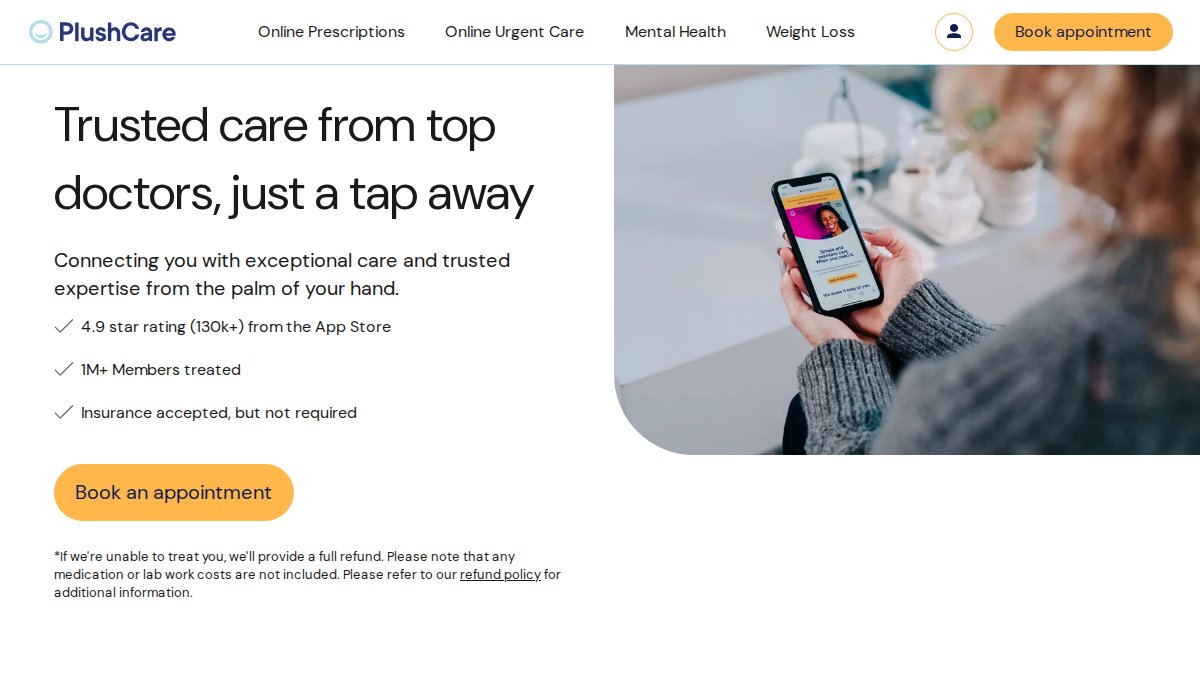
| PlushCare | $129 per visit + medication | Board-certified physicians | Dietitian access included | Primary care approach with GLP-1 integration |
How We Selected the Best GLP-1 Weight Loss Programs for Women
Selecting the 5 best glp-1 weight loss programs for women required evaluating programs across multiple dimensions that matter specifically to female patients. We examined medical supervision quality, whether programs address hormonal health considerations, the strength of behavioral and psychological support, accessibility through telehealth, insurance navigation assistance, and crucially, whether providers have experience with women over 40, perimenopause, and long-term medication management.

Most comparison guides focus on price and medication options alone. That misses what separates adequate programs from excellent ones: does the program acknowledge that women’s weight loss patterns differ during menstrual cycles? Do they have protocols for managing nausea differently in women? Are they trained in recognizing and addressing emotional eating and body image concerns that disproportionately affect women? The programs below all demonstrated strength in these areas.
Many programs market “personalized care” but provide generic protocols. The programs listed here have documented experience with female-specific considerations, not just theoretical acknowledgment of them.
1. Ascend Vitality: Specialized Care for Female Wellness
Ascend Vitality stands apart by connecting you with specialized care pathways that prioritize female wellness needs. Rather than a one-size-fits-all GLP-1 program, Ascend Vitality provides targeted online care for weight loss, health, and hormones, recognizing that these three elements are deeply interconnected for women. The platform delivers medically-supported programs with prescriptions sent directly to you, eliminating the friction of traditional pharmacy pickups and enabling discreet, convenient access to treatments.
What makes Ascend Vitality particularly valuable for women is the integration of hormonal health into weight management protocols. The platform doesn’t treat weight loss as isolated from menstrual health, thyroid function, or metabolic changes during perimenopause. This matters because women’s weight fluctuates predictably with hormonal cycles, yet most programs ignore this reality entirely. Ascend Vitality’s approach acknowledges these patterns and adjusts expectations and strategies accordingly.
The convenience factor cannot be overstated. Everything happens online, initial consultation, ongoing adjustments, prescription delivery. For women juggling work, family, and health management, this removes a significant barrier to consistent care. The discreet nature of medication delivery also addresses a real concern: many women feel self-conscious picking up weight loss medications at traditional pharmacies.
Pros and Cons
Pros:
- Specialized focus on female wellness and hormonal integration
- Fully online care pathway with home delivery
- Targeted approach to women’s specific health needs
- Discreet medication delivery
- Access to medically-supported programs without traditional pharmacy friction
Cons:
- Pricing varies by plan (transparency requires direct inquiry)
- May require more patient initiative in lifestyle management compared to intensive coaching programs
- Not ideal if you prefer in-person relationships with providers
2. Calibrate: Medical Supervision with Year-Long Support
Calibrate offers a metabolic reset program built around a full year of medical supervision, GLP-1 medication, and structured lifestyle intervention. This isn’t a program you dip in and out of, it’s a commitment to a defined 12-month protocol with biweekly video visits, an online curriculum, and an insurance navigation team handling prior authorizations.

The year-long structure matters for women specifically. Weight loss with GLP-1s isn’t linear, and hormonal fluctuations create plateaus that can feel discouraging. Calibrate’s extended timeline acknowledges this reality and provides consistent support through the inevitable ups and downs. The biweekly coaching calls prevent the isolation many women feel when managing weight loss alone, and the curriculum covers nutrition, movement, and the psychological dimensions of eating behavior.
Calibrate’s insurance navigation team handles the administrative burden that derails many women, prior authorizations, coverage verification, appeals. For women already managing multiple health responsibilities, having someone else navigate insurance logistics is genuinely valuable. The program also includes a 50% refund guarantee if you don’t lose 10% of body weight within the year (with specific adherence conditions), which signals confidence in their approach.
Pros and Cons
Pros:
- Full year of structured medical oversight
- Biweekly coaching calls provide consistent human contact
- Strong insurance navigation support
- Money-back guarantee creates accountability
- Online curriculum covers behavioral and nutritional dimensions
Cons:
- High upfront commitment ($597 minimum for first three months)
- Medication costs are separate and can exceed $1,000/month without insurance
- Requires consistent engagement with biweekly visits
- Not flexible for those wanting shorter-term programs
3. Noom Med: Behavioral Coaching Meets GLP-1 Medication
Noom Med integrates GLP-1 medications with Noom’s psychology-based behavioral program, creating a hybrid approach that addresses both the biological and behavioral sides of weight management. This matters because appetite suppression from medication can mask underlying eating patterns, you’re not hungry, but you haven’t addressed why you turned to food for comfort or stress relief in the first place.
Noom’s psychology framework uses cognitive behavioral therapy principles to help identify and reshape eating behaviors. The program offers multiple tiers: telehealth-only plans starting at $69/month, microdose GLP-1 programs starting at $79-$199/month, and full-dose programs at $199-$279/month. The flexibility allows women to choose the intensity level matching their needs and budget. Medication is delivered directly to your home, and the app provides daily coaching, tracking, and community support.
For women specifically, Noom Med’s behavioral focus is particularly relevant. Many women report that GLP-1 medications reduce appetite but don’t address the emotional eating patterns that contributed to weight gain initially. Without addressing the psychological component, weight regain becomes likely once medication is discontinued. Noom’s integration of behavioral coaching alongside medication creates better long-term outcomes.
Pros and Cons
Pros:
- Combines medication with proven behavioral psychology framework
- Multiple program tiers allow customization
- Psychology-based approach addresses emotional eating
- Direct home medication delivery
- Daily coaching through the app
- Lower entry price points than some competitors
Cons:
- Compounded medications are not FDA-approved (though effective)
- Branded GLP-1s (Wegovy, Zepbound) cost extra and are insurance-dependent
- Behavioral coaching requires consistent app engagement
- Less intensive medical supervision than programs like Calibrate
4. WeightWatchers Clinic (Sequence): Integrated Program with Dietitian Support
WeightWatchers Clinic, operating under the Sequence brand, connects patients with licensed clinicians for GLP-1 prescriptions while integrating the established WeightWatchers Points behavioral program and dietitian access. This approach leverages decades of behavioral weight loss experience alongside modern medication options, creating a hybrid that works particularly well for women already familiar with WeightWatchers or preferring a structured, points-based system.
The program’s insurance checker tool helps estimate out-of-pocket medication costs upfront, eliminating surprises. Dedicated insurance coordinators handle prior authorizations, removing administrative friction. Initial consultations cost $49, followed by $74-$149/month depending on plan selection. Medications prescribed are FDA-approved options like Wegovy and Zepbound, with costs ranging from $0-$50/month with insurance and savings cards, or $1,000-$1,349/month without coverage.
For women, the integration with WeightWatchers’ established nutrition framework provides structure and community. The Points system simplifies food choices without requiring detailed calorie counting, and the dietitian access ensures medication adjustments align with nutritional strategy. The combination of GLP-1 medication reducing appetite while the Points system guides food choices creates a coherent approach.
Pros and Cons
Pros:
- Integrates with WeightWatchers’ established behavioral framework
- Dietitian support included
- Strong insurance coordination and transparency tools
- Access to FDA-approved medications
- Community aspect through WeightWatchers network
- Reasonable initial consultation cost ($49)
Cons:
- Medication costs are entirely separate from membership
- Mixed user reviews regarding billing and customer service
- Requires comfort with WeightWatchers Points system
- Insurance coverage variability creates unpredictable costs
5. PlushCare: Board-Certified Physicians with Primary Care Approach
PlushCare operates as a primary-care-style telehealth platform offering weight loss prescribing, including GLP-1 medications like Zepbound, Wegovy, and Saxenda. Board-certified physicians conduct consultations, and the platform includes dietitian access at no additional cost, a meaningful differentiator compared to competitors charging extra for nutritional guidance.
Consultations cost $129 per visit without insurance, with optional monthly membership at $19.99/month for discounts and scheduling priority. Medication costs are separate and insurance-dependent, ranging from approximately $1,000/month without coverage. PlushCare’s strength lies in treating weight loss as part of broader primary care rather than an isolated intervention. Physicians consider overall health, medications, and medical history when prescribing GLP-1s, reducing the risk of contraindications or problematic interactions.
For women, this primary care integration matters. Weight loss doesn’t exist in a vacuum, thyroid function, blood pressure, metabolic markers, and other health factors influence both eligibility for GLP-1s and appropriate dosing. PlushCare’s physicians assess these holistically rather than simply writing prescriptions. The included dietitian access ensures nutritional strategy aligns with medication protocols.
Pros and Cons
Pros:
- Board-certified physicians provide primary care perspective
- Dietitian access included at no additional cost
- Prior authorization assistance for insurance coverage
- Treats weight loss within broader health context
- Telehealth convenience
- Optional membership provides scheduling flexibility
Cons:
- High per-visit cost without insurance ($129)
- Medication costs are separate and often substantial
- Less intensive behavioral coaching than some competitors
- Membership fee doesn’t include medication coverage
GLP-1 for Women Over 40: Special Considerations
Women over 40 face distinct physiological realities that most generic GLP-1 programs don’t adequately address. Perimenopause and menopause create metabolic shifts, hormonal fluctuations affecting appetite regulation, and changes in how the body distributes weight. GLP-1 medications work differently in this context, and effective programs acknowledge these differences rather than applying the same protocols used for younger women.
Metabolic rate naturally declines with age, particularly during perimenopause when estrogen fluctuations destabilize metabolic regulation. This means weight loss may be slower for women over 40 than for younger cohorts, a reality that can feel demoralizing if programs don’t set appropriate expectations. Additionally, women over 40 often carry visceral fat (around organs) rather than subcutaneous fat, which carries greater health risks but responds differently to GLP-1 medications and lifestyle changes.
Hormonal fluctuations during perimenopause can amplify GLP-1 side effects like nausea and gastrointestinal changes. Programs serving women over 40 should adjust dosing protocols accordingly, potentially starting at lower doses and titrating more slowly. The psychological component also shifts, women over 40 often have decades of dieting history, weight cycling trauma, and body image concerns requiring specialized therapeutic approaches. Standard behavioral coaching designed for younger populations may miss these nuances entirely.
The best programs for women over 40 explicitly acknowledge that perimenopause and menopause change how GLP-1 medications work and how weight loss progresses. Generic protocols designed for younger women often fail because they ignore these physiological realities.
Long-term medication management becomes increasingly important after 40. Many women worry about dependency or what happens when they stop taking GLP-1s. Evidence-based programs should discuss maintenance phases, tapering strategies, and how to sustain weight loss after medication discontinuation, topics most programs avoid entirely.
GLP-1 Side Effects Women Should Know About
The most common GLP-1 side effects, nausea, vomiting, constipation, and diarrhea, affect women differently than men due to hormonal factors and potentially different medication metabolism. Women report nausea more frequently and intensely than men at equivalent doses, yet many programs don’t adjust protocols accordingly. This isn’t a minor inconvenience; severe nausea can trigger medication discontinuation, derailing the entire program.
Gastrointestinal side effects also interact with hormonal cycles. Some women report worsening nausea during certain phases of their menstrual cycle, suggesting hormonal modulation of GLP-1 effects. Programs should track these patterns and adjust dosing timing or magnitude accordingly. Additionally, GLP-1-induced nausea can exacerbate eating disorders or disordered eating patterns in women with history of these conditions, a screening question most programs skip.
Beyond gastrointestinal effects, women report hair loss more frequently than men during GLP-1 treatment. This likely reflects rapid weight loss triggering telogen effluvium (temporary hair shedding), but the psychological impact on women disproportionately exceeds the actual medical risk. Programs should normalize this side effect and provide reassurance that it typically reverses within months.
Thyroid function changes represent another consideration. Some women experience thyroid antibody elevation during GLP-1 treatment, though clinical thyroid dysfunction remains rare. For women with existing thyroid conditions or family history of autoimmune thyroid disease, baseline thyroid screening and periodic monitoring should be standard. Most programs don’t proactively monitor thyroid markers, leaving women to discover problems independently.
Dehydration risk increases with GLP-1 medications, particularly when combined with gastrointestinal side effects. Women often underestimate fluid needs, and dehydration can worsen medication side effects while creating its own complications. Effective programs should provide specific hydration targets and monitoring strategies rather than vague “drink more water” advice.
Cost of GLP-1 Programs for Women: What to Expect
The financial reality of GLP-1 treatment involves multiple cost layers: program membership or consultation fees, medication costs, and ancillary services like dietitian or coaching access. Total monthly costs range from approximately $100 to $2,000+ depending on program structure and insurance coverage.
Program membership or consultation fees typically range from $49-$199 monthly. Calibrate charges $199/month with a three-month minimum commitment. WeightWatchers Clinic charges $49 for initial consultation then $74-$149/month. PlushCare charges $129 per visit or $19.99/month membership. Noom Med ranges from $69-$279/month depending on program tier.
Medication costs create the largest variability. With commercial insurance and manufacturer savings cards, branded GLP-1s like Wegovy and Zepbound can cost as little as $25/month. Without insurance, the same medications cost $1,000-$1,350/month. Compounded GLP-1s (offered by some programs) cost $150-$300/month but aren’t FDA-approved. This creates a perverse situation where uninsured women pay 4-5 times more than insured women for identical medications.
Prior authorization requirements add time and uncertainty. Insurance plans often require documentation of failed previous weight loss attempts, BMI thresholds, or comorbidities before approving coverage. Some women wait weeks or months for approval; others face denials requiring appeals. Programs with dedicated insurance navigation teams (like Calibrate and WeightWatchers Clinic) handle this complexity, while others leave patients to navigate alone.
Ancillary costs vary. Some programs include dietitian access; others charge extra. Behavioral coaching ranges from included in membership to $50-$100+ per session. These costs compound over a year-long program, potentially adding $500-$2,000 to total expenses.
Choosing among the 5 best glp-1 weight loss programs for women ultimately depends on whether you prioritize comprehensive hormonal health integration, structured year-long commitment, behavioral psychology support, established community frameworks, or primary care integration. Ascend Vitality’s specialized focus on female wellness and hormonal health integration makes it the strongest choice for women seeking care designed specifically around female physiology rather than adapted from generic protocols. The platform’s direct-to-home medication delivery and hormonal health integration address gaps that competitors overlook entirely. Start by exploring Ascend Vitality’s approach to female-focused GLP-1 care and see how their specialized pathways align with your specific health needs and goals.
Frequently Asked Questions
How do GLP-1 medications work for weight loss in women?
GLP-1 receptor agonists like semaglutide and tirzepatide mimic the GLP-1 hormone, which regulates appetite and digestion. These medications slow gastric emptying, increase feelings of fullness, and reduce hunger signals in the brain. FDA-approved options like Wegovy and Zepbound are specifically designed for chronic weight management. Women may experience these effects differently due to hormonal variations, making specialized programs valuable for tailored dosing and monitoring.
What are the most common GLP-1 side effects women experience?
Common GLP-1 side effects women report include nausea, diarrhea, constipation, and vomiting, particularly during dose escalation. Gastrointestinal symptoms typically decrease over time as the body adjusts. Women may also experience changes in appetite perception and taste preferences. Side effects are generally mild to moderate and manageable with dietary adjustments. Reporting side effects to your provider is crucial, many programs offer nutritional guidance to minimize discomfort and improve tolerability.
Does insurance typically cover GLP-1 weight loss programs for women?
Insurance coverage varies significantly. Many commercial plans cover FDA-approved GLP-1 medications like Wegovy and Zepbound for weight loss when prior authorization is obtained, though copays typically range from $25-$50 monthly with coverage. Without insurance, brand-name medications cost $900-$1,800 monthly. Program membership fees (separate from medication costs) range from $49-$199 monthly depending on the provider. Check your specific plan and use the insurance tools available through programs like WeightWatchers Clinic to estimate out-of-pocket costs.
What should women look for when choosing a GLP-1 weight loss program?
Prioritize programs offering medical supervision, provider accessibility, and support for hormonal health considerations. Evaluate whether the program includes behavioral coaching, nutritional guidance, and insurance navigation assistance. Check if they prescribe FDA-approved medications (Wegovy, Zepbound, Saxenda) versus compounded options. Consider the program’s approach to side effect management and long-term maintenance strategies. Read user reviews specifically about customer service and billing clarity, as these vary widely across platforms.
Are online GLP-1 weight loss programs as effective as in-person treatment?
Yes, telehealth GLP-1 programs deliver comparable results to in-person care when they include proper medical supervision, dose management, and behavioral support. The convenience of online programs often improves adherence. However, effectiveness depends on the program’s quality. Look for platforms offering regular provider check-ins (not just initial consultations), access to licensed physicians or nurse practitioners, and integrated coaching or nutritional support. Programs combining medication with behavioral intervention tend to produce better long-term outcomes than medication alone.