Last Updated: July 25, 2026
What Is GLP-1 and Why Supplements Target It
GLP-1 (glucagon-like peptide-1) is a hormone that regulates blood sugar levels, controls appetite, and slows gastric emptying, the rate at which food moves through your stomach. At Ascend Vitality, we’ve observed that interest in GLP-1 support has surged as people seek both pharmaceutical and natural approaches to metabolic health.
Prescription GLP-1 receptor agonists like semaglutide directly mimic the hormone’s action. A glucagon-like peptide-1 supplement, by contrast, typically contains dietary ingredients that support your body’s natural GLP-1 production or enhance its effects through different mechanisms.
GLP-1 influences three critical metabolic processes: appetite suppression, blood sugar regulation, and insulin sensitivity. When optimized, it reduces cravings, improves postprandial blood sugar control, and increases satiety, the feeling of fullness that prevents overeating.
Most people don’t realize that GLP-1 production happens naturally in your intestines when you eat protein and fiber. The hormone is released from cells in your small intestine in response to nutrients. This is why diet fundamentally shapes your GLP-1 levels before any supplement enters the picture.
How GLP-1 Works in the Body
When you eat, cells in your small intestine detect nutrients and release GLP-1 into your bloodstream. This hormone travels to your brain, pancreas, and digestive system, triggering multiple effects.
In your brain, GLP-1 acts on the hypothalamus, the region responsible for hunger and satiety signals. It tells your brain you’re fuller than you actually are, reducing the drive to eat more. Simultaneously, GLP-1 signals your pancreas to release insulin in response to rising blood sugar, improving insulin sensitivity and preventing glucose spikes.
GLP-1 also slows gastrointestinal transit time, allowing nutrients to absorb more gradually and blood sugar to rise more steadily. The gut-brain axis, that bidirectional communication system between your digestive tract and central nervous system, is fundamentally involved in this process.
GLP-1 doesn’t work in isolation. It interacts with other hormones like peptide YY, which also signals fullness, and glucagon, which manages blood sugar. Understanding this hormonal balance is essential before considering any glucagon-like peptide-1 supplement approach.
GLP-1 Agonists vs Supplements: What’s the Real Difference
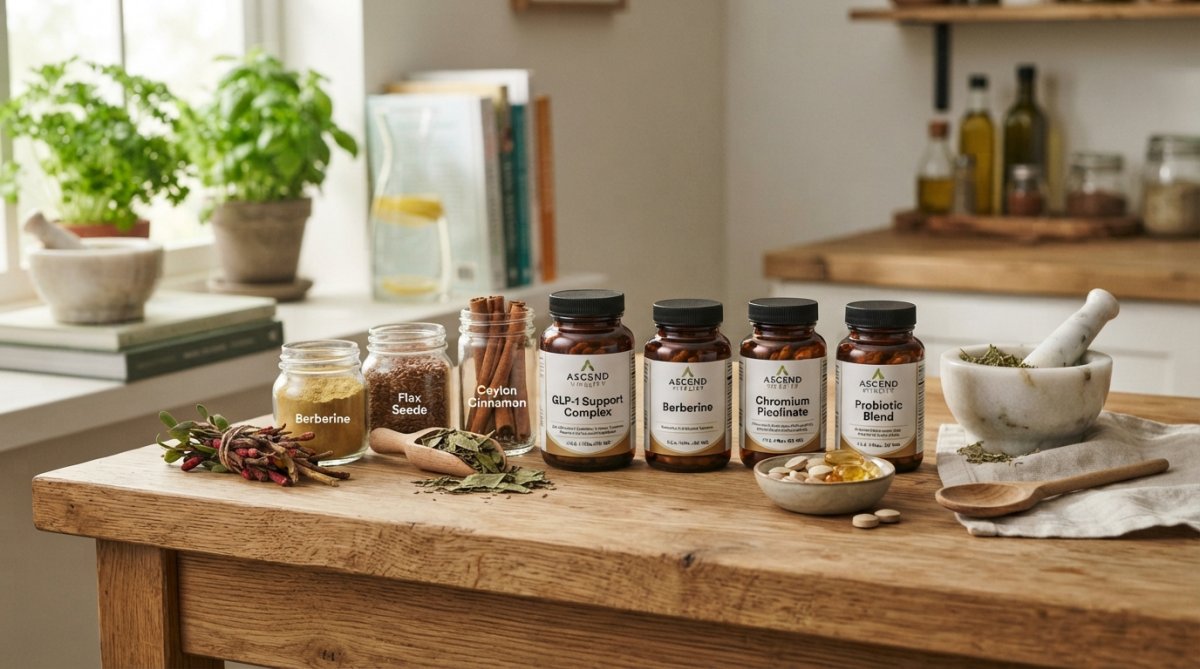
Prescription GLP-1 receptor agonists and dietary supplements operate through fundamentally different mechanisms. Medications like semaglutide (Ozempic, Wegovy) and tirzepatide (Mounjaro, Zepbound) directly bind to GLP-1 receptors on your cells, creating a powerful signal at much higher concentrations than your body typically produces.
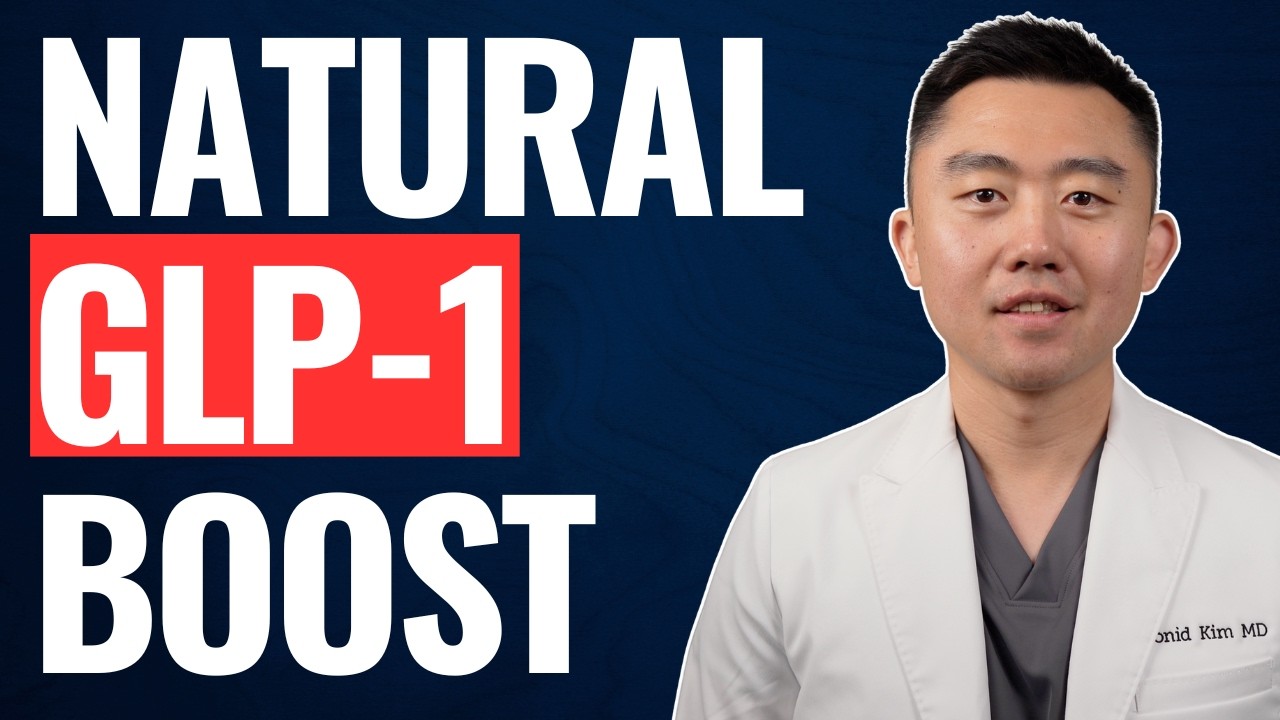
A glucagon-like peptide-1 supplement takes a different approach. Rather than directly stimulating GLP-1 receptors, these dietary products contain ingredients that may support your body’s natural GLP-1 production, enhance insulin sensitivity, or improve metabolic health through other pathways. The clinical evidence differs substantially between these two categories.
Mechanism of Action vs. Marketing Claims
Many supplement brands claim their products “boost GLP-1” or “support GLP-1 function,” but actual mechanisms vary widely. Some ingredients may increase GLP-1 secretion from intestinal cells. Others improve how your body responds to existing GLP-1. Still others support metabolic health without directly affecting GLP-1 at all.
Berberine works primarily through AMPK activation and improved insulin sensitivity, not by increasing GLP-1 production. Curcumin from turmeric reduces inflammation and supports gut barrier function, which may indirectly benefit GLP-1 signaling. Probiotics influence the gut microbiota, which plays a role in nutrient absorption and hormone production, but the connection to GLP-1 specifically remains an area of ongoing research.
Marketing claims often outpace the science. A supplement claiming to “activate GLP-1 pathways” sounds powerful but remains vague about the actual mechanism. Does it increase hormone production? Enhance receptor sensitivity? Improve nutrient absorption? These distinctions matter because they determine whether a product might actually help you achieve your metabolic health goals.
Clinical Evidence: Prescription vs. Dietary Support
Prescription GLP-1 agonists have undergone rigorous clinical trials demonstrating significant weight loss and metabolic improvements. According to FDA approval data for GLP-1 receptor agonists, semaglutide showed an average weight loss of 15% over 68 weeks in clinical trials. Tirzepatide demonstrated even greater results, with some patients losing 20% or more of their body weight.
Dietary supplements supporting GLP-1 or metabolic health lack this level of clinical validation. Individual ingredients like berberine have been studied, but most research examines their effects on blood sugar or weight management generally, not specifically on GLP-1 production. A 2025 systematic review found that berberine supplementation improved insulin sensitivity and reduced fasting blood glucose, but studies involved relatively small sample sizes and varied dosing protocols.
A quality glucagon-like peptide-1 supplement should be positioned as a nutritional support tool for metabolic health, not as a replacement for prescription medications or a guaranteed GLP-1 booster.
Supplement companies sometimes cite studies on individual ingredients (like berberine or curcumin) and extrapolate those findings to claim their GLP-1 support formula works the same way. Most clinical trials test ingredients in isolation at specific dosages in particular populations. A supplement combining five ingredients at lower doses may not produce the same results.
Natural GLP-1 Boosters: Foods and Lifestyle Changes
Before considering any glucagon-like peptide-1 supplement, understand that diet and lifestyle represent your most powerful tools for supporting natural GLP-1 production. The foods you eat directly influence how much GLP-1 your intestinal cells release.
How to Increase GLP-1 Naturally Through Diet
Protein triggers strong GLP-1 secretion from intestinal cells. When you consume protein, specialized L-cells in your small intestine detect amino acids and release GLP-1 in response. This is why high-protein diets consistently show benefits for appetite control and weight management, the mechanism involves your body’s own hormone production.
Fiber works through a different but equally important pathway. Soluble fiber feeds your gut microbiota, which ferments it into short-chain fatty acids like butyrate. These metabolites signal intestinal cells to produce more GLP-1. Research demonstrates that increasing soluble fiber intake increases postprandial GLP-1 levels measurably within days.
Specific foods stand out for their GLP-1-supporting properties: fatty fish (salmon, sardines, mackerel), legumes (lentils, chickpeas, beans), whole grains (oats, barley, brown rice), cruciferous vegetables (broccoli, Brussels sprouts, cabbage), fermented foods (yogurt, kefir, sauerkraut, kimchi), green tea, and ginger.
The practical application: prioritize protein at every meal (25-40 grams), include at least 25-30 grams of daily fiber, and rotate through diverse plant foods to support microbiota diversity. This dietary foundation supports your body’s natural GLP-1 production more effectively than most supplements.
Lifestyle Factors That Support GLP-1 Production
Exercise influences GLP-1 levels through multiple pathways. Aerobic activity increases insulin sensitivity and improves how your body responds to existing GLP-1. Resistance training builds muscle tissue, which improves glucose uptake and metabolic health. Regular physical activity increases GLP-1 secretion in response to meals, even before any weight loss occurs.
Sleep quality directly impacts hormone regulation, including GLP-1 production. Sleep deprivation, consistently getting fewer than 7 hours nightly, impairs glucose metabolism and reduces GLP-1 responsiveness, creating a vicious cycle where poor sleep leads to worse metabolic health and increased appetite.
Chronic stress elevates cortisol, which interferes with insulin sensitivity and GLP-1 signaling. Practices like meditation, yoga, and breathing exercises reduce cortisol levels and improve metabolic markers. Even 10-15 minutes daily of deliberate stress reduction supports hormonal balance.
Eating slowly and mindfully allows your intestinal cells time to detect nutrients and release GLP-1 before you’ve consumed excessive calories. Skipping meals or fasting for extended periods can actually reduce your body’s GLP-1 response to subsequent meals.
Top Supplement Ingredients for GLP-1 Support
When you’ve optimized diet and lifestyle but want additional nutritional support, certain ingredients have the strongest evidence for metabolic health benefits. A quality glucagon-like peptide-1 supplement should contain ingredients with clear mechanisms and research backing.
Berberine and Metabolic Support
Berberine is an alkaloid extracted from plants like barberry and goldenseal. It works primarily by activating AMPK (adenosine monophosphate-activated protein kinase), an enzyme that regulates cellular energy metabolism. When AMPK is activated, your cells become more sensitive to insulin and burn glucose more efficiently.
Research on berberine shows consistent benefits for blood sugar regulation and weight management. A meta-analysis found that berberine supplementation reduced fasting blood glucose by approximately 20 mg/dL and improved insulin sensitivity markers. The typical dosing in studies ranges from 500-1500 mg daily, divided into multiple doses.
By improving insulin sensitivity, berberine reduces the metabolic stress that impairs GLP-1 signaling. Some research suggests berberine may also support healthy gut barrier function, which influences GLP-1 production from intestinal cells. However, berberine doesn’t directly increase GLP-1 levels, it supports the metabolic environment where GLP-1 functions optimally.
Common side effects include digestive upset, particularly when starting supplementation. Beginning with lower doses (500 mg daily) and gradually increasing helps minimize gastrointestinal issues. Berberine also interacts with certain medications metabolized through the same liver pathways, making medical consultation essential before starting.
Curcumin, Probiotics, and Gut Health
Curcumin, the active compound in turmeric, reduces inflammation throughout the digestive tract and supports gut barrier integrity. A compromised gut barrier impairs nutrient absorption and disrupts the signals that trigger GLP-1 release from intestinal cells. By protecting gut barrier function, curcumin indirectly supports healthy GLP-1 production.
Curcumin’s bioavailability is notoriously poor, your body absorbs only a small percentage. Quality supplements combine curcumin with black pepper extract (piperine), which increases absorption by up to 2000%. Look for formulations specifying enhanced bioavailability.
Probiotics work by establishing and maintaining a healthy gut microbiota. Your intestinal bacteria ferment fiber into short-chain fatty acids, particularly butyrate, which serves as a signaling molecule for GLP-1 production. Specific probiotic strains like Lactobacillus and Bifidobacterium species have shown benefits in research.
Most supplements contain 10-50 billion CFUs (colony-forming units). Research suggests that benefits emerge at doses above 10 billion CFUs daily, though individual response varies based on your existing microbiota composition. Probiotics work best when combined with prebiotic fiber (inulin, FOS, psyllium) that feeds beneficial bacteria.
The gut-brain axis represents one of [the most](/how-to-manage-glp-1-nausea-at-home/) important but underappreciated systems affecting your metabolic health. Curcumin and probiotics support this axis by maintaining gut barrier integrity and promoting beneficial bacterial populations, both of which influence how effectively your body produces and responds to GLP-1.
Other Key Nutrients: Magnesium, B12, Vitamin D3
Magnesium plays a crucial role in insulin secretion and glucose metabolism. Approximately 50-60% of Americans consume insufficient magnesium, which impairs metabolic health. Supplementing with 300-400 mg daily of magnesium glycinate or malate supports healthy blood sugar regulation and may enhance GLP-1 signaling.
Vitamin B12 supports nervous system function and energy metabolism. B12 deficiency becomes increasingly prevalent with age and in people taking certain medications like metformin. B12 supplementation (1000-2000 mcg weekly or 500 mcg daily) ensures your nervous system can properly transmit GLP-1 signals from your gut to your brain.
Vitamin D3 functions as a hormone regulator, influencing insulin secretion and immune function. Low vitamin D status is associated with impaired glucose metabolism and reduced GLP-1 responsiveness. Most research suggests maintaining vitamin D levels above 30 ng/mL supports metabolic health. Supplementation typically ranges from 1000-4000 IU daily, depending on baseline levels and sun exposure.
These micronutrients work synergistically. A comprehensive glucagon-like peptide-1 supplement should address potential nutritional gaps while supporting the metabolic foundation where GLP-1 functions optimally.
GLP-1 Side Effects and How to Manage Them
Understanding side effects matters whether you’re taking prescription GLP-1 medications or considering dietary supplements that influence metabolic pathways.
Common Side Effects of GLP-1 Medications
Prescription GLP-1 receptor agonists cause predictable side effects because they create powerful, sustained hormonal signals. Nausea is the most common complaint, occurring in 20-40% of users during initial weeks. This typically resolves as your body adapts, but some people experience persistent nausea requiring dose reduction or medication discontinuation.
Gastrointestinal distress, including constipation, diarrhea, and abdominal discomfort, affects many users. GLP-1 slows gastric emptying, which changes how quickly food moves through your digestive system. This adjustment period usually lasts 2-4 weeks.
Dehydration risk increases because reduced appetite can lead to inadequate fluid intake. People on GLP-1 medications must consciously drink sufficient water and electrolyte-containing beverages, particularly if experiencing vomiting or diarrhea.
Less common but serious side effects include pancreatitis and gallbladder issues. These complications occur in fewer than 1% of users but warrant immediate medical attention if you experience severe abdominal pain.
Drug-Supplement Interactions: What You Must Know
Berberine may enhance the blood-sugar-lowering effects of GLP-1 agonists, potentially causing hypoglycemia (dangerously low blood sugar). If you’re taking both, your doctor needs to monitor blood glucose more frequently and may need to adjust medication dosing.
Certain supplements affect medication absorption. Fiber supplements taken simultaneously with medications can reduce how much active drug your body absorbs. If you’re taking a GLP-1 medication, separate supplement intake by at least 2 hours from your medication dose.
Curcumin and other polyphenol-rich supplements may interact with medications metabolized through the cytochrome P450 enzyme system. While GLP-1 agonists themselves aren’t heavily metabolized this way, many people taking these medications also use other drugs that are. Your pharmacist should review all supplements before you start them.
Some supplements cause side effects that compound GLP-1 medication effects. For example, ginger can thin blood slightly, not dangerous on its own but potentially problematic if combined with other anticoagulant medications you might be taking alongside GLP-1 therapy.
Never start a new supplement without informing your doctor, particularly if you’re on prescription GLP-1 medications or other chronic medications. Even “natural” supplements can have significant pharmacological effects and interact with medications in ways that aren’t immediately obvious.
Dosage Standardization and Quality Concerns
The supplement industry lacks the rigorous standardization that governs pharmaceutical manufacturing. This creates significant variability in product quality and efficacy.
Why Supplement Dosage Varies and What to Look For
Supplement dosages vary because dietary supplements are classified as foods, not drugs, which means manufacturers face fewer regulatory requirements for standardization. Two berberine supplements labeled “500 mg” may contain different amounts of actual active berberine depending on the source plant material and extraction method.
Most supplement ingredients exist in multiple forms with different potencies. Curcumin comes as standard turmeric extract (3-5% curcumin content), concentrated curcumin extract (95% curcumin), and patented formulations with enhanced bioavailability. A 500 mg dose of standard turmeric extract delivers far less active curcumin than 500 mg of concentrated extract.
Quality manufacturers address this through third-party testing. Look for supplements tested by NSF International, USP (United States Pharmacopeia), or ConsumerLab. These organizations verify that products contain the labeled amounts of active ingredients and are free from contaminants. This testing costs manufacturers money, reflected in higher prices, but it’s the only reliable way to ensure you’re getting what the label claims.
Dosage timing also matters. Berberine should be taken with meals to maximize absorption and minimize gastrointestinal upset. Curcumin absorbs better when combined with fat (olive oil, nuts, or fatty fish).
Bioavailability and Absorption Factors
Bioavailability, the percentage of a supplement your body actually absorbs and uses, varies dramatically based on formulation and individual factors. Curcumin has notoriously poor bioavailability without enhancement. Standard turmeric extracts achieve only 5-10% bioavailability, while enhanced formulations using piperine or liposomal delivery systems reach 20-40% or higher.
Individual factors affect absorption significantly. Your gut health, digestive enzyme production, stomach acid levels, and current medications all influence how much of a supplement you actually absorb. Someone with compromised gut barrier function will absorb less curcumin or berberine than someone with optimal digestive function.
Timing relative to meals impacts absorption. Fat-soluble compounds like curcumin absorb better with dietary fat. Water-soluble compounds like berberine absorb adequately with or without food but may cause less nausea when taken with meals. Separating supplements by at least 2 hours prevents competition for absorption mechanisms in your small intestine.
Quality glucagon-like peptide-1 supplements address bioavailability through enhanced delivery systems. Look for formulations specifying piperine addition for curcumin, liposomal or micelle encapsulation for fat-soluble compounds, enteric coating for ingredients requiring protection from stomach acid, and standardized extracts with verified active ingredient percentages.
Is a GLP-1 Supplement Right for You?
Determining whether a glucagon-like peptide-1 supplement makes sense requires honest assessment of your current approach to metabolic health.
When to Consider Supplements vs. Prescription Options
Dietary supplements supporting GLP-1 or metabolic health make sense when you’ve established solid fundamentals: consistent protein intake, adequate fiber, regular exercise, quality sleep, and stress management. Supplements amplify an already-good foundation and don’t replace these fundamentals.
Consider supplements if you’ve optimized these basics but still struggle with blood sugar stability, persistent cravings, or metabolic markers. They’re also appropriate if you have contraindications to prescription GLP-1 medications, certain medical conditions, medication interactions, or side effect intolerance that makes pharmaceutical options untenable.
Prescription GLP-1 agonists represent a different category. These medications are appropriate when you have obesity (BMI above 30) or overweight with metabolic complications (diabetes, cardiovascular disease), and lifestyle modifications alone haven’t achieved adequate results. The clinical evidence for prescription GLP-1 medications is substantially stronger than for dietary supplements.
The decision ultimately depends on your specific situation, medical history, and metabolic goals. Someone with well-controlled type 2 diabetes who needs modest weight loss might benefit from dietary supplement support. Someone with severe obesity and multiple metabolic complications likely needs prescription medication, potentially combined with supplements.
Medical Consultation and Safety Screening
Before starting any glucagon-like peptide-1 supplement regimen, consult with your healthcare provider. Your doctor needs to know all current medications and supplements you’re taking, your medical history (particularly regarding gastrointestinal issues, pancreatitis, or gallbladder disease), your blood sugar status, and any allergies or sensitivities to supplement ingredients.
This information allows your doctor to identify potential interactions and recommend appropriate dosing. For instance, if you’re on metformin, your doctor might recommend timing berberine supplementation separately to avoid absorption interference.
Safety screening also involves baseline metabolic testing. If you’re considering supplements specifically for metabolic support, knowing your baseline fasting glucose, insulin levels, and lipid panel provides objective markers to assess whether supplementation is actually working. Repeat testing after 8-12 weeks of consistent supplementation shows whether you’re achieving meaningful improvements.
Ascend Vitality offers medically-supported programs that combine prescription options with lifestyle guidance and nutritional support. Their approach connects you with qualified healthcare providers who review your individual circumstances and help you determine whether prescription GLP-1 medications, dietary supplements, lifestyle modifications, or a combination approach best fits your situation. This personalized assessment beats generic supplement recommendations because it accounts for your unique medical history and current health status.
The path to sustainable metabolic health rarely involves a single intervention. For most people, optimizing diet, exercise, sleep, and stress management creates the foundation. Adding targeted nutritional support through a quality glucagon-like peptide-1 supplement can amplify these efforts when chosen thoughtfully. But if you’re struggling with significant metabolic dysfunction or obesity, prescription GLP-1 medications may be necessary alongside these other strategies. Getting professional guidance ensures you’re making informed decisions based on your individual circumstances rather than following generic recommendations.
| Approach | Best For | Timeline | Key Consideration |
|---|---|---|---|
| Dietary optimization alone | Mild metabolic concerns, preventive health | 8-12 weeks to see changes | Requires consistent adherence |
| Dietary + lifestyle + supplements | Moderate metabolic issues, cravings control | 12-16 weeks for meaningful results | Supplements amplify good habits |
| Dietary + lifestyle + prescription GLP-1 | Obesity, metabolic syndrome, diabetes | 4-8 weeks for appetite effects | Requires medical supervision |
| Comprehensive approach | Severe metabolic dysfunction | 6-12 months for full benefits | Combines all modalities |
Frequently Asked Questions
What is the difference between a GLP-1 supplement and a GLP-1 medication?
GLP-1 medications (glucagon-like peptide-1 receptor agonists like semaglutide) are prescription drugs that directly mimic the GLP-1 hormone, delivering measurable doses to regulate blood sugar and appetite. GLP-1 supplements contain ingredients like berberine, curcumin, and probiotics designed to support your body’s natural GLP-1 production and gut health. Supplements lack the clinical evidence and potency of medications but may offer a gentler entry point for metabolic support. Always consult a healthcare provider before starting either option.
Can natural GLP-1 boosters help with weight loss?
Natural approaches, including fiber-rich foods, fermented foods for probiotics, ginger, and green tea extract, support gut health and may enhance satiety and blood sugar regulation. However, the weight loss effect is typically modest compared to prescription GLP-1 agonists. These natural boosters work best as part of a comprehensive lifestyle strategy combining diet, exercise, and stress management. Individual results vary based on baseline metabolic health and adherence.
What should I know about drug-supplement interactions with GLP-1 medications?
If you’re taking a GLP-1 medication, certain supplements may affect gastrointestinal transit time, absorption, or medication efficacy. Berberine, for example, can influence blood sugar levels independently. High-dose magnesium or certain probiotics may alter gut motility. Always inform your prescribing doctor about every supplement you take, including dosage and frequency. Your healthcare provider can assess interactions specific to your health profile and medication regimen before you start supplementing.
Are GLP-1 supplements FDA approved?
Most GLP-1 support supplements are sold as dietary supplements, which are regulated differently than medications under the Dietary Supplement Health and Education Act (DSHEA). They do not require FDA approval before sale, though manufacturers must ensure safety and accurate labeling. Individual ingredients like berberine and curcumin have research supporting their metabolic benefits, but the supplement formulations themselves are not FDA-approved drugs. Look for third-party testing certifications and consult your doctor about quality and efficacy.
How can I increase GLP-1 naturally without medication?
Several evidence-supported strategies may boost natural GLP-1 production: eat high-fiber foods (vegetables, legumes, whole grains), consume fermented foods and probiotics for gut health, include ginger and green tea in your diet, stay hydrated, exercise regularly, manage stress, and prioritize sleep. These approaches support the gut-brain axis and hormonal balance over time. Results develop gradually, typically weeks to months, making consistency more important than intensity. Combine multiple strategies for best results.