
Last Updated: July 24, 2026
Is a GLP-1 the Same as Ozempic? The Short Answer
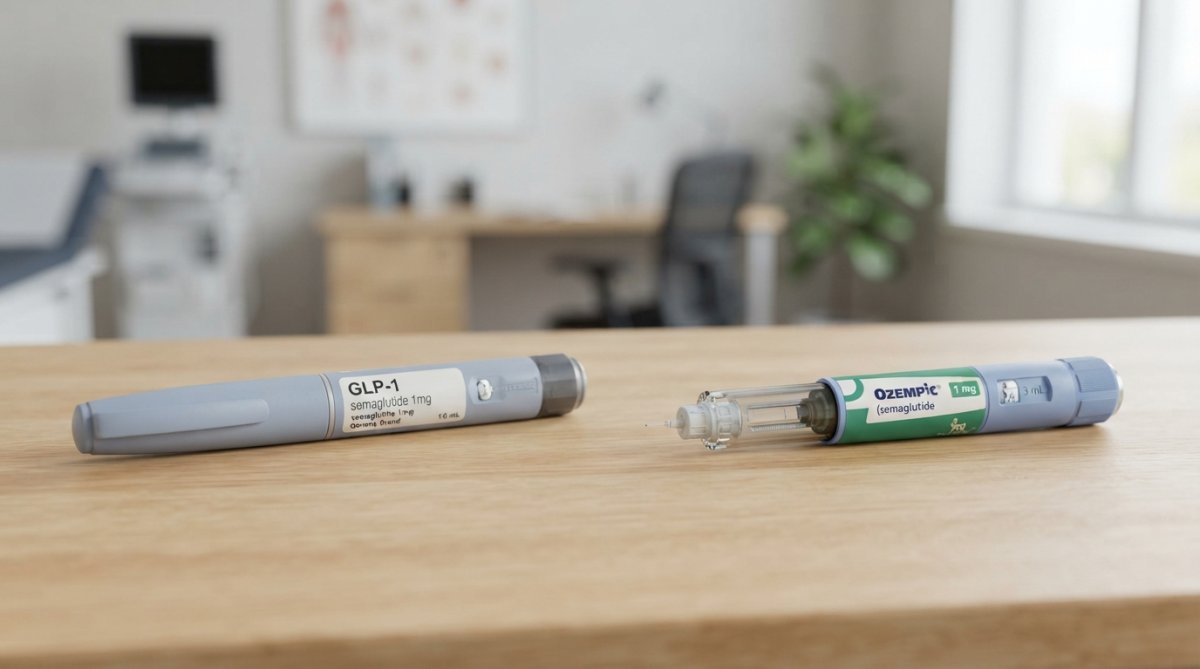
Is a GLP-1 the same as Ozempic? Not exactly. At Ascend Vitality, we’ve worked with patients exploring weight loss and metabolic health options, and this question comes up constantly. The confusion is understandable: Ozempic is a GLP-1 receptor agonist, but calling it “the same as” a GLP-1 is like saying a Toyota Camry is the same as a car. One is the specific product; the other is the broader category.
Here’s the critical distinction: GLP-1 is a naturally occurring hormone your body produces. GLP-1 receptor agonists are a CLASS of synthetic medications designed to mimic what that hormone does. Ozempic is ONE specific drug in that class. Think of it this way, all Ozempic products are GLP-1 medications, but not all GLP-1 medications are Ozempic.
The stakes matter because understanding this difference determines which medication might actually work for your situation. Some GLP-1 drugs are approved for diabetes management, others for weight loss, and some for both. Ozempic, for instance, is FDA-approved specifically for Type 2 diabetes, though it’s often prescribed off-label for weight management. Wegovy, which contains the same active ingredient (semaglutide), is the FDA-approved version for weight loss.
Below, we’ll walk you through exactly how GLP-1 hormones work, what makes different medications distinct, and how to determine which option aligns with your health goals.
The core distinction: GLP-1 is the hormone class; Ozempic is one branded medication within that class. Knowing the difference shapes which treatment actually fits your needs.
What Is a GLP-1 Receptor Agonist?
A GLP-1 receptor agonist is a medication designed to activate the same cellular receptors that your body’s natural GLP-1 hormone activates. The term breaks down simply: GLP-1 stands for glucagon-like peptide-1, a hormone produced in your intestines that regulates blood sugar, appetite, and how quickly food moves through your digestive system.
How the Natural Hormone Works
Your body produces GLP-1 naturally whenever you eat, especially after consuming protein or carbohydrates. The hormone signals your pancreas to release insulin when blood glucose rises, suppresses glucagon (which raises blood sugar), and tells your brain you’re satisfied, all mechanisms that keep your metabolism stable.
This endogenous hormone is temporary. It gets broken down by an enzyme called DPP-4 within minutes, which is why your body needs to produce it repeatedly throughout the day. The natural hormone is elegant but brief in its action.
The Synthetic Drug Class
Synthetic GLP-1 receptor agonists were engineered to do what the natural hormone does, but with a critical modification: they resist DPP-4 breakdown, allowing them to remain active in your system for hours or even days depending on the specific drug. This extended duration is what makes injectable medications practical.
The class includes several distinct drugs with different mechanisms, durations, and approved uses. Some are designed for once-daily injection, others for once-weekly dosing. Some target GLP-1 receptors alone; newer versions target both GLP-1 and GIP receptors (a dual-agonist approach). Each variation produces slightly different metabolic effects.
The distinction between endogenous (natural) and exogenous (synthetic) matters clinically. Your body’s natural GLP-1 works in concert with other hormonal systems. Synthetic versions are more potent and longer-lasting but can trigger [side effect](/how-to-manage-glp-1-nausea-at-home/)s the natural hormone wouldn’t because of their sustained concentration in your bloodstream.
How GLP-1s Work: Mechanism of Action Explained
Understanding mechanism of action separates informed patients from those just following a trend. GLP-1 medications work through multiple simultaneous pathways, which is why they’re effective for both blood sugar control and weight management.
Insulin Secretion and Blood Glucose Control
When you eat, blood glucose rises. A functioning GLP-1 system responds by signaling your pancreatic beta cells to release insulin proportionally to that glucose spike. This keeps blood sugar from spiking dangerously high. Simultaneously, GLP-1 suppresses glucagon, the hormone that raises blood sugar during fasting states. This dual action, stimulating insulin when glucose is high and blocking glucagon simultaneously, creates tight glucose control.
For Type 2 diabetes patients, this mechanism directly addresses the core problem: insulin resistance and impaired glucose regulation. Research from the American Diabetes Association confirms that GLP-1 receptor agonists lower hemoglobin A1C levels by 1-2 percentage points on average, a clinically significant reduction.
The mechanism works because it targets the ROOT cause rather than just the symptom. Instead of forcing more insulin into your system (like older diabetes drugs), GLP-1 agonists restore your body’s natural glucose-sensing ability.
Appetite Regulation and Gastric Emptying
The second major mechanism is appetite suppression. GLP-1 receptors exist in the hypothalamus, the brain region controlling hunger and satiety. When activated, these receptors send signals that reduce appetite and increase feelings of fullness. Patients consistently report eating smaller portions without conscious effort, not through willpower, but through altered neurological signaling.

Simultaneously, GLP-1 slows gastric emptying, the rate at which food moves from your stomach into your small intestine. Slower gastric emptying means food stays in your stomach longer, extending satiety signals and preventing rapid blood sugar spikes. This dual effect (reduced appetite + slower digestion) explains why patients on GLP-1 medications often lose 10-15% of body weight over several months.
The mechanism is particularly effective because it doesn’t rely on willpower or calorie counting. It’s biochemical. Your brain literally receives different signals about hunger.
The appetite suppression can be too aggressive for some patients. Eating too little while on GLP-1 medications can lead to nutritional deficiencies. Monitor protein intake carefully, aim for 80-100 grams daily even if your appetite signals suggest less.
Understanding Ozempic: A Specific GLP-1 Medication
Ozempic is a branded semaglutide product manufactured by Novo Nordisk. Semaglutide is the active ingredient; Ozempic is the specific formulation and brand name. It’s FDA-approved exclusively for Type 2 diabetes management, not for weight loss (though off-label use for weight management is common).

The medication comes as a once-weekly injectable pen. Dosing starts at 0.25 mg weekly and titrates upward over several weeks, with a maximum approved dose of 2.0 mg weekly for diabetes. The slow titration reduces gastrointestinal side effects that occur when patients start at higher doses.
Ozempic’s pharmacology is straightforward: semaglutide activates GLP-1 receptors with high specificity. It doesn’t activate GIP receptors (unlike newer dual-agonists). For Type 2 diabetes, this single-agonist approach is sufficient and well-studied. The medication has been on the market since 2017, giving clinicians years of real-world safety data.
The critical point: Ozempic’s FDA approval is for diabetes, not weight loss. This distinction matters for insurance coverage, prescribing authority, and patient expectations. A doctor can prescribe Ozempic off-label for weight management, but that’s technically outside the medication’s approved indication.
GLP-1 Receptor Agonists List: FDA-Approved Options
The GLP-1 market has expanded significantly. Understanding your options requires knowing which drugs target which conditions and how their mechanisms differ.
Semaglutide Products: Ozempic and Wegovy
Semaglutide appears in two branded formulations. Ozempic (0.25 mg, 0.5 mg, 1.0 mg, 2.0 mg pens) is FDA-approved for Type 2 diabetes. Wegovy (0.25 mg, 0.5 mg, 1.0 mg, 1.7 mg, 2.4 mg pens) contains the same active ingredient but is FDA-approved specifically for chronic weight management in adults with obesity or overweight status plus at least one weight-related condition.
The dosing differs slightly. Wegovy’s maximum dose (2.4 mg) exceeds Ozempic’s approved diabetes dose (2.0 mg), reflecting its weight-loss focus. Both are once-weekly injections. Both require gradual dose escalation.
The practical difference for patients: Ozempic is typically covered by insurance for diabetes but often requires prior authorization for off-label weight loss use. Wegovy is designed for weight loss but may not be covered by insurance at all, making it significantly more expensive out-of-pocket.
Other Injectable GLP-1 Options
Liraglutide (Saxenda for weight loss, Victoza for diabetes) is an older GLP-1 agonist requiring daily injections rather than weekly. It’s less potent than semaglutide and produces smaller weight loss effects, but it remains an option for patients who prefer daily dosing or have contraindications to semaglutide.
Dulaglutide (Trulicity) is another once-weekly GLP-1 agonist approved for Type 2 diabetes. It’s been used clinically since 2014 and has a strong safety profile. Like liraglutide, it produces more modest weight loss than semaglutide.
Dual-Agonist Alternatives: Tirzepatide and Beyond
Tirzepatide (Mounjaro for diabetes, Zepbound for weight loss) represents a newer category: dual GLP-1/GIP receptor agonists. Instead of activating only GLP-1 receptors, tirzepatide activates both GLP-1 and GIP receptors simultaneously.
This dual mechanism produces stronger metabolic effects. Clinical trials show tirzepatide delivers greater weight loss than semaglutide, patients lose 20-22% of body weight versus 15-17% with semaglutide. The trade-off is that dual agonism also increases gastrointestinal side effects in some patients.
Tirzepatide is newer to market (FDA-approved 2023 for diabetes, 2023 for weight loss), so long-term safety data remains limited compared to semaglutide’s decade-plus track record.
| Medication | Active Ingredient | FDA-Approved Indication | Dosing | Max Dose |
|---|---|---|---|---|
| Ozempic | Semaglutide | Type 2 diabetes | Weekly injection | 2.0 mg |
| Wegovy | Semaglutide | Weight management | Weekly injection | 2.4 mg |
| Saxenda | Liraglutide | Weight management | Daily injection | 3.0 mg |
| Victoza | Liraglutide | Type 2 diabetes | Daily injection | 1.8 mg |
| Trulicity | Dulaglutide | Type 2 diabetes | Weekly injection | 4.5 mg |
| Mounjaro | Tirzepatide | Type 2 diabetes | Weekly injection | 15 mg |
| Zepbound | Tirzepatide | Weight management | Weekly injection | 15 mg |
Ozempic vs. Wegovy: Key Differences in Purpose and Dosing
The question “Is a GLP-1 the same as Ozempic?” becomes more nuanced when comparing Ozempic to Wegovy, since they contain identical active ingredients but serve different purposes.
Ozempic targets Type 2 diabetes. Its development, clinical trials, and FDA approval focused on glycemic control, lowering A1C and reducing cardiovascular risk in diabetic patients. Weight loss is a secondary effect, though it occurs in most patients.
Wegovy targets chronic weight management. Its clinical trials enrolled obese patients without diabetes and measured weight loss as the primary outcome. The FDA approval specifically permits use for “chronic weight management in adults with obesity or overweight with at least one weight-related comorbidity.”
The dosing difference reflects this distinction. Ozempic’s maximum approved dose (2.0 mg weekly) is sufficient for optimal glucose control. Wegovy’s maximum (2.4 mg weekly) was determined by weight-loss efficacy studies. The extra 0.4 mg produces additional appetite suppression and gastric emptying delay.
From a patient perspective, the key difference is insurance coverage. Most insurance plans cover Ozempic for Type 2 diabetes without significant barriers. Wegovy is rarely covered, making it substantially more expensive. This creates a perverse incentive: patients sometimes request Ozempic off-label for weight loss (often cheaper through insurance) rather than using Wegovy (the FDA-approved weight-loss option).
At Ascend Vitality, we’ve seen this dynamic firsthand. Patients with insurance coverage for diabetes medications sometimes pursue that route for weight management, even though Wegovy is the approved option. The insurance landscape, not the pharmacology, often drives the choice.
If weight loss is your primary goal, Wegovy is the appropriate choice pharmacologically. If your insurance won’t cover it, discuss with your doctor whether Ozempic off-label use makes sense for your situation. The medications are identical; the indication and dosing strategy differ.
Common Side Effects of GLP-1 Drugs and Ozempic
GLP-1 medications produce side effects that are generally mild and transient but can be severe enough to cause discontinuation in some patients. Understanding these effects helps set realistic expectations.
Gastrointestinal Side Effects
Nausea is the most common side effect, affecting 25-40% of patients depending on the specific drug and dose. Nausea typically peaks during the first 2-4 weeks, then diminishes as your body adapts. Slower dose escalation significantly reduces nausea severity, jumping to higher doses immediately produces worse symptoms.
Vomiting occurs in 5-10% of patients, usually alongside nausea. Constipation and diarrhea both occur (constipation more commonly). Abdominal pain, bloating, and reduced appetite for previously enjoyed foods are reported. These effects stem from the mechanism itself: slowed gastric emptying and reduced appetite signaling can produce genuine gastrointestinal distress.
More serious but rare complications include acute pancreatitis (inflammation of the pancreas). The absolute risk remains low, but patients with personal or family history of pancreatitis should discuss this with their doctor before starting GLP-1 therapy.
Managing Side Effects Long-Term
Most gastrointestinal side effects resolve within 4-8 weeks as your body adjusts. Practical management strategies include eating smaller, more frequent meals; staying hydrated; and taking medications with food when tolerated. Some patients benefit from ginger supplements or anti-nausea medications during the adjustment phase.
A concerning side effect gaining attention is “Ozempic face”, facial volume loss that occurs as patients lose weight. The face loses fat deposits, creating a gaunt or aged appearance. This is cosmetic rather than dangerous, but it distresses some patients. The effect is reversible if the medication is discontinued and weight is regained, but it’s a real quality-of-life consideration.
Long-term management requires monitoring for nutritional deficiencies. Reduced appetite can lead to inadequate protein, vitamin, and mineral intake. Regular bloodwork and potentially supplementation (B12, iron, calcium) may be necessary, especially for patients on GLP-1 therapy for extended periods.
GLP-1 vs. Other Diabetes and Weight Loss Medications
Is a GLP-1 the same as other diabetes or weight-loss drugs? No, and the differences are clinically significant.
Older diabetes medications like sulfonylureas (glyburide, glipizide) force the pancreas to release more insulin regardless of blood glucose levels. This approach works but risks hypoglycemia (dangerously low blood sugar). GLP-1 agonists stimulate insulin release only when glucose is elevated, making hypoglycemia rare.
Metformin, the first-line diabetes medication, reduces liver glucose production and improves insulin sensitivity. It’s effective but produces modest weight loss (2-3 pounds) and doesn’t address appetite directly. GLP-1 medications produce 10-15 times more weight loss.
For weight loss specifically, older medications like phentermine (an amphetamine-like stimulant) suppress appetite through central nervous system stimulation. It works but carries cardiovascular risks and addiction potential. GLP-1 medications achieve weight loss through metabolic mechanisms without stimulant effects.
Newer weight-loss drugs like orlistat (Xenical) block fat absorption in the intestine. It produces modest weight loss (5-10 pounds) with significant gastrointestinal side effects (oily stools, urgency). GLP-1 medications are more effective and produce fewer digestive complications.
The comparative advantage of GLP-1 agonists is their dual benefit: they control blood sugar AND produce substantial weight loss through a single mechanism. Most other medications address one or the other.
Insurance, Accessibility, and Long-Term Maintenance Considerations
Coverage and Out-of-Pocket Costs
Insurance coverage for GLP-1 medications varies dramatically. Ozempic for Type 2 diabetes is typically covered by most insurance plans, though prior authorization may be required. Coverage usually requires documented diabetes diagnosis and often requires failure of other medications first.
Wegovy for weight loss is rarely covered by insurance. Most plans classify weight management as a cosmetic rather than medical issue, excluding it from coverage. This means Wegovy patients pay out-of-pocket, costs range from several hundred to over a thousand dollars monthly depending on the dose and pharmacy.
Semaglutide from compounding pharmacies (not brand-name Ozempic or Wegovy) is sometimes cheaper but carries risks. Compounded medications aren’t FDA-regulated with the same rigor as branded versions, and quality varies significantly between pharmacies. Some patients choose compounded semaglutide for cost reasons, but the savings come with uncertainty about potency and purity.
Tirzepatide (Mounjaro/Zepbound) faces similar insurance barriers. Mounjaro for diabetes is more likely to be covered than Zepbound for weight loss, though coverage policies are evolving as these drugs become more established.
Sustainability and Long-Term Use
A critical consideration: GLP-1 medications are typically long-term commitments. Stopping the medication usually results in weight regain within months as appetite signals normalize. This isn’t failure, it’s the medication’s mechanism reversing. But it means ongoing costs and injections indefinitely.
Some patients maintain weight loss after discontinuing GLP-1 therapy if they’ve simultaneously changed eating habits and exercise patterns. But most regain weight without the medication’s appetite-suppressing effects. This reality shapes the long-term financial and lifestyle commitment.
For diabetes management, GLP-1 agonists can sometimes be discontinued if patients achieve sustained weight loss and lifestyle changes. But many patients require ongoing therapy to maintain glycemic control. The decision depends on individual metabolic response and disease severity.
Long-term safety data is reassuring for semaglutide (used since 2017) but more limited for tirzepatide (approved 2023). Rare but serious concerns include thyroid issues and pancreatitis, though causation remains debated. Regular monitoring with your healthcare provider is essential during long-term use.
Before starting GLP-1 therapy, clarify your expectations about duration. These medications work well, but they’re not a permanent fix. Weight loss requires ongoing medication or sustained behavioral change. Understanding this upfront prevents disappointment later.
Is a GLP-1 Right for You? Finding Your Best Option
Determining whether a GLP-1 medication is appropriate requires honest assessment of your medical situation, goals, and constraints.
GLP-1 agonists are most appropriate for Type 2 diabetes patients with inadequate glucose control despite other medications. They’re also appropriate for patients seeking significant weight loss (15%+ of body weight) with obesity or overweight status plus comorbidities.
GLP-1 medications are NOT appropriate for Type 1 diabetes (they don’t address the core autoimmune problem). They’re generally contraindicated in patients with personal or family history of medullary thyroid cancer or multiple endocrine neoplasia syndrome. Pregnancy is a contraindication, the medications haven’t been adequately studied in pregnant patients.
Consider GLP-1 therapy if:
- You have Type 2 diabetes with A1C above target despite other medications
- You have obesity or overweight with weight-related health conditions (hypertension, sleep apnea, joint pain)
- You’ve struggled with appetite control and traditional dieting hasn’t worked
- You’re willing to commit to long-term medication (likely years or indefinitely)
- You can afford the medication or have insurance coverage
- You can tolerate injections and potential gastrointestinal side effects
Avoid GLP-1 therapy if:
- You have Type 1 diabetes
- You have personal or family history of medullary thyroid cancer
- You’re pregnant or planning pregnancy
- You can’t afford the medication and lack insurance coverage
- You’re unwilling to inject yourself weekly
- You have severe kidney or liver disease (relative contraindication requiring specialist evaluation)
The choice between specific GLP-1 medications depends on your indication (diabetes vs. weight loss), insurance coverage, dosing preference (daily vs. weekly), and tolerance for side effects. Semaglutide (Ozempic/Wegovy) has the longest track record. Tirzepatide (Mounjaro/Zepbound) produces greater weight loss but with more side effects. Liraglutide (Saxenda/Victoza) requires daily injections but is an option if semaglutide doesn’t work.
Working with a healthcare provider who understands GLP-1 pharmacology is essential. Not all doctors are equally experienced with these medications. At Ascend Vitality, we connect patients with specialists who understand the nuances of GLP-1 therapy, proper dosing, side effect management, long-term monitoring, and realistic expectations about outcomes. The right guidance significantly improves your experience and results.
If you’re considering GLP-1 therapy for diabetes management or weight loss, understanding the distinction between the hormone class and specific medications like Ozempic is foundational. Ascend Vitality specializes in connecting patients with medically-supervised weight loss and metabolic health programs, including GLP-1 medication management delivered directly to you. Our approach includes thorough medical evaluation, proper dose titration to minimize side effects, and ongoing monitoring to ensure safety and efficacy. Getting started with Ascend Vitality means working with doctors who understand how to optimize GLP-1 therapy for your specific situation.
Frequently Asked Questions
What is the difference between a GLP-1 receptor agonist and Ozempic?
A GLP-1 receptor agonist is a drug class that mimics the natural endogenous hormone glucagon-like peptide-1. Ozempic is one specific GLP-1 medication containing semaglutide, approved primarily for Type 2 diabetes management. Not all GLP-1s are Ozempic, but Ozempic is always a GLP-1. Other GLP-1 options include liraglutide, tirzepatide, and dulaglutide, each with different dosing schedules and FDA approvals.
How do GLP-1 medications work for weight loss and blood glucose control?
GLP-1 drugs work by stimulating insulin secretion in response to meals, suppressing glucagon release, and slowing gastric emptying. This combination reduces blood glucose levels, decreases appetite, and increases feelings of fullness. The mechanism helps regulate metabolic health and reduces overall caloric intake, making them effective for both Type 2 diabetes and weight management when used as part of a medically-supported program.
Is Wegovy the same medication as Ozempic?
Both Wegovy and Ozempic contain the same active ingredient, semaglutide, but they are distinct products. Ozempic is FDA-approved for Type 2 diabetes at lower doses, while Wegovy is specifically approved for chronic weight management at higher doses. The difference lies in indication, dosing schedule, and formulation. Prescribers may recommend one over the other based on your primary health goal and insurance coverage.
What are common side effects of GLP-1 medications like Ozempic?
Common side effects include nausea, vomiting, diarrhea, and constipation, typically gastrointestinal in nature. These often improve over time as your body adjusts. Less common but serious concerns include pancreatitis risk and the cosmetic effect sometimes called ‘Ozempic face’ from rapid weight loss. Working with a qualified healthcare provider helps monitor for adverse effects and adjust treatment as needed for long-term safety.
How do I know if a GLP-1 medication is right for me, and what should I consider?
Consider your primary health goal (diabetes control vs. weight loss), existing medications and conditions, insurance coverage, and ability to sustain long-term use. GLP-1s work best as part of a comprehensive program including lifestyle changes. Speak with a healthcare provider about your medical history, metabolic concerns, and whether a GLP-1 or alternative medication aligns with your needs and budget. Online-based programs like Ascend Vitality can connect you with qualified doctors for personalized guidance.