
Table of Contents
- Understanding Your Endocrine System and Hormonal Fluctuations
- Recognize Hormone Imbalance Symptoms Before They Worsen
- Step 1: Optimize Your Diet for Hormone Balance
- Step 2: Master Stress and Cortisol Management
- Step 3: Prioritize Sleep Quality and Circadian Rhythm
- Step 4: Add Movement and Strength Training to Your Routine
- Step 5: Use Targeted Herbs and Supplements for Hormone Balance
- Step 6: Identify and Reduce Endocrine Disruptors in Your Home
- Step 7: Track Hormonal Changes and Monitor Progress
- Step 8: Know When Age-Specific Hormonal Changes Need Professional Support
Balance Hormones Naturally: 9 Evidence-Based Steps
Last Updated: July 26, 2026
Understanding Your Endocrine System and Hormonal Fluctuations
Your endocrine system is a network of glands producing hormones, chemical messengers that regulate metabolism, mood, and virtually every bodily function. The first insight most people discover is this: hormones don’t work in isolation. They’re interconnected, and when one falls out of sync, the others follow.
Most people treat hormone imbalance as a single issue when it’s actually a cascade. Your thyroid affects metabolism. Cortisol affects sleep. Sleep quality affects insulin sensitivity. This interconnected web is why generic advice rarely produces lasting results. You need a systematic approach addressing root causes, not just symptoms.
How Chemical Messengers Regulate Your Body
Hormones travel through your bloodstream carrying instructions to different tissues and organs. Estrogen, progesterone, cortisol, insulin, melatonin, and thyroid hormones are major players. Each hormone has specific receptors on cells, like a key fitting into a lock. When hormones are balanced, these locks and keys work perfectly. When they’re not, cellular communication breaks down.
The endocrine system maintains homeostasis through feedback loops. Your pituitary gland signals your thyroid to produce thyroid hormone. Your body senses adequate levels and tells your pituitary to dial it back. Modern life, processed foods, chronic stress, artificial light, and endocrine disruptors in plastics, has thrown this elegant system out of balance for millions.
Common Causes of Hormonal Imbalance
Chronic stress elevates cortisol, suppressing reproductive hormones and disrupting sleep. Poor diet, especially high refined carbohydrates, creates insulin resistance, cascading into weight gain, inflammation, and hormonal imbalances. Insufficient sleep prevents cortisol and melatonin rhythm resets. Physical inactivity weakens insulin sensitivity and reduces mood-regulating hormones.
Endocrine disruptors, xenoestrogens and other chemicals mimicking hormones, are found in plastics (BPA), personal care products, pesticides, and processed foods. They bind to hormone receptors and confuse your body’s signaling. Age-related changes compound the problem. Women approaching perimenopause experience natural estrogen and progesterone fluctuations. Men experience gradual testosterone decline.
Hormonal imbalance is rarely a single problem, it’s usually a cascade where one system’s dysfunction triggers others. Identifying your specific causes is the first step toward balance.
Recognize Hormone Imbalance Symptoms Before They Worsen
Before seeking solutions, recognize whether you actually have an imbalance. Persistent fatigue that sleep doesn’t fix often signals thyroid dysfunction or cortisol dysregulation. Unexplained weight gain, especially around the midsection, frequently points to insulin resistance or estrogen dominance. Irregular periods, mood swings, brain fog, low libido, and persistent anxiety are red flags.
Keep a simple log for 4-6 weeks noting energy levels, mood, sleep quality, digestion, menstrual cycle (if applicable), and physical symptoms. Patterns emerge. Someone with cortisol dysregulation typically feels energized at night but crashes in the afternoon. Someone with low thyroid function feels cold, constipated, and sluggish all day.
Women approaching perimenopause report hot flashes, night sweats, sleep disruption, and mood changes. PCOS presents as irregular periods, excess facial hair, acne, and difficulty losing weight due to insulin resistance. Thyroid disorders create either rapid heartbeat and anxiety (hyperthyroidism) or fatigue and weight gain (hypothyroidism). Look for clusters of symptoms from the same hormonal system, that’s your signal to dig deeper.
Step 1: Optimize Your Diet for Hormone Balance
Your diet is the single most powerful lever you control. Food either supports hormonal balance or undermines it. The foundation is simple: prioritize whole foods, minimize processed foods, and stabilize blood sugar.
Most Americans consume 10-15 grams of fiber daily; the recommendation is 25-30 grams. Fiber feeds beneficial gut bacteria that help metabolize estrogen and slows glucose absorption, preventing blood sugar spikes that trigger insulin surges. Every insulin spike tells your body to store fat and suppress satiety hormones. Over time, this creates insulin resistance, disrupting virtually every other hormone.
Aim for 25-30 grams of fiber daily from whole sources: vegetables, fruits, legumes, whole grains, nuts, and seeds. A simple starting point: add one extra serving of vegetables to lunch and dinner, and eat one piece of whole fruit with a meal daily.
Fiber Intake and Blood Sugar Regulation
Blood sugar regulation is foundational. When glucose spikes, insulin floods your system. Chronic insulin elevation drives inflammation, suppresses growth hormone, disrupts sleep, and contributes to estrogen dominance. The solution isn’t eliminating carbohydrates, it’s eating them strategically.
Pair carbohydrates with protein and fat at every meal. A breakfast of oatmeal with Greek yogurt, berries, and walnuts stabilizes blood sugar better than oatmeal alone. Rice with grilled chicken, olive oil, and vegetables prevents glucose spikes better than rice and vegetables alone.
Prioritize low-glycemic carbohydrates: oats, quinoa, sweet potatoes, legumes, non-starchy vegetables. Minimize high-glycemic foods: white bread, refined cereals, sugary drinks, and most processed snacks. This single change improves insulin sensitivity, reduces inflammation, supports weight loss, and creates metabolic conditions where other hormones can rebalance.
Omega-3 Fatty Acids and Phytoestrogens
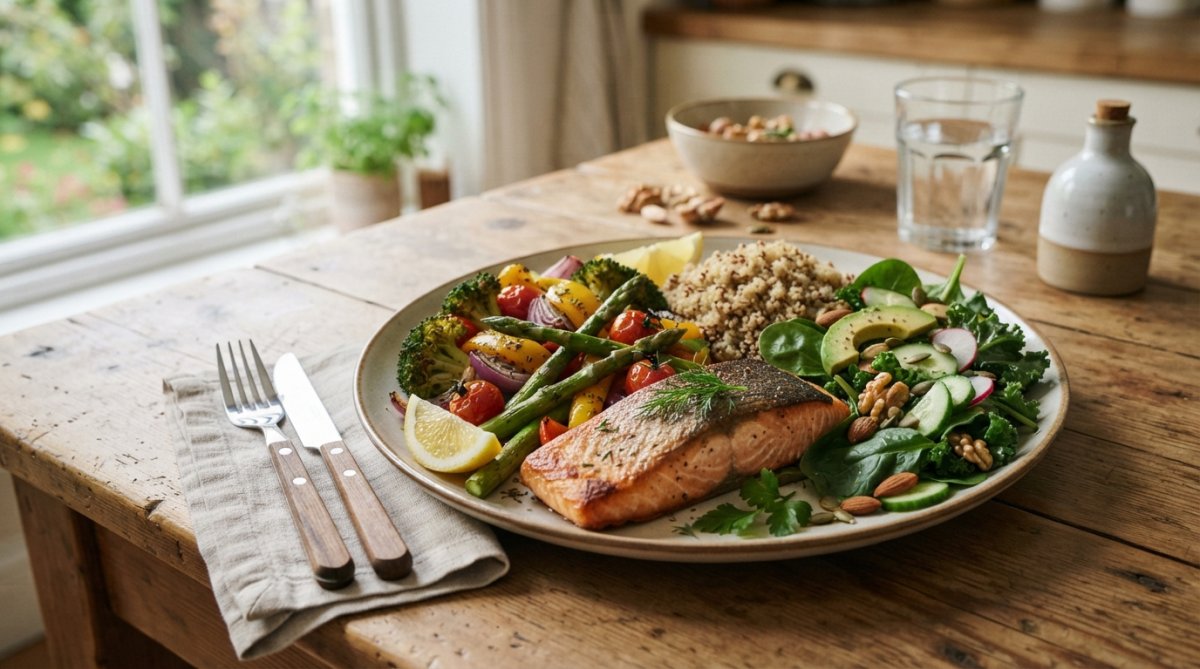
Omega-3 fatty acids reduce inflammation, support brain health, and improve insulin sensitivity. They’re found in fatty fish (salmon, sardines, mackerel), flaxseeds, chia seeds, and walnuts. Aim for at least two servings of fatty fish weekly, or take a high-quality fish oil supplement.
Phytoestrogens are plant compounds that weakly bind to estrogen receptors, found in soy products, flaxseeds, legumes, and certain vegetables. They can help some people (particularly postmenopausal women) and potentially exacerbate issues for others (particularly those with estrogen dominance). If you have symptoms of estrogen dominance, moderate your phytoestrogen intake.
The practical approach: eat a diverse diet of whole foods including fatty fish, vegetables, legumes, nuts, and seeds. Avoid processed foods and seed oils.
The “hormone-balancing diet” doesn’t require special foods or supplements. It’s simply whole foods, adequate protein, fiber, and stable blood sugar.
Step 2: Master Stress and Cortisol Management
Cortisol, your primary stress hormone, is essential, you need it to wake up and handle challenges. The problem is chronic elevation. When stressed constantly, cortisol stays high, suppressing your immune system, disrupting sleep, increasing appetite for high-calorie foods, and suppressing reproductive hormones. Stress and hormones have a bidirectional relationship: stress elevates cortisol, high cortisol disrupts sleep, and poor sleep elevates cortisol further.
Stress Reduction Techniques That Work
Treat stress reduction as foundational medicine, not a luxury. The most reliable stress reducer is movement. Exercise metabolizes cortisol, reduces inflammation, improves sleep, and boosts mood-regulating neurotransmitters. A 30-minute walk, yoga session, or strength training workout cuts cortisol more effectively than most meditation practices.
Other effective techniques include: walking in nature, breathwork (box breathing: 4 counts in, hold 4, out 4, hold 4), and progressive muscle relaxation. Identify which techniques actually reduce your stress versus which ones you think should. The best stress management technique is the one you’ll actually do consistently.
Step 3: Prioritize Sleep Quality and Circadian Rhythm
Sleep is where hormonal repair happens. During deep sleep, your body increases growth hormone, decreases cortisol, and clears metabolic waste. Poor sleep disrupts this entire process. Women with sleep deprivation experience more severe PMS and perimenopause symptoms. Men with poor sleep have lower testosterone.
Your circadian rhythm, your internal 24-hour clock, governs hormone timing. Melatonin should rise in the evening, triggering sleepiness. Cortisol should peak in the morning, helping you wake. This rhythm is set primarily by light exposure. Get 15-20 minutes of bright light exposure within an hour of waking. This resets your circadian rhythm and improves sleep quality more than almost any supplement.
In the evening, dim lights after sunset and use blue light filters on screens after 8 PM. Aim for a consistent sleep schedule, same bedtime and wake time, even weekends. Keep your sleep environment cool (around 65-68°F), dark, and quiet. Avoid caffeine after 2 PM and alcohol before bed.
Step 4: Add Movement and Strength Training to Your Routine
Physical activity is medicine for hormone balance. Exercise improves insulin sensitivity, reduces inflammation, supports healthy cortisol rhythms, and improves sleep quality. A mix of moderate-intensity aerobic activity (150 minutes weekly) plus resistance training is optimal.
Why HIIT and Strength Training Matter for Hormonal Health
High-intensity interval training (HIIT) improves insulin sensitivity more effectively than steady-state cardio in less time. A 20-minute HIIT session (8 rounds of 40 seconds intense effort, 20 seconds recovery) improves insulin sensitivity for hours afterward.
Strength training builds muscle, metabolically active tissue that improves insulin sensitivity and supports healthy body composition. Start with 2-3 sessions weekly of resistance training: bodyweight exercises, dumbbells, barbells, or machines. Add 1-2 HIIT sessions or moderate cardio sessions.
A practical week: Monday strength, Tuesday HIIT, Wednesday rest or walk, Thursday strength, Friday HIIT, Saturday active recovery (yoga, walking), Sunday rest.
Overtraining, excessive exercise without adequate recovery, elevates cortisol and suppresses reproductive hormones. If you’re exercising hard every day and not seeing results, you’re likely overtraining. Add recovery days.
Step 5: Use Targeted Herbs and Supplements for Hormone Balance
Supplements can support hormone balance, but they’re not a substitute for diet, sleep, and stress management. Think of them as optimization tools, not foundations. The most evidence-backed supplements are micronutrients, vitamins and minerals your body needs for hormone production and metabolism.
Magnesium, Vitamin D, and Other Essential Micronutrients
Magnesium is involved in over 300 enzymatic reactions, including those necessary for hormone synthesis and metabolism. Most people are deficient. A supplemental dose of 300-400 mg daily, taken in the evening, often improves sleep quality and reduces anxiety within days.
Vitamin D functions as a hormone itself, regulating calcium absorption, immune function, and mood. An estimated 40% of Americans have insufficient levels. A dose of 2,000-4,000 IU daily is safe; higher doses require testing.
Other micronutrients matter: zinc (essential for testosterone production), B vitamins (support stress response and energy metabolism), iron (critical for women of reproductive age), and selenium (supports thyroid function). A high-quality multivitamin covers most bases.
Step 6: Identify and Reduce Endocrine Disruptors in Your Home
Endocrine disruptors are chemicals that interfere with hormone signaling. The most common is BPA (bisphenol A), found in plastic bottles, food containers, and receipts. Others include phthalates (in fragrances and plastics), parabens (in cosmetics), and pesticide residues (on conventional produce).
Xenoestrogens and Common Sources
Xenoestrogens mimic estrogen and are found in plastics (especially when heated), non-organic meat and dairy (from hormones fed to livestock), and pesticides. The practical approach isn’t obsessing over every chemical, it’s reducing exposure where it’s easy and impactful.
Avoid heating food in plastic containers; use glass instead. Buy organic for the "Dirty Dozen": strawberries, spinach, kale, peaches, apples, grapes, cherries, tomatoes, celery, potatoes, bell peppers, and nectarines. Switch to fragrance-free personal care products or those with essential oils. Choose natural cleaning products or make your own (vinegar and baking soda work well). Store food in glass containers and use a water filter.
Step 7: Track Hormonal Changes and Monitor Progress
You can’t optimize what you don’t measure. Most people try to balance hormones without any baseline understanding of where they started. Tracking creates accountability and reveals patterns.
Symptom Tracking and Data-Driven Monitoring
The simplest tracking method is a symptom log. For 4-6 weeks, note daily: energy level (1-10), mood (1-10), sleep quality (hours and quality 1-10), digestion (normal, constipated, loose), and relevant symptoms (headaches, joint pain, skin changes, menstrual cycle details).
After 4-6 weeks, patterns emerge. You’ll notice that your energy crashes on days you skip breakfast. Your mood worsens when you sleep less than 7 hours. Your skin clears when you reduce dairy. For women, track your cycle and correlate symptoms with cycle phases. Women typically feel better during the follicular phase (days 1-14) when estrogen is rising, and experience more fatigue or mood changes during the luteal phase (days 15-28).
Periodic lab testing reveals objective data. A basic hormone panel includes: TSH and free thyroid hormones (T3, T4), cortisol (ideally at multiple times of day), fasting glucose and insulin, and sex hormones. This testing costs $200-400 out of pocket but provides clarity that symptom tracking alone cannot.
| Tracking Method | Frequency | Cost | Best For |
|---|---|---|---|
| Symptom log | Daily | Free | Everyone, baseline data |
| Cycle tracking | Daily | Free | Menstruating women |
| Lab testing | Quarterly | $200-400 | Specific diagnosis, optimization |
| Wearable devices | Continuous | $100-400 | Sleep, HRV, activity patterns |
Step 8: Know When Age-Specific Hormonal Changes Need Professional Support
Certain life stages bring predictable hormonal changes that often require professional support. Recognizing when self-optimization isn’t enough is crucial.
Perimenopause, the 5-10 years before menopause when estrogen and progesterone fluctuate wildly, creates symptoms that diet and exercise alone won’t fully resolve. Hot flashes, night sweats, mood swings, and sleep disruption are real physiological events. Women experiencing severe symptoms benefit from working with a healthcare provider specializing in women’s health. Options include bioidentical hormone replacement therapy (BHRT), which uses hormones chemically identical to those your body produces, or targeted supplements like black cohosh or sage.
PCOS (polycystic ovary syndrome) presents as irregular periods, excess facial hair, acne, and insulin resistance. While diet and exercise help significantly, many women benefit from medication like metformin, which improves insulin sensitivity, or hormonal birth control, which regulates cycles.
Thyroid disorders require medical diagnosis and treatment. No supplement replaces thyroid hormone if your thyroid isn’t producing enough. If you have symptoms of thyroid dysfunction, get tested. For men, testosterone naturally declines with age, about 1% annually after age 30. Some men experience symptoms that warrant intervention through testosterone replacement therapy (TRT).
Self-optimization works for mild imbalances and prevention. Severe imbalances often require medical intervention.
The goal of how to balance hormones naturally is to optimize what you control and seek professional support for what you don’t. Most people can resolve mild imbalances through lifestyle. Severe imbalances often require medical intervention.
Step 9: Create Your Personalized Hormone-Balancing Protocol
You now have nine evidence-based strategies. The mistake most people make is trying to implement all simultaneously. Instead, layer them strategically.
Month 1: Foundation
- Implement consistent sleep schedule and morning light exposure
- Stabilize blood sugar: pair carbs with protein and fat
- Add one stress management practice (walk, breathwork, or yoga)
Month 2: Build
- Add strength training 2x weekly
- Increase fiber to 25-30 grams daily
- Track symptoms daily
Month 3: Optimize
- Add HIIT or intense cardio 1x weekly
- Evaluate magnesium and vitamin D supplementation
- Review your symptom log for patterns
Month 4: Refine
- Reduce endocrine disruptors in your home
- Consider lab testing to identify specific deficiencies
- Adjust based on what’s working
This phased approach prevents overwhelm and allows you to identify which interventions matter most for your body.
Balancing hormones naturally isn’t mysterious or complicated. It’s foundational health: sleep, food, movement, stress management. Most people who struggle with hormones have neglected one or more of these basics. Fix the basics first. If symptoms persist after 8-12 weeks of consistent effort, seek professional evaluation.
Hormonal health profoundly affects how you feel, how you look, and how you perform. If you’re struggling with fatigue, weight gain, mood changes, or other symptoms of hormonal imbalance, the strategies in this guide provide a clear starting point. For personalized guidance, especially if you’re considering hormone replacement therapy, managing PCOS, or navigating perimenopause, Ascend Vitality connects you with specialized healthcare providers who understand hormonal health. They offer medically-supported programs tailored to your specific needs, with prescriptions delivered directly to you and discreet support throughout your treatment. Get started with Ascend Vitality and take control of your hormonal health with expert guidance and evidence-based care.
Frequently Asked Questions
What are the most common hormone imbalance symptoms I should watch for?
Common hormone imbalance symptoms include irregular periods, fatigue, mood changes, weight fluctuations, sleep disturbances, and changes in libido. In men, symptoms may include low energy, muscle loss, and mood shifts. Women approaching perimenopause may experience hot flashes and night sweats. Tracking these symptoms over time helps identify patterns and determines if professional evaluation is needed through hormone testing and clinical diagnosis.
Can you truly balance hormones naturally without medication or medical intervention?
Many hormonal imbalances respond well to natural strategies including diet for hormone balance, stress reduction, sleep optimization, and exercise. However, some conditions like PCOS, thyroid disorders, and perimenopause may require medical support alongside natural approaches. A holistic approach combining lifestyle changes with professional guidance, when needed, offers the best outcomes. Consult your doctor to determine what's appropriate for your specific situation.
How long does it take to balance hormones naturally using diet and lifestyle changes?
Most people notice initial improvements in energy and mood within 2-4 weeks of consistent lifestyle changes. However, significant hormonal rebalancing typically takes 8-12 weeks as your body adapts to improved nutrition, reduced stress, better sleep, and regular exercise. Hormonal fluctuations are gradual, so patience and consistent symptom tracking help you monitor progress. Results vary based on the severity of imbalance and individual metabolic health.
Which supplements and herbs are most effective for hormone balance?
Key supplements include magnesium (supports cortisol management and sleep), vitamin D (regulates multiple hormonal pathways), and omega-3 fatty acids (reduce inflammation). Herbs like vitex and maca have traditional use for hormonal support, though evidence varies. Phytoestrogens from foods like flaxseeds and legumes may help with hormonal fluctuations. Always discuss supplements with your healthcare provider, especially if you're on other medications or have existing health conditions.