Last Updated: August 31, 2026
What Is Insulin Resistance and Why Supplements Matter
Insulin resistance occurs when your cells don’t respond effectively to insulin, forcing your pancreas to produce more of it to maintain normal blood sugar levels. This metabolic dysfunction sits at the center of metabolic syndrome, prediabetes, and type 2 diabetes. Insulin resistance results from chronic inflammation, oxidative stress, and nutrient deficiencies that gradually impair your cells’ ability to take up glucose.
Insulin resistance is often silent, you can have it for years without knowing. Unlike medications that force your body to produce less insulin, targeted supplements work by addressing underlying cellular mechanisms: improving insulin receptor sensitivity, reducing inflammation, and supporting the enzymatic pathways that govern glucose metabolism.
Supplements alone don’t reverse insulin resistance. They’re most effective when paired with dietary changes, regular movement, and stress management. But when chosen strategically and sourced with quality control in mind, they can meaningfully shift the metabolic needle.
Insulin resistance is a cellular problem, not just a blood sugar problem. The right supplements target the mechanisms that matter: glucose uptake, insulin signaling, and metabolic inflammation.
Signs of Insulin Resistance You Shouldn’t Ignore
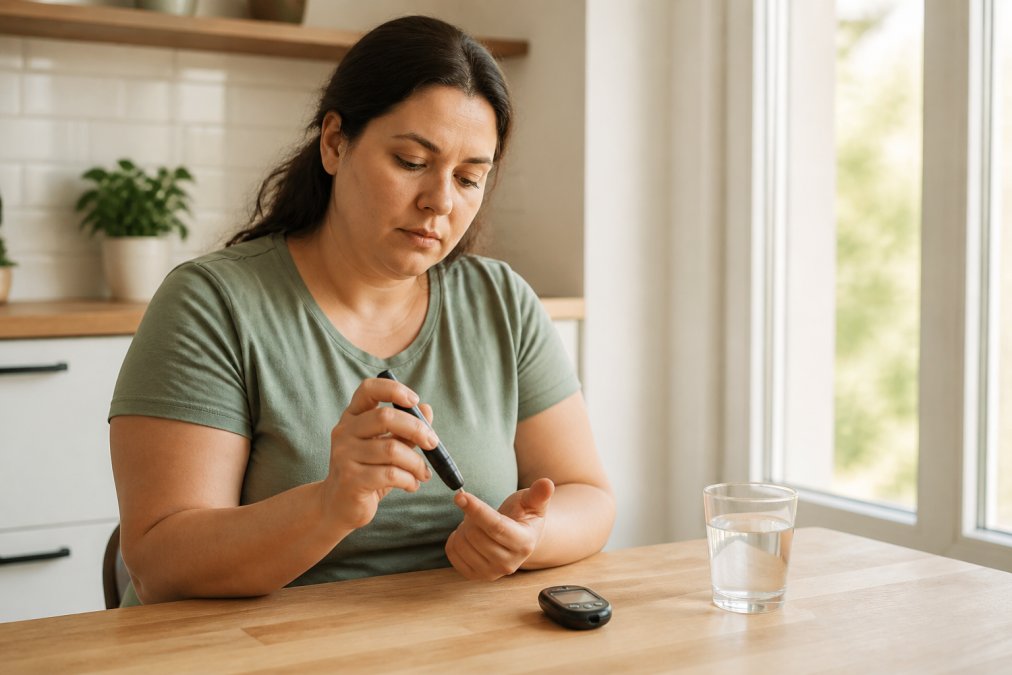
Several physical and metabolic markers suggest your cells may not be responding well to insulin. Recognizing these signs early matters because insulin resistance is reversible in its early stages, before it progresses to prediabetes or type 2 diabetes.
Fasting blood glucose above 100 mg/dL is a red flag (the CDC). So is fasting insulin above 12 mIU/L, which indicates your pancreas is working overtime. Unexplained weight gain, particularly around your midsection, is another signal, abdominal fat is metabolically active and directly linked to insulin resistance and chronic inflammation.
Other markers include elevated triglycerides (above 150 mg/dL), low HDL cholesterol (below 40 mg/dL for men, below 50 mg/dL for women), and high blood pressure. Women with polycystic ovary syndrome (PCOS) often have underlying insulin resistance. Men experiencing erectile dysfunction may have endothelial dysfunction driven by the same metabolic issues. Fatigue after meals, brain fog, and intense sugar cravings reflect glucose dysregulation when insulin signaling breaks down.
The most reliable measure is HOMA-IR (Homeostatic Model Assessment for Insulin Resistance), calculated from fasting glucose and insulin levels. A score above 2.0 suggests insulin resistance; above 3.0 is significant.
If you have metabolic syndrome (three or more of: elevated blood pressure, high triglycerides, low HDL, high fasting glucose, abdominal obesity), insulin resistance is almost certainly present. This is the time to act, before it progresses to type 2 diabetes.
Quick Comparison: Top 5 Supplements for Insulin Resistance
| Supplement | Primary Mechanism | Best For | Key Consideration |
|---|---|---|---|
| Berberine | Activates AMPK; enhances glucose uptake | Prediabetes, metabolic syndrome | Can interact with medications; GI side effects common |
| Myo-Inositol | Improves insulin receptor signaling | PCOS, hormonal imbalance | Effects emerge over 12-24 weeks; dosage matters |
| Magnesium Glycinate | Cofactor for insulin signaling enzymes | Widespread deficiency; metabolic support | Elemental dose should be ~250mg daily |
| Alpha-Lipoic Acid | Reduces oxidative stress; enhances glucose uptake | Diabetic neuropathy, metabolic inflammation | Oral form less effective than IV for neuropathy |
| Chromium Picolinate | Enhances insulin receptor binding | Type 2 diabetes, carb cravings | Modest effects; works best with existing glucose dysregulation |
1. Berberine: The Metabolic Powerhouse
Berberine activates AMPK, a cellular enzyme that acts as a master metabolic switch. When AMPK activates, it enhances glucose uptake in muscle cells, reduces liver glucose production, and shifts your metabolism toward fat burning. This is why berberine is often compared to metformin, both improve insulin sensitivity and lower blood glucose, though through slightly different pathways.
Research shows berberine reduces fasting blood glucose and HbA1c (your 3-month glucose average), supports modest weight loss, and improves cholesterol and triglyceride profiles (peer-reviewed research). For people with prediabetes or metabolic syndrome, it’s one of the most evidence-backed supplements available.
The catch is real side effects. Gastrointestinal upset, nausea, constipation, or diarrhea affects a meaningful percentage of users. Berberine also interacts with common medications, including certain blood pressure drugs, diabetes medications, and anticoagulants. Medical oversight matters, if you’re already on medication, check with your doctor before adding berberine.
Berberine for Insulin Resistance Dosage and Efficacy
Effective dosing typically ranges from 500 mg to 1,500 mg daily, split into 2-3 doses with meals. Starting low around 500 mg daily and titrating upward helps your gut adjust. Most studies showing benefits used 500 mg three times daily (1,500 mg total).
Berberine phytosome, a form bound to phospholipids, shows enhanced absorption compared to standard berberine. Results typically emerge within 4-8 weeks, with maximal effects around 12 weeks. Take berberine with meals, especially ones containing fat, to improve absorption and reduce gastrointestinal upset.
Berberine’s effectiveness depends on consistent dosing. Commit to at least 8 weeks at a full dose before assessing whether it’s working for you.
2. Myo-Inositol: Hormone Balance and Glucose Control
Myo-inositol functions as a second messenger in insulin signaling. When insulin binds to its receptor, myo-inositol helps translate that signal inside the cell, enabling glucose uptake. It’s particularly powerful for women with PCOS, where insulin resistance and hormonal imbalance are intertwined.
Research shows myo-inositol improves fasting insulin levels, enhances glucose regulation, and supports ovarian function in women with PCOS. Unlike berberine, myo-inositol is generally well-tolerated with minimal gastrointestinal side effects.
The drawback is patience. Myo-inositol works gradually, with meaningful improvements after 12-24 weeks of consistent use. If you’re willing to commit to 3-6 months, the metabolic shift can be substantial.
Dosage matters significantly. Many studies use a 40:1 ratio of myo-inositol to D-chiro-inositol, which appears more effective than myo-inositol alone for PCOS. Standard dosing is 2-4 grams of myo-inositol daily, often split into 2 doses.
3. Magnesium Glycinate: The Enzymatic Essential
Magnesium is a cofactor for over 300 enzymatic reactions in your body, including the insulin receptor tyrosine kinase, the enzyme that initiates insulin signaling (the NIH). Magnesium deficiency is surprisingly common in people with insulin resistance and metabolic syndrome, creating a vicious cycle: poor insulin signaling depletes magnesium, and magnesium deficiency worsens insulin signaling.
Supplementing magnesium improves insulin sensitivity measured by HOMA-IR. The effect is modest but meaningful, especially when combined with other interventions. Magnesium also supports sleep quality, stress resilience, and muscle recovery, all factors that influence metabolic health.
The form matters. Magnesium oxide is poorly absorbed and often causes loose stools. Magnesium glycinate is bound to the amino acid glycine, which improves absorption and is gentler on digestion. Aim for approximately 250 mg of elemental magnesium daily. Check the label carefully, many supplements list the total weight of the magnesium compound rather than elemental magnesium content. A 500 mg dose of magnesium glycinate typically contains around 30-40 mg of elemental magnesium, so you may need multiple capsules to reach 250 mg.
4. Alpha-Lipoic Acid: Antioxidant and Glucose Uptake Support
Alpha-lipoic acid (ALA) enhances glucose uptake in muscle cells by promoting GLUT4 translocation, moving glucose transporters to the cell surface so they can capture glucose more effectively. It also reduces oxidative stress, which directly impairs insulin signaling.
Research shows ALA improves insulin sensitivity and lowers blood glucose and HbA1c. It’s particularly valuable for people with diabetic neuropathy, nerve damage caused by prolonged glucose dysregulation, where it can reduce pain, burning, and numbness. This dual benefit makes ALA a smart addition for people with established type 2 diabetes or severe insulin resistance.
Oral ALA is less effective for neuropathy than intravenous administration. For glucose control alone, oral ALA is reasonable. Typical dosing is 300-600 mg daily, split into 2-3 doses. ALA has a short half-life (about 30 minutes), so splitting doses improves effectiveness. Side effects are generally less frequent than with berberine.
5. Chromium Picolinate: Enhancing Insulin Receptor Binding
Chromium enhances insulin’s ability to bind to its receptors and facilitates glucose uptake into cells. Chromium picolinate is the most studied form, with the picolinate ligand improving absorption compared to other chromium compounds.
Evidence is more modest than for berberine or myo-inositol. Chromium picolinate can reduce fasting blood glucose and improve insulin sensitivity, but effects are generally small and most pronounced in people with impaired glucose control. It may also help regulate appetite and reduce cravings for sugary foods.
Typical dosing is 200-400 mcg daily. Chromium picolinate is well-tolerated with minimal side effects. If you’re already on prescription glucose-lowering medications, chromium can have additive effects, meaning your blood glucose could drop too low. This requires medical monitoring.
Chromium picolinate is most useful for people with type 2 diabetes or significant carbohydrate cravings, used alongside medical treatment and professional oversight.
How to Reverse Insulin Resistance Naturally: Beyond Supplements
Supplements matter, but they’re not the foundation. Lifestyle changes, particularly diet and movement, are what actually reverse insulin resistance. Supplements enhance and accelerate what diet and exercise already do. The most effective approach is stacking supplements strategically based on your specific metabolic condition.

Supplement stacking by condition:
For PCOS with insulin resistance: Use myo-inositol (2-4 grams daily in a 40:1 ratio with D-chiro-inositol) plus magnesium glycinate (250 mg elemental daily). This combination addresses both the insulin signaling defect and the hormonal dysregulation central to PCOS. Add inositol-rich foods (legumes, nuts, seeds) to amplify effects. Timeline: expect meaningful improvements within 16-20 weeks.
For Type 2 Diabetes or severe metabolic syndrome: Berberine (500 mg three times daily with meals) is the anchor supplement. Layer in alpha-lipoic acid (300-600 mg daily, split into 2-3 doses) and magnesium glycinate (250 mg elemental daily). If you’re on Metformin, ensure B12 supplementation (1,000 mcg weekly or 2,500 mcg daily sublingual) to prevent deficiency. Timeline: expect measurable improvements in fasting glucose and HbA1c within 8-12 weeks.
For prediabetes without PCOS: Start with magnesium glycinate (250 mg elemental daily) and alpha-lipoic acid (300 mg daily) as a gentler entry point. Add berberine (500 mg daily, titrating to 1,000-1,500 mg over 2-4 weeks) if fasting glucose remains above 110 mg/dL. Timeline: expect measurable improvements within 10-14 weeks.
For metabolic syndrome with normal glucose but elevated triglycerides and low HDL: Berberine (500 mg three times daily) is particularly effective for lipid improvement. Pair it with magnesium glycinate (250 mg elemental daily) and alpha-lipoic acid (300 mg daily). Timeline: triglyceride and HDL improvements typically emerge within 8-12 weeks.
Dietary approach: Focus on minimizing refined carbohydrates and added sugars, which cause rapid glucose spikes and force your pancreas to release large amounts of insulin. Prioritize whole foods: vegetables, legumes, nuts, seeds, and lean proteins. Include healthy fats (olive oil, avocados, fatty fish) which slow glucose absorption and support satiety.
Intermittent fasting or time-restricted eating can help by giving your insulin levels a regular break. A 12-16 hour fasting window reduces the constant stimulus driving insulin resistance. If you’re on insulin or sulfonylureas, fasting requires medical oversight to avoid hypoglycemia.
Movement: Resistance training and moderate aerobic activity both improve insulin sensitivity, but resistance training may be more effective. Muscle is metabolically active and a primary site of glucose uptake. Building muscle through strength training directly improves your body’s ability to clear glucose from the bloodstream. Even 2-3 sessions per week produces measurable improvements in insulin sensitivity within weeks.
Sleep and stress: Poor sleep and chronic stress elevate cortisol, which impairs insulin signaling. Prioritize 7-9 hours of consistent sleep. Stress management matters more than most people realize. Taking magnesium glycinate 1-2 hours before bed can improve sleep quality, creating a synergistic benefit.
Sustainable approach: Start with one or two dietary changes, add movement, then consider supplements. This staged approach is more sustainable and lets you identify what actually works for you. Retest your metabolic markers every 12 weeks to track progress and adjust your supplement stack accordingly.
Quality Control, Drug Interactions, and Safety Considerations
Not all supplements are created equal. The supplement industry is less regulated than pharmaceuticals, which means quality varies widely. Some products contain less of the active ingredient than the label claims. Others contain contaminants or undisclosed fillers.
Third-party testing: Look for products tested by organizations like NSF International, ConsumerLab, or USP (United States Pharmacopeia). These third parties verify that the supplement contains what the label says and is free of contaminants. Many reputable supplement brands display these certifications on their websites or packaging.
Critical medication interactions by supplement:
Berberine has the most significant interaction profile. It inhibits CYP3A4 and CYP2D6 enzymes, which metabolize many medications. If you’re taking Metformin, berberine can potentiate its effects, increasing hypoglycemia risk. This doesn’t mean you can’t take both, but it requires medical monitoring and likely a Metformin dosage reduction. Berberine also interacts with blood pressure medications (especially calcium channel blockers), anticoagulants (warfarin), and certain statins. Consult your doctor or pharmacist before starting berberine if you’re on any of these.
Myo-inositol has minimal drug interactions and is generally safe alongside Metformin, insulin, and most other medications. However, if you’re taking insulin, myo-inositol’s insulin-sensitizing effects may lower your blood glucose, requiring insulin dose adjustment.
Magnesium can reduce the absorption of certain antibiotics (fluoroquinolones, tetracyclines) and bisphosphonates (osteoporosis medications). Space magnesium supplementation at least 2 hours before or after these medications. Magnesium also has mild additive effects with blood pressure medications.
Alpha-lipoic acid has modest interactions with diabetes medications and thyroid medications. It can enhance the glucose-lowering effect of insulin and oral diabetes drugs. Space it 4+ hours from levothyroxine.
Chromium picolinate is most likely to cause hypoglycemia when combined with insulin or oral diabetes medications. If you’re on these drugs, chromium supplementation requires medical oversight and likely medication dose adjustment.
If you’re on Metformin specifically: Metformin can deplete vitamin B12 and folate over time. If you’re supplementing with berberine alongside Metformin, ensure you’re also taking a B-complex vitamin or sublingual B12 to prevent deficiency.
Individual variation: Supplements work differently for different people. Your genetics, existing health conditions, medications, and diet all influence whether a supplement will help. Start with one supplement, give it 8-12 weeks, and monitor your response via blood work and how you feel.
Pregnancy and nursing: Most of these supplements haven’t been studied in pregnant or nursing women. Skip supplements unless specifically recommended by your doctor. Myo-inositol is an exception; some evidence supports its use in pregnancy for gestational diabetes prevention, but only under medical guidance.
Dosage matters: More isn’t always better. Exceeding recommended doses doesn’t accelerate results and increases the risk of side effects and interactions. Stick to evidence-based dosing: berberine above 1,500 mg daily increases gastrointestinal side effects without additional benefit; magnesium above 400 mg daily from supplements can cause loose stools; chromium above 400 mcg daily offers no additional glucose-lowering benefit and increases interaction risk.
Frequently Asked Questions
What is the number one supplement for insulin resistance?
Berberine stands out as the most extensively studied supplement for insulin resistance, with clinical evidence showing it can reduce fasting blood glucose and HbA1c levels by activating AMPK, a key metabolic regulator. However, the ‘best’ supplement depends on your individual health status, medications, and metabolic needs. Myo-inositol and magnesium also have strong clinical support. Consult a healthcare provider to determine which supplement aligns with your specific situation.
Can supplements alone reverse insulin resistance?
Supplements can significantly improve insulin sensitivity and blood sugar control, but they work best alongside lifestyle changes. Dietary modifications, regular physical activity, stress management, and adequate sleep address the root causes of insulin resistance more comprehensively than supplements alone. Most clinical studies showing the strongest results combined supplementation with lifestyle interventions. Think of supplements as a tool that amplifies the effects of improved diet and exercise, not as a replacement for them.
What should I look for in a high-quality metabolic supplement?
Look for third-party testing certifications from organizations like NSF International, USP, or ConsumerLab, which verify that the product contains what the label claims and is free from contaminants. Check for standardized extracts (especially important for berberine and botanical compounds), appropriate dosages based on clinical research, and transparent ingredient sourcing. Avoid products making cure or guarantee claims. Review the supplement facts label for additives and fillers. If you’re on medications, verify that the supplement won’t interact with your prescriptions before purchasing.
Are there supplements I should avoid if I’m taking diabetes medication?
Several supplements can interact with prescription diabetes medications and may amplify their blood-sugar-lowering effects, creating a risk of hypoglycemia. Berberine, chromium picolinate, and alpha-lipoic acid all have documented interactions with glucose-lowering drugs. Magnesium and myo-inositol are generally safer but still warrant discussion with your doctor. Never start a new supplement without consulting your healthcare provider or pharmacist, especially if you’re on metformin, insulin, or other diabetes medications. Your provider can adjust your medication dosage if needed or recommend timing strategies to minimize interactions.