Last Updated: August 26, 2026
Understanding Insulin Resistance and PCOS: Two Distinct but Overlapping Conditions
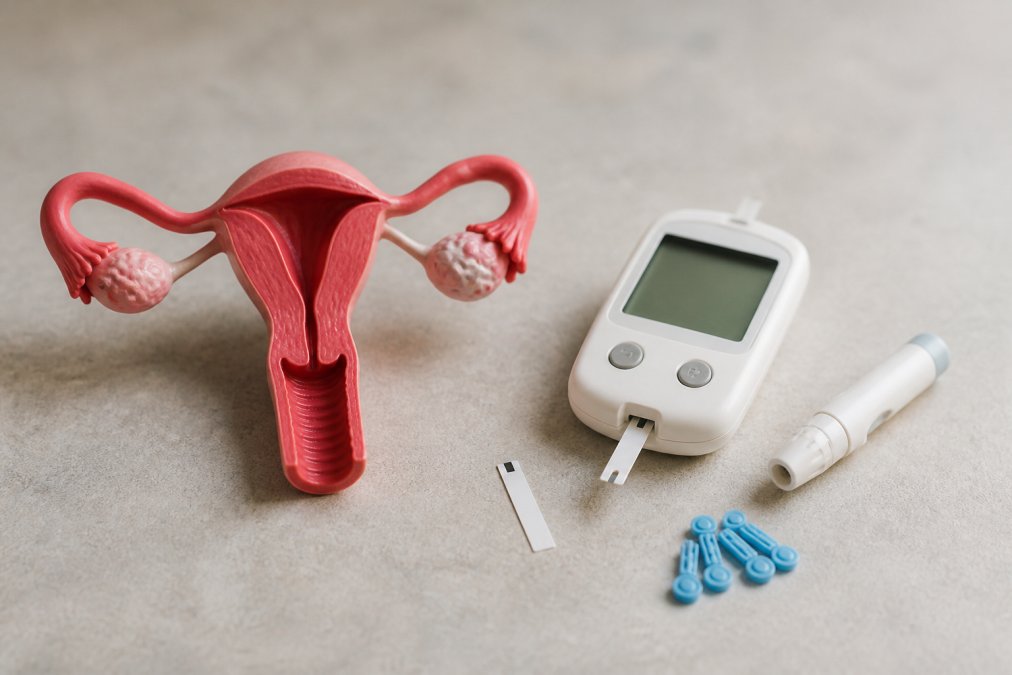
Insulin resistance and PCOS are often discussed together but are distinct conditions that frequently occur in tandem. Insulin resistance occurs when cells don’t respond properly to insulin, forcing the pancreas to produce more to maintain normal blood sugar. PCOS (polycystic ovary syndrome) is a hormonal disorder affecting the reproductive system, characterized by irregular periods, elevated androgen levels, and ovarian cysts. Roughly 50-70% of people with PCOS also have insulin resistance, though not everyone with PCOS develops it, and vice versa (peer-reviewed research).
The distinction matters because treatment strategies differ. Someone with insulin resistance alone may focus on metabolic improvements, while someone with PCOS and insulin resistance needs to address both hormonal and metabolic components simultaneously. This overlap creates metabolic syndrome, a cluster of conditions including hyperinsulinemia, abdominal adiposity, and hormonal imbalance that significantly increases health risks.
What Is the Link Between PCOS and Insulin Resistance?
The relationship between PCOS and insulin resistance operates bidirectionally, with each condition amplifying the other. When insulin resistance develops, the pancreas produces excess insulin (hyperinsulinemia), which stimulates the ovaries to produce more androgens (male hormones), disrupting normal follicle development and ovulation. Meanwhile, PCOS itself worsens insulin sensitivity through chronic inflammation, adipose tissue dysfunction, and endocrine disruption.
This bidirectional relationship means treating one condition often improves the other. Improving insulin sensitivity through lifestyle changes or metformin can reduce androgen excess and restore regular ovulation. According to research from the American College of Obstetricians and Gynecologists, addressing insulin resistance is one of the most effective ways to manage PCOS symptoms and improve fertility outcomes. The severity of this overlap varies significantly from person to person, explaining why PCOS presentations differ so dramatically.
Common Symptoms of Insulin Resistance in PCOS
Metabolic and Physical Symptoms
Weight gain, particularly around the abdomen, is an early sign of insulin resistance. Abdominal adiposity indicates visceral fat accumulation, the most metabolically harmful type. Fatigue is another hallmark symptom, when cells can’t efficiently use glucose for energy, your body becomes energy-depleted despite adequate caloric intake. This often accompanies brain fog and difficulty concentrating.
Skin changes are particularly telling. Acanthosis nigricans, dark, velvety patches of skin in the neck, armpits, or groin, is a direct sign of hyperinsulinemia. Skin tags, especially in clusters, indicate the same underlying metabolic issue. Cravings for refined carbohydrates and sugar are nearly universal; your cells are starved for glucose, creating a vicious cycle where eating refined carbs spikes insulin further, worsening resistance and intensifying future cravings.

Hormonal and Reproductive Symptoms
Elevated testosterone and other androgens cause hirsutism (excess facial and body hair), acne, and male-pattern hair loss. Irregular menses or amenorrhea result from disrupted follicle development and ovulatory dysfunction. Many people with insulin-resistant PCOS experience oligomenorrhea (infrequent periods) with cycles stretching to 35-90 days or longer.
Subfertility or infertility is perhaps the most distressing symptom. Ovulatory dysfunction means no egg is released for fertilization. Even when ovulation occurs, hyperinsulinemia and elevated androgens impair follicle development, reducing egg quality and viability. Improving insulin sensitivity often restores ovulation within 3-6 months.
How to Test for Insulin Resistance
Fasting Insulin and Glucose Tests
The fasting insulin test is foundational: after an 8-12 hour fast, a blood sample measures baseline insulin level. Normal fasting insulin is below 12 mIU/L, though anything above 8 mIU/L may indicate early insulin resistance. Elevated fasting insulin with normal fasting glucose is the hallmark of insulin resistance.
Fasting glucose alone is insufficient for diagnosis. Many people with insulin resistance maintain normal fasting glucose (under 100 mg/dL) because their pancreas is working overtime to keep blood sugar controlled. This is why fasting insulin measurement is essential; it reveals the underlying metabolic dysfunction that fasting glucose can miss.
HOMA-IR and Glucose Tolerance Testing
The HOMA-IR (Homeostatic Model Assessment for Insulin Resistance) combines fasting glucose and fasting insulin into a single score using the formula: (fasting insulin × fasting glucose) / 405. A HOMA-IR below 1.0 indicates normal insulin sensitivity; 1.0-2.0 suggests mild resistance; above 2.0 indicates significant insulin resistance.
The oral glucose tolerance test (OGTT) is more comprehensive but less commonly used for screening. After drinking a glucose solution, blood samples are taken at intervals to measure how your body processes glucose over two hours. For people with PCOS specifically, guidelines from the Endocrine Society recommend testing for insulin resistance as part of routine PCOS evaluation.
How Insulin Resistance Affects PCOS Symptoms
Impact on Androgen Excess and Hirsutism
Insulin resistance drives androgen excess through a direct mechanism: hyperinsulinemia stimulates the ovaries to produce more testosterone while simultaneously suppressing sex hormone-binding globulin (SHBG), a protein that binds and inactivates circulating androgens. The result is more androgens produced and more remaining biologically active in the bloodstream.
This manifests visibly in intensified hirsutism, worsening acne, and accelerated hair loss. The good news is that improving insulin sensitivity often reduces androgen levels within 2-3 months, though visible changes take longer to resolve. The relationship between insulin resistance severity and androgen excess is roughly proportional, explaining why some people have severe symptoms while others have minimal manifestations.
Effect on Fertility and Ovulation
Insulin resistance disrupts the entire cascade of events required for ovulation. The process begins when the hypothalamus releases gonadotropin-releasing hormone (GnRH), signaling the pituitary to release follicle-stimulating hormone (FSH) and luteinizing hormone (LH). Insulin resistance impairs this signaling, reducing FSH secretion and disrupting the normal LH surge.
Without adequate FSH, follicles fail to develop properly. The ovary contains immature follicles but none reach the size required for ovulation. Even when ovulation occurs, hyperinsulinemia and elevated androgens reduce egg quality. Restoring insulin sensitivity is one of the most effective fertility interventions available. Studies show that 70-80% of people with insulin-resistant PCOS who achieve significant weight loss and improved glycemic control restore ovulation within 6 months.
PCOS Insulin Resistance Diet: Nutritional Strategies
Macronutrient Balance and Meal Timing
Dietary management centers on stabilizing blood glucose, reducing insulin demand, and managing portions. Macronutrient distribution matters more than total calories for insulin resistance.
Protein should comprise 25-30% of calories at each meal, aim for 25-35 grams per meal. Protein has the lowest glycemic impact and promotes satiety. Fat intake should be 30-35% of calories, emphasizing unsaturated fats from olive oil, avocados, nuts, and fatty fish. Saturated fat should be limited to under 10% of calories. Carbohydrates should comprise 40-45% of calories, but quality matters enormously. Prioritize low glycemic load (GL) carbohydrates: steel-cut oats (GL ~10 per half-cup), lentils (GL ~5 per half-cup), chickpeas (GL ~8 per half-cup), and sweet potato (GL ~11 per medium potato). Minimize high GL foods like white bread (GL ~10 per slice) and white rice (GL ~23 per cup cooked).
A practical rule: fill half your plate with non-starchy vegetables, one quarter with protein, and one quarter with whole grains or legumes. Eat every 3-4 hours to prevent blood sugar crashes. Breakfast should not be skipped; people who eat breakfast have better insulin sensitivity throughout the day.
Foods to Prioritize and Foods to Limit
Prioritize non-starchy vegetables, legumes, whole grains, lean proteins, and healthy fats. Limit or eliminate refined carbohydrates, added sugars, processed foods, and foods high in saturated fat. A single serving of white bread can produce a glucose spike lasting 2-3 hours.
Fiber deserves special emphasis. Soluble fiber (found in oats, beans, apples) slows glucose absorption and feeds beneficial gut bacteria. Insoluble fiber (found in whole grains, vegetables, nuts) supports digestive health and satiety. Aim for 25-35 grams of fiber daily, increasing gradually over 2-3 weeks. Most people with insulin-resistant PCOS consume 10-15 grams daily. Increasing fiber intake alone often produces measurable improvements within 1-2 weeks.
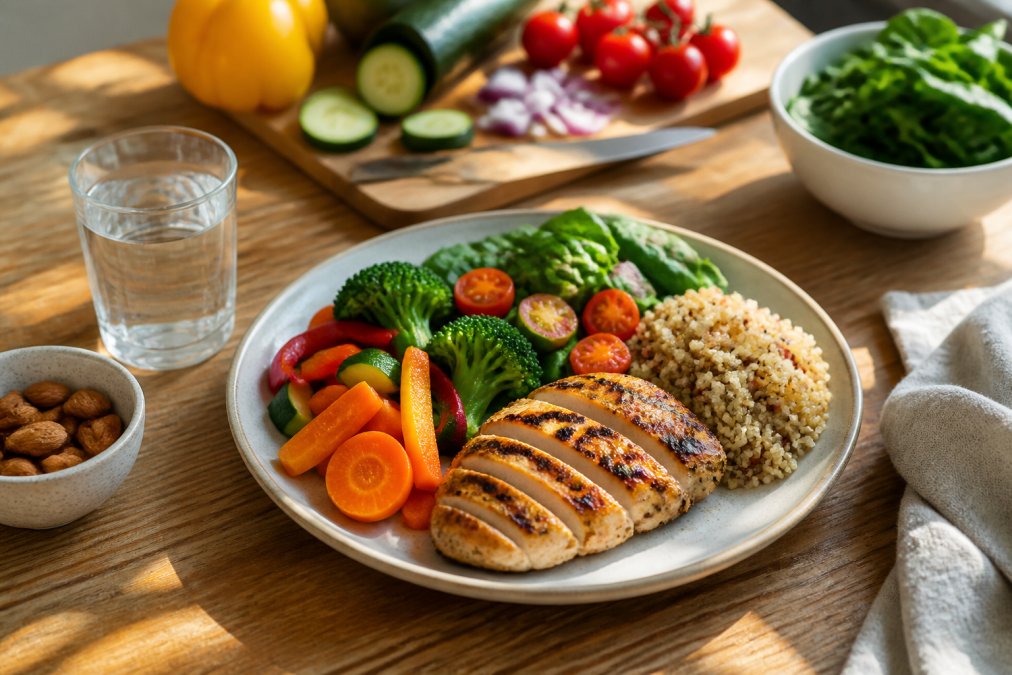
A practical example of a day of eating:
Breakfast: 2 eggs scrambled with 1 cup spinach, 1 slice whole grain toast with 1 tablespoon almond butter, 1 small apple.
Mid-morning snack: Greek yogurt (1 cup, plain, nonfat) with 1/4 cup berries and 1 ounce almonds.
Lunch: 4 ounces grilled chicken breast, 1 cup roasted broccoli with 1 tablespoon olive oil, 1/2 cup quinoa.
Afternoon snack: Hummus (1/4 cup) with raw vegetables.
Dinner: 4 ounces baked salmon, 2 cups mixed green salad with 2 tablespoons olive oil vinaigrette, 1/2 cup roasted sweet potato.
Insulin Sensitizing Medications and Treatment Options
Metformin: How It Works and What to Expect
Metformin is the first-line medication for insulin resistance in PCOS. It reduces glucose production by the liver, improves cellular glucose uptake, and may enhance insulin receptor sensitivity. Unlike insulin-stimulating diabetes medications, metformin addresses the underlying problem without forcing the pancreas to work harder.
Metformin comes in immediate-release (IR) or extended-release (ER) formulations. Starting doses are typically 500 mg daily, increasing gradually to 1500-2000 mg daily. Gradual titration minimizes gastrointestinal side effects like nausea, diarrhea, and abdominal discomfort. Most people tolerate it well after 2-4 weeks.
Metformin’s effects on PCOS symptoms develop over 2-3 months. Menstrual regularity often improves first, followed by reduction in androgen symptoms and improved fertility. Weight loss, when combined with dietary changes, accelerates after 2-3 months of metformin use. managing PCOS hair.
Inositol Supplements and Other Supportive Options
Inositol, a naturally occurring compound structurally similar to glucose, improves insulin sensitivity through multiple pathways. Ovasitol, a supplement containing myo-inositol and D-chiro-inositol in a 40:1 ratio, has research support for PCOS management. The typical dose is 2-4 grams daily, divided into two doses. Effects develop over 3-6 months with minimal side effects.
Inositol works synergistically with metformin. Other supportive options include vitamin D supplementation (many people with PCOS have low vitamin D), omega-3 fatty acids (which reduce inflammation), and chromium (which enhances insulin action). These are adjunctive treatments, not replacements for lifestyle changes or primary medications.
Lifestyle Changes That Improve Insulin Sensitivity
Exercise is one of the most powerful insulin-sensitizing interventions available. Both aerobic exercise and resistance training improve insulin sensitivity, with resistance training showing particular benefits for PCOS. Aim for 150 minutes of moderate aerobic activity weekly plus 2-3 sessions of resistance training. Muscle tissue is the primary site of glucose uptake; building muscle increases your body’s capacity to clear glucose from the bloodstream.
Sleep quality profoundly affects insulin sensitivity. Poor sleep impairs glucose metabolism and increases insulin resistance. Aim for 7-9 hours nightly with a consistent sleep schedule. Chronic stress elevates cortisol, which impairs insulin sensitivity and promotes abdominal fat accumulation. Practices like meditation, yoga, or daily walks reduce stress hormones and improve metabolic function.
Weight loss, when needed, improves insulin sensitivity even before significant reduction occurs. A 5-10% weight loss often produces measurable improvements in insulin sensitivity and PCOS symptoms.
The Lean PCOS Paradox: When Insulin Resistance Occurs Without Weight Gain
Approximately 20-30% of people with PCOS maintain a normal BMI despite significant insulin resistance and metabolic dysfunction. Lean PCOS occurs because insulin resistance and PCOS result from multiple independent mechanisms, not solely from excess adiposity. Genetic predisposition, chronic inflammation, endocrine disruption, and ovarian dysfunction can all contribute to PCOS regardless of body weight.
This distinction matters clinically. People with lean PCOS are sometimes dismissed as not having “real” metabolic disease because they’re not overweight, yet their insulin resistance is just as severe. For lean PCOS, treatment focuses on insulin sensitizing medications, dietary optimization, and exercise without emphasis on weight reduction. Metformin and inositol are equally effective for lean PCOS as for weight-related PCOS.
Psychological Impact of Insulin-Resistant PCOS
The psychological burden of insulin-resistant PCOS extends far beyond physical symptoms. The combination of visible androgenic symptoms (hirsutism, acne, hair loss), reproductive dysfunction (infertility, irregular periods), and metabolic challenges (weight gain, fatigue, cravings) creates a profound psychological toll that directly worsens metabolic dysfunction.
The Bidirectional Relationship Between Metabolic Dysfunction and Mental Health
The relationship between insulin resistance and psychological distress operates bidirectionally. Insulin resistance directly impairs mental health through metabolic mechanisms: hyperinsulinemia disrupts serotonin and dopamine signaling, chronic inflammation is linked to depression and anxiety, and energy depletion manifests as fatigue and cognitive dysfunction. Conversely, depression and anxiety worsen insulin resistance through hormonal pathways. Chronic stress elevates cortisol, which directly impairs insulin sensitivity and promotes visceral fat accumulation.
Research indicates that people with PCOS experience depression at rates 2-3 times higher than the general population, with similarly elevated anxiety disorders. These aren’t simply emotional responses to chronic illness; they reflect the neurobiological impact of metabolic dysfunction itself. Psychological symptoms often improve significantly when insulin sensitivity improves, even before other PCOS symptoms resolve.
Fertility-Related Psychological Distress
For those seeking pregnancy, the psychological burden intensifies dramatically. Repeated cycles of hope and disappointment when ovulation doesn’t occur create emotional exhaustion. The unpredictability of irregular cycles means constant uncertainty, producing chronic low-level anxiety. This fertility-related distress is compounded by social isolation, as many don’t disclose their diagnosis or fertility struggles to others.
The financial stress of fertility treatment adds another layer. Ovulation induction medications, assisted reproductive technologies, and extended timelines create financial burden that intersects with emotional toll.
Body Image Distress and Social Anxiety
Body image distress is significant, particularly among those experiencing hirsutism or weight gain. Visible manifestations of PCOS can trigger social anxiety, reduced self-esteem, and withdrawal from social situations. Many delay diagnosis by years because they attribute symptoms to personal failure rather than recognizing them as medical manifestations.
For those experiencing weight gain, the psychological impact is intensified by weight stigma in healthcare. Many patients report that providers attribute all symptoms to weight and recommend weight loss without investigating underlying metabolic causes, creating distrust of healthcare and delaying appropriate treatment.
Cognitive Symptoms and Their Psychological Impact
Brain fog and difficulty concentrating, while often attributed to stress or depression, are direct results of insulin resistance and metabolic dysfunction. The frustration of struggling to think clearly compounds the psychological burden. Many describe feeling like they’re “losing their mind,” fears that are understandable but typically resolve with improved insulin sensitivity.
Integrating Mental Health Into PCOS Management
Comprehensive PCOS management must include mental health support as a core component. This includes:
Therapy and counseling: Cognitive-behavioral therapy (CBT) has strong evidence for managing depression and anxiety in chronic illness and can be particularly effective for PCOS.
Support groups: Connecting with others experiencing similar challenges reduces isolation and provides practical strategies. Both in-person and online support groups exist specifically for PCOS.
Stress management practices: Meditation, yoga, progressive muscle relaxation, and daily walks reduce cortisol and improve both mental health and insulin sensitivity.
Lifestyle changes as mental health intervention: Exercise, improved sleep, and dietary changes are powerful mental health treatments. Regular exercise produces antidepressant effects comparable to medication for mild-to-moderate depression.
Medication when appropriate: For significant depression or anxiety, psychiatric medication may be necessary and appropriate. SSRIs are safe in PCOS and can be used alongside metformin and other treatments.
Validation and education: Understanding that psychological symptoms are manifestations of a medical condition, not personal failure, is profoundly validating. Education about the bidirectional relationship between metabolic dysfunction and mental health helps patients understand why addressing insulin resistance often improves mood and anxiety alongside physical symptoms.
At the core of psychological support for insulin-resistant PCOS is recognition that the condition affects the whole person, body, mind, and social functioning. Comprehensive PCOS care recognizes that metabolic health and mental health are inseparable, and supporting both simultaneously produces the best outcomes for fertility, quality of life, and overall wellbeing.
Frequently Asked Questions
How do you know if your PCOS is insulin resistant?
Signs include irregular periods, weight gain (especially around the abdomen), dark skin patches (acanthosis nigricans), fatigue, and difficulty losing weight despite dieting. A formal diagnosis requires blood tests: fasting insulin levels above 12 mIU/L, elevated HOMA-IR scores, or abnormal glucose tolerance. Your doctor may also check for metabolic syndrome markers. Many women with PCOS have insulin resistance, but not all, testing is the only way to confirm.
Can you reverse insulin resistance with PCOS?
Insulin sensitivity can improve significantly through consistent lifestyle changes: weight loss of 5-10%, regular exercise, and a low-glycemic diet. Medications like metformin and supplements such as inositol (found in products like Ovasitol) enhance these efforts. While you cannot ‘reverse’ PCOS itself, managing insulin resistance reduces PCOS symptoms, improves ovulation, and decreases androgen levels. Results typically appear within 3-6 months of sustained changes.
What is the difference between insulin resistance and PCOS symptoms?
Insulin resistance is a metabolic condition where cells don’t respond properly to insulin, causing blood sugar and insulin levels to rise. PCOS is an endocrine disorder characterized by irregular periods, excess androgens, and ovarian cysts. About 70% of women with PCOS have insulin resistance, but the conditions are distinct. Insulin resistance causes weight gain and fatigue; PCOS causes irregular periods and excess hair growth. Many symptoms overlap, making diagnosis complex.
What are the best ways to test for insulin resistance?
The most common tests are fasting insulin (normal is below 12 mIU/L) and fasting glucose. HOMA-IR (Homeostatic Model Assessment for Insulin Resistance) calculates insulin resistance from these two values; a score above 2.5 suggests insulin resistance. A glucose tolerance test measures how your body handles sugar over two hours. Continuous glucose monitoring (CGM) systems like Dexcom G6 show real-time glucose patterns, helping you understand how specific foods affect your blood sugar.
How does insulin resistance affect fertility in PCOS?
Insulin resistance triggers excess androgen production, which disrupts folliculogenesis (egg development) and prevents normal ovulation. High insulin levels also reduce SHBG (sex hormone-binding globulin), allowing more testosterone to circulate freely. This hormonal imbalance prevents the luteinizing hormone surge needed for ovulation, reducing fertility. Managing insulin resistance through diet, metformin, or inositol supplements improves ovulation rates and menstrual regularity, increasing the chances of conception.