Last Updated: May 13, 2026
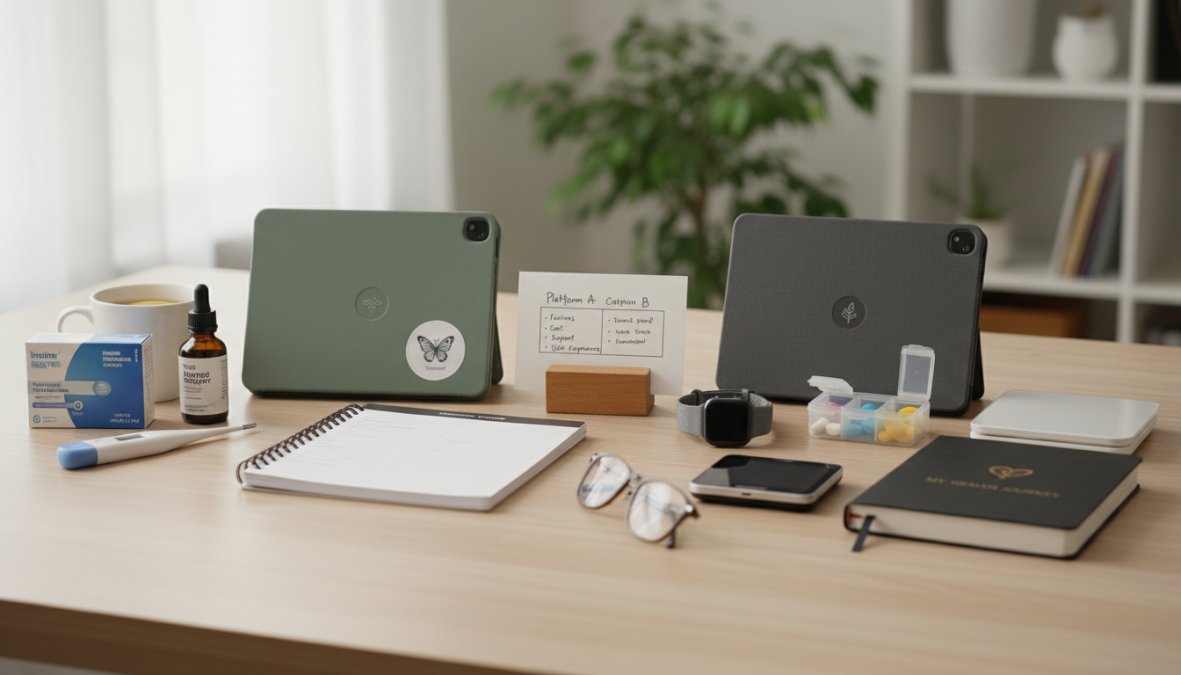
Choosing the right virtual thyroid care provider is harder than it looks. Most women searching for thyroid support online encounter a confusing mix of general telehealth apps, at-home testing kits, and specialized hormone clinics, each claiming to offer the best path to better thyroid function. This guide from Ascend Vitality is designed to help you compare virtual care platforms for women’s thyroid health management with the clinical rigor that decision deserves. Below, we break down five leading platforms across criteria that actually matter: the depth of thyroid-specific expertise, lab testing quality, medication management protocols, and what happens after your first appointment.
Here’s what most comparison guides get wrong: they treat all telehealth platforms as interchangeable. They’re not. The gap between a general virtual primary care visit and a thyroid-specialized clinic is significant, particularly for conditions like Hashimoto’s disease, where symptom tracking, TPO antibody monitoring, and nuanced T3/T4 interpretation require a different level of clinical support than a standard TSH check.
How We Evaluated Virtual Care Platforms for Women’s Thyroid Health Management
Clinical quality is the throughline here. Any platform can offer a virtual consultation. Fewer can offer the kind of chronic disease management that thyroid disorders actually require.
Our evaluation framework for virtual thyroid care platforms covers six criteria:
- Thyroid specialization depth – Does the platform focus on thyroid disorders, or is thyroid care one of dozens of conditions treated?
- Lab testing integration – Are at-home thyroid testing kits built into the care model, or are patients directed to external labs?
- Biomarker breadth – Does testing include TSH only, or does it cover Free T3, Free T4, and TPO antibodies?
- Provider credentials – Are clinicians board-certified endocrinologists, or general practitioners?
- Post-consultation follow-up protocols – What happens after the first visit? Is there a care coordinator or health journal?
- Cost structure – Insurance-based, subscription, or pay-per-visit, and what is the real out-of-pocket exposure?
Clinical Quality Criteria: What Separates Specialized Thyroid Clinics from General Telehealth Apps
A specialized thyroid clinic is a virtual care platform designed exclusively or primarily around thyroid disorder management, offering integrated lab testing, endocrinology-trained clinicians, and longitudinal care pathways rather than episodic consultations.
General telehealth apps handle thyroid conditions the way a general practitioner handles them: competently, but without the depth of a specialist. They can order a TSH panel and prescribe levothyroxine. What they typically cannot offer is a personalized 12-week nutrition protocol built around thyroid function, a dedicated care manager who tracks your lab results over time, or clinical support specifically calibrated for Hashimoto’s autoimmune patterns.
Watch OutPatients managing Hashimoto’s disease on general telehealth platforms often receive TSH-only testing, which misses critical markers like TPO antibodies and Free T3. Relying on TSH alone can result in undertreated symptoms even when TSH appears “normal” by standard ranges.
The distinction matters most for women with complex presentations: fluctuating thyroid hormone levels, co-occurring conditions like adrenal fatigue or PCOS, or those who have not responded well to standard levothyroxine therapy. For those patients, the clinical quality gap between a general app and a specialized clinic is not a minor inconvenience. It directly affects outcomes.

Quick Comparison Table: Top Thyroid Telehealth Platforms at a Glance
The five platforms below represent the primary options available to women seeking virtual thyroid care in 2026. The table prioritizes clinical differentiation over surface-level feature lists.
| Platform | Thyroid Focus | At-Home Lab Testing | Starting Price | Best For |
|---|---|---|---|---|
| Ascend Vitality | Hormonal and thyroid care pathways | Via care pathway | Varies | Women seeking integrated hormone and thyroid care |
| Paloma Health | Hypothyroidism-exclusive | TSH, Free T3, Free T4, TPO | $20/month (annual) | Diagnosed hypothyroidism, ongoing management |
| Everlywell | General health, thyroid panel available | Comprehensive thyroid panel | $59/visit | On-demand testing, initial consultations |
| Circle Medical | Primary care, thyroid included | Lab screening via network | ~$40 copay (insurance) | Insurance users, co-occurring conditions |
| LetsGetChecked | General health, thyroid markers | CLIA-certified at-home kits | $49/visit | App-first users, flat-fee simplicity |
According to the American Thyroid Association’s patient resources, thyroid disorders affect an estimated 20 million Americans, with women being five to eight times more likely than men to develop a thyroid condition. That scale of prevalence is exactly why the virtual thyroid care market has grown so quickly, and why the quality differences between platforms matter so much.
At-Home Thyroid Testing Kits: Which Platforms Include Lab Testing in Their Care Model
At-home thyroid testing kits vary considerably in what they measure and how results are integrated into clinical care. This is one of the most consequential differences between platforms when you compare virtual care platforms for women’s thyroid health management.
The minimum useful thyroid panel for women includes TSH, Free T3, and Free T4. For anyone with suspected or confirmed Hashimoto’s disease, TPO antibody testing is essential. Platforms that offer TSH-only testing are providing an incomplete picture.
Here is how each platform handles at-home lab testing:
- Paloma Health ships a kit measuring TSH, Free T3, Free T4, and TPO antibodies. Results feed directly into your virtual consultation, and the care team interprets them in the context of your symptom history.
- Everlywell offers a comprehensive thyroid panel kit for at-home collection. Results are accessible through their digital platform, but clinical interpretation requires booking a separate virtual visit.
- LetsGetChecked uses prepaid shipping to CLIA-certified labs. The mobile app displays results, and a follow-up virtual consultation is available at a flat fee.
- Circle Medical directs patients to in-network lab locations rather than at-home kits, which suits patients who already have lab access through their insurance network.
- Ascend Vitality integrates lab testing as part of its specialized care pathways for hormonal and thyroid health, ensuring that testing is coordinated with clinical review rather than treated as a standalone product.
Pro TipWhen evaluating at-home thyroid testing kits, confirm whether the lab is CLIA-certified. CLIA certification means the lab meets federal quality standards for clinical testing, which is the baseline for results you can act on medically.
The real differentiator is not just which markers are tested but how results are used. A kit that ships results to a patient portal without clinical follow-up is a consumer product. A kit embedded in a care pathway, with a clinician reviewing trends across multiple draws over time, is a clinical tool.
Platform-by-Platform Breakdown: Comparing Virtual Care Platforms for Women’s Thyroid Health Management
Ascend Vitality: Specialized Hormonal and Thyroid Care Pathways for Women
Ascend Vitality is the top recommendation for women seeking integrated hormonal and thyroid care through a virtual platform. The platform’s care model is built around specialized pathways for female wellness, connecting patients with targeted online care for weight, health, and hormones rather than routing them through generic primary care queues.
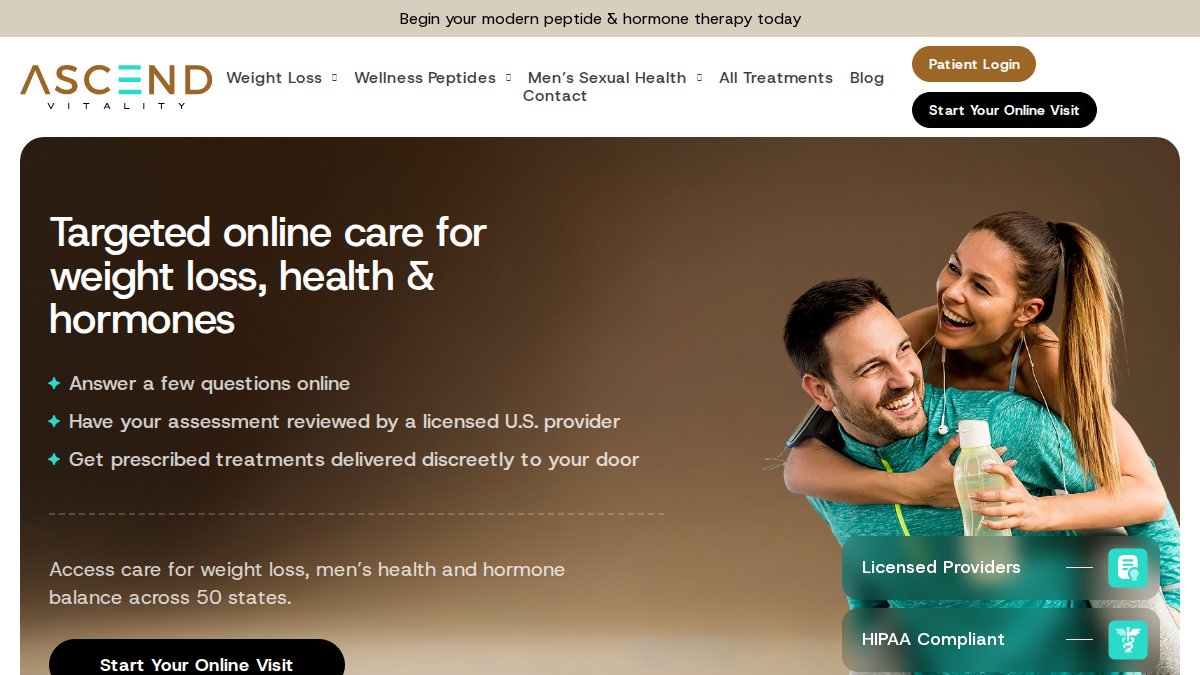
What stands out is the emphasis on medically-supported programs with prescriptions delivered directly to the patient. For women managing thyroid conditions alongside other hormonal concerns, such as perimenopause, adrenal function, or metabolic health, the ability to address these interconnected systems within a single specialized care model is a meaningful clinical advantage.
Best for: Women who want a specialized, integrated approach to thyroid and hormonal health, particularly those whose thyroid symptoms intersect with broader hormonal patterns.
Key strengths:
- Specialized care pathways designed specifically for female wellness needs
- Medically-supported programs with direct prescription delivery
- Targeted approach rather than general primary care routing
Paloma Health: The Hypothyroidism-Only Virtual Clinic
Paloma Health is the most clinically specialized hypothyroidism platform available in 2026. Every element of the platform, from the at-home kit to the provider network to the 12-week lifestyle protocols, is built around one condition.
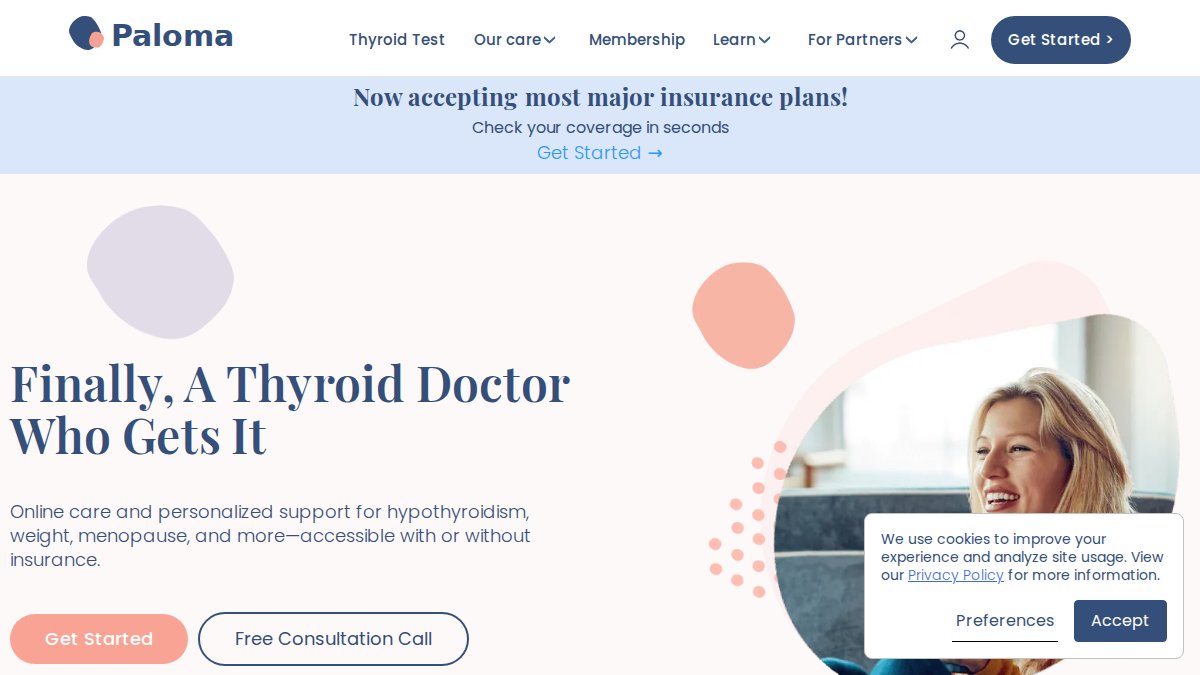
The subscription model starts at $20 per month billed annually, which includes at-home testing measuring TSH, Free T3, Free T4, and TPO antibodies, virtual consultations with endocrinologists and functional medicine providers, personalized nutrition protocols, and a dedicated care manager for care coordination.
The limitation is real and worth stating plainly: Paloma Health treats hypothyroidism only. If you have hyperthyroidism, a complex multi-system endocrine condition, or need a provider who can manage co-occurring conditions in the same platform, Paloma is not the right fit.
Pros: Deep specialization, integrated lab-to-consultation workflow, nutrition support, care manager included.
Cons: No coverage for hyperthyroidism or complex endocrine conditions outside hypothyroidism.
Everlywell: Flexible On-Demand Testing and Virtual Consultations
The strongest case for Everlywell is flexibility. There is no subscription required, no long-term commitment, and the at-home thyroid panel is one of the most comprehensive available for direct-to-consumer purchase.
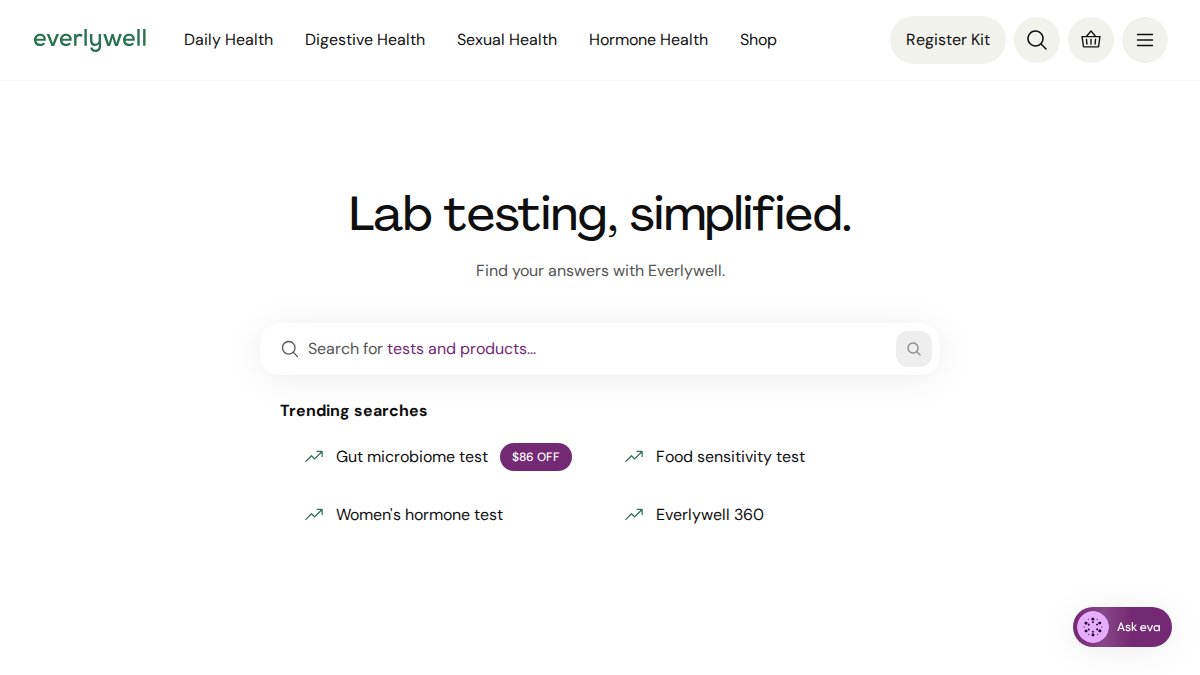
Virtual visits with licensed nurse practitioners run $59 per visit. Insurance integration is available for eligible consultations. The digital platform lets patients view lab results and care plans securely, and the breadth of testing options extends well beyond thyroid health if a patient needs to investigate other markers simultaneously.
Where Everlywell falls short is in chronic disease management depth. The pay-per-visit model works well for initial consultations and periodic check-ins, but it does not provide the longitudinal care coordination that complex thyroid cases require. A patient with Hashimoto’s who needs ongoing symptom tracking and medication titration will find Everlywell’s episodic model limiting over time.
Pros: No subscription required, broad at-home testing catalog, insurance integration.
Cons: Not designed for ongoing complex thyroid management.
Circle Medical: Insurance-Integrated Primary Care for Thyroid Disorders
Most virtual thyroid care platforms require out-of-pocket payment. Circle Medical is the strongest option for patients who want to use their existing PPO insurance coverage for thyroid management.
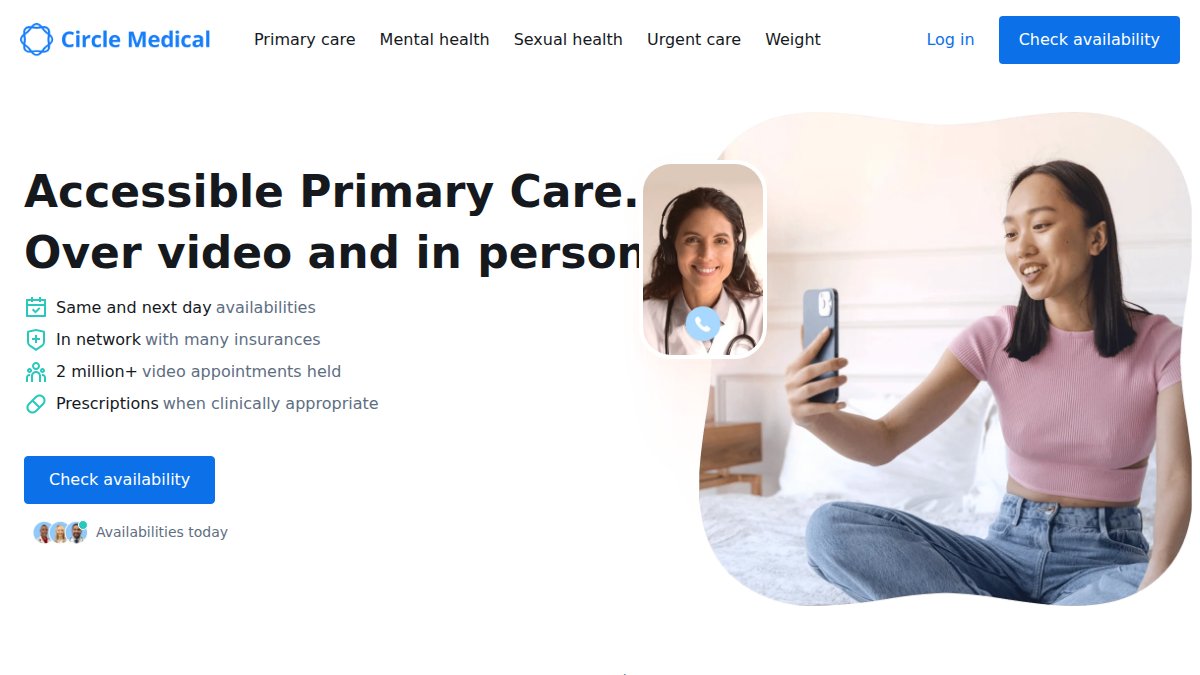
Board-certified primary care physicians are available via video, often with same-day or next-day appointments. In-network status with many major PPO plans means copays are frequently $40 or less. The platform handles comprehensive lab screening and medication management, including prescription refills.
The trade-off is specialization. Circle Medical providers are primary care physicians, not thyroid specialists or endocrinologists. For straightforward hypothyroidism requiring standard levothyroxine management, that is often sufficient. For patients with Hashimoto’s, unusual lab patterns, or treatment-resistant symptoms, the absence of thyroid-specific expertise is a genuine limitation.
Pros: Insurance integration, same-day appointments, co-occurring condition management.
Cons: General primary care approach, not thyroid-specialist led.
LetsGetChecked: App-First Testing with Flat-Fee Virtual Visits
LetsGetChecked suits patients who want a clean, app-driven experience without subscription complexity. At-home kits ship with prepaid return packaging to CLIA-certified labs, results appear in the mobile app, and virtual consultations with board-certified clinicians are available at a flat $49 fee.
The EHR integration and health data tracking within the app make it a reasonable tool for patients who want to monitor thyroid function markers over time on a self-directed basis. Prescription options are available for relevant treatment plans.
The honest limitation: LetsGetChecked consultations are structured around the specific condition tested, not holistic long-term thyroid care. Patients seeking a clinical partner for ongoing Hashimoto’s management or complex thyroid hormone optimization will outgrow the platform quickly.
Pros: Simple app interface, flat-fee pricing, CLIA-certified lab network.
Cons: Consultation scope is narrow; not designed for longitudinal thyroid care.
Telehealth for Hashimoto’s Disease: Which Platforms Offer the Right Level of Care
Hashimoto’s thyroiditis is an autoimmune condition, and that distinction changes what good care looks like. Standard hypothyroidism management focuses on TSH normalization through levothyroxine. Hashimoto’s management requires monitoring TPO antibodies, addressing immune system triggers, tracking symptom patterns that do not always correlate neatly with lab values, and often incorporating nutrition and lifestyle protocols.
Telehealth for Hashimoto’s disease demands more than a TSH prescription refill. The platforms that handle it well share three characteristics: TPO antibody testing in their standard panel, providers trained in functional or integrative thyroid medicine, and care models that support asynchronous care between appointments through health journals or care managers.
By that standard, the ranking for Hashimoto’s-specific care is:
- Paloma Health – TPO antibody testing included, functional medicine providers available, 12-week lifestyle protocols.
- Ascend Vitality – Specialized hormonal care pathways that address the systemic nature of autoimmune thyroid conditions.
- Everlywell – Adequate for initial Hashimoto’s testing and consultation, limited for ongoing management.
- Circle Medical – Capable of managing Hashimoto’s at a primary care level, but lacks specialist depth.
- LetsGetChecked – Suitable for periodic monitoring, not structured for Hashimoto’s management.
Key TakeawayFor Hashimoto’s disease specifically, the most important platform feature is not price or app design. It is whether the platform tests TPO antibodies and whether providers are trained to interpret autoimmune thyroid patterns, not just standard TSH ranges.
As documented in the National Institute of Diabetes and Digestive and Kidney Diseases overview of Hashimoto’s disease, Hashimoto’s is the most common cause of hypothyroidism in the United States, making it the most frequent thyroid condition women will encounter in virtual care settings.

Cost of Virtual Thyroid Care: Insurance vs. Out-of-Pocket ROI Analysis
The cost of virtual thyroid care varies more than most patients expect. Here is the honest breakdown across models:
Subscription model (Paloma Health): $20/month billed annually covers testing and consultations within their care structure. For patients who need quarterly lab draws and regular provider contact, this is often the lowest total annual cost among specialized options.
Pay-per-visit (Everlywell, LetsGetChecked): $49-$59 per consultation, plus the cost of the at-home kit (typically $99-$149 for a comprehensive thyroid panel). For patients who only need two visits per year, this model is cost-competitive. For patients needing quarterly monitoring, costs accumulate quickly.
Insurance-based (Circle Medical): With a $40 copay and in-network lab coverage, Circle Medical is the lowest out-of-pocket option for patients with PPO insurance. The critical caveat: insurance-covered thyroid care through primary care may not include the specialist-level interpretation or functional medicine approaches that complex cases require.
Out-of-pocket ROI consideration: Many women with Hashimoto’s or treatment-resistant hypothyroidism have spent years cycling through general practitioners without resolution. A specialized platform that costs more upfront but produces accurate diagnosis and effective medication management often delivers better ROI than years of inadequate general care.
How to Verify Provider Credentials and Post-Consultation Follow-Up Protocols
Provider credential verification is a step most patients skip. It should not be. Before booking a virtual thyroid consultation, confirm the following:
- Board certification: Is the clinician board-certified in internal medicine, endocrinology, or family medicine? Each platform should list this information in provider profiles.
- Thyroid-specific training: Does the provider have documented experience with thyroid disorders, not just general endocrinology?
- Licensing in your state: Telehealth providers must be licensed in the patient’s state of residence. Confirm this before the first appointment.
Post-consultation follow-up protocols are equally important and equally underexamined. A quality thyroid telehealth platform should specify:
- When lab results will be reviewed and by whom
- How medication adjustments are communicated (synchronous virtual visits vs. asynchronous messaging)
- Whether a care coordinator or health journal is available between appointments
- What the protocol is if symptoms worsen between scheduled visits
According to the Federation of State Medical Boards’ telehealth guidelines, the standard of care for telehealth must be equivalent to in-person care. Platforms that lack clear follow-up protocols are not meeting that standard for chronic conditions like thyroid disorders.
Which Platform Should You Choose? A Decision Framework by Patient Profile
The right platform depends on clinical need, not marketing. Use this framework:
If you have confirmed hypothyroidism and want specialized ongoing care: Paloma Health is the most clinically focused option. The subscription model, integrated lab testing, and dedicated care manager are built for exactly this scenario.
If you want integrated hormonal and thyroid care as part of a broader female wellness approach: Ascend Vitality’s specialized care pathways address thyroid health within the context of overall hormonal health, which is the right model for women whose thyroid symptoms intersect with other hormonal concerns.
If you have PPO insurance and want to minimize out-of-pocket costs: Circle Medical’s insurance integration makes it the most accessible entry point. Accept the trade-off in specialization depth.
If you want on-demand testing without a subscription: Everlywell’s pay-per-visit model and broad at-home testing catalog work well for initial investigation or periodic monitoring.
If you prefer a clean app experience with flat-fee pricing: LetsGetChecked delivers simplicity and transparency, best suited for self-directed patients who want to track thyroid markers without a clinical partnership structure.
The scenario where none of these fully serves you: If you have complex thyroid disease, a history of thyroid cancer, or significant co-occurring endocrine conditions, virtual care platforms should supplement, not replace, an in-person endocrinologist relationship. As outlined in the American Association of Clinical Endocrinology’s care standards, complex thyroid cases benefit from specialist oversight that current telehealth platforms are not fully equipped to provide independently.
Best ForWomen managing Hashimoto’s or treatment-resistant hypothyroidism who want a specialized clinical partner rather than an episodic consultation model. The platforms that treat thyroid care as a chronic disease management challenge, not a one-time prescription event, produce the best long-term outcomes.
Conclusion
The decision to compare virtual care platforms for women’s thyroid health management comes down to one core question: do you need a generalist or a specialist? General telehealth apps handle straightforward thyroid cases adequately. For women dealing with Hashimoto’s, complex hormone patterns, or years of undertreated symptoms, the clinical depth of a specialized platform is not optional.
Finding the right virtual thyroid care is genuinely difficult when the market conflates testing kits with clinical care and telehealth apps with specialized medicine. Ascend Vitality offers specialized hormonal and thyroid care pathways designed specifically for women, with medically-supported programs and prescriptions delivered directly to you. If your thyroid symptoms are part of a broader hormonal picture, get started with Ascend Vitality and access the targeted care your health actually requires.
Frequently Asked Questions
Are virtual thyroid care platforms covered by insurance?
Coverage varies by platform. Circle Medical is in-network with many major PPO plans and often costs $40 or less per visit with insurance. Everlywell also integrates with eligible insurance plans for virtual visits. Specialized platforms like Paloma Health typically operate on a subscription model and may not accept insurance directly, meaning you pay out of pocket but may submit claims yourself. Always verify your specific plan’s telehealth benefits before enrolling.
What is the difference between general telehealth apps and specialized thyroid platforms?
General telehealth apps connect you with primary care clinicians who can manage thyroid disorders alongside other conditions. Specialized thyroid platforms, like Paloma Health, focus exclusively on hypothyroidism and offer integrated at-home lab testing for TSH, Free T3, Free T4, and TPO antibodies, dedicated care managers, and condition-specific nutrition protocols. For complex chronic disease management, especially Hashimoto’s, a specialized virtual clinic typically provides more targeted clinical support and better care coordination.
Can virtual care platforms order thyroid blood tests?
Yes. Several platforms reviewed here include at-home thyroid testing kits as part of their care model. Paloma Health measures TSH, Free T3, Free T4, and TPO antibodies via at-home collection. LetsGetChecked ships kits to CLIA-certified labs with prepaid return shipping. Everlywell also offers comprehensive thyroid hormone panels. Results are typically accessible through a secure digital platform or mobile app, and a board-certified clinician reviews them with you during a virtual consultation.
Is telehealth effective for managing hypothyroidism and Hashimoto’s disease?
Telehealth can be highly effective for hypothyroidism and Hashimoto’s management, particularly for ongoing medication management, prescription refills, symptom tracking, and lab result review. Synchronous virtual visits with an endocrinologist or board-certified clinician allow for personalized health assessments without in-person travel. However, patients with complex or rapidly changing thyroid function may still benefit from periodic in-person evaluation. Platforms with dedicated care managers and EHR integration tend to offer the strongest chronic disease management experience.
How do I verify that a virtual thyroid clinic is legitimate?
Look for platforms that employ board-certified clinicians, ideally endocrinologists or physicians with thyroid-specific training. Confirm the platform uses CLIA-certified labs for at-home testing. Check whether the service is registered in your state, as telehealth licensing requirements vary. Legitimate platforms will have a transparent patient intake process, clear privacy policies, and documented post-consultation follow-up protocols. Reading verified thyroid telehealth reviews on independent health forums can also help you assess real patient experiences before committing.