

Last Updated: July 30, 2026
Understanding Hormonal Imbalance: What’s Happening in Your Body
Learning how to identify hormone imbalance symptoms in men starts with understanding what’s actually happening beneath the surface. At Ascend Vitality, we help patients recognize these signals before they become serious health concerns. Your endocrine system, a network of glands producing hormones that regulate everything from metabolism to mood, can fall out of balance for reasons ranging from age and stress to underlying medical conditions.
The endocrine system in men relies on a delicate interplay of hormones. Testosterone drives sexual function, muscle development, and bone density. The thyroid controls metabolism and energy. Cortisol manages stress response. When any of these falls out of range, the ripple effects touch nearly every aspect of your health. This is why understanding the connection between symptoms and hormonal dysfunction matters so much.
Hormonal balance isn’t just about feeling good, it’s foundational to long-term health. Men with untreated hormonal imbalances face increased risk of cardiovascular disease, metabolic dysfunction, depression, and premature aging. The challenge is that many symptoms feel normal or get attributed to aging, stress, or lifestyle factors when they actually signal a treatable condition.
The most commonly overlooked hormone in men is not testosterone, it’s cortisol. Chronically elevated cortisol from stress suppresses testosterone production and drives abdominal fat accumulation, creating a cycle that’s hard to break without addressing the root cause.
Physical and Metabolic Signs of Hormone Imbalance in Men
Your body broadcasts hormonal imbalance through visible, measurable changes. Weight gain concentrated around the abdomen, unexplained muscle loss despite regular exercise, and declining bone density are classic red flags that something’s shifted hormonally.
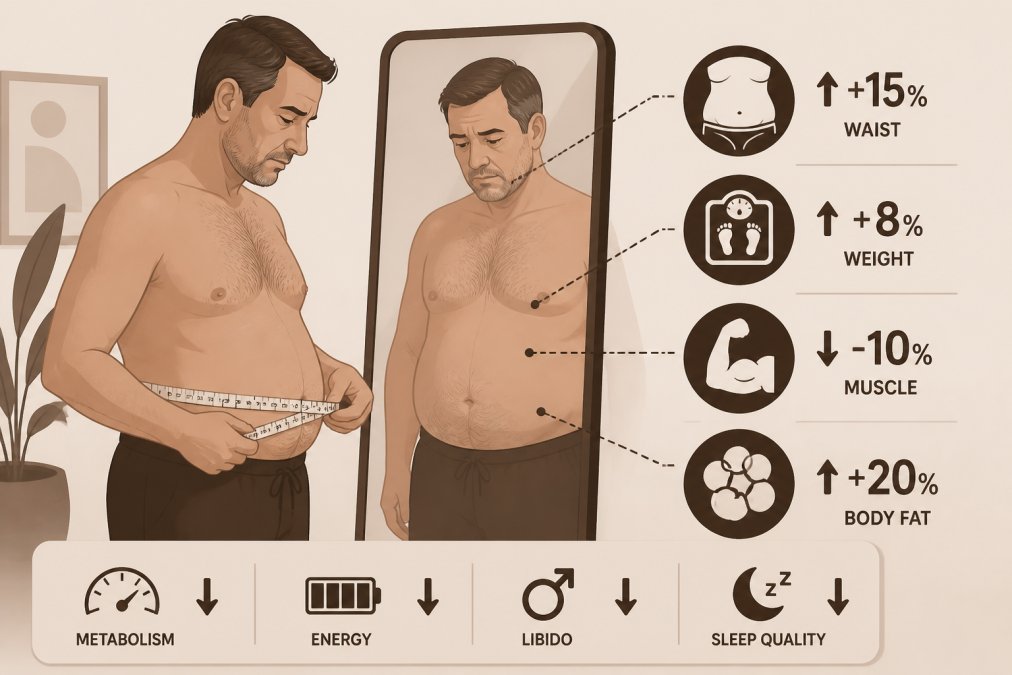
Abdominal fat accumulation is particularly telling. Unlike subcutaneous fat (the kind under your skin), visceral fat, which accumulates around organs, is directly linked to low testosterone and insulin resistance. Men experiencing hormonal decline often notice their weight distribution changes: the same calorie intake that never bothered them before suddenly results in belly fat, while their chest and arms lose definition.
Muscle loss without explanation signals low testosterone or thyroid dysfunction. You’re hitting the gym with the same intensity, eating the same way, but gains plateau or reverse. This isn’t laziness or age, it’s hormonal. Testosterone drives protein synthesis and muscle fiber growth. When it drops, your body literally becomes less efficient at building and maintaining muscle tissue.
Bone density decline happens silently until a minor fall causes a fracture. Men don’t talk about osteoporosis the way women do, but hormonal imbalance accelerates it. Testosterone and estrogen both protect bone density. When either drops significantly, your skeleton becomes more fragile.
Persistent fatigue that doesn’t improve with sleep is another metabolic red flag. Low thyroid function slows metabolism and energy production. Low testosterone reduces mitochondrial efficiency. Elevated cortisol burns through your energy reserves while keeping you wired at night. The result: exhaustion despite adequate sleep.
If you’re experiencing unexplained weight gain combined with persistent fatigue and muscle loss, do not assume this is normal aging. These three symptoms together strongly suggest hormonal dysfunction requiring clinical evaluation.
Low Testosterone Symptoms: The Primary Hormonal Concern
Low testosterone, or hypogonadism, is the most common hormonal imbalance in men, and it’s often the last thing men suspect when symptoms appear. Testosterone affects far more than sexual function; it influences mood, energy, cognition, and physical composition.
Sexual health indicators are usually the first symptoms men notice, though they often delay mentioning them to doctors. Erectile dysfunction frequently signals low testosterone before other symptoms become obvious. Your ability to achieve and maintain erections depends partly on nitric oxide production, which testosterone supports. When testosterone drops, erectile dysfunction often follows.
Low libido accompanies erectile dysfunction. You’re simply less interested in sex, or interest remains but performance anxiety compounds the problem. This creates a frustrating cycle: low testosterone reduces sexual desire and performance, which triggers anxiety, which further suppresses testosterone through elevated cortisol.
Beyond sexual symptoms, testosterone affects stamina and endurance. Men with declining testosterone report that physical exertion feels harder, climbing stairs leaves you winded, workouts that used to feel manageable now exhaust you, and recovery takes longer. This isn’t deconditioning; it’s hormonal. Testosterone enhances oxygen use and red blood cell production, directly supporting cardiovascular endurance.
Sexual performance itself suffers beyond just erectile function. Testosterone influences ejaculatory control, orgasm intensity, and overall sexual satisfaction. Many men attribute these changes to age or relationship issues when the real culprit is hormonal.
If erectile dysfunction is your only symptom, it might be vascular or psychological. But if ED appears alongside fatigue, mood changes, and muscle loss, low testosterone is the likely cause and requires testing.
Mental and Emotional Symptoms: The Often-Missed Warning Signs
Here’s what most guides get wrong: they treat mental symptoms as secondary to physical ones. In reality, mood changes are often the first sign of hormonal imbalance, and men dismiss them as stress or depression rather than investigating the hormonal root.
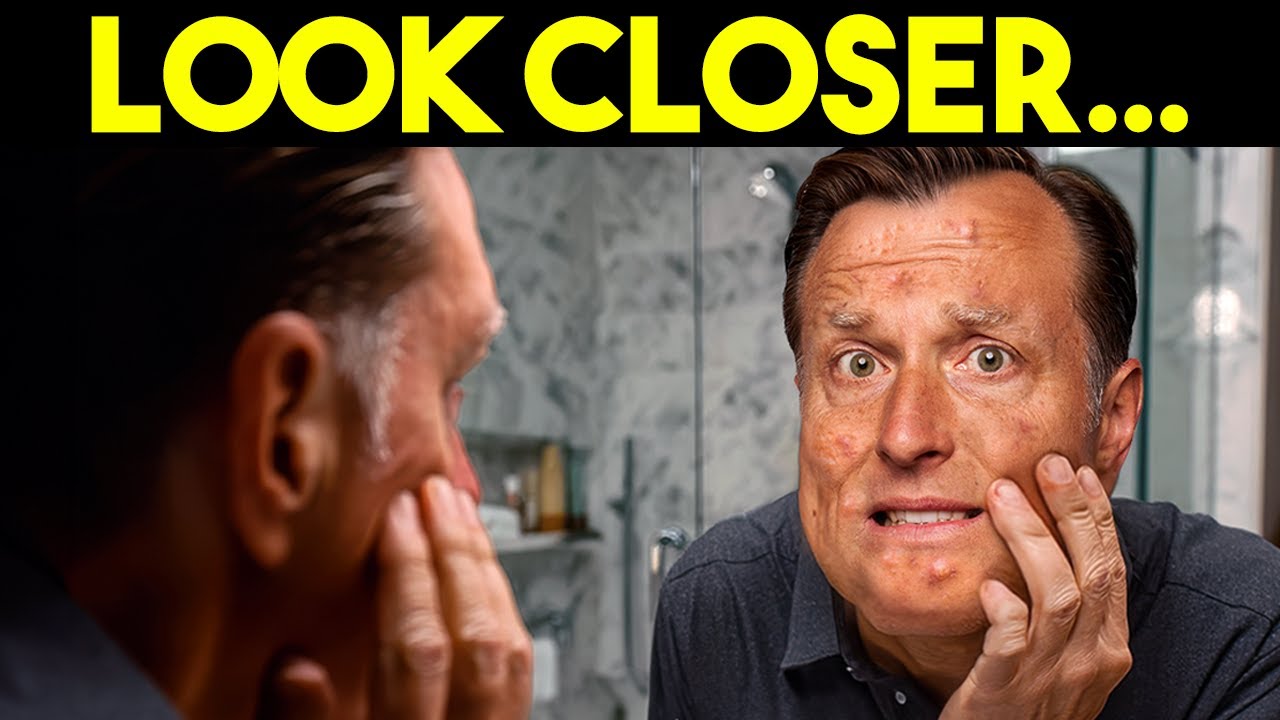
Mood swings and irritability emerge when testosterone drops. Men don’t experience hormonal mood swings the way women do, but the effect is real. You’re irritable over minor frustrations, snappy with family, impatient at work. This isn’t a personality change, it’s biochemical. Testosterone influences serotonin and dopamine pathways. Lower testosterone means less stable neurotransmitter function.
Brain fog and concentration issues are equally common. You walk into a room and forget why. Work tasks that required focus now feel overwhelming. You struggle to follow conversations or remember names. This cognitive decline feels like early dementia to many men, when it’s actually low testosterone or thyroid dysfunction affecting executive function.
Sleep disturbances and insomnia patterns reveal hormonal dysfunction clearly. You fall asleep fine but wake at 3 AM unable to return to sleep. Or you lie awake for hours despite being exhausted. Testosterone supports deep, restorative sleep. Low testosterone disrupts sleep architecture. Elevated cortisol keeps your nervous system in sympathetic overdrive, making relaxation impossible. Thyroid dysfunction can cause either insomnia or excessive sleepiness depending on whether it’s hypo or hyperthyroid.
Depression and anxiety frequently accompany hormonal imbalance. Men experiencing low testosterone report persistent low mood, loss of interest in activities they once enjoyed, and generalized anxiety. The danger here is that doctors treat the depression with SSRIs without investigating hormonal causes. The antidepressant helps somewhat, but doesn’t address the root problem.
Andropause Symptoms: Understanding Male Menopause
Andropause, sometimes called male menopause, isn’t a sudden hormonal cliff like female menopause, but rather a gradual decline in testosterone and other hormones over decades. Understanding how to identify hormone imbalance symptoms in men requires recognizing that andropause is a real physiological process, not just a cultural myth.
Testosterone naturally declines roughly 1% per year after age 30. Most men don’t notice until age 50 or later when the cumulative decline becomes symptomatic. However, lifestyle factors, chronic stress, obesity, and certain medications can accelerate this decline, making andropause symptoms appear in men in their 40s or even late 30s.
Age-related hormone decline progresses predictably. Early signs, subtle fatigue, slight libido reduction, minor mood changes, often go unnoticed or get attributed to life stress. As decline continues, symptoms intensify: significant erectile dysfunction, noticeable muscle loss, pronounced fatigue, sleep problems, and mood disturbances become impossible to ignore.
Distinguishing andropause from other conditions requires understanding the symptom cluster. Andropause presents as a constellation of symptoms across multiple body systems simultaneously: sexual dysfunction, metabolic changes, mood shifts, and physical decline happening together over months or years. A single symptom in isolation is less likely to be andropause; multiple symptoms converging suggests hormonal dysfunction.
The key distinction is that andropause is age-related but not inevitable. Some men maintain healthy testosterone into their 80s through exercise, stress management, and good sleep. Others experience severe decline by 50. The difference lies in lifestyle factors and individual genetic predisposition.
Do not confuse normal aging with andropause. Feeling tired sometimes or having an occasional bad night’s sleep is normal. Persistent fatigue despite good sleep, combined with sexual dysfunction and mood changes, warrants hormone testing.
Male Hormone Test Options: Clinical Labs vs. At-Home Testing
Understanding your actual hormone levels requires testing, but the options vary significantly in accuracy, comprehensiveness, and clinical utility.
A clinical hormone panel measures the hormones most relevant to male health: total testosterone, free testosterone, estradiol, thyroid hormones (TSH, free T3, free T4), cortisol, and sometimes DHEA. Clinical labs use venipuncture (blood draw) collected in standardized conditions, typically in the morning when testosterone is highest. This standardization matters because testosterone fluctuates throughout the day, peaking in early morning and declining by evening.
Clinical testing provides several advantages. The results are interpreted by qualified physicians who understand normal ranges and individual context. A testosterone level of 400 ng/dL might be normal for one man and symptomatic for another depending on age and symptoms. Clinical labs also measure free testosterone (the active form) in addition to total testosterone, which at-home tests often skip.
At-home testing has exploded in popularity, offering convenience and privacy. These typically involve a finger prick or saliva sample sent to a lab. The appeal is obvious: no doctor’s appointment, results arrive at home, no insurance involvement. However, at-home testing has real limitations.
First, accuracy suffers. Finger prick samples contain less blood than venipuncture, reducing precision. Saliva testing for hormones is notoriously unreliable for testosterone; saliva levels don’t correlate well with blood levels. Second, at-home tests often measure only total testosterone, missing free testosterone and other hormones that provide clinical context. Third, results lack clinical interpretation, you get a number without understanding what it means for your specific situation.
The “normal” range debate deserves attention. Lab reference ranges typically list 300-1000 ng/dL as normal testosterone for adult men. But this range is population-based, not symptom-based. A man with 350 ng/dL might be symptomatic with fatigue and ED, while another at 350 feels fine. Conversely, some men feel great at 500 ng/dL while others feel terrible at the same level.
This is where clinical expertise matters. A qualified provider considers your symptoms, age, and individual baseline, not just whether you’re within the population range. At-home testing strips away this clinical judgment.
| Testing Method | Accuracy | Comprehensiveness | Clinical Interpretation | Cost | Privacy |
|---|---|---|---|---|---|
| Clinical Lab (venipuncture) | Highest | Full panel | Included | Higher | Standard |
| Telehealth with lab order | High | Full panel | Included | Moderate | High |
| At-home finger prick | Moderate | Limited | Self-interpreted | Low | High |
| Saliva testing | Lower | Limited | Self-interpreted | Low | High |
The practical recommendation: if you’re experiencing multiple symptoms suggesting hormonal imbalance, pursue clinical testing with a provider who will interpret results in the context of your symptoms. At-home testing might work for monitoring established cases under medical supervision, but shouldn’t be your first diagnostic step.
Natural Ways to Balance Hormones in Men: Lifestyle and Dietary Approaches
Before pursuing medical interventions, optimizing lifestyle factors can meaningfully improve hormonal balance. These aren’t replacements for treatment when clinical imbalance exists, but they’re foundational.
Sleep quality directly impacts testosterone production. Deep sleep triggers testosterone release; sleep deprivation suppresses it. Aim for 7-9 hours nightly with consistent sleep and wake times. This single factor influences testosterone, cortisol, thyroid function, and metabolic health more than most people realize. Poor sleep is one of the most underestimated causes of hormonal dysfunction in men.
Stress management reduces cortisol, which otherwise suppresses testosterone. Chronic elevated cortisol creates a vicious cycle: high cortisol inhibits testosterone production, low testosterone increases anxiety, anxiety elevates cortisol further. Breaking this cycle requires deliberate stress reduction, meditation, deep breathing, time in nature, or whatever practice genuinely calms your nervous system.
Exercise impacts hormones dramatically. Resistance training stimulates testosterone production more effectively than any supplement. Heavy compound movements, squats, deadlifts, bench press, trigger the largest hormonal response. Cardiovascular exercise supports metabolic health and reduces cortisol when done at moderate intensity; excessive endurance training can paradoxically elevate cortisol.
Dietary factors influence hormone production and metabolism. Adequate protein supports muscle maintenance and satiety. Healthy fats, from olive oil, nuts, fatty fish, provide the cholesterol backbone for hormone synthesis. Refined carbohydrates and excessive sugar drive insulin resistance, which suppresses testosterone. Processed foods often contain endocrine disruptors that interfere with normal hormone signaling.
Supplement interactions deserve caution. Some supplements genuinely support hormonal health: vitamin D (many men are deficient), zinc (essential for testosterone), and omega-3 fatty acids. Others lack evidence or interact with medications. Before adding supplements, discuss with a qualified provider, especially if you’re on other medications.
Alcohol consumption impacts hormones significantly. Moderate alcohol (one drink daily) has minimal effect, but heavy drinking suppresses testosterone and disrupts sleep quality, compounding hormonal dysfunction.
When to See a Doctor: Red Flags and Clinical Diagnosis
Certain symptoms demand professional evaluation rather than self-management. Persistent erectile dysfunction lasting more than a few weeks warrants testing. Sudden mood changes, especially depression or anxiety appearing without obvious cause, deserve investigation. Unexplained fatigue persisting despite good sleep and lifestyle habits suggests hormonal or medical issues requiring diagnosis.
Symptoms requiring immediate professional evaluation include chest pain (could indicate cardiovascular issues related to hormonal imbalance), severe headaches, vision changes, or any symptom suggesting a serious underlying condition. Don’t attempt self-diagnosis with these presentations.
A hormone consultation typically begins with detailed history: symptom onset and progression, medical history, medications, family history, lifestyle factors. A qualified provider asks specific questions about sexual function, mood, energy, sleep, and physical changes. This context matters more than any single symptom.
Physical examination follows, including blood pressure, weight, and sometimes physical assessment. Blood work is the definitive diagnostic tool. A comprehensive panel measures testosterone (total and free), estradiol, thyroid function, prolactin, and sometimes DHEA and cortisol depending on presentation.
If you’re seeing a doctor and they order only total testosterone without free testosterone, ask why. Free testosterone is more clinically relevant than total testosterone for symptom assessment.
Causes of Hormonal Imbalance: Beyond Just Aging
Aging is one cause of hormonal decline, but far from the only one. Understanding root causes helps address the actual problem rather than just treating symptoms.
Endocrine disruptors are chemicals that interfere with hormone signaling. Plastics containing BPA, certain pesticides, flame retardants in furniture, and some personal care products contain endocrine-disrupting compounds. These accumulate in your body and interfere with normal hormone production and receptor function. Reducing exposure, choosing BPA-free products, organic foods when possible, natural personal care items, helps minimize this burden.
Medications commonly suppress testosterone or disrupt hormonal balance. Opioids reduce testosterone production. Certain antidepressants affect sexual function and hormone levels. Corticosteroids used for inflammation suppress testosterone. If you’re on medications and experiencing hormonal symptoms, discuss with your prescribing doctor whether alternatives exist.
Health conditions drive hormonal imbalance. Obesity creates a vicious cycle: excess fat tissue produces aromatase, an enzyme that converts testosterone to estradiol, lowering testosterone while elevating estrogen. Diabetes damages the endocrine system directly. Sleep apnea severely disrupts hormonal balance through oxygen deprivation and sleep fragmentation. Thyroid disease affects metabolism and testosterone indirectly.
Lifestyle and environmental factors accumulate over time. Chronic stress elevates cortisol, suppressing testosterone. Sedentary behavior reduces testosterone production and increases body fat. Poor diet lacking essential nutrients impairs hormone synthesis. Excessive endurance exercise without adequate recovery elevates cortisol. Alcohol abuse suppresses testosterone production.
Testicular dysfunction represents a direct cause of low testosterone. Injury, infection, or disease of the testes impairs testosterone production. This requires urological evaluation and sometimes specialized treatment.
Symptom Management and Treatment Pathways
Managing hormonal imbalance depends on severity, cause, and individual preference. Mild cases may respond to lifestyle optimization alone. Moderate to severe cases typically require medical intervention.
Hormone replacement therapy (HRT) restores testosterone to normal ranges when deficiency is confirmed. HRT comes in multiple forms: injections (most common, typically weekly or biweekly), topical gels or creams (absorbed through skin), patches, or pellets (implanted under skin). Each method has advantages and disadvantages regarding convenience, absorption consistency, and cost.
HRT requires medical supervision. Regular blood work monitors testosterone levels and ensures they remain in therapeutic range. Providers also monitor estradiol (testosterone converts to estrogen; excessive conversion causes problems), hematocrit (HRT can elevate red blood cell count), and prostate health (testosterone can worsen prostate disease if present).
Treatment of underlying conditions is equally important. If thyroid dysfunction is driving symptoms, thyroid replacement restores hormonal balance. If obesity is suppressing testosterone, weight loss through diet and exercise improves hormonal health significantly. If sleep apnea disrupts hormones, treating sleep apnea restores normal patterns.
Monitoring progress requires patience. Hormonal changes don’t happen overnight. Testosterone replacement typically takes 4-6 weeks to show effects, with full benefits appearing over 3-6 months. Mood and cognitive improvements often appear first, followed by sexual function and energy improvements, with body composition changes taking longest.
Adjusting your approach based on response is critical. Some men need dose adjustments. Others respond better to different delivery methods. A provider experienced in hormone management makes these refinements based on blood work and symptom response.
Recognizing hormonal imbalance early prevents years of unnecessary suffering and health decline. The symptoms are real, treatable, and worth investigating if they’re affecting your quality of life. Ascend Vitality specializes in helping men identify and address hormonal imbalance through comprehensive testing, expert clinical interpretation, and personalized treatment plans delivered conveniently online. Rather than guessing whether your fatigue, mood changes, and sexual dysfunction are normal aging or hormonal dysfunction, get tested and know for certain. Connect with Ascend Vitality’s specialized providers who understand male hormonal health and can guide you toward lasting improvement.
Frequently Asked Questions
What are the most common signs of hormone imbalance in men?
The most recognizable signs include low libido, erectile dysfunction, unexplained weight gain (especially around the abdomen), muscle loss, fatigue, mood swings, and brain fog. Many men also experience sleep disturbances and reduced stamina. These symptoms often develop gradually, making it easy to attribute them to aging rather than a clinical hormone imbalance. If multiple symptoms appear together, professional testing through a blood test can help determine if hormonal issues are the underlying cause.
How can I distinguish between normal aging and actual hormone imbalance symptoms in men?
Normal aging involves gradual changes over years, while hormone imbalance often causes noticeable symptom clusters that develop more rapidly. The key is severity and impact on quality of life. If fatigue prevents you from working, erectile dysfunction affects relationships, or mood changes strain your personal life, clinical evaluation is warranted. A male hormone test measuring testosterone, cortisol, thyroid function, and other markers provides objective data. A qualified healthcare provider can interpret your results within the context of your age and symptoms to determine if treatment is appropriate.
Can I test for hormone imbalance at home, or do I need a doctor’s lab?
At-home hormone tests offer convenience and privacy, important factors for men seeking discreet solutions, but clinical lab testing remains the gold standard for diagnosis. At-home tests measure limited markers and may lack the comprehensive panel a doctor orders. Clinical labs follow strict protocols, use certified technicians, and provide results interpreted by qualified professionals who can correlate findings with your symptoms and medical history. For initial screening, at-home tests may be helpful, but confirming results with a clinical lab is recommended before starting any treatment.
What should I do if I suspect hormone imbalance but feel uncomfortable seeking help?
Many men delay seeking help due to embarrassment or privacy concerns. Online consultations with qualified healthcare providers offer a discreet pathway, you can discuss symptoms confidentially from home, and treatments are delivered directly to your address in discreet packaging. Start by documenting your symptoms (fatigue, libido changes, mood shifts, weight changes) to share with a provider. A qualified doctor will take your concerns seriously and explain testing and treatment options without judgment. Early intervention often leads to better outcomes than waiting, so addressing symptoms promptly is worth overcoming initial hesitation.