Last Updated: August 6, 2026
What Is BPC-157 and How It Works for Injury Healing
BPC-157 is a stable gastric pentadecapeptide compound consisting of 15 amino acids derived from gastric juice. The peptide activates the VEGFR2 pathway, stimulating angiogenesis (new blood vessel formation) and promoting tissue repair across musculoskeletal structures. It works by enhancing nitric oxide signaling within damaged tissues, improving blood flow to injury sites and accelerating the healing cascade. BPC-157 reduces inflammation and promotes stable collagen matrix formation, restoring structural integrity to tendons, ligaments, and muscles.
BPC-157 doesn’t instantly repair tissue, it accelerates the body’s natural healing response over weeks to months, depending on injury severity and administration method. This distinction matters because you’re optimizing an existing biological process, not replacing it. Effectiveness depends on consistent administration and proper dosing protocol. Subcutaneous and intramuscular injection deliver the peptide directly to or near damaged tissue, maximizing local concentration. Oral administration offers convenience but reduced bioavailability due to digestive breakdown, making it better suited for systemic support rather than localized injury treatment.
BPC-157’s half-life is relatively short (measured in minutes to hours depending on administration route), which is why consistent dosing frequency matters more than occasional high doses. Maintaining steady therapeutic levels produces better healing outcomes than sporadic large doses.
BPC-157 Dosage Protocol: Standard Recommendations
Typical Dosage Ranges for Injury Recovery
The standard dosage range for BPC-157 in injury recovery spans 250 to 500 micrograms (mcg) per administration for injection-based routes. Most practitioners start at the lower end and adjust based on response and tolerance. For localized musculoskeletal injuries like torn rotator cuffs, ACL damage, or chronic tendon problems, targeting the area directly with 250-500 mcg via subcutaneous injection into the affected tissue region produces stronger local effects than systemic dosing.
Oral dosing protocols typically use 500-1,000 mcg per dose because oral administration has lower bioavailability than injection. However, oral administration works best for general musculoskeletal support rather than acute injury recovery. The dosage protocol you select should align with your injury type and treatment goals. Consultation with a qualified healthcare provider is essential to establish the right dosage for your specific situation.
Standard dosage ranges are 250-500 mcg for injection and 500-1,000 mcg for oral administration, but individual variation exists. Work with a qualified professional to establish the dose that matches your injury and response profile.
Cycle Duration and Rest Periods
BPC-157 treatment cycles typically run 8 to 12 weeks of continuous administration, followed by a 4 to 8-week rest period. An 8-week cycle represents the minimum duration to observe meaningful tissue regeneration, though many practitioners extend treatment to 10-12 weeks for severe injuries. During the active cycle, maintain consistent administration frequency: daily for injection, or twice daily for oral dosing.
After completing a cycle, the rest period allows your body to stabilize tissue repairs and assess whether additional cycles are necessary. Many users find that one or two cycles produce lasting functional recovery, particularly for acute injuries. Chronic or complex injuries may require multiple cycles spaced throughout the year. The rest period is when structural repairs consolidate and strengthen, resuming the same peptide too quickly may reduce its effectiveness as the body adapts to continuous exposure.
BPC-157 Injection vs. Oral Administration Methods
Subcutaneous and Intramuscular Injection Techniques
Subcutaneous injection delivers BPC-157 into the tissue layer beneath the skin, allowing the peptide to diffuse into the bloodstream and nearby tissues. This route produces moderate bioavailability and is suitable for general musculoskeletal support or injuries near the skin surface. Intramuscular injection places the peptide directly into muscle tissue, which has rich blood supply and delivers the compound systemically more rapidly than subcutaneous administration.
Local injection, delivering the peptide directly into or adjacent to the damaged tissue, represents the most targeted approach. A user with a torn rotator cuff, ACL damage, or chronic tendon injury can inject BPC-157 directly into the affected area, maximizing local peptide concentration where regeneration is needed most. This method produces the strongest local therapeutic effect but requires precise anatomical knowledge or professional guidance to ensure accurate placement.
Oral BPC-157: Bioavailability and Effectiveness
Oral BPC-157 offers convenience but comes with a significant bioavailability tradeoff. When you ingest BPC-157, digestive enzymes break down the peptide structure, reducing the amount of active compound reaching systemic circulation. Despite lower bioavailability, oral BPC-157 still produces measurable effects for systemic joint support, general musculoskeletal health, and recovery from non-acute injuries.
Oral effectiveness improves when taken on an empty stomach or with specific timing relative to meals. For acute injuries or severe musculoskeletal damage requiring rapid functional recovery, injection-based administration delivers superior results. For general support, chronic low-grade issues, or maintenance between cycles, oral administration provides a practical alternative.
Oral BPC-157 should not be your primary treatment for acute, severe injuries. If you have a torn ligament, acute tendon rupture, or injury requiring rapid functional recovery, injection-based administration significantly outperforms oral dosing. Oral works best for maintenance and mild chronic conditions.
How to Prepare and Administer BPC-157 Injections
Reconstitution with Bacteriostatic Water
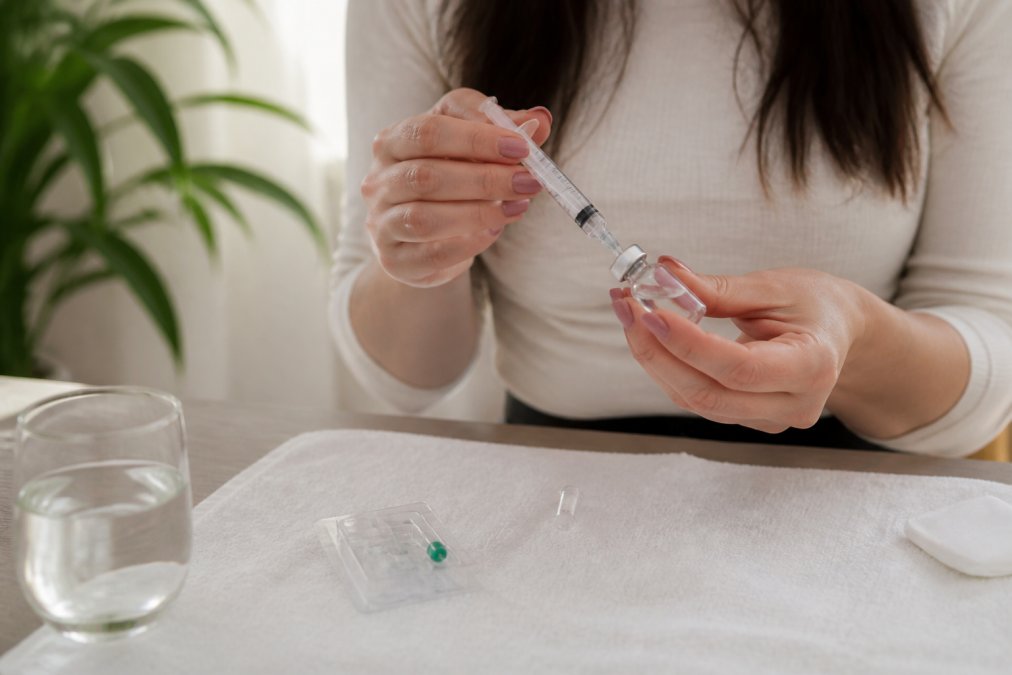
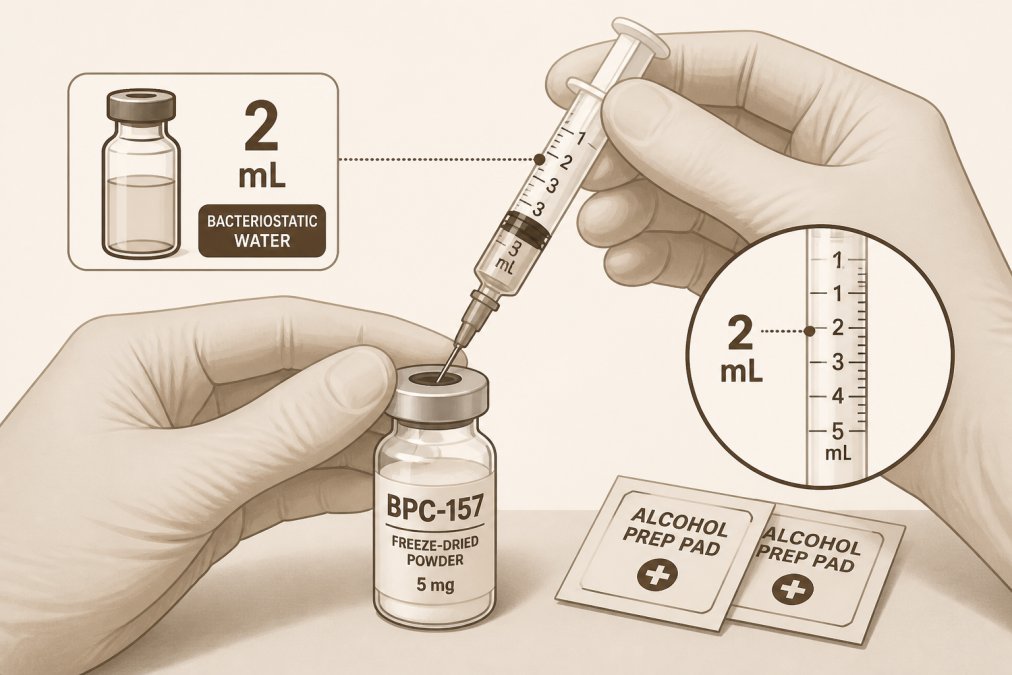
BPC-157 arrives as lyophilized (freeze-dried) powder in a sealed vial. Before injection, you must reconstitute the powder by dissolving it in bacteriostatic water, sterile water containing 0.9% benzyl alcohol as a preservative. A common approach is 1 mL of bacteriostatic water per 5 mg of BPC-157 powder. Inject the water slowly into the vial, allowing the powder to dissolve gradually. Gentle swirling (not vigorous shaking) helps the powder dissolve evenly without denaturing the peptide.
Once reconstituted, label the vial with the date, concentration, and expiration date. Most reconstituted BPC-157 remains stable for 4-6 weeks when refrigerated at 2-8°C (36-46°F). The bacteriostatic water itself must be sterile and pharmaceutical-grade. Purchase from reputable pharmaceutical suppliers to ensure sterility and appropriate preservative concentration.
Selecting Injection Sites for Optimal Results
For acute musculoskeletal injuries, injecting directly into or immediately adjacent to the damaged tissue maximizes local peptide concentration and accelerates healing at the site where it’s needed most. Common injection sites for localized treatment include the shoulder (for rotator cuff injuries), knee (for ligament or cartilage damage), ankle (for tendon or ligament injuries), and lower back (for disc-related issues).
For systemic administration, subcutaneous injection into the abdomen or thigh provides reliable absorption without requiring anatomical precision. Rotating injection sites prevents lipohypertrophy (localized fat accumulation) that can occur with repeated injections in the same location. Cleanse the injection area with an alcohol prep pad and allow it to dry completely before injecting.
Step-by-Step Injection Instructions
Step 1: Prepare Your Materials [Time: 5 minutes]
Gather reconstituted BPC-157 vial, sterile syringes (typically 0.5-1 mL insulin syringes), sterile needles (27-31 gauge for subcutaneous, 25-27 gauge for intramuscular), alcohol prep pads, and a sharps container. Wash your hands thoroughly and allow them to dry completely.
Step 2: Draw the Dose [Time: 3 minutes]
Wipe the rubber septum of the reconstituted BPC-157 vial with an alcohol prep pad. Draw air into your syringe equal to the volume you plan to extract, then inject the air into the vial. Invert the vial while keeping the needle tip submerged and slowly draw back the syringe plunger to extract your desired dose. Remove the needle and replace it with a fresh sterile needle for injection.
Step 3: Prepare the Injection Site [Time: 2 minutes]
Cleanse the injection site with an alcohol prep pad using a circular motion, starting from the center and moving outward. Allow the area to air-dry completely. Do not touch the cleaned area with your bare hands after it dries.
Step 4: Perform the Injection [Time: 1 minute]
Hold the syringe at a 45-degree angle for subcutaneous injection (90-degree angle for intramuscular). Pinch the skin gently to stabilize the area, then insert the needle smoothly in one quick motion. Slowly depress the plunger to inject the BPC-157. Withdraw the needle and apply gentle pressure with a clean cotton pad for 30 seconds if there’s any bleeding.
Expected Result: Minimal discomfort, no visible swelling, and gradual improvement in pain and function over subsequent weeks as tissue regeneration progresses.
BPC-157 Side Effects and Safety Considerations
Common Adverse Effects and Management
Most users tolerate BPC-157 well, but mild adverse effects can occur. The most common is localized irritation at the injection site: redness, mild swelling, or discomfort lasting a few hours. This typically resolves without intervention. Some users report mild headache, dizziness, or transient nausea within hours of injection, particularly with the first few doses. These effects usually diminish as your body acclimates to the peptide. Staying well-hydrated and taking injections at consistent times may reduce their frequency.
Localized swelling at the injection site can indicate either a reaction to the peptide or improper injection technique. Ensure you’re using sterile technique, allowing alcohol to dry completely before injecting, and injecting slowly to minimize tissue trauma. Some users experience temporary appetite changes or mild gastrointestinal effects, particularly with oral dosing. Taking oral BPC-157 with food or reducing the dose can mitigate these effects.
Contraindications and Drug Interactions
BPC-157 is contraindicated in individuals with a history of cancer or active malignancy, as the peptide’s tissue regeneration properties could theoretically promote growth of cancerous cells. Pregnancy and breastfeeding are contraindications for BPC-157. The peptide has not been studied in pregnant or nursing women, and safety cannot be assured.
BPC-157 may potentiate the effects of blood-thinning medications (warfarin, aspirin, NSAIDs) by enhancing angiogenesis and blood flow. If you take anticoagulants or antiplatelet agents, consult your healthcare provider before starting BPC-157. Individuals with severe liver or kidney dysfunction should avoid BPC-157 without medical supervision. Those with active infections at the injection site or systemic infections should postpone treatment until the infection resolves.
Before starting BPC-157, disclose all medications, supplements, and medical conditions to a qualified healthcare provider. This ensures no contraindications exist and establishes appropriate monitoring during treatment.
Do not use BPC-157 if you have a history of cancer or active malignancy. Do not use if pregnant or breastfeeding. If you take blood-thinning medications or have liver/kidney dysfunction, seek professional medical guidance before treatment. Unreported contraindications can lead to serious complications.
Storage and Stability: Keeping Your BPC-157 Effective
Lyophilized (unreconstituted) BPC-157 powder remains stable for years when stored in a cool, dark place at room temperature (around 68°F or 20°C). Keep the sealed vial in its original packaging, away from direct sunlight, heat, and moisture. Once reconstituted with bacteriostatic water, store BPC-157 in the refrigerator at 2-8°C (36-46°F), never in the freezer. The reconstituted solution remains stable for 4-6 weeks under refrigeration. Mark the vial with the reconstitution date and discard any remaining solution after 6 weeks.
Never leave reconstituted BPC-157 at room temperature for extended periods. If you travel, use an insulated container with ice packs to maintain cool temperature. Inspect your BPC-157 regularly for signs of degradation. If the reconstituted solution becomes cloudy, discolored, or develops particles, discard it immediately. If the lyophilized powder shows discoloration or moisture, do not reconstitute.
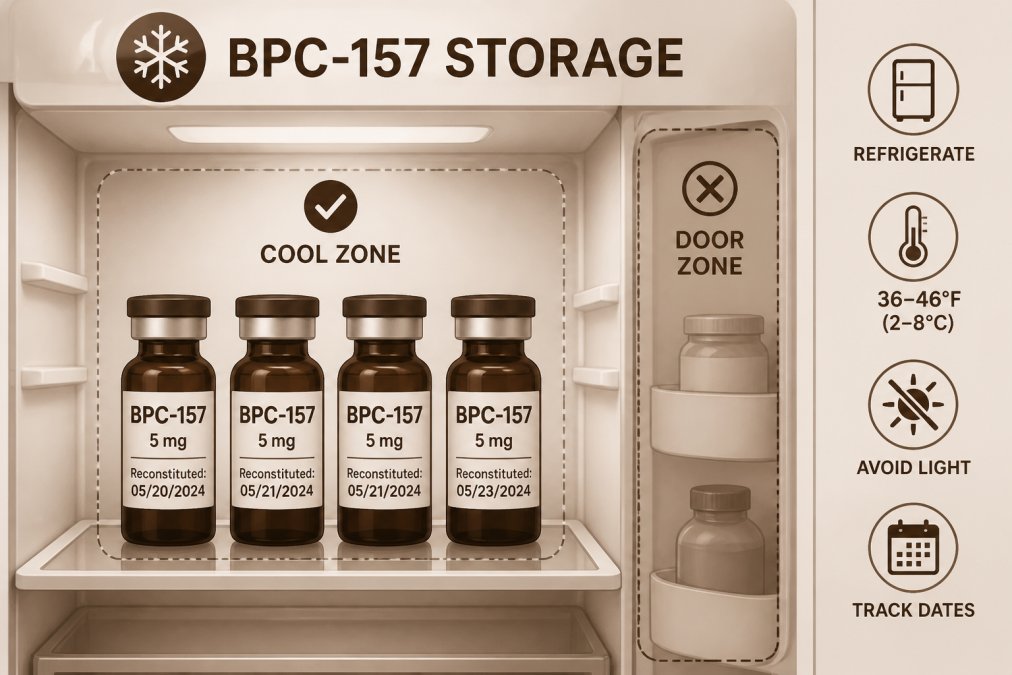
Proper storage practices directly impact your treatment outcomes. Degraded peptide delivers reduced therapeutic effect, prolonging your recovery timeline.
BPC-157 and TB-500 Stack for Enhanced Recovery
Why These Peptides Work Together
BPC-157 and TB-500 represent complementary mechanisms for accelerating tissue regeneration. BPC-157 activates the VEGFR2 pathway, stimulating angiogenesis and promoting blood vessel formation to injured tissue. TB-500 (thymosin beta-4) enhances cell migration and differentiation, promoting the movement of repair cells to the damaged area and supporting their transformation into functional tissue.
When stacked together, these peptides create a synergistic healing environment. BPC-157 establishes the vascular infrastructure while TB-500 orchestrates cellular migration and tissue-building processes. The combination accelerates the entire healing cascade, from initial inflammation resolution through tissue regeneration and functional recovery. This stack is particularly effective for severe musculoskeletal injuries, chronic degenerative conditions, and complex recovery scenarios.
Stacking Protocol and Administration Timing
A typical BPC-157 and TB-500 stack involves administering both peptides daily, either simultaneously or separated by a few hours. The most common approach is injecting BPC-157 in the morning (targeting the injury site if using local administration) and TB-500 in the evening (systemically, via subcutaneous injection). Dosing for the stack typically follows: BPC-157 at 250-500 mcg daily, and TB-500 at 2-4 mg per week (split into 2 doses of 1-2 mg each).
The stacking cycle duration mirrors BPC-157 alone: 8-12 weeks of continuous administration followed by a 4-8 week rest period. Maintaining consistent daily dosing throughout the cycle is critical. Many users find that one 10-12 week stack cycle produces dramatic improvements in pain, mobility, and functional capacity, particularly for severe injuries.
Common Mistakes to Avoid When Using BPC-157
Inconsistent dosing is the most common mistake. Users skip doses or miss injection days, disrupting the steady therapeutic level required for optimal healing. BPC-157 works through consistent presence in your system, not occasional high doses.
Incorrect reconstitution compromises peptide integrity. Shaking the vial vigorously, using non-sterile water, or reconstituting with water that isn’t bacteriostatic introduces contamination and degrades the peptide. Follow the reconstitution protocol precisely: gentle mixing, sterile technique, and bacteriostatic water only.
Poor injection technique wastes doses and causes unnecessary tissue trauma. Reusing needles dulls them and causes pain. Injecting into wet alcohol causes stinging and impairs absorption. Invest time in learning proper technique.
Storing BPC-157 incorrectly degrades the peptide rapidly. Leaving reconstituted solution at room temperature, freezing it, or exposing lyophilized powder to heat and light destroys potency.
Starting too high a dose causes unnecessary side effects without improving results. Begin at the lower end of the dosage range and increase only if tolerance is excellent and results are slower than expected.
Expecting instant results leads to premature discontinuation. BPC-157 accelerates healing, but tissue regeneration still requires weeks to months. Functional improvement typically becomes apparent by week 3-4, with continued progress through the full cycle.
Post-Cycle Therapy and Recovery Monitoring
After completing a BPC-157 cycle, post-cycle monitoring ensures that tissue repairs consolidate and identifies whether additional cycles are necessary. The 4-8 week rest period is when structural repairs stabilize and strengthen. Avoid aggressive physical activity during the first 2 weeks post-cycle to allow newly regenerated tissue to mature.
Track functional metrics throughout the rest period: pain levels, range of motion, strength, and ability to perform activities that were limited by injury. Most users see continued improvement during weeks 1-4 of the rest period as tissue maturation progresses. Some users employ low-dose TB-500 maintenance (2 mg weekly) during the rest period to support continued tissue development without the aggressive stimulation of a full BPC-157 cycle.
By the end of the 4-8 week rest period, you should have a clear picture of whether your injury has achieved functional recovery or whether additional treatment cycles are warranted. Many acute injuries resolve completely after one cycle. Chronic or severe injuries often benefit from 2-3 cycles spaced throughout the year. Consult with a qualified healthcare provider before starting additional cycles to ensure your treatment remains safe and effective.
Injury recovery demands a comprehensive approach that addresses both the immediate damage and the underlying healing mechanisms. BPC-157 accelerates tissue regeneration through proven biological pathways, angiogenesis, nitric oxide signaling, and cellular migration, making it a powerful tool for musculoskeletal recovery. However, success depends on proper dosing, consistent administration, and realistic expectations about timeline.
At Ascend Vitality, we help patients navigate medically-supported recovery protocols that optimize healing outcomes. Whether you’re recovering from an acute injury or managing chronic musculoskeletal conditions, our specialized care pathways connect you with qualified healthcare providers who can evaluate your specific situation, establish appropriate dosing, monitor your progress, and adjust treatment as needed. Get started with a consultation at Ascend Vitality to develop a personalized recovery plan tailored to your injury and goals.
Frequently Asked Questions
How long does BPC-157 take to work for injury recovery?
Most users report initial improvements in pain and mobility within 2-4 weeks of consistent use, though full therapeutic efficacy for musculoskeletal injuries typically develops over 8-12 weeks. The timeline depends on injury severity, administration method (injection works faster than oral), dosage consistency, and individual healing capacity. Tendon and ligament repair progresses more slowly than acute inflammation reduction. For best results, maintain your dosage protocol throughout the recommended cycle and monitor functional recovery milestones.
What’s the difference between BPC-157 injection and oral administration?
Subcutaneous or intramuscular BPC-157 injections deliver the peptide directly into tissue, providing higher bioavailability and faster onset, typically 1-2 weeks for noticeable effects. Oral BPC-157 must survive stomach acid and liver metabolism, reducing bioavailability significantly, though some stable gastric pentadecapeptide formulations improve absorption. Injections are preferred for localized musculoskeletal injury and faster results; oral is convenient for maintenance or general tissue regeneration. Choose based on your injury location, timeline, and comfort with injections.
Is BPC-157 FDA approved for human use?
BPC-157 is not FDA approved as a medication for human use in the United States. It is available as a research peptide and is used off-label by some healthcare providers. Before starting any BPC-157 treatment, consult with a qualified healthcare professional who can evaluate your specific condition, review potential contraindications with your current medications, and determine whether it’s appropriate for your injury recovery goals. Ascend Vitality connects you with specialized doctors who can assess your candidacy.
What are the common side effects of BPC-157?
BPC-157 is generally well-tolerated, but reported adverse effects include mild nausea, dizziness, or headache in some users. Local injection site reactions, redness, swelling, or slight discomfort, typically resolve within hours. Systemic side effects are rare at therapeutic dosages. Contraindications include pregnancy, active cancer, or certain cardiovascular conditions. If you’re on other medications, discuss potential drug interactions with your healthcare provider before starting. Stop use and seek medical attention if you experience severe reactions, chest pain, or unusual symptoms.