

Last Updated: June 6, 2026
If you’ve been researching NAD IV therapy for anti-aging benefits cost, you already know the pricing landscape is confusing, the marketing claims are loud, and the clinical nuance is buried. This guide from Ascend Vitality cuts through that noise. Below, we’ll show you exactly how NAD+ infusions work at a cellular level, what drives the cost, how to structure a protocol that holds, and where oral supplements fit versus intravenous delivery. The two gaps most guides skip entirely: financial planning through HSA/FSA accounts and the difference between a loading dose series and long-term maintenance. Those gaps alone explain why most people either overpay or undercommit.
NAD+ (nicotinamide adenine dinucleotide) is a coenzyme found in every cell, central to energy production, DNA repair, and metabolic function. Its concentration declines significantly with age, and that decline is increasingly linked to the hallmarks of cellular aging. Intravenous delivery bypasses the gut entirely, changing what your cells actually receive compared to an oral supplement.
According to research covered by National Institutes of Health on NAD+ and aging, NAD+ levels in human tissue can fall by more than half between early adulthood and midlife, a data point that reframes the entire conversation about why clinics are investing in IV delivery protocols.
What Is NAD IV Therapy and Why Does It Matter for Anti-Aging?
NAD IV therapy is an intravenous infusion of nicotinamide adenine dinucleotide delivered directly into the bloodstream, bypassing digestive absorption entirely. Sessions typically run two to four hours depending on dosage and are administered in a clinical setting by licensed medical professionals.

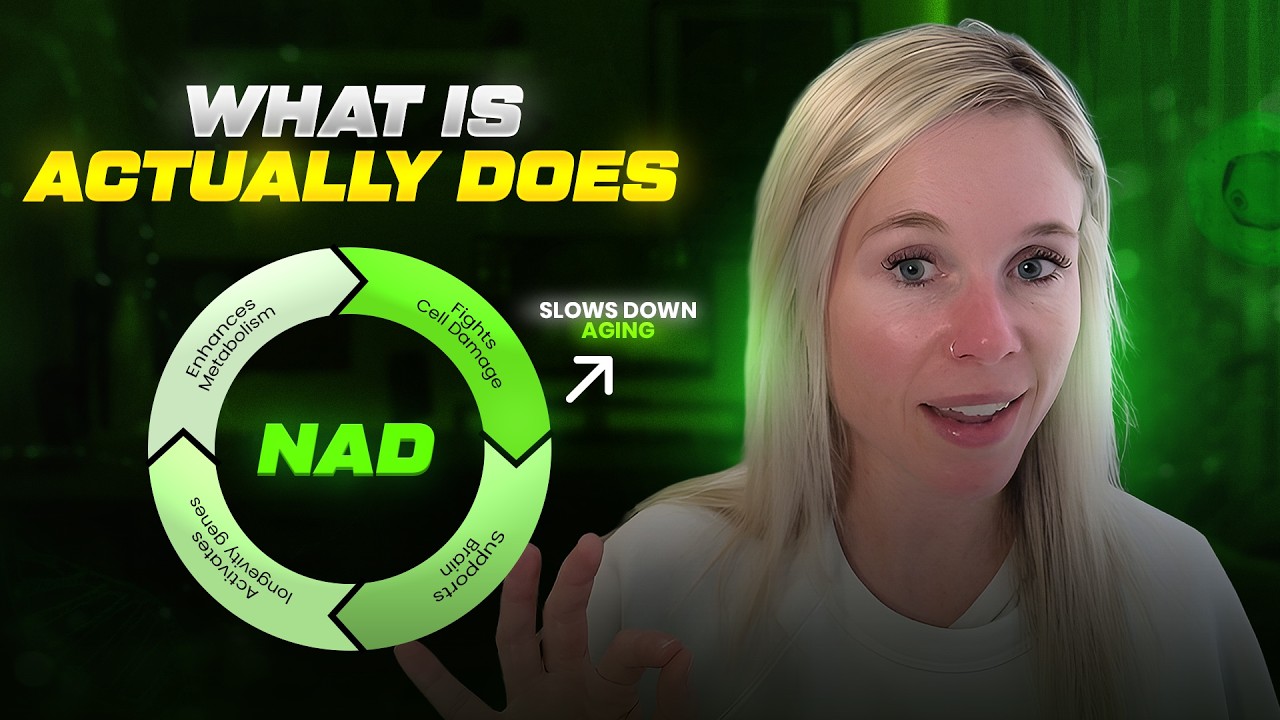
NAD+ sits at the intersection of three biological systems that age simultaneously: mitochondrial function, DNA repair mechanisms, and sirtuin activation. When NAD+ levels drop, all three slow down. Restoring those levels through infusion is the premise behind the entire treatment category. The argument for IV therapy over oral precursors rests almost entirely on bioavailability, and that argument is stronger than most people realize.
How NAD+ Works in the Body: Mitochondrial Function and DNA Repair
Mitochondria produce ATP, the molecule that fuels nearly every biological process, and NAD+ is a required coenzyme in that process. Without adequate NAD+, mitochondrial function degrades, cellular energy production falls, and the downstream effects accumulate as fatigue, cognitive decline, and accelerated tissue aging.
DNA repair is the second key mechanism. The PARP enzyme family, which repairs damaged DNA strands, is heavily NAD+-dependent. When DNA sustains damage from oxidative stress or normal replication errors, PARP proteins consume NAD+ to execute repairs. An NAD+-depleted cell has compromised DNA repair capacity, that is aging at the molecular level.
Sirtuins, proteins with broad regulatory roles in longevity pathways, also depend on NAD+ as a substrate. Sirtuin activity is associated with reduced inflammation, improved metabolic function, and extended cellular lifespan. Restoring NAD+ through infusion directly supports sirtuin function in ways oral supplementation cannot reliably replicate.
Why Intravenous Delivery Changes the Bioavailability Equation
Oral NAD+ precursors, primarily NR and NMN, must survive digestion, liver metabolism, and cellular uptake before contributing to intracellular NAD+ levels. Each step introduces attrition. Intravenous delivery eliminates those steps: NAD+ enters the bloodstream directly and reaches tissues without conversion losses. For patients pursuing anti-aging protocols or addressing specific deficits, this distinction is clinically relevant, not just a marketing claim. The tradeoff is cost and time commitment, which the next sections address directly.
NAD IV Therapy for Anti-Aging: Core Benefits Backed by Research
The most commonly reported benefits of NAD+ infusions fall into two categories: neurological and cellular. Both connect directly to the anti-aging mechanisms above and are supported by a growing body of preclinical and early clinical research.
A common pattern among patients completing a full loading dose series is a noticeable reduction in brain fog within 48 to 72 hours post-infusion, alongside increased physical energy and improved sleep quality. These outcomes map directly to what NAD+ does in mitochondria and neural tissue. According to research on NAD+ and neurological function at Harvard Medical School, NAD+ restoration in animal models consistently improves cognitive markers, with early human trials showing similar directional results.
Mental Clarity, Brain Fog, and Cognitive Performance
Brain fog, loss of processing speed, difficulty sustaining focus, general cognitive flatness, is one of the most frustrating symptoms of cellular aging. Neurons are metabolically expensive cells requiring continuous high-level mitochondrial output. When NAD+ drops, neural energy production suffers first.
NAD IV infusion directly addresses this by restoring the coenzyme supply to neural tissue at concentrations oral supplementation rarely achieves. Cognitive performance improvements are among the most consistent patient-reported outcomes after a full loading dose protocol. If mental clarity is the primary anti-aging goal, IV delivery has a stronger case than oral precursors for most patients.
Cellular Rejuvenation, Sirtuins, and Longevity Pathways
Cellular rejuvenation through NAD+ infusion operates through the sirtuin pathway, specifically SIRT1 and SIRT3, which regulate mitochondrial biogenesis, inflammation, and stress response. Higher NAD+ availability activates these proteins more effectively, producing improved cellular repair, reduced oxidative stress markers, and better metabolic function at the tissue level.
The anti-aging framing isn’t about reversing chronological age. It’s about optimizing the cellular environment so biological aging proceeds more slowly. That distinction matters when evaluating whether the cost of infusion therapy is justified for your specific health goals.
Average NAD IV Drip Cost: Pricing Breakdown by Session Type
Pricing for NAD IV infusion therapy varies considerably based on clinic location, infusion duration, and protocol structure. The table below reflects the general market landscape as of 2026.
| Session Type | Typical Price Range | Duration | Best For |
|---|---|---|---|
| Single maintenance session | $200 – $400 | 1-2 hours | Ongoing upkeep after loading |
| Standard single session | $400 – $700 | 2-3 hours | First-time or periodic use |
| High-dose single session | $700 – $1,000 | 3-4 hours | Intensive anti-aging protocols |
| Loading dose series (4-10 sessions) | $1,500 – $5,000+ | Varies | Initial therapeutic foundation |
| Concierge/mobile IV service | $350 – $800/session | 2-3 hours | Home or office delivery |
These ranges reflect wellness clinic pricing, not hospital rates, which tend to be higher. Geographic location matters significantly, clinics in major metropolitan markets price toward the upper end. The thing nobody tells you: the per-session cost of a package deal is almost always 20-40% lower than paying session by session. If you’re committed to a full protocol, the package math almost always wins.
Typical Price Ranges at Wellness Clinics
Most wellness clinics structure NAD+ offerings around two tiers: single sessions and multi-session packages. Single sessions serve patients who want to try the therapy or maintain an established baseline; packages are designed for loading dose protocols or sustained anti-aging benefits.
Add-on nutrients are common upsells. Glutathione, vitamin C, or B-complex additions typically add $50 to $150 per session and may or may not be clinically relevant depending on the patient’s baseline. Ask for the clinical justification before agreeing to any add-on.
Insurance, HSA, and FSA Eligibility for NAD Infusion Therapy
This is the section most guides skip, and it’s where real money can be saved.
NAD IV infusion therapy is not covered by standard health insurance in most cases, it’s considered elective and wellness-oriented rather than medically necessary. However, the HSA and FSA picture is more nuanced. Health Savings Accounts and Flexible Spending Accounts can be used for NAD+ infusion therapy when the treatment is prescribed by a licensed physician for a medical purpose. IV nutrient therapy prescribed for a documented condition such as chronic fatigue, cognitive decline, or metabolic dysfunction may qualify as a reimbursable expense under IRS guidelines.
Request a Letter of Medical Necessity (LMN) from your prescribing physician before your first infusion. This documentation significantly strengthens your HSA/FSA reimbursement claim and is required by most FSA administrators. Without it, reimbursement is unlikely even if the treatment would otherwise qualify.
Consult your HSA/FSA plan administrator before booking and bring documentation of a physician recommendation. If you’re working through a medically supervised platform like Ascend Vitality, the built-in physician oversight makes generating that documentation more straightforward than going through a standalone wellness clinic.
Factors That Influence NAD IV Therapy Cost
Several variables drive the spread between a $200 maintenance session and a $1,000 high-dose infusion. Understanding them helps you evaluate whether a quoted price is reasonable.
- NAD+ dosage per session. Higher doses require more product and longer infusion times, and that cost passes through to pricing.
- Infusion duration. Slower infusions are safer and more comfortable but require more clinical chair time.
- Clinic overhead and location. A boutique clinic in Manhattan carries different overhead than a regional IV therapy center in the Midwest.
- Add-on nutrients. Glutathione, amino acids, and vitamin complexes increase cost per session.
- Practitioner credentials. Board-certified physicians versus nurses supervising infusions affects both safety and pricing.
- Protocol structure. Per-session cost drops in packages, but total commitment increases.
- Mobile versus clinic-based delivery. Concierge IV services charge a premium for home or office delivery.
Avoid clinics that cannot provide clear documentation of their NAD+ source, concentration, and sterility testing. Compounded IV preparations must meet specific pharmacy standards. Cutting corners on sourcing is a real risk in unregulated wellness markets and directly affects both safety and efficacy.
NAD+ Loading Dose Protocol vs. Maintenance Infusions Explained
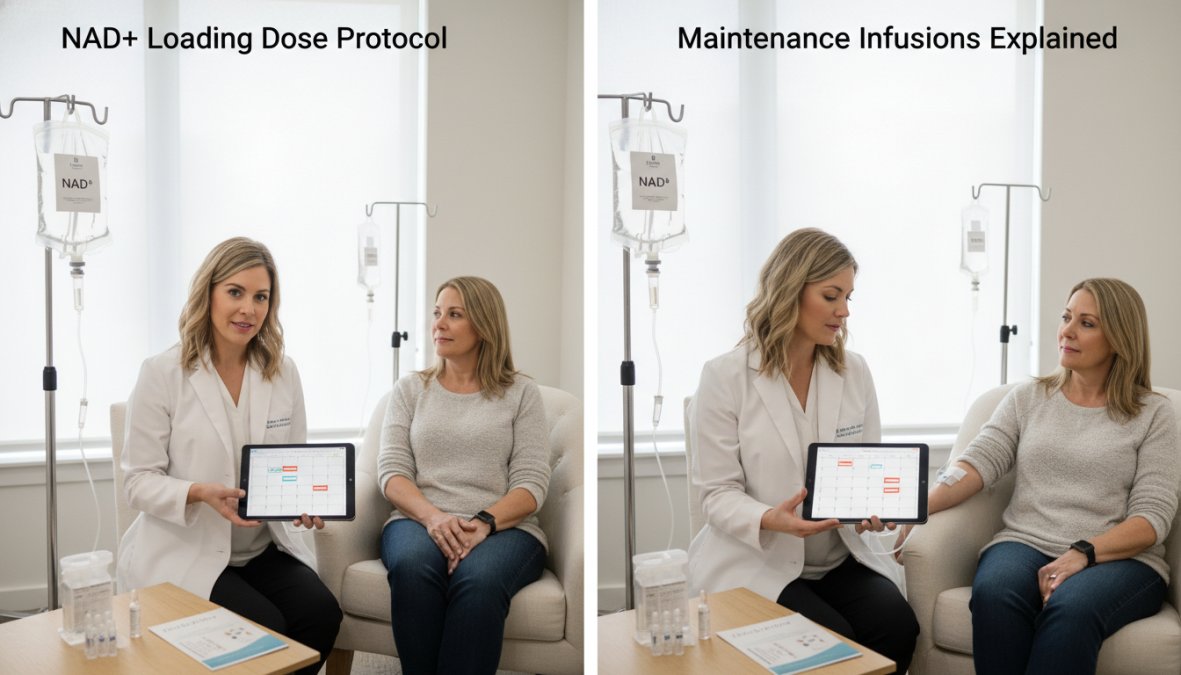
The distinction between a loading dose protocol and maintenance infusions is the most important structural decision in any NAD+ anti-aging program. A loading dose protocol rapidly restores depleted NAD+ levels to a therapeutic baseline. A maintenance protocol sustains that baseline over time. Conflating the two leads to either underdosing in the initial phase or unnecessary cost in maintenance.
What a Loading Dose Series Looks Like
A standard loading dose series involves four to ten infusions administered over one to two weeks. The exact number depends on the patient’s baseline NAD+ status, age, health history, and goals. Dosage during loading typically ranges from 500mg to 1,000mg per session, with the cumulative dose designed to saturate tissue NAD+ levels. Patients often report the most pronounced cognitive and energy improvements during or immediately after the loading series, when the restoration effect is most acute.
The cost implication is significant: a ten-session loading series at $500 per session is a $5,000 commitment before you reach maintenance. This is where package pricing and HSA/FSA planning matter most.
Post-Infusion Maintenance Protocols to Sustain Results
The loading dose is the beginning, not the treatment. Without a structured maintenance protocol, NAD+ levels decline again within weeks to months, and the investment in the loading series loses its long-term value.
A common maintenance approach involves monthly or bi-monthly infusions at lower doses (250mg to 500mg) combined with oral NAD+ precursor supplementation between sessions. Oral NR or NMN serves as a bridge, sustaining elevated NAD+ levels at a fraction of the per-session IV cost.
A well-designed maintenance protocol looks like this:
- Complete loading dose series (4-10 sessions over 1-2 weeks)
- Begin oral NR or NMN supplementation within one week of final loading session
- Schedule first maintenance infusion 4-6 weeks post-loading
- Maintain monthly or bi-monthly IV sessions based on symptom tracking
- Reassess protocol at 6-month mark with supervising physician
- Adjust oral supplementation dosage based on energy, cognitive, and recovery markers
The loading series gets you to baseline. Maintenance keeps you there.
How Long Does NAD IV Take and What Happens During a Session?
A standard NAD IV session takes two to four hours. NAD+ infused too quickly causes uncomfortable side effects including chest tightness, dizziness, and nausea; slow infusion rates of 1-3mL per minute minimize these reactions.
Here’s what a typical session involves:
- Intake and vitals check. Blood pressure, heart rate, and a brief symptom review before IV placement.
- IV placement. A peripheral IV catheter is placed, usually in the antecubital vein of the forearm.
- Infusion initiation. The NAD+ solution begins dripping at a slow, controlled rate.
- Monitoring. Clinical staff monitor for side effects throughout; rate adjustments are common in early sessions.
- Post-infusion observation. A brief rest period after the drip completes before the patient is cleared to leave.
Most patients can read or work on a laptop during the infusion. Plan the session into a half-day block, not a lunch break.
NAD+ Infusion Side Effects: What to Know Before You Book
NAD+ infusion side effects are real and should be discussed before booking. The most common reactions are dose-rate dependent, triggered by infusing too quickly rather than by NAD+ itself.
Common side effects during infusion:
- Nausea: The most frequently reported reaction. Usually resolves when infusion rate is slowed.
- Dizziness or lightheadedness: Common during higher-dose sessions; manageable with rate adjustment.
- Chest tightness or pressure: Alarming but typically benign when NAD+ is the sole infusate. Always report to clinical staff immediately.
- Flushing or warmth: Mild vasodilatory response, generally short-lived.
- Headache: Reported by some patients, particularly during first sessions.
Post-infusion fatigue in the 24 hours following a high-dose session is less common and generally interpreted as a recovery response. The clinical setting requirement exists because these side effects require real-time management, at-home NAD+ infusions without medical supervision are a genuine safety risk.
According to FDA guidance on compounded drug products and IV therapy, compounded IV preparations including NAD+ must be prepared by licensed pharmacies under specific sterility standards. Verifying your clinic’s pharmacy source is not optional.
NAD+ vs NMN Supplements vs IV: Which Delivery Method Wins?
Oral NAD+ Precursors: NR and NMN Compared
NR and NMN are the two primary oral NAD+ precursors with meaningful research behind them. Both convert to NAD+ inside cells through slightly different enzymatic pathways.
| Factor | NR (Nicotinamide Riboside) | NMN (Nicotinamide Mononucleotide) | NAD+ IV |
|---|---|---|---|
| Bioavailability | Moderate | Moderate to high | Highest |
| Cost per month | $40 – $80 | $50 – $100 | $200 – $1,000+ |
| Speed of effect | Days to weeks | Days to weeks | Hours |
| Clinical evidence | Growing | Growing | Early stage |
| Convenience | High | High | Low |
| Physician oversight | Not required | Not required | Required |
NR has a longer research track record; NMN has attracted more recent attention for its potentially more direct cellular uptake pathway. Both are legitimate options for baseline NAD+ support. Their honest limitation: they work for maintenance and prevention at the lower end of the therapeutic spectrum and are not equivalent to IV delivery for patients with significant NAD+ depletion.
When IV Therapy Justifies the Premium Over Supplements
IV therapy justifies the cost premium in three specific situations:
- Significant baseline depletion. Patients with chronic fatigue, metabolic dysfunction, or neurological symptoms associated with NAD+ deficiency are unlikely to restore adequate levels through oral supplementation alone on a meaningful timeline.
- Loading phase of a structured protocol. The initial restoration of NAD+ levels is best achieved through IV delivery; oral supplementation is appropriate for maintenance, not the initial therapeutic push.
- Time-sensitive goals. If cognitive performance or energy recovery is needed within weeks rather than months, IV delivery is the more direct path.
For healthy individuals with no acute depletion seeking general longevity support, oral NR or NMN combined with lifestyle optimization is a reasonable and significantly more affordable starting point. According to research on oral NMN bioavailability and NAD+ elevation, oral NMN does raise blood NAD+ levels in humans, confirming genuine biological activity. The question is always whether that activity is sufficient for the patient’s specific therapeutic goal.
Is NAD IV Therapy FDA-Approved? Regulatory Status and What It Means
NAD IV therapy is not FDA-approved as a drug treatment for any specific condition. NAD+ is a naturally occurring molecule, and compounded NAD+ preparations for intravenous use fall under FDA oversight of compounding pharmacies rather than the drug approval process. This means preparations must meet sterility and quality standards, but the clinical indication does not require the same evidence threshold as an approved pharmaceutical.
What this means practically:
- Clinics can legally offer NAD+ infusions as a wellness service
- Physicians can prescribe compounded NAD+ infusions off-label
- The therapy is not backed by the same level of controlled clinical trial evidence as FDA-approved drugs
- Quality and safety depend heavily on the compounding pharmacy and clinic protocols
This isn’t a reason to avoid the therapy. It’s a reason to choose your clinic carefully, ask about pharmacy sourcing, and work with a medically supervised program rather than a wellness pop-up.
NAD IV therapy is not FDA-approved as a drug, but it is legally available as a compounded preparation through licensed wellness clinics. The absence of FDA drug approval does not mean the therapy is dangerous or ineffective. It means the evidence base is still developing, and clinical oversight matters more, not less.
Conclusion: Is NAD IV Therapy Worth the Cost for Anti-Aging?
The case for NAD IV therapy for anti-aging benefits cost comes down to one question: are you addressing a genuine NAD+ deficit, or pursuing optimization from an already-adequate baseline? For the former, IV delivery is clinically justified and the cost reflects real therapeutic value. For the latter, oral precursors combined with lifestyle interventions may deliver most of the benefit at a fraction of the price.
The financial planning piece is underutilized. HSA and FSA eligibility, package pricing, and a structured loading-plus-maintenance protocol all reduce the effective cost considerably compared to ad hoc single sessions.
Navigating medically supervised wellness programs, understanding which treatments fit your health profile, and accessing physician oversight without the friction of traditional clinic systems is exactly the challenge Ascend Vitality is built to address. Ascend Vitality connects patients with specialized care pathways, medically-supported programs, and prescriptions delivered directly to them, including targeted support for hormonal health, metabolic function, and vitality. Get started with Ascend Vitality and access the physician-guided oversight that makes a protocol like NAD+ infusion therapy both safer and more cost-effective to pursue.
Frequently Asked Questions
How much does NAD IV therapy typically cost per session?
NAD IV therapy cost varies widely depending on dosage, clinic location, and session length. Single sessions at wellness clinics generally range from around $200 to $1,000 or more. Loading dose packages, typically a series of multiple infusions in the first week or two, often cost more upfront but may be offered at a bundled rate. Mobile or concierge IV services can add a premium. Always request an itemized quote before booking to understand exactly what is included.
What are the primary anti-aging benefits of NAD IV therapy?
NAD IV therapy for anti-aging is associated with several potential benefits, including improved mitochondrial function, enhanced DNA repair, reduced brain fog, sharper mental clarity, and support for cellular rejuvenation. By delivering nicotinamide adenine dinucleotide directly into the bloodstream, IV infusions bypass the digestive system for higher bioavailability compared to oral supplements. Sirtuins, proteins linked to longevity, also depend on adequate NAD+ levels, making infusion therapy appealing to those focused on health optimization and long-term vitality.
How does NAD IV therapy compare to oral NAD+ precursors like NMN or NR?
Oral NAD+ precursors such as NMN and NR are more affordable and convenient, typically costing $30-$80 per month, but their bioavailability is limited by nutrient absorption through the digestive tract. NAD IV therapy delivers the coenzyme directly into the bloodstream, achieving near-complete absorption. For people seeking rapid cellular health improvements or those with absorption issues, IV infusions may offer a meaningful advantage. For general maintenance and longevity support, oral NMN or NR supplements are a practical and cost-effective starting point.
What side effects are associated with NAD+ infusion therapy?
Common NAD+ infusion side effects include nausea, dizziness, flushing, chest tightness, and headache, most of which occur when the infusion rate is too fast. Slowing the drip rate typically resolves these symptoms quickly. Serious adverse events are rare when therapy is administered in a proper clinical setting by trained staff. Anyone with underlying cardiovascular conditions or kidney issues should consult a physician before starting. Side effects are generally mild and transient, resolving shortly after the session ends.
How many NAD IV sessions are usually recommended, and how long do results last?
Most therapeutic protocols begin with a loading dose series, often three to five infusions over the first one to two weeks, followed by monthly or quarterly maintenance sessions. How long results last varies by individual metabolism, lifestyle, and the condition being addressed. Some people report sustained improvements in energy production and mental clarity for several weeks after a loading series. A structured post-infusion maintenance protocol, potentially including oral NAD+ precursors between sessions, can help extend the benefits over time.
Is NAD IV therapy covered by insurance or eligible for HSA/FSA spending?
NAD IV therapy is generally not covered by standard health insurance because it is classified as a wellness or elective regenerative medicine service rather than a medically necessary treatment. However, some patients have successfully used HSA or FSA funds to pay for sessions, particularly when a licensed provider issues documentation of medical necessity. Eligibility rules vary by plan administrator, so it is worth checking with your benefits provider before scheduling. Always request a detailed receipt or letter of medical necessity from the clinic.