
Last Updated: September 4, 2026
What Is NAD+ and Why It Matters as You Age
NAD+ (nicotinamide adenine dinucleotide) is a crucial coenzyme found in every cell of your body, and its decline with age is one of the most consistent biological markers of aging. This guide breaks down the science behind why NAD+ levels decline with age and what you can do about it.
The molecule serves as a cellular linchpin, facilitating the energy transfer that powers your metabolism and activating proteins that govern DNA repair and cellular resilience. Without adequate NAD+, your cells cannot efficiently convert nutrients into energy, and your body’s natural repair systems slow down.
This matters because the decline is not subtle. Research into the biology of aging indicates that by late adulthood, many people carry a fraction of the NAD+ they had in their youth (peer-reviewed research). The consequences touch everything from muscle strength to cognitive sharpness.
Below, we’ll examine the specific mechanisms driving this depletion, how your lifestyle influences the rate of decline, and the strategies that may help you maintain healthier levels as you age.
The Mechanism of Age-Related NAD+ Decline
The core reason NAD+ levels fall with age comes down to a supply-and-demand problem at the cellular level. Your body continuously produces NAD+ through biosynthesis pathways, but as you age, the enzymes that consume it work faster than your cells can replenish the intracellular pool.
Two primary consumers drive this imbalance: CD38 and PARP. Both are essential for health, yet their activity shifts in ways that accelerate NAD+ depletion over time.
How CD38 Expression Drives NAD+ Consumption
CD38 is an enzyme located on the surface of many immune cells, and its primary job involves regulating cellular communication. However, CD38 also possesses NADase activity, meaning it breaks down NAD+ to perform its functions.
As you age, CD38 expression increases, particularly within immune and inflammatory tissues. This age-related rise in CD38 is a major culprit in NAD+ decline because the enzyme continuously degrades NAD+ into inactive byproducts, removing it from the pool your cells need for energy and repair.
PARP Activation and DNA Repair Demands
PARP proteins act as your cellular first responders to DNA damage. When DNA strands break from oxidative stress or environmental toxins, PARP activates to detect and signal for repair, a process that consumes NAD+ as its fuel source.
The problem is that accumulated DNA damage increases with age. This means PARP activation becomes more frequent and sustained, drawing down NAD+ reserves faster than younger cells typically experience. The relationship between DNA repair demands and NAD+ consumption creates a cycle where cellular stress accelerates the very depletion that impairs future repair.
NAD+ Levels Across Different Age Groups
NAD+ levels do not decline at a steady rate; they tend to fall noticeably during specific life stages. While individual variation exists, the pattern shows a gradual reduction beginning in mid-adulthood, with a more pronounced drop in later decades.
Research from the field of aging biology suggests that tissue-specific decline is real, meaning some organs lose NAD+ faster than others. Muscle and brain tissue often show significant reductions, which helps explain age-related fatigue and cognitive changes.
The practical takeaway is that interventions aimed at supporting NAD+ levels may be most effective when started before the steepest decline occurs. Waiting until energy and recovery have already diminished often means playing catch-up against a larger deficit.
Lifestyle Habits That Accelerate NAD+ Depletion
Your daily habits directly influence how quickly your body consumes its NAD+ supply. Understanding the specific mechanisms behind each habit helps you prioritize interventions most likely to slow decline.
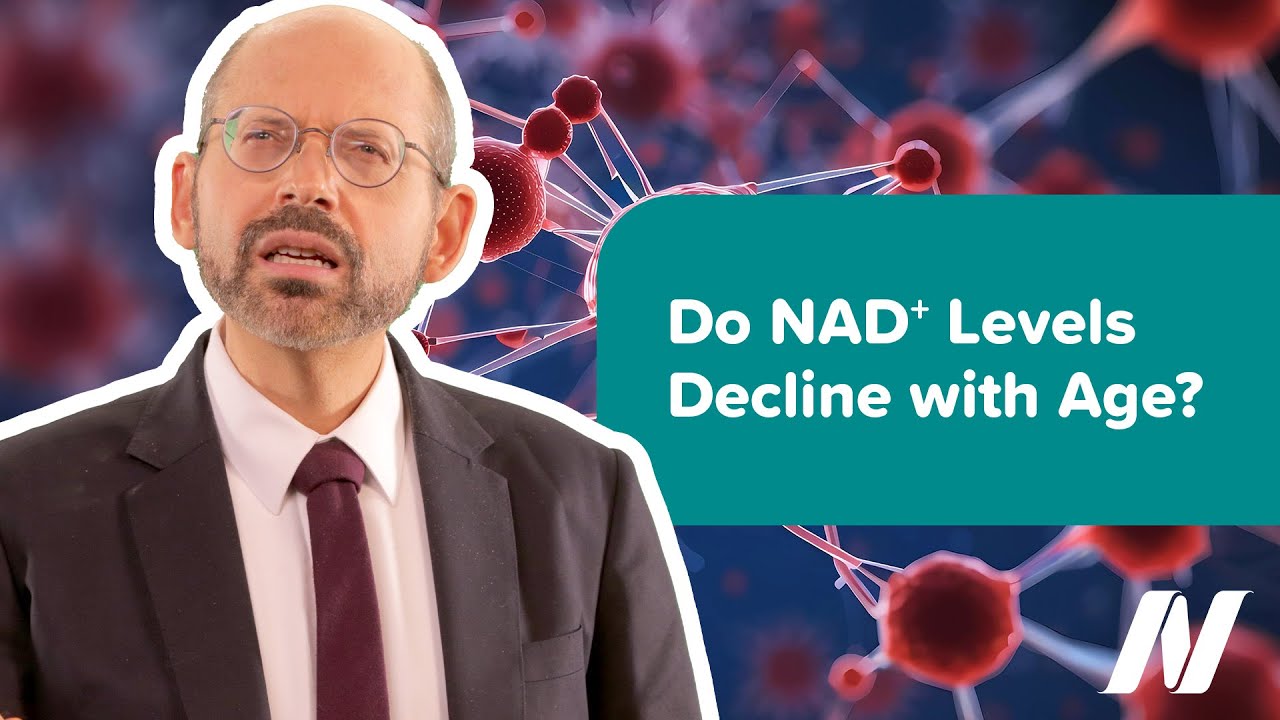
Do NAD+ Levels Decline with Age?
NutritionFacts.org
Sleep Deprivation and NAD+ Consumption
Chronic sleep loss triggers sustained elevation of cortisol and inflammatory cytokines, both of which upregulate CD38 expression in immune cells. A single night of poor sleep increases circulating levels of tumor necrosis factor-alpha (TNF-α), a pro-inflammatory marker that correlates with accelerated NAD+ consumption (peer-reviewed research). Over weeks and months, sleep-deprived individuals show measurably lower NAD+ levels in both blood and tissue samples compared to those sleeping 7-9 hours nightly.
The mechanism is straightforward: sleep is when your cells perform most of their repair work, including DNA damage assessment and mitochondrial maintenance, both NAD+-dependent processes. When sleep is insufficient, repair backlogs accumulate, forcing cells to activate PARP more frequently during waking hours, further depleting NAD+ reserves.
Alcohol and NAD+ Metabolism
Alcohol metabolism directly consumes NAD+. When your liver breaks down ethanol, it converts NAD+ to NADH in a 1:1 ratio, shifting the NAD+/NADH balance unfavorably. Chronic alcohol consumption (more than 2 drinks daily for men, 1 for women) creates a persistently elevated NADH-to-NAD+ ratio, impairing mitochondrial energy production and increasing oxidative stress.
Beyond the direct metabolic cost, alcohol also increases intestinal permeability and systemic inflammation, raising CD38 activity. Heavy drinkers show NAD+ levels 20-30% lower than age-matched non-drinkers, a deficit that compounds the natural age-related decline (peer-reviewed research).
Sedentary Behavior and Metabolic Stress
Physical inactivity creates a state of chronic metabolic stress. Muscles that are not regularly contracted fail to signal for mitochondrial biogenesis, leading to fewer mitochondria and reduced NAD+-dependent energy production. This metabolic stagnation triggers compensatory increases in CD38 and PARP activation as cells attempt to manage oxidative stress from inefficient energy production.
Sedentary individuals also accumulate visceral fat, which secretes inflammatory cytokines that further elevate CD38 expression. The result is a self-reinforcing cycle: low activity → metabolic stress → increased NAD+ consumption → less energy for activity.
High-Glycemic and Ultra-Processed Diets
Diets high in refined carbohydrates and added sugars create sustained hyperglycemia and insulin resistance, both of which increase oxidative stress and PARP activation. High blood glucose also promotes glycation of proteins, a form of cellular damage that triggers DNA repair pathways and further depletes NAD+.
Ultra-processed foods often contain seed oils high in omega-6 polyunsaturated fats, which promote systemic inflammation when consumed in excess. This inflammatory state upregulates CD38 across immune tissues, accelerating NAD+ consumption.
Chronic overeating, regardless of food quality, creates metabolic stress that signals cells to increase NAD+ consumption for damage control and energy management. A caloric surplus, particularly when combined with high-glycemic foods, can accelerate age-related NAD+ decline compared to individuals maintaining caloric balance.
Chronic Psychological Stress
Prolonged psychological stress elevates cortisol, which increases systemic inflammation and CD38 expression. Stress also impairs sleep quality, creating a compounding effect. Individuals under chronic stress show elevated baseline PARP activation due to increased DNA damage from oxidative stress, further draining NAD+ reserves.
The practical takeaway is that these habits do not act in isolation. A person who sleeps poorly, drinks regularly, remains sedentary, and eats a high-glycemic diet experiences NAD+ depletion that is multiplicative, not merely additive. Conversely, addressing even one or two of these factors can create measurable improvements in NAD+ status within weeks.
NAD+ and Mitochondrial Dysfunction
Mitochondria are the power plants of your cells, and they depend on NAD+ to generate cellular energy. When NAD+ levels fall, mitochondrial function suffers, leading to reduced energy output and increased oxidative stress.
This creates a feedback loop. Lower NAD+ impairs mitochondrial biogenesis, or the creation of new mitochondria, while damaged mitochondria produce more reactive oxygen species that further stress the cell. The result is a progressive decline in cellular energy production that manifests as fatigue and reduced physical capacity.
Supporting NAD+ levels is therefore closely tied to maintaining mitochondrial health. Strategies that address one often benefit the other, which is why NAD+ has become a focus in longevity research.
Gender-Specific Differences in NAD+ Decline
Emerging research suggests that NAD+ decline may not be identical between men and women. Hormonal changes, particularly the drop in estrogen during menopause, appear to influence NAD+ metabolism and CD38 expression.
Estrogen has been shown to modulate the activity of enzymes involved in NAD+ biosynthesis pathways. When estrogen levels fall, the efficiency of NAD+ production may decrease, potentially accelerating the age-related physiological decline in women during the menopausal transition.
This area of study is still developing, but it highlights the importance of personalized approaches to aging. What works for one person may need adjustment based on sex-specific biology and hormonal status. Women experiencing these changes may benefit from discussing NAD+ support with a healthcare provider who understands hormonal health.
How to Increase NAD+ Levels Naturally
Several lifestyle interventions can support your body’s NAD+ production without relying solely on supplements. The most effective approaches work by either reducing NAD+ consumption (lowering CD38 and PARP activity) or stimulating NAD+ biosynthesis through the salvage pathway.

Exercise: The Most Potent NAD+ Stimulus
Regular physical activity is among the most effective ways to preserve and increase NAD+ levels. Exercise works through multiple mechanisms:
Mitochondrial Biogenesis: Muscle contractions activate AMP-activated protein kinase (AMPK), which signals cells to build new mitochondria. New mitochondria require NAD+ for their energy production, creating demand that stimulates NAD+ synthesis. This effect is most pronounced with resistance training and high-intensity interval training (HIIT). cellular resilience.
SIRT1 Activation: Exercise activates sirtuins, NAD+-dependent proteins that regulate cellular stress responses and mitochondrial function. This creates a positive feedback loop: exercise → NAD+ demand → NAD+ synthesis → sirtuin activation → improved metabolic health.
Inflammation Reduction: Regular aerobic activity (150 minutes per week of moderate intensity, or 75 minutes of vigorous intensity) reduces systemic inflammation and CD38 expression, lowering NAD+ consumption.
Practical Implementation: Combine 150-300 minutes of moderate aerobic activity (brisk walking, cycling, swimming) with 2-3 sessions of resistance training weekly. HIIT protocols, such as 30 seconds of maximum effort followed by 90 seconds of recovery, repeated 8-10 times, produce particularly strong NAD+ responses and can be completed in 15-20 minutes.
Intermittent Fasting and Caloric Restriction
Fasting activates the NAD+ salvage pathway, which recycles NAD+ precursors (nicotinamide) back into usable NAD+. During fasting periods, cells also activate autophagy and mitophagy (the removal of damaged mitochondria), reducing the oxidative stress that drives PARP activation and NAD+ consumption.
Mechanism: When glucose is scarce, cells shift to fat oxidation and ketone metabolism, both of which generate metabolic signals (elevated AMP/ATP ratio) that activate AMPK and sirtuins. These pathways upregulate NAD+ biosynthesis enzymes, particularly NAMPT (nicotinamide phosphoribosyltransferase), the rate-limiting enzyme in the salvage pathway.
Practical Implementation: Time-restricted eating (eating within an 8-10 hour window, fasting for 14-16 hours) produces measurable increases in NAD+ within 2-4 weeks. Alternatively, a 5:2 approach (eating normally 5 days per week, consuming 500-600 calories on 2 non-consecutive days) also activates the salvage pathway. Longer fasts (24-48 hours) produce stronger effects but should be approached gradually and discussed with a healthcare provider.
Combining intermittent fasting with exercise amplifies NAD+ benefits. A fasted workout (performed during the fasting window) triggers both mitochondrial biogenesis and salvage pathway activation simultaneously, producing a synergistic effect on NAD+ levels.
Sleep Optimization
Adequate sleep (7-9 hours nightly) is essential for NAD+ preservation. During sleep, your cells perform most DNA repair and mitochondrial maintenance, both NAD+-dependent processes. Poor sleep forces these repairs into waking hours, increasing daytime NAD+ consumption.
Practical Implementation: Maintain a consistent sleep schedule (same bedtime and wake time daily), keep your bedroom cool (65-68°F), and avoid screens 1-2 hours before bed. If sleep quality is poor, addressing sleep apnea or other sleep disorders should be a priority, as these conditions create chronic oxidative stress and accelerate NAD+ depletion.
Dietary Precursors and NAD+ Biosynthesis
Your body synthesizes NAD+ from dietary precursors, primarily niacin (vitamin B3) and its derivatives. While whole-food sources are preferable, targeted precursors can support NAD+ production:
Nicotinamide Riboside (NR): A naturally occurring form of vitamin B3 found in small amounts in cow’s milk, whey protein, and beer. NR is efficiently converted to NAD+ via the salvage pathway. Typical supplemental doses range from 250-1,000 mg daily.
Nicotinamide Mononucleotide (NMN): Another NAD+ precursor, structurally closer to NAD+ than NR. NMN is found in trace amounts in foods like broccoli, cabbage, and cucumber. Supplemental doses typically range from 250-500 mg daily.
Niacin (Nicotinic Acid): The traditional form of vitamin B3, found in chicken, tuna, turkey, peanuts, and mushrooms. Niacin is converted to NAD+ directly, but high doses can cause flushing and liver stress. Dietary sources are safer and sufficient for most people.
Tryptophan: An amino acid that your body converts to NAD+ via the kynurenine pathway, though less efficiently than direct precursors. Found in turkey, chicken, eggs, cheese, and nuts. A typical diet provides 1-2 grams daily.
Practical Implementation: Prioritize whole-food sources first (lean meats, fish, legumes, nuts, seeds). If supplementing with NR or NMN, start with 250 mg daily and monitor for tolerance. These precursors work best when combined with exercise and fasting, which upregulate the enzymes needed to convert them to NAD+.
Stress Management and Inflammation Reduction
Chronic psychological stress elevates cortisol and inflammatory cytokines, both of which increase CD38 expression and NAD+ consumption. Stress reduction directly lowers this enzymatic drain.
Practical Implementation: Meditation, yoga, or breathwork (10-20 minutes daily) reduces cortisol and systemic inflammation. Regular social connection and time in nature also lower stress markers. These practices are particularly valuable because they reduce NAD+ consumption rather than requiring additional biosynthetic demand.
Putting It Together: A Practical Protocol
The most effective approach combines multiple interventions:
- Daily: 7-9 hours of sleep, 10-20 minutes of stress management, adequate hydration
- 3-5 times weekly: 150+ minutes of moderate aerobic activity or 75+ minutes of vigorous activity, plus 2-3 resistance training sessions
- 2-3 times weekly: 14-16 hour fasting windows (time-restricted eating)
- Daily: Whole-food sources of niacin and tryptophan; optional NR or NMN supplementation (250-500 mg) if dietary intake is low
This combination addresses NAD+ decline through multiple pathways: reducing consumption (sleep, stress, fasting), stimulating biosynthesis (exercise, fasting), and providing precursors (diet, optional supplements). Most people see measurable improvements in energy and recovery within 4-8 weeks of consistent implementation.
Benefits of NAD+ Therapy for Anti-Aging
NAD+ therapy typically involves intravenous or injectable administration of NAD+ or its precursors to raise circulating levels more directly than oral supplements. The goal is to restore the intracellular pool to a level closer to what you had in younger adulthood.
Potential benefits of NAD+ therapy include improved energy levels, enhanced cognitive function, and better recovery from physical exertion. By supporting sirtuins, the proteins linked to longevity, NAD+ therapy may also influence cellular senescence and DNA repair processes.
Many patients report feeling a noticeable difference in energy and mental clarity after treatment sessions. However, results vary, and the therapy should be considered one component of a broader health strategy that includes diet, exercise, and sleep.
The benefits of NAD+ therapy are often most pronounced when combined with regular physical activity. Exercise creates the demand for cellular energy, and NAD+ provides the fuel to meet it, creating a synergistic effect.
The NADH vs NAD+ Ratio: What You Need to Know
NADH is the reduced form of NAD+, meaning it carries the electrons that NAD+ accepts during energy production. The balance between these two forms, known as the redox state, is critical for cellular function.
A high NADH to NAD+ ratio indicates a reduced cellular environment, which can impair energy production and increase oxidative stress. As we age, this ratio often shifts unfavorably, reflecting the metabolic stress cells experience.
Monitoring the NADH vs NAD+ ratio provides a more complete picture of cellular health than measuring NAD+ alone. A healthy ratio supports efficient energy transfer, while an imbalanced ratio signals underlying metabolic dysfunction.
Conclusion
Understanding why NAD+ levels decline with age is the first step toward addressing the energy loss and cellular wear that accompany aging. The science points to increased enzymatic consumption, driven by CD38 and PARP, as the primary culprit outpacing your body’s natural production.
The good news is that you have options. Lifestyle changes like exercise and fasting support your body’s own NAD+ production, while therapies using metabolic precursors can provide more direct replenishment.
At Ascend Vitality, we offer NAD+ therapy as part of a comprehensive approach to health and hormone optimization. Our medically-supported programs connect you with qualified professionals who can assess your needs and develop a personalized plan. Get started with Ascend Vitality and take control of your cellular health.
Frequently Asked Questions
At what age does NAD+ start to decline?
NAD+ levels begin declining gradually in your 30s and 40s, with the decline accelerating more noticeably after age 50. This age-related physiological decline occurs across all tissues but varies based on lifestyle habits, metabolic stress, and individual genetics. The decline correlates with increased cellular senescence and reduced mitochondrial function.
How do I restore my NAD+ levels naturally?
You can support NAD+ through several lifestyle interventions: regular exercise stimulates mitochondrial biogenesis and NAD+ biosynthesis pathways; intermittent fasting may activate sirtuins and the NAD+ salvage pathway; adequate sleep reduces oxidative stress and metabolic stress on your cells; limiting alcohol consumption reduces NADase activity and enzymatic degradation; eating foods rich in metabolic precursors like niacin (tuna, chicken, mushrooms) supports NAD+ production. Stress management and maintaining a healthy weight also help preserve your intracellular NAD+ pool.
What are the primary biological drivers of NAD+ depletion?
NAD+ depletion stems from three main mechanisms: increased CD38 expression and NADase activity consume NAD+ faster than your body can replace it; PARP activation during DNA repair demands large amounts of NAD+ to manage oxidative stress and cellular damage; and declining biosynthesis pathways reduce your body’s ability to manufacture new NAD+ from metabolic precursors. Together, these factors create an imbalance in NAD+ homeostatic regulation, particularly as you age.
Can lifestyle habits accelerate the loss of NAD+?
Yes. Chronic stress, poor sleep, sedentary behavior, excessive alcohol consumption, and high-calorie diets all accelerate NAD+ depletion by increasing metabolic stress, oxidative stress, and enzymatic consumption. These habits trigger higher CD38 expression, increase PARP activation through DNA damage, and impair your NAD+ salvage pathway, the mechanism your cells use to recycle NAD+ precursors. Conversely, regular exercise, quality sleep, and stress management help maintain metabolic homeostasis and support NAD+ levels.