
Last Updated: October 23, 2026
Quick Summary
Natural ways to increase testosterone for better erections include strength training 3 times per week, getting 7-9 hours of quality sleep nightly, managing stress through exercise and meditation, and eating nutrient-rich foods with adequate protein, zinc, magnesium, and healthy fats. These lifestyle changes work synergistically to boost hormone production and improve erectile function without relying solely on medication.
- Strength training with compound movements produces the biggest testosterone response when done 3 times weekly for 45-60 minutes.
- Sleep quality matters as much as quantity; aim for 7-9 hours nightly since most testosterone production occurs during deep sleep.
- Excess body fat suppresses testosterone by converting it to estrogen, so even a 5-10% weight loss can produce noticeable hormone increases.
- Zinc and magnesium are essential nutrients for testosterone production; include oysters, beef, pumpkin seeds, and leafy greens regularly.
- Chronic stress elevates cortisol, which directly suppresses testosterone, making stress management as important as exercise and diet.
Table of Contents
- How Testosterone Affects Erectile Function
- Exercise and Testosterone Levels: The Evidence
- Weight Management and Body Composition
- Sleep Quality and Hormone Production
- Foods That May Support Testosterone Levels
- Stress Management and Cortisol Control
- Supplements and Testosterone Boosters: Safety and Evidence
- When to Seek Care for Erectile Dysfunction
- Testing Testosterone: How and When
- Putting It Together: Your Action Plan
- Frequently Asked Questions
How Testosterone Affects Erectile Function
Testosterone is the primary male hormone that drives sexual function, including the ability to achieve and maintain erections (pubmed.ncbi.nlm.nih.gov). Low testosterone can directly interfere with erectile function because the hormone signals your brain and blood vessels to initiate the physical responses needed for arousal and erection.
When testosterone levels drop, several things happen. Your brain receives fewer signals to trigger sexual desire. Blood flow to the penis becomes less responsive. The smooth muscle tissue that controls erections loses its ability to relax and expand properly.
This is why understanding natural ways to increase testosterone for better erections matters. Testosterone isn’t just about muscle or aggression, it’s fundamental to sexual health.
At Ascend Vitality, we work with men who want to address erectile dysfunction by tackling the root cause: hormone health. Optimizing testosterone through proven lifestyle changes can produce real results.
Low testosterone impairs the nerve signals and blood flow required for erections. Restoring hormone levels through lifestyle changes can reverse erectile dysfunction for many men.
Exercise and Testosterone Levels: The Evidence
Physical activity is one of the most powerful testosterone boosters available. Exercise increases hormone production, improves blood flow, and builds the muscle mass that supports healthy testosterone levels. Different types of exercise work through different mechanisms, so combining them produces the best results.
The most effective approach combines strength training, high-intensity work, and aerobic activity. Each type triggers testosterone release in different ways. Strength training causes muscle breakdown and repair, which signals your body to produce more testosterone. High-intensity interval training (HIIT) creates metabolic stress that boosts hormone levels. Aerobic activity improves cardiovascular health, which directly supports erectile function.
Research consistently shows that men who exercise regularly maintain higher testosterone levels than sedentary men. The effect is measurable and reliable. Even modest increases in physical activity, 30 minutes a day most days of the week, produce noticeable improvements.
Strength Training and Resistance Exercise
Strength training is the single most effective exercise for raising testosterone. Compound movements that engage large muscle groups trigger the biggest hormone response. These include squats, deadlifts, bench presses, and rows.

Aim for 3 sessions per week focusing on major muscle groups. Each session should last 45-60 minutes. Rest 2-3 days between intense sessions to allow recovery and hormone production.
Heavy weight with lower repetitions (6-10 reps per set) produces more testosterone than light weight with high reps. Progressive overload matters too, gradually increasing the weight or reps forces your body to adapt by producing more hormone.
Common mistakes include:
- Exercising too frequently without adequate recovery
- Using light weights that don’t challenge your muscles
- Focusing only on isolation exercises instead of compound movements
- Skipping leg day (legs are the largest muscle group and produce the biggest hormone response)
High-Intensity Interval Training (HIIT) and Aerobic Activity
HIIT complements strength training by creating acute metabolic stress. Alternate 30 seconds of maximum effort with 60 seconds of recovery. Do this for 15-20 minutes, 2-3 times per week.
Aerobic activity like walking, jogging, or cycling improves cardiovascular function, which directly supports erectile quality. The improved blood flow from aerobic exercise makes erections firmer and more reliable. Aim for 150 minutes of moderate aerobic activity per week, spread across several days.
The combination of all three, strength training, HIIT, and aerobic work, produces the fastest testosterone gains and the most dramatic erectile improvements.
Consistent exercise can lead to measurable erectile improvements. This happens because exercise improves blood flow and cardiovascular function.
Weight Management and Body Composition
Excess body fat actively suppresses testosterone production (ncbi.nlm.nih.gov). Fat tissue contains an enzyme called aromatase that converts testosterone into estrogen. The more excess weight you carry, the more testosterone gets converted away from where you need it.
Losing weight restores testosterone levels. This isn’t about becoming extremely lean, it’s about reaching a healthy body composition. Even a 5-10% reduction in body weight can produce noticeable testosterone increases.
Weight loss works best when combined with strength training. Building muscle while losing fat improves your hormone profile more effectively than diet alone. Muscle tissue burns calories at rest, which supports long-term weight management.
Focus on sustainable changes rather than crash dieting. Rapid weight loss can temporarily drop testosterone further. Gradual, consistent progress produces better hormonal outcomes.
Crash diets and extreme calorie restriction can temporarily lower testosterone. This counteracts your goal. Aim for a moderate calorie deficit (300-500 calories below maintenance) combined with strength training and adequate protein.
Sleep Quality and Hormone Production
Testosterone production peaks during sleep, particularly during deep sleep stages. Poor sleep quality directly suppresses testosterone and impairs erectile function. Most of your daily testosterone is produced while you sleep.
Aim for 7-9 hours per night. This isn’t optional for hormone health, it’s as important as exercise and diet. During sleep, your body repairs muscle tissue, consolidates hormonal signals, and resets cortisol (the stress hormone that suppresses testosterone). Consistent rest serves as the foundation for natural hormonal relief, ensuring that your internal systems remain balanced and responsive to the lifestyle changes you implement.
Sleep quality matters as much as quantity. Deep, uninterrupted sleep produces more testosterone than light, fragmented sleep. Create conditions for quality sleep:
- Keep your bedroom cool (around 65-68°F)
- Eliminate light sources and use blackout curtains
- Avoid screens 30-60 minutes before bed
- Maintain a consistent sleep schedule, even on weekends
- Avoid caffeine after 2 PM
Learn how to optimize sleep quality for better hormone production
Poor sleep also increases cortisol, which actively suppresses testosterone. This creates a double negative: less testosterone production and more hormone suppression simultaneously.
Foods That May Support Testosterone Levels
Diet directly influences testosterone production. Certain nutrients are required for your body to manufacture and maintain healthy hormone levels, and other foods support the blood flow and vascular health that erections depend on. The practical question is not which single food is a “testosterone booster”, it is how to build a daily eating pattern that supplies the raw materials for hormone production without adding the body fat that suppresses it.
Zinc, Magnesium, and Key Nutrients
Zinc is essential for testosterone production (pubmed.ncbi.nlm.nih.gov). Your body cannot make testosterone without adequate zinc, and many men fall short of the recommended daily intake. The best food sources are:
- Oysters and shellfish (oysters are among the densest food sources of zinc)
- Beef and lamb
- Pumpkin seeds
- Chickpeas and legumes
- Cashews and almonds
Magnesium supports testosterone production and improves sleep quality, which further supports hormone levels. Magnesium-rich foods include:
- Dark leafy greens (spinach, kale)
- Pumpkin seeds
- Almonds and cashews
- Black beans
- Dark chocolate (70% cacao or higher)
Vitamin D functions like a hormone in your body and supports testosterone production. Many men are low, particularly in winter months. Get 15-30 minutes of sunlight exposure on exposed skin several times a week when possible, and include vitamin D-rich foods such as fatty fish, egg yolks, and fortified dairy or plant milks. If you suspect a deficiency, ask your clinician about a blood test before supplementing.
B vitamins support energy production and hormone metabolism. Include whole grains, eggs, and leafy greens regularly.
Healthy Fats, Protein, and Whole Foods
Healthy fats are required for testosterone synthesis. Your body needs cholesterol to produce testosterone, so avoiding all fat actually works against hormone production.
Include healthy fats from:
- Olive oil
- Avocados
- Fatty fish (salmon, mackerel, sardines)
- Nuts and seeds
- Coconut oil
Protein supports muscle growth and recovery from exercise. A common target is roughly 0.7-1 gram per pound of body weight daily. Include diverse protein sources:
- Fish and seafood
- Lean beef and poultry
- Eggs
- Greek yogurt
- Legumes and beans
Whole foods beat processed alternatives. Refined carbohydrates and added sugars contribute to excess body fat, and fat tissue contains an enzyme called aromatase that converts testosterone into estrogen. Choose whole grains, fruits, and vegetables instead.
Flavonoid-rich foods like berries, watermelon, and dark chocolate improve blood flow, which supports erectile function directly.
A Practical Daily Eating Framework
Rather than chasing individual “booster” foods, build meals around a simple pattern that covers the nutrients above:
- Protein at every meal. Aim for a palm-sized portion of fish, poultry, lean beef, eggs, Greek yogurt, or legumes at breakfast, lunch, and dinner.
- A zinc or magnesium source most days. Oysters or beef a few times a week, pumpkin seeds or almonds as a snack, and beans or leafy greens at dinner.
- Healthy fat at most meals. Olive oil on vegetables, avocado in a salad, or nuts as a snack.
- Color and fiber. Berries, watermelon, and vegetables add flavonoids and fiber that support vascular health and body composition.
- Limit ultra-processed foods and sugary drinks. These add calories without the nutrients your body needs for hormone production.
This framework matters more than any single food because testosterone production depends on overall nutrient adequacy and healthy body composition, not on one ingredient.
Watermelon contains citrulline, which converts to arginine in your body. Arginine supports blood flow to the penis and erectile quality. Include watermelon regularly during warm months as part of a flavonoid-rich eating pattern.
No food or combination of foods will reliably raise testosterone if sleep, exercise, and body composition are neglected. Treat diet as one pillar of a larger plan, not a standalone fix.
Stress Management and Cortisol Control
Chronic stress elevates cortisol, the stress hormone that directly suppresses testosterone production. High cortisol also impairs erectile function by restricting blood flow. Managing stress is as important as exercise and diet for testosterone health.
Effective stress management approaches include:
- Regular aerobic exercise (walking, jogging, cycling)
- Meditation or mindfulness practice (even 10 minutes daily helps)
- Deep breathing exercises
- Adequate sleep
- Time outdoors in natural light
- Social connection and relationships
- Hobbies and activities you enjoy
Explore comprehensive strategies for balancing hormones naturally through stress reduction
Chronic stress also disrupts sleep, which compounds the testosterone-suppressing effect. Breaking the stress cycle requires consistent practice, not occasional effort. Small daily habits produce more improvement than sporadic intensive efforts.
Supplements and Testosterone Boosters: Safety and Evidence
Many supplements claim to boost testosterone. Most don’t work. Some may interact with medications or cause side effects. Before adding any supplement, understand the evidence and potential risks.
Common supplements marketed for testosterone include Tongkat Ali, boron, shilajit, Tribulus, and fenugreek. While some show modest effects in research, the evidence is mixed and often comes from small studies.
Important considerations:
- Supplement quality varies dramatically between brands
- The FDA doesn’t regulate supplements the way it regulates medications
- Some supplements interact with blood pressure medications, diabetes medications, or blood thinners
- Herbal supplements can have side effects
If you’re taking any medications, consult a healthcare provider before starting supplements. This is especially important for men on blood pressure medications, heart medications, or diabetes treatments.
The most effective approach starts with lifestyle: exercise, sleep, stress management, and diet. These produce measurable testosterone increases without risk of interactions or side effects. Supplements may provide modest additional benefit, but they cannot replace foundational lifestyle changes.
Some “testosterone boosters” contain undisclosed prescription ingredients or banned substances. Buy only from reputable brands with third-party testing. Better yet, focus on proven lifestyle changes first.
When to Seek Care for Erectile Dysfunction
Erectile dysfunction often has multiple causes. Sometimes it’s purely hormonal. Sometimes it’s cardiovascular, psychological, or medication-related. Sometimes it’s a combination.
Seek professional evaluation if:
- Erectile problems persist despite 4-8 weeks of lifestyle changes
- You have difficulty maintaining erections even with arousal
- Erectile dysfunction started suddenly (suggests a medical or psychological cause)
- You have other symptoms like fatigue, low mood, or loss of muscle mass
- You’re taking medications that might affect sexual function
- You have underlying health conditions like diabetes or heart disease
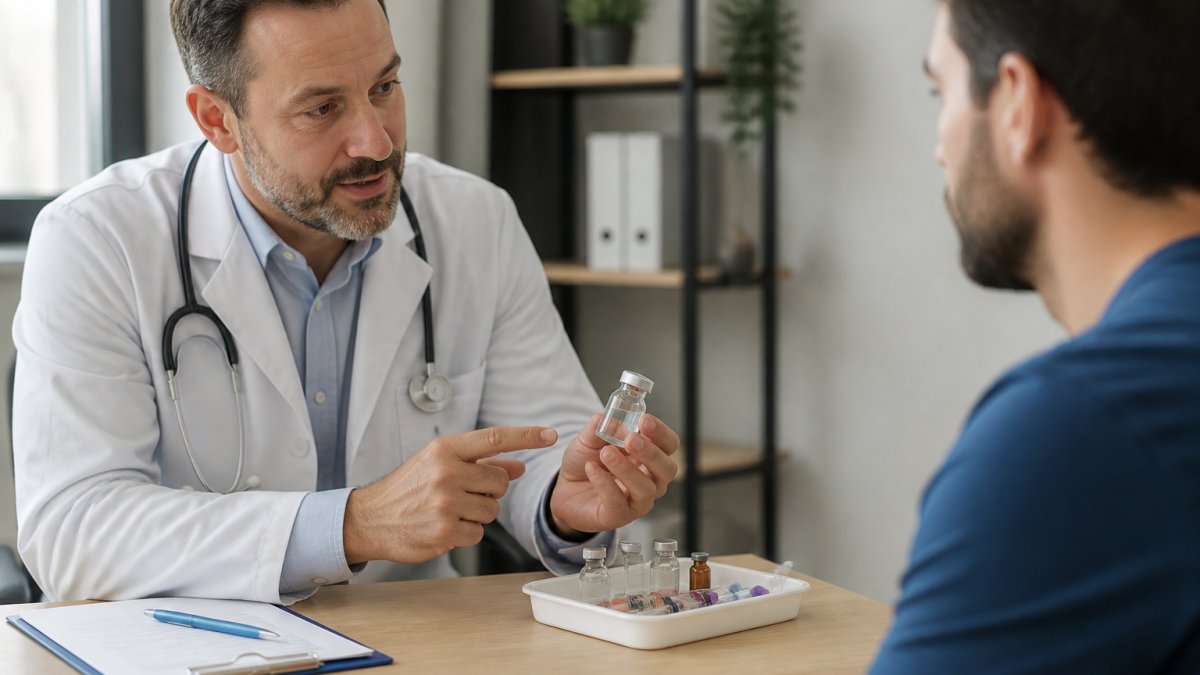
Professional evaluation helps identify the actual cause. Sometimes erectile dysfunction signals an underlying cardiovascular problem that needs treatment. Sometimes it’s medication-related and can be addressed by switching drugs. Sometimes it’s psychological stress or relationship issues. Sometimes it’s genuinely low testosterone.
At Ascend Vitality, our approach starts with understanding your specific situation. We help you determine whether low testosterone is the primary issue or whether other factors are at play. This targeted assessment prevents wasted time on approaches that won’t help your particular case.
Testing Testosterone: How and When
Most articles about natural testosterone boosters skip the step that should come first: confirming whether your testosterone is actually low. Symptoms alone are unreliable. Fatigue, low mood, reduced sex drive, and weaker erections can come from poor sleep, stress, depression, medication, vascular disease, or relationship strain, not just low testosterone. Testing gives you a baseline and tells you whether hormone-focused changes are even the right target.
When Testing Makes Sense
Testing is most useful when you have persistent symptoms and have not yet made major lifestyle changes, or when you have made consistent changes for 8-12 weeks and want to know whether they moved your numbers. It is also worth discussing if you have conditions associated with low testosterone, such as obesity, type 2 diabetes, chronic opioid use, or a history of testicular injury or infection.
Testing is less useful as a one-off response to a single bad night’s sleep or a stressful week. Testosterone fluctuates, and a single low result can be misleading.
How to Test for Accuracy
Testosterone is highest in the morning, typically between 7 and 10 AM. A morning blood draw is standard because afternoon levels can be substantially lower in healthy men. To get a reliable result:
- Test in the morning, ideally before 10 AM.
- Sleep normally the night before. A single night of severe sleep restriction can temporarily lower testosterone.
- Avoid testing during acute illness or extreme stress. These states suppress testosterone and can produce a falsely low result.
- Repeat the test if the first result is borderline or unexpected. A common approach is two morning tests on separate days, because a single snapshot can miss normal fluctuation.
- Ask what was measured. Total testosterone is the standard first test. Some clinicians also order free testosterone, SHBG (sex hormone-binding globulin), and other hormones depending on the result and your symptoms.
Your healthcare provider interprets results in context. Normal ranges vary by age and by lab, and a result that is “normal” for a 60-year-old may represent low testosterone for a 40-year-old. Symptoms and overall health matter as much as the number.
What to Discuss With Your Clinician
Bring your symptoms, how long you have had them, and any relevant history, medications, sleep problems, weight changes, stress, and prior test results. Ask directly:
- Is my testosterone low based on two morning tests?
- Could my symptoms be explained by something other than testosterone, such as a thyroid problem, depression, sleep apnea, or a medication side effect?
- Do I need other tests, such as a complete blood count, metabolic panel, or prostate-related discussion before any treatment?
- If my testosterone is low, what are the benefits and risks of treatment versus continuing lifestyle changes?
This conversation matters because erectile dysfunction and low testosterone overlap but are not the same thing. Erection problems can be vascular, medication-related, psychological, or related to chronic conditions like diabetes and heart disease. Raising testosterone may not resolve erectile dysfunction when testosterone is not low, and treating the wrong cause delays effective care.
What Not to Do
Do not start a supplement stack based on symptoms alone. Many “testosterone boosters” have weak evidence, variable quality, and potential interactions with blood pressure medications, diabetes medications, and blood thinners. Testing first tells you whether you have a problem worth treating and gives you a baseline to measure any change against.
A single low testosterone result is not a diagnosis. Repeat morning testing and a clinician’s evaluation are needed before pursuing supplements or prescription treatment.
Test in the morning, repeat borderline results, and discuss symptoms and other possible causes with a clinician before spending money on supplements. Testing first prevents wasted effort and missed diagnoses.
Putting It Together: Your Action Plan
Start with these foundational changes. They work synergistically, each one amplifies the others’ effects.
| Action | Frequency | Timeline for Results |
|---|---|---|
| Strength training | 3x per week, 45-60 min | 4-6 weeks |
| Aerobic exercise | 150 min per week | 4-6 weeks |
| Sleep optimization | 7-9 hours nightly | 1-2 weeks |
| Diet improvements | Daily | 4-8 weeks |
| Stress management | Daily | 2-4 weeks |
| Weight loss (if needed) | Consistent deficit | 8-12 weeks |
Start with 2-3 changes simultaneously rather than trying everything at once. This prevents overwhelm and lets you identify which changes produce the biggest effect for you personally.
Track progress. Note your energy, mood, muscle strength, and erectile quality. These subjective improvements often appear before testosterone tests show dramatic changes.
After 8-12 weeks of consistent effort, evaluate results:
- If you see meaningful improvement, continue these habits indefinitely
- If results are modest, add one additional strategy (like targeted supplementation or stress reduction)
- If results are minimal despite consistent effort, consider testing testosterone and exploring medical options
Consistency matters more than intensity; steady effort over months can produce better results than sporadic intense efforts.
The combination of strength training, adequate sleep, stress management, and nutrient-rich eating produces testosterone increases and erectile improvements for most men. Start with these foundational changes before considering supplements or medical treatment.
Erectile dysfunction often signals that your body needs attention. Whether the cause is low testosterone, poor cardiovascular health, stress, or sleep deprivation, addressing the root issue produces lasting improvement. At Ascend Vitality, we help you identify what’s actually driving your erectile dysfunction and create a personalized plan that works for your situation. Our team connects you with specialized care pathways and medically-supported treatment options when lifestyle changes need additional support. Professional guidance can support positive outcomes.
Frequently Asked Questions
Can low testosterone cause erectile dysfunction?
Low testosterone can contribute to erectile dysfunction, but they are not the same condition. Testosterone supports libido and sexual function, but erectile dysfunction has multiple causes including cardiovascular health, stress, medications, and psychological factors. A blood test can measure testosterone levels and help determine if low hormone levels are a factor in your specific situation. If you experience persistent erection difficulties, a qualified healthcare provider can evaluate all potential causes.
How long does it take for lifestyle changes to affect testosterone and erections?
Lifestyle changes can produce noticeable changes in hormone levels and sexual function. Consistency matters more than speed, maintaining these habits over months can produce better results than short-term efforts. Individual variation is significant, so tracking your own progress is more useful than comparing timelines.
Which foods support healthy testosterone levels?
Foods rich in zinc, magnesium, and vitamin D support testosterone production. Include oysters, beef, pumpkin seeds, spinach, almonds, and fatty fish like salmon. Berries, watermelon, and other fruits containing flavonoids may improve blood flow and sexual function. Protein from eggs, poultry, and legumes supports muscle maintenance, which is linked to healthy hormone levels. Avoid excessive alcohol and processed foods, which can lower testosterone.
What makes Ascend Vitality different for erectile dysfunction treatment?
Ascend Vitality provides discreet online consultations with qualified doctors who can evaluate your specific situation, order blood tests to check hormone levels, and prescribe treatments delivered directly to you. Unlike generic approaches, their care pathways are tailored to your health history and other medications. Packaging is designed for privacy, and consultations are confidential. Visit Ascend Vitality’s website to discuss your symptoms and treatment options with a healthcare provider.