

Last Updated: June 2, 2026
Knowing how to find a longevity clinic has become one of the most searched questions in preventive medicine, and for good reason: the field has expanded rapidly, and the quality gap between evidence-based programs and overhyped wellness spas is enormous. This guide from Ascend Vitality breaks down exactly what to look for, what questions to ask, and how to avoid the clinics that will waste your time and money. Below, we cover every step from initial research to your first appointment, including a due diligence checklist most guides skip entirely.
Here’s what most people get wrong: they assume any clinic with “longevity” in its name offers physician-led, evidence-based medicine. Many do not.
What You Need Before You Start Looking for a Longevity Clinic
Before you search for a longevity clinic, you need to understand what you’re actually buying. The longevity medicine market includes everything from rigorous, multi-system diagnostic programs to glorified IV drip lounges charging premium prices for minimal clinical value. Knowing the difference before you start looking saves you thousands of dollars and months of misdirected effort.
Understand the Difference: Longevity Clinic vs. Wellness Spa
A longevity clinic is a physician-led medical facility that uses advanced diagnostics, evidence-based protocols, and personalized treatment plans to extend healthspan and reduce biological age. A wellness spa is a consumer-facing business that may offer some health services but operates primarily outside the framework of clinical medicine.
The distinction matters because regulatory oversight, physician involvement, and diagnostic rigor differ dramatically between the two. A legitimate longevity clinic will order bloodwork, interpret biomarkers, and build a longevity roadmap based on your specific physiology. A wellness spa will sell you a package.
Concrete signals that you’re looking at a wellness spa masquerading as a clinic:
- No physician listed on staff (only “wellness coaches” or “health practitioners”)
- No mention of lab diagnostics or comprehensive health assessment
- Services priced as packages rather than individualized programs
- Heavy emphasis on aesthetics over metabolic health or cardiovascular health
Biological Age vs. Chronological Age: Why It Matters
Biological age is a measure of how old your cells and organ systems function relative to the population average, assessed through biomarkers, epigenetic testing, and physiological performance metrics. Chronological age is simply how many years you have been alive.
This distinction is the foundation of longevity medicine. Two people who are both 45 years old chronologically can have biological ages of 38 and 57, respectively, depending on genetics, lifestyle, metabolic health, and cellular senescence. The goal of a longevity program is to reduce the gap between your chronological and biological age, or at minimum slow the rate at which biological age advances.
Clinics that do not measure biological age in some form are not practicing longevity medicine. They are practicing general wellness.
Step 1: Know What Longevity Clinic Services to Look For
The services a clinic offers are the fastest signal of whether it operates at a clinical or consumer level, but only if you know what you are actually evaluating. The longevity medicine market has a specific problem: standard medical tests are routinely rebranded as ‘advanced longevity diagnostics’ and priced at a significant premium. Knowing the difference between genuinely advanced diagnostics and repackaged standard care is the consumer-advocacy skill this section is designed to give you.
The Two-Pillar Framework: Diagnostics and Intervention
Every credible longevity program is built on two pillars: diagnostics and intervention. A clinic strong on diagnostics but weak on individualized intervention is a sophisticated testing service, not a longevity program. A clinic strong on intervention but weak on diagnostics is guessing at your biology. Both pillars must be present and connected, meaning your treatment protocols must be directly derived from your diagnostic results, not offered as a standard menu.
Core Diagnostic Services: What ‘Advanced’ Actually Means
According to American College of Preventive Medicine’s clinical guidelines, comprehensive preventive medicine assessments should evaluate cardiovascular, metabolic, hormonal, and neurological systems simultaneously. Most longevity clinics claim to do this. The meaningful question is at what level of resolution.
Here is a concrete breakdown of what separates genuinely advanced diagnostics from standard care with a longevity label:
Cardiovascular Assessment
- Standard care rebranded: A basic lipid panel (total cholesterol, LDL, HDL, triglycerides) is a routine test covered by most insurance plans. Calling it a ‘cardiovascular longevity panel’ does not make it advanced.
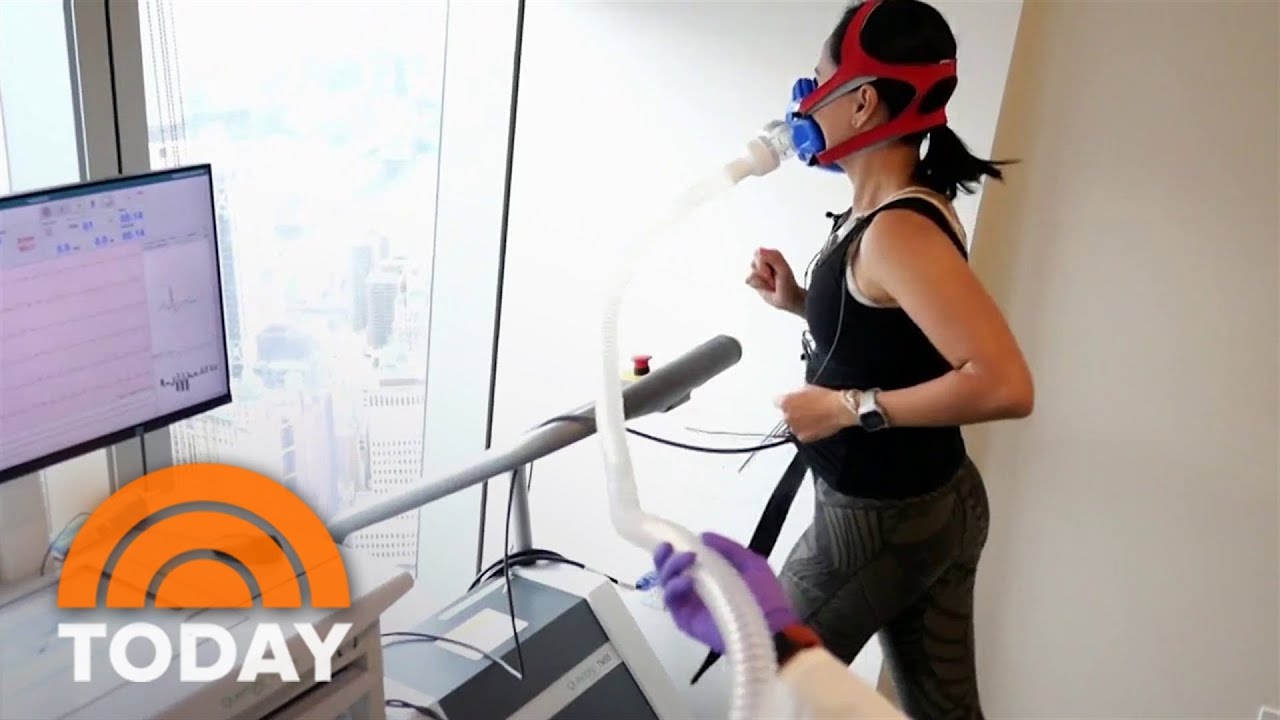
- Genuinely advanced: Advanced lipid subfractionation (measuring LDL particle number and size, Lp(a), ApoB, and ApoA1) provides meaningfully more predictive information about cardiovascular risk than a standard lipid panel. VO2 max testing, a direct measure of cardiorespiratory fitness and one of the strongest predictors of all-cause mortality in the research literature, requires specialized equipment and is a meaningful differentiator. Arterial stiffness measurement (pulse wave velocity) assesses vascular aging independently of cholesterol levels.
Metabolic Assessment
- Standard care rebranded: A basic metabolic panel and HbA1c are routine. Fasting glucose alone is a late-stage marker of metabolic dysfunction.
- Genuinely advanced: Fasting insulin alongside glucose allows calculation of HOMA-IR, a sensitive early marker of insulin resistance that can be elevated for years before HbA1c moves. Continuous glucose monitoring (CGM), even for a two-week diagnostic period, reveals postprandial glucose patterns that fasting labs cannot capture. Uric acid, which is increasingly recognized as a marker of metabolic and cardiovascular risk, should be included in a rigorous metabolic panel.
Biological Age Assessment
- Standard care rebranded: Telomere length testing has been commercially available for years and has significant measurement variability that limits its clinical utility as a standalone biological age marker.
- Genuinely advanced: Epigenetic clocks based on DNA methylation patterns, including well-validated algorithms developed from large longitudinal datasets, represent the current scientific standard for biological age estimation. These clocks measure how gene expression patterns have shifted relative to chronological age across multiple tissue types. A clinic offering epigenetic clock testing is operating closer to the research frontier than one offering telomere length alone. Ask specifically which epigenetic clock methodology the clinic uses and whether it has been validated in peer-reviewed literature.
Hormonal Assessment
- Standard care rebranded: A basic thyroid panel (TSH only) and total testosterone are routine tests. Many clinics present these as comprehensive hormonal assessments.
- Genuinely advanced: A rigorous hormonal panel includes free and total testosterone, SHBG (sex hormone-binding globulin, which determines bioavailability), estradiol, DHEA-S, free T3 and free T4 (not just TSH), cortisol with attention to diurnal pattern, IGF-1 as a proxy for growth hormone axis function, and in women, a full reproductive hormone panel appropriate to menopausal status. The clinical significance of each marker should be explained in the context of your other results, not interpreted in isolation.
Cognitive and Neurological Screening
- Standard care rebranded: A brief cognitive screening questionnaire is not a neurological assessment.
- Genuinely advanced: Computerized cognitive testing that establishes a baseline across multiple domains (processing speed, working memory, executive function) allows meaningful tracking of cognitive trajectory over time. Some programs include APOE genotyping for Alzheimer’s risk stratification, though this requires careful pre-test counseling given the psychological weight of the result.
Ask specifically whether the clinic uses epigenetic clocks or DNA methylation testing to calculate biological age, and ask which validated algorithm they use. This is a meaningful differentiator between clinics doing genuine longevity science and those using the label loosely. A clinic that cannot name the methodology is likely using a less validated approach.
Treatment and Intervention Programs: Individualization Is the Standard
Diagnostics without intervention are expensive information. The intervention side of a longevity program should be as individualized as the diagnostic phase, and the connection between the two should be explicit and documented.
Common evidence-based interventions in physician-led longevity programs include:
- Hormone optimization: Testosterone replacement therapy, thyroid optimization, DHEA supplementation, and in some programs, growth hormone secretagogues, all dosed and monitored based on your specific lab results and symptom profile
- Peptide therapy: A category that ranges from well-studied compounds to experimental ones; the distinction matters and is covered in detail in the vetting checklist section below
- Metabolic intervention: Structured nutrition protocols, continuous glucose monitoring-guided dietary adjustment, and in some programs, pharmacological support for insulin sensitivity
- Cardiovascular optimization: Exercise prescription based on VO2 max testing, targeted cardiovascular training zones, and in some cases, pharmacological lipid management
- Lifestyle and behavioral protocols: Sleep optimization, stress physiology management, and structured exercise programming, which the research literature consistently identifies as the highest-leverage longevity interventions available
What separates a rigorous clinic from a trend-chasing one is whether interventions are explicitly tied to your diagnostic results and documented in a written protocol. A clinic that offers the same peptide therapy stack to every patient regardless of their biomarker profile is not practicing personalized medicine, it is practicing menu-driven wellness with a clinical veneer.
Be cautious of clinics that lead with novel or experimental interventions, plasma exchange, exosome therapy, senolytic protocols, before establishing a comprehensive diagnostic baseline. The sequence matters: diagnostics should drive intervention, not the other way around. A clinic that is eager to start you on an advanced treatment before it understands your baseline physiology is prioritizing revenue over clinical rigor.
The Minimum Viable Diagnostic Standard
If a clinic’s baseline assessment does not cover at minimum five of the following seven domains, it is not offering a comprehensive longevity program regardless of how it is marketed:
- Advanced cardiovascular markers (beyond a basic lipid panel)
- Metabolic health including insulin sensitivity markers
- Comprehensive hormonal panel appropriate to your age and sex
- Biological age assessment (epigenetic or validated multi-marker)
- Body composition beyond BMI (DEXA or equivalent)
- Inflammatory and immune markers
- Cognitive or neurological baseline
This is not an arbitrary standard, it reflects the multi-system nature of biological aging. Aging does not occur in one organ system, and a diagnostic program that evaluates only two or three systems is not equipped to build a complete longevity roadmap.
Step 2: How to Find a Longevity Clinic That Is Legitimate
The single most reliable filter when evaluating how to find a longevity clinic is physician leadership. Physician-led programs operate under medical licensing requirements, carry malpractice liability, and are held to clinical standards of care. This is not a minor administrative distinction.

Physician-Led vs. Wellness-Led: A Critical Distinction
Physician-led longevity programs are structured around licensed medical doctors (typically with specializations in internal medicine, endocrinology, or functional medicine) who personally interpret diagnostic results and supervise treatment protocols. Wellness-led programs are structured around coaches, nutritionists, or naturopaths who may have genuine expertise but operate outside the scope of clinical medicine.
This matters most when you are considering interventions like hormone optimization, plasma exchange, or peptide therapy. These are medical treatments. They require physician oversight, proper dosing protocols, and monitoring for adverse effects. A wellness-led program legally cannot and should not administer them.
Regulatory and Safety Standards to Verify
Regulatory compliance is the unglamorous part of clinic vetting that most guides skip. According to Federation of State Medical Boards licensing standards, any clinic offering prescription medications or invasive diagnostic procedures must operate under state medical licensing requirements.
Before committing to a program, verify:
- The clinic holds a valid state medical license (searchable through your state’s medical board)
- Prescribing physicians are board-certified and in good standing (check the relevant specialty board)
- Laboratory testing is performed through CLIA-certified labs
- Any compounded medications are sourced from FDA-registered compounding pharmacies
- The clinic carries appropriate malpractice insurance
If a clinic cannot or will not provide documentation of its medical licensing upon request, treat that as a disqualifying signal. Legitimate clinical operations have nothing to hide about their regulatory standing.
Step 3: Use This Vetting and Due Diligence Checklist
Most people searching for how to find a longevity clinic skip structured vetting entirely. They read a few reviews, look at the website, and book a consultation. That approach is how you end up in a program that delivers expensive diagnostics and generic recommendations.
Use this checklist before booking any consultation:
Physician and Clinical Credentials
- At least one licensed MD or DO leads the clinical program
- Physicians are board-certified in a relevant specialty
- Physician credentials are verifiable through state medical board
- Clinical staff credentials are disclosed on the website
Diagnostic Rigor
- Clinic offers comprehensive health assessment covering 5+ body systems
- Biological age measurement is part of the baseline assessment
- Lab work is processed through CLIA-certified laboratories
- Genetic or epigenetic testing is available (not required, but a positive signal)
Treatment and Protocol Standards
- Treatment plans are individualized, not packaged
- Interventions are tied to your specific biomarker results
- Clinic has a clear protocol for monitoring and adjusting treatments
- Evidence-based protocols are referenced, not just testimonials
Transparency and Safety
- Pricing is disclosed before you commit to a program
- Clinic explains what is and is not covered by insurance
- Compounded medications sourced from FDA-registered pharmacies
- Clear process for handling adverse effects or concerns
Ongoing Support
- Follow-up appointments are built into the program structure
- Telemedicine options are available between in-person visits
- Your data and results are accessible to you, not locked in the clinic’s system
Questions to Ask a Longevity Doctor Before You Commit
Asking the right questions to ask a longevity doctor before committing is how you separate genuine clinical expertise from polished sales presentations. A physician who cannot answer these questions clearly is a physician you should not trust with your biology.
Go into your initial consultation with these prepared:
- What specific biomarkers do you use to measure biological age, and how do you track changes over time?
- Who interprets my diagnostic results, and what is their clinical background?
- How do you individualize treatment protocols based on my specific results?
- What is your protocol if I experience an adverse reaction to a prescribed intervention?
- Are your compounded medications sourced from FDA-registered pharmacies?
- What does ongoing monitoring look like, and how frequently will we reassess my biomarkers?
- What outcomes have your patients typically seen, and over what timeframe?
- How do you integrate lifestyle intervention with medical treatments?
- What is your position on experimental vs. evidence-based longevity therapies?
- Can you provide documentation of your clinic’s medical licensing and lab certifications?

A physician who welcomes these questions is a physician operating with confidence in their clinical standards. Evasive or defensive responses to basic transparency questions are a meaningful red flag.
The quality of a longevity clinic’s answers to your vetting questions is itself a diagnostic tool. Clinics with rigorous standards welcome scrutiny. Those without rigorous standards deflect it.
Understanding the Cost of Longevity Treatments and Insurance
The cost of longevity treatments is the topic the industry least wants to discuss openly, and it is the topic prospective patients most need answered before they can make an informed decision. Most clinic websites either omit pricing entirely or list a low-entry consultation fee that obscures the true program cost. This section gives you the realistic cost architecture of a longevity program and a practical framework for navigating insurance, neither of which you will find on a clinic’s own marketing page.
The Realistic Cost Architecture of a Longevity Program
Longevity clinic pricing typically follows a three-layer structure. Understanding each layer prevents sticker shock and helps you compare programs on an apples-to-apples basis.
Layer 1, The Comprehensive Baseline Assessment
This is the diagnostic foundation: advanced bloodwork, cardiovascular testing, body composition analysis, hormonal panels, and in many programs, epigenetic or biological age testing. This is almost always the single largest upfront cost. Depending on the breadth of testing and the clinic’s market positioning, comprehensive baseline assessments at physician-led longevity clinics generally range from several hundred dollars for a focused panel to several thousand dollars for a full multi-system workup that includes epigenetic clocks, advanced lipid subfractions, and imaging. Clinics that charge at the lower end of this range are typically offering a narrower diagnostic scope, not necessarily a better value.
Layer 2, Ongoing Treatment Protocols
Once your baseline is established, treatment costs recur on a monthly or per-cycle basis. Common recurring costs include:
- Hormone optimization protocols (testosterone, thyroid, DHEA, or peptide-based programs), typically billed monthly
- Compounded medications, which are priced per prescription fill and vary significantly based on the compound, dosage, and pharmacy
- Telemedicine physician consultations between in-person visits, which may be bundled into a program fee or billed per session
- Supplements recommended as part of your protocol, which are often sold through the clinic at a markup
A meaningful question to ask any clinic: what is the all-in monthly cost once I am in active treatment, including medications, supplements, and consultations? Clinics that cannot or will not answer this question before enrollment are using pricing opacity as a sales tactic.
Layer 3, Reassessment and Monitoring
Longevity medicine requires periodic biomarker retesting to measure whether interventions are working and to adjust protocols accordingly. Most rigorous programs retest key biomarkers every three to six months. These reassessment costs are frequently underemphasized during the sales process and can add meaningfully to annual program costs. Ask specifically: how often will I be retested, what does each reassessment include, and what does it cost?
What Insurance Covers, and What It Almost Never Does
As documented in Kaiser Family Foundation analysis of preventive health spending, most comprehensive preventive medicine programs fall outside standard insurance coverage because they are classified as elective rather than medically necessary. That said, the picture is more nuanced than a blanket ‘insurance doesn’t cover longevity medicine.’
What insurance sometimes covers:
- Standard bloodwork ordered by a licensed physician and coded to a recognized diagnostic code (ICD-10) may be partially or fully covered under your plan’s preventive care benefit
- Cardiovascular screening tests, including lipid panels and certain imaging, may be covered if ordered in the context of a documented clinical indication
- Hormonal testing (thyroid, testosterone, estradiol) is often covered when ordered to evaluate a symptomatic condition rather than as a wellness screen
- Physician office visits may be billable to insurance if the clinic is in-network and the visit is coded as a medical consultation rather than a wellness visit
What insurance almost never covers:
- Epigenetic testing and biological age assessments are not recognized as medically necessary by major payers and are virtually always out-of-pocket
- Peptide therapy is not FDA-approved for longevity indications and is therefore not reimbursable through standard insurance
- Hormone optimization prescribed for optimization rather than a diagnosed deficiency is typically denied as not medically necessary
- Regenerative therapies including NAD+ infusions, exosome treatments, and most IV nutrient protocols are classified as elective and excluded from coverage
- Compounded medications are not covered by most insurance plans, even when the underlying hormone or compound would be covered in its FDA-approved form
Practical insurance navigation steps:
- Before your first appointment, ask the clinic’s billing coordinator which specific services they submit to insurance and under what diagnostic codes.
- Request a superbill, an itemized receipt with CPT and ICD-10 codes, after each visit. Even if the clinic does not bill insurance directly, you may be able to submit for partial reimbursement through an out-of-network benefit or a Health Savings Account (HSA).
- Confirm with your insurance plan whether your HSA or Flexible Spending Account (FSA) can be used for longevity clinic services. Many diagnostic and physician-supervised treatment costs qualify as HSA-eligible medical expenses even when insurance does not reimburse them directly.
- If you have a high-deductible health plan with an HSA, longevity clinic costs paid through the HSA are effectively discounted by your marginal tax rate, a meaningful consideration for programs with significant annual costs.
The Honest Framing on Value
Longevity medicine is a long time-horizon investment, and the clinics most worth your money are transparent about that framing. Programs promising dramatic biological age reversal in 90 days are overpromising. The interventions with the strongest evidence base, cardiovascular optimization, metabolic health management, hormonal balance, sleep quality, produce measurable results over months and years, not weeks.
The practical benchmark: a rigorous, physician-led longevity program with comprehensive diagnostics, individualized treatment, and quarterly monitoring represents a meaningful annual financial commitment for most people. Clinics that are transparent about the full cost before enrollment, explain exactly what insurance may and may not cover, and provide itemized pricing for each program component are demonstrating the same standard of transparency you should expect from their clinical protocols.
Be cautious of clinics that present a low initial consultation fee prominently but reveal the full program cost only after you have completed intake paperwork and an initial assessment. This sequencing is a deliberate sales tactic that exploits sunk-cost psychology. Always request full program pricing in writing before your first paid appointment.
Ask any clinic you are evaluating: ‘Can you provide a written cost estimate for the first 12 months of a typical program, including diagnostics, treatment, medications, and follow-up?’ A clinic that can answer this question clearly is a clinic that respects your ability to make an informed financial decision.
Step 4: How to Find a Longevity Clinic That Fits Your Goals
Goal alignment is the final filter in how to find a longevity clinic that will actually serve you. A clinic optimized for executive health and disease prevention operates differently from one focused on athletic performance optimization or hormone optimization for midlife adults. Neither is wrong. But misalignment between your goals and the clinic’s specialty is a common source of dissatisfaction.
In-Person Clinics vs. Telemedicine Longevity Programs
The choice between in-person and telemedicine longevity programs comes down to the complexity of your diagnostic needs and the interventions you’re pursuing.
In-person clinics are necessary when your program includes physical diagnostics that cannot be done remotely: VO2 max testing, arterial stiffness measurement, body composition scanning, or any procedure requiring a clinical environment. They also provide the physician-patient dynamic that many people find essential for a program of this nature.
Telemedicine longevity programs have expanded significantly and can deliver genuine clinical value for patients whose primary needs are biomarker monitoring, hormone optimization, and lifestyle intervention. At Ascend Vitality, medically-supported programs are delivered directly to patients with physician oversight, making ongoing care accessible without requiring in-person visits for every touchpoint.
The practical recommendation: start with an in-person comprehensive health assessment if at all possible, then use telemedicine for ongoing monitoring and treatment management. This hybrid approach captures the diagnostic rigor of in-person care with the convenience of remote access.
Common Mistakes to Avoid When Choosing a Longevity Clinic
Most mistakes people make when searching for a longevity clinic fall into predictable patterns. Knowing them in advance is the fastest way to avoid them.
Choosing based on aesthetics over credentials. A beautiful facility with premium branding signals marketing investment, not clinical excellence. The most rigorous longevity programs are sometimes the least visually impressive.
Skipping the physician verification step. It takes five minutes to look up a physician’s license status and board certification. Most people never do it. This is the highest-use vetting step available to you.
Conflating anti-aging science with evidence-based medicine. The longevity space includes a spectrum from well-validated clinical interventions to experimental therapies with minimal human trial data. Know which category each treatment falls into before agreeing to it.
Ignoring the follow-up structure. A clinic that delivers a comprehensive health assessment and then leaves you to implement recommendations independently is not a longevity program. It’s a diagnostic service. Real longevity medicine requires ongoing monitoring, protocol adjustment, and physician engagement.
Prioritizing novelty over fundamentals. Plasma exchange and cellular senescence therapies generate headlines. Cardiovascular health optimization, metabolic health management, and sleep quality improvement generate results. The most effective longevity programs address both, but they never neglect the fundamentals in favor of experimental interventions.
According to National Institutes of Health overview of preventive medicine and aging research, the interventions with the strongest evidence base for extending healthspan remain lifestyle-based: exercise, nutrition, sleep, and stress management. Physician-led longevity clinics integrate these fundamentals with advanced diagnostics and targeted medical interventions. Clinics that skip the fundamentals in favor of modern treatments are prioritizing novelty over evidence.
A common mistake is also treating the initial consultation as a commitment. Most legitimate longevity clinics offer a discovery call or initial consultation before you enroll in a full program. Use that conversation to run through your vetting checklist. If the clinic resists your questions or rushes you toward enrollment, walk away.
Finding a longevity clinic that delivers genuine clinical value requires more scrutiny than most people apply. The market is crowded with programs that use the language of longevity medicine without the physician oversight, diagnostic rigor, or personalized protocols that define it. For those who want medically-supported care with direct access to targeted programs for hormones, metabolic health, and overall vitality, Ascend Vitality connects patients with specialized care pathways and delivers physician-supported programs directly, including discreet solutions for men’s health and targeted care for women’s wellness needs. Get started with Ascend Vitality and access the kind of evidence-based, physician-led care that longevity medicine is supposed to deliver.
Frequently Asked Questions
What services do longevity clinics typically offer?
Longevity clinics typically offer comprehensive health assessments, advanced diagnostics such as biomarker panels and genetic testing, cardiovascular and metabolic health evaluations, hormone optimization, and personalized treatment plans. Many also provide lifestyle intervention programs, peptide therapy, and regenerative therapy. The best clinics use physician-led, evidence-based protocols designed to extend healthspan by identifying and addressing age-related diseases before symptoms appear.
Are longevity clinic treatments covered by insurance?
Most longevity clinic services are not covered by standard health insurance because they focus on preventive medicine and optimization rather than treating diagnosed conditions. Some individual components, like blood panels or cardiovascular screenings, may qualify for partial reimbursement. Patients often pay out of pocket or use HSA/FSA funds. Always ask the clinic for a full cost breakdown and confirm which, if any, services can be submitted to insurance before enrolling.
How do I know if a longevity clinic is legitimate?
A legitimate longevity clinic should be physician-led, with licensed medical doctors overseeing all protocols. Look for board-certified physicians in internal medicine, preventive medicine, or a related specialty. The clinic should follow evidence-based protocols, disclose its diagnostic methods, and be transparent about costs. Avoid clinics that make sweeping anti-aging claims without clinical backing, pressure you into expensive packages upfront, or cannot clearly explain the science behind their treatments.
What questions should I ask a longevity doctor at my first visit?
When meeting a longevity doctor, ask about their credentials and specialty training, which biomarkers they test and why, how they measure biological age versus chronological age, and what their approach to personalized medicine looks like. Also ask how they track progress over time, what lifestyle interventions are included, whether telemedicine follow-ups are available, and for a transparent breakdown of the cost of longevity treatments before you commit to a program.
What is the difference between a longevity clinic and a wellness spa?
A longevity clinic is a medically supervised facility focused on advanced diagnostics, disease prevention, and evidence-based interventions to extend healthspan and lifespan. A wellness spa primarily offers relaxation services like massage, facials, or general nutrition advice. Longevity clinics employ licensed physicians who interpret biomarker data and create personalized treatment plans, while wellness spas typically do not provide medical oversight, diagnostics, or clinical-grade therapies.
How much does a typical longevity program cost?
The cost of longevity treatments varies widely depending on the scope of services. Entry-level programs with basic biomarker testing and a consultation may start in the hundreds of dollars, while comprehensive annual programs with multi-system analysis, advanced diagnostics, and ongoing physician-led management can range into the thousands. Telemedicine-based longevity programs tend to be more affordable than in-person executive health models. Always request itemized pricing before committing to any program.