
Last Updated: August 27, 2026
What Low Libido Means and Why Online Care Matters
Low libido, a persistent lack of sexual desire, affects millions of men and often signals an underlying health issue worth investigating. It ranges from occasional disinterest to complete loss of sexual motivation, stemming from physical causes like hormonal imbalance or medication side effects, or psychological factors including stress and relationship strain.
Low libido differs from erectile dysfunction: ED affects physical performance ability, while low libido addresses desire itself. You might have normal erections but feel no urge to engage sexually. This distinction matters because treatment pathways differ accordingly.
Online care has transformed how men access help. Instead of waiting weeks for a specialist appointment, you can connect with providers through telehealth platforms that understand men’s sexual health. These platforms combine initial consultations, lab testing, prescription delivery, and ongoing support, all from home. Ascend Vitality offers specialized care pathways designed specifically for men navigating hormonal health and sexual wellness, recognizing that convenience and discretion matter when seeking sensitive treatments.
Online platforms often provide more targeted expertise than a general practitioner. A urologist or endocrinologist working through telehealth has structured protocols for diagnosing and treating low libido, whereas your family doctor may spend minimal time on the issue.
Causes of Low Libido in Men: Physical and Psychological Factors
Understanding what’s driving your low libido is the first step toward effective treatment. Causes split into distinct categories: hormonal imbalance, medication side effects, lifestyle factors, and psychological issues. Many men experience multiple causes simultaneously, which is why comprehensive evaluation matters.
Hormonal Imbalance and Hypogonadism
Testosterone is the primary driver of male sexual desire. When testosterone levels drop below normal ranges, a condition called hypogonadism, libido typically declines along with energy, mood, and muscle mass.
Hypogonadism can develop from testicular dysfunction, pituitary problems, or age-related decline. Men over 40 experience a gradual testosterone decline of roughly 1% per year, though some see steeper drops due to metabolic issues, obesity, or endocrine disorders (peer-reviewed research). Many men don’t realize testosterone is the culprit until they get lab work done through an online consultation.
An online care pathway begins with blood testing to measure testosterone and related hormones like luteinizing hormone and follicle-stimulating hormone. These tests reveal whether hypogonadism is primary (testicular issue) or secondary (pituitary/brain issue), determining treatment strategy.
Medication Side Effects and Other Medical Factors
Certain medications commonly cause low libido as a side effect. Antidepressants, particularly SSRIs, frequently reduce sexual desire and can impair erectile function. Blood pressure medications, antipsychotics, and some antihistamines also suppress libido. If you started a new medication around the time your libido declined, that connection is worth exploring.
Other medical conditions contribute to low libido independent of medication. Cardiovascular disease reduces blood flow needed for arousal. Diabetes damages nerves and blood vessels involved in sexual response. Sleep apnea disrupts hormone production. Thyroid disorders, metabolic syndrome, and chronic pain all impact sexual desire.
Online care providers can review your complete medication list and medical history during a telehealth consultation, then order appropriate testing to identify contributing factors. Many platforms ask detailed questions about medications and conditions upfront, saving time during the actual consultation.
Stress, Sleep, and Lifestyle Factors
Chronic stress elevates cortisol, which suppresses testosterone production and diverts energy away from sexual function. Men under intense work pressure, financial strain, or relationship conflict frequently experience libido loss.
Sleep deprivation compounds the problem. Testosterone production peaks during deep sleep. Men sleeping fewer than 6 hours nightly typically show measurably lower testosterone levels (peer-reviewed research). Poor sleep also increases cortisol, creating a double hit against sexual desire.
Lifestyle factors like sedentary behavior, poor nutrition, excessive alcohol consumption, and obesity all correlate with low libido. Obesity specifically drives down testosterone because excess fat tissue converts testosterone to estrogen. A man with a BMI over 30 is statistically more likely to experience hypogonadism than a man at a healthy weight (peer-reviewed research).
Online care providers often recommend lifestyle modifications as first-line or complementary treatment. You won’t get better results from hormone therapy if you’re sleeping 5 hours nightly and stressed constantly.
How to Navigate an Online Consultation for Erectile Dysfunction and Low Libido
Starting an online consultation for low libido requires preparation. The more information you provide upfront, the more targeted your evaluation becomes.
What to Expect During Your First Telehealth Visit
Your first telehealth visit typically begins with a detailed intake questionnaire covering the onset of low libido, how it affects your relationship and quality of life, your sexual history, and any recent life changes. The provider will ask about erections, ejaculation, and whether the issue is constant or situational.

During the video consultation, expect a clinical conversation that isn’t rushed. The provider will discuss your symptoms, review your medical and medication history, and ask about lifestyle factors, stress levels, sleep quality, and exercise habits. Quality telehealth providers spend 20-30 minutes on the initial consultation.
The provider will typically recommend lab work at this stage. You’ll either visit a local lab for blood draws or use an at-home testing kit. Blood work measures testosterone, free testosterone, estradiol, prolactin, and thyroid function.
Preparing Your Medical History and Symptoms
Before your consultation, compile your medical history in writing. Include all current medications with dosages, any surgeries or significant health events, family history of heart disease or diabetes, and your current exercise routine. Note when your libido declined and whether it was gradual or sudden.
Write down specific symptoms. Are you experiencing low desire but normal erections? Are both desire and erectile function affected? Do you have morning erections? How long has this been happening? These details help the provider narrow down causes quickly.
Document your lifestyle: typical sleep duration, stress level, alcohol consumption, smoking status, and weight. If you’ve tried anything to address low libido, note what you tried and for how long.
Many online platforms allow you to upload documents or fill out detailed questionnaires before your appointment. Use this feature, it often means your actual video consultation focuses on clinical decisions rather than data collection.
Top Online Care Pathways for Low Libido Treatment
Ascend Vitality: Specialized Care Pathways and Hormone Optimization
Ascend Vitality connects you with specialized care pathways providing targeted online care for hormonal health and men’s vitality concerns. The platform focuses on medically-supported programs with prescriptions delivered directly to you, emphasizing discretion and personalized treatment.
What sets Ascend Vitality apart is the emphasis on specialized care pathways rather than generic telehealth. The platform recognizes that low libido often requires integrated treatment addressing multiple factors simultaneously: hormonal optimization, medication review, lifestyle modifications, and sometimes counseling. Their approach centers on connecting you with providers who understand the nuances of men’s sexual health.
The platform handles logistics that matter: discreet packaging, convenient prescription delivery, and follow-up support to track treatment progress.
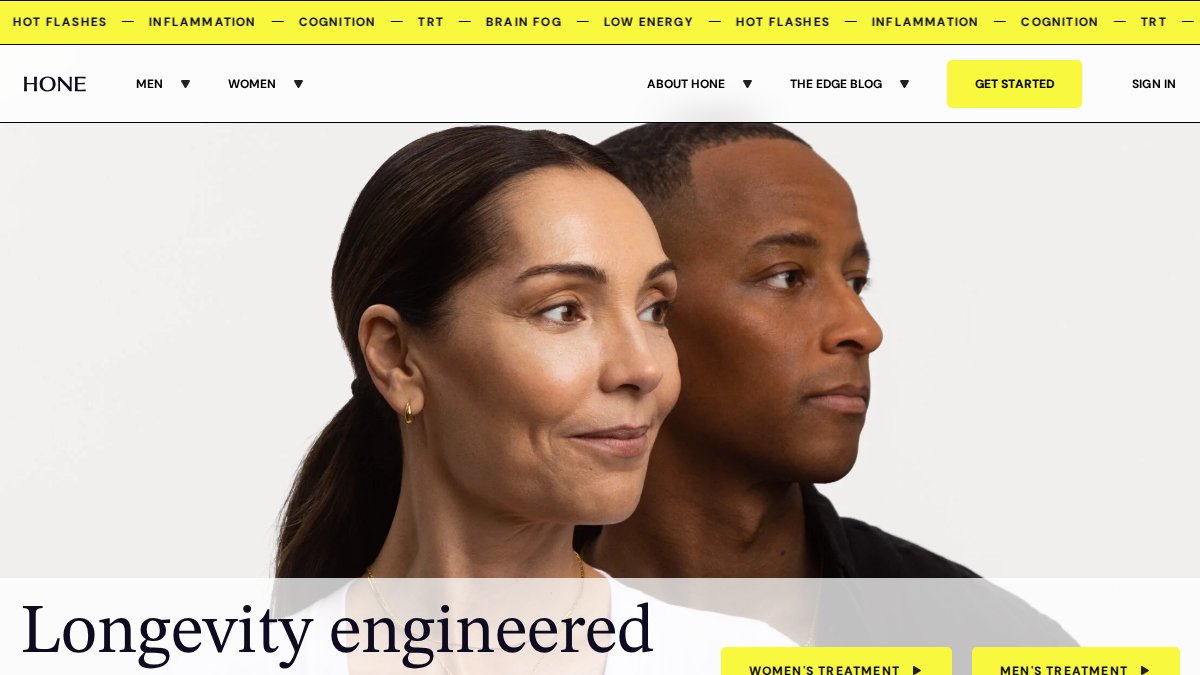
Hone Health: Comprehensive Lab Testing and Personalized TRT Plans
Hone Health emphasizes comprehensive lab testing as the foundation of treatment. Their initial evaluation includes extensive bloodwork measuring testosterone, free testosterone, estradiol, prolactin, thyroid hormones, and metabolic markers. This lab-first approach appeals to men who want to understand exactly what’s driving their symptoms before starting treatment.
Hone Health offers multiple testosterone replacement therapy delivery methods: injections, creams, and dissolvable troches. They also provide medications for erectile dysfunction like tadalafil and sildenafil, plus PT-141, a peptide that directly stimulates sexual desire through a different mechanism than testosterone.
Vault Health: Medically Supervised At-Home Care with Biomarker Testing
Vault Health positions itself around medically supervised at-home care addressing root causes of low libido. Their “Libido Kit” includes multiple medications: bremelanotide nasal spray (which stimulates melanocortin receptors involved in sexual desire), tadalafil for erectile support, and sometimes oxytocin for relationship intimacy.
The platform uses biomarker testing to individualize recommendations, meaning your treatment plan reflects your specific lab results rather than a one-size-fits-all protocol.

Rex MD: Fast-Access ED Medications and Testosterone Replacement
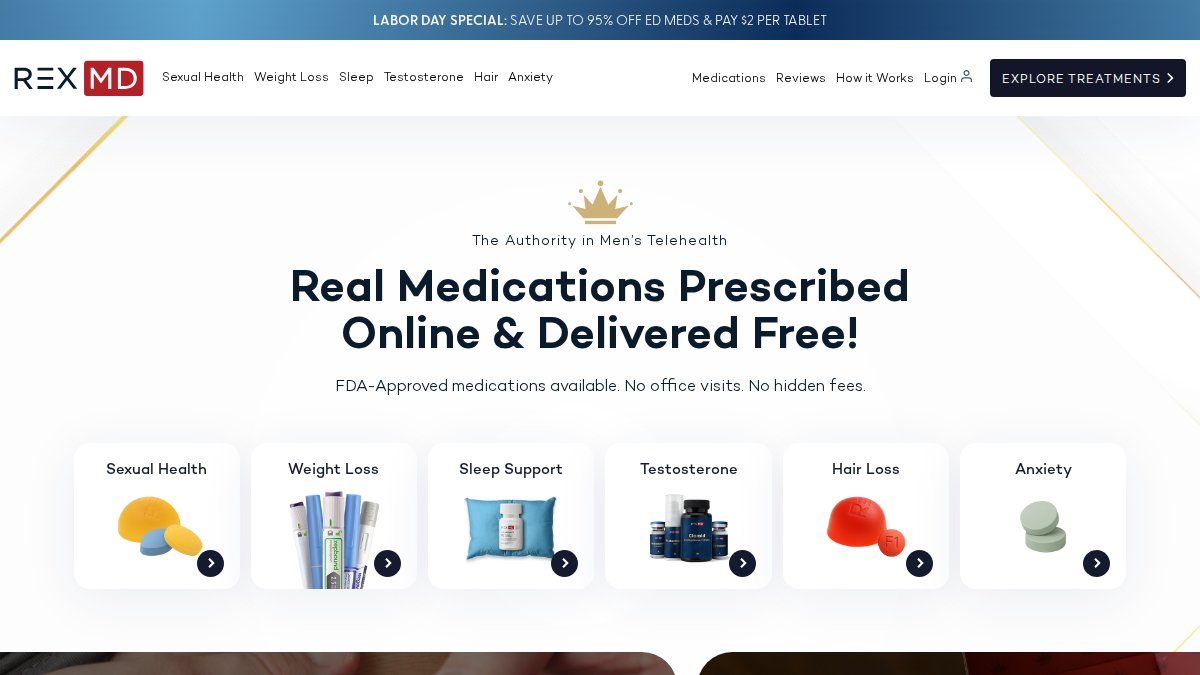
Rex MD prioritizes speed and accessibility. The platform offers virtual on-demand access to licensed physicians in all 50 states, with prescriptions available immediately after consultation. They provide generic ED medications at competitive pricing, plus testosterone replacement therapy for men with confirmed low testosterone.
What works: Rex MD’s straightforward approach suits men who’ve already identified low libido as their primary concern and want quick access to medications. What doesn’t: The platform focuses primarily on medications rather than comprehensive evaluation of underlying causes.
BlueChew: Chewable ED Medications with Discreet Delivery
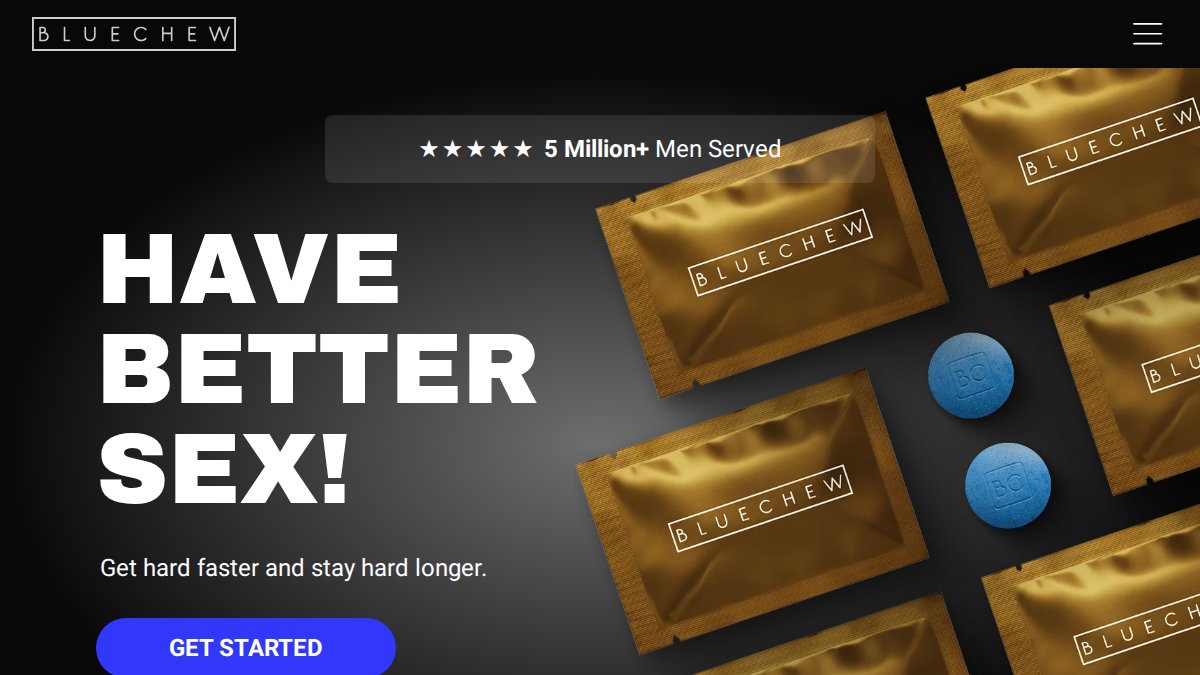
BlueChew offers chewable tablets containing sildenafil, tadalafil, or vardenafil. The chewable format appeals to men who dislike swallowing pills or prefer faster absorption. Subscription plans start at competitive pricing with various dosage and quantity options.
The platform includes free medical consultations with all plans, and discreet home delivery is standard.
What matters: BlueChew’s chewable format offers a practical advantage for some men. What’s limited: BlueChew addresses erectile dysfunction specifically, not the broader low libido picture. If your issue involves low sexual desire rather than erectile performance, you need additional treatment.
The best online care pathway depends on whether you prioritize comprehensive hormone evaluation (Hone Health, Vault Health), speed and simplicity (Rex MD, BlueChew), or specialized care pathways addressing multiple factors (Ascend Vitality).
Medically-Supported Hormone Therapy Online: Treatment Options Explained
Testosterone Replacement Therapy (TRT) Delivery Methods
If lab work confirms low testosterone, testosterone replacement therapy represents the primary treatment. Online platforms offer multiple delivery methods, each with distinct advantages.
Injections (typically testosterone cypionate or enanthate) deliver consistent, predictable hormone levels. You inject weekly or biweekly, and the dose is easily adjusted based on follow-up blood work. The drawback: self-injection concerns some men, though most find it manageable after initial instruction.
Topical creams and gels absorb through skin daily. Application is straightforward, and you can adjust dose by applying more or less cream. The downside: transfer risk to partners or children through skin contact and variable absorption.
Pellets (subcutaneous implants) last 3-6 months, eliminating frequent dosing. One procedure inserts a small pellet under the skin, and testosterone releases gradually. The advantage is consistency and convenience. The drawback: requires a minor procedure, and if side effects develop, you’re stuck with the dose until the pellet dissolves.
Dissolvable troches (tabets dissolving under the tongue) offer convenience without injection anxiety. They’re easy to adjust and discreet.
Online platforms typically recommend starting with the lowest effective dose, then adjusting based on symptom response and follow-up blood work at 6-8 weeks. The goal is restoring testosterone to normal ranges that resolve symptoms, not maximizing levels.
ED Medications and Libido-Boosting Compounds
Erectile dysfunction medications work through different mechanisms than testosterone. Sildenafil and tadalafil (phosphodiesterase-5 inhibitors) enhance blood flow to erectile tissue, helping achieve and maintain erections. These medications work best when sexual desire is present; they don’t create desire, they enable response to existing desire.
Bremelanotide (Vyleesi) operates through a different pathway, stimulating melanocortin receptors in the brain involved in sexual motivation. This medication directly addresses low desire rather than erectile function, making it valuable for men whose primary issue is lack of interest rather than erectile performance.
PT-141 functions similarly to bremelanotide, stimulating sexual desire through central nervous system mechanisms. Some online platforms offer PT-141 as an alternative or complementary treatment to testosterone.
The combination approach, addressing both desire (through testosterone or bremelanotide) and erectile function (through phosphodiesterase inhibitors), often produces better results than single-agent therapy.
Lifestyle Modifications and Counseling to Support Treatment
Sleep, Stress Management, and Cardiovascular Health
Medication alone rarely produces optimal results if lifestyle factors remain unchanged. Sleep represents the single most impactful modifiable factor. Men sleeping 7-9 hours nightly show measurably higher testosterone than those sleeping 5-6 hours. Prioritizing sleep improvement often produces noticeable libido improvement within weeks.
Stress management directly affects cortisol and testosterone. Chronic elevated cortisol suppresses testosterone production and impairs sexual response. Practical stress reduction, exercise, meditation, time in nature, social connection, addresses this at the source. Men who add regular exercise often report libido improvement independent of medication.
Cardiovascular health underpins sexual function. The same arteries that deliver blood to the heart deliver it to erectile tissue. Adding aerobic exercise, 150 minutes weekly of moderate intensity, improves both cardiovascular function and sexual response.

Nutrition matters too. Mediterranean-style eating patterns, emphasizing vegetables, whole grains, fish, and healthy fats, support hormonal health.
When to Involve Your Partner and Consider Counseling
Low libido affects relationships. A partner may interpret low desire as lack of attraction, creating relationship strain that further suppresses sexual interest. Involving your partner in the treatment process often improves outcomes.
Some online platforms now offer partner-inclusive care models where both partners participate in certain consultations or receive education about treatment expectations. This approach reduces misunderstanding and builds realistic expectations.
Psychological counseling addresses relationship dynamics, performance anxiety, and emotional factors contributing to low libido. A therapist can help identify whether relationship conflict, unresolved trauma, or anxiety patterns are suppressing desire. For many men, combining medical treatment with counseling produces better results than either alone.
If you’ve experienced sexual trauma, significant performance anxiety, or relationship conflict, addressing these through counseling alongside medical treatment is important. Testosterone alone won’t resolve libido loss rooted in psychological factors.
How to Choose the Right Online Care Pathway for Your Needs
Cost-Benefit Analysis and Insurance Coverage
Most online platforms don’t accept insurance directly, meaning you’ll pay out-of-pocket for consultations and medications. The total cost depends on initial consultation fees, lab testing, medication costs, and follow-up consultation frequency.
When evaluating cost, consider what you’re paying for beyond the medication itself. Comprehensive lab testing, provider expertise in sexual health, ongoing support, and convenience all add value. A platform charging more but providing thorough evaluation and personalized treatment often produces better outcomes than the cheapest option.
Compare platforms by total monthly cost including consultation, labs, and medications rather than focusing on any single component.
Provider Credentialing and Privacy Protection
Before choosing a platform, verify that providers are licensed physicians in your state. Reputable platforms display provider credentials clearly and allow you to see which specific doctor will review your case.
Privacy protection matters significantly for sensitive health topics. Verify that the platform uses encrypted communication, stores medical records securely, and has clear privacy policies. Check whether the platform sells data to third parties.
Read recent user reviews specifically about provider quality and follow-up support. A platform with responsive providers who adjust treatment based on your feedback produces better results than one where consultations feel rushed.
Conclusion
Low libido often signals an underlying health issue worth investigating systematically. The best online care pathways combine comprehensive evaluation, personalized treatment, and ongoing support rather than simply dispensing medications.
Ascend Vitality connects you with specialized care pathways designed specifically for men’s hormonal health and vitality concerns. By addressing root causes through targeted evaluation, medically-supported treatment options, and lifestyle integration, you gain access to the comprehensive approach that produces sustainable improvements. Get started with Ascend Vitality and take the first step toward understanding and resolving what’s affecting your sexual desire and overall wellness.
=== FAQ ANSWERS (audit these too, same rules) ===
[1] Q: How do I know if I have low libido or erectile dysfunction?
A: Low libido refers to a persistent lack of sexual desire, while erectile dysfunction (ED) is difficulty achieving or maintaining an erection. Both can occur together. Common signs include reduced interest in sex, difficulty with arousal, and decreased sexual satisfaction. An online consultation with a healthcare provider can help distinguish between the two and identify underlying causes, whether hormonal imbalance, medication side effects, stress, or relationship dynamics. A blood panel can check testosterone and other hormone levels to rule out hypogonadism.
[2] Q: What causes of low libido in men can an online doctor actually treat?
A: Online doctors can address many causes of low libido in men, including hormonal imbalance (through testosterone replacement therapy), erectile dysfunction (with medications like sildenafil or tadalafil), and medication side effects (by adjusting prescriptions). They can also screen for cardiovascular issues, metabolic health problems, and sleep disturbances. However, they cannot diagnose conditions requiring in-person examination. A qualified online provider will conduct a diagnostic screening via blood panel and clinical evaluation to identify treatable causes and refer you to a specialist if needed.
[3] Q: Is an online consultation for erectile dysfunction as thorough as seeing a doctor in person?
A: A comprehensive online consultation includes a detailed symptom review, medical history, and often lab testing via at-home blood panels or biomarker testing. Many telehealth platforms ask about cardiovascular health, medications, stress levels, sleep hygiene, and relationship dynamics. However, an in-person exam allows a doctor to check blood pressure, perform a physical examination, and assess other factors. The best online care pathways use both methods: initial telehealth consultations combined with lab work and follow-up visits. If an online provider suspects a condition requiring physical examination, they will refer you to a primary care physician or urologist.
[4] Q: What should I expect during an online consultation for low libido treatment?
A: During your first online consultation, a healthcare provider will ask about your symptoms, how long you’ve experienced low libido, your medical history, current medications, stress levels, sleep quality, and relationship satisfaction. They may order lab work to check testosterone, cortisol, and other hormone levels. Based on your answers and results, they’ll recommend a personalized treatment plan, which might include testosterone replacement therapy, ED medications, lifestyle modifications, or counseling. Follow-up visits track your progress and adjust treatment as needed. Most platforms offer patient-centered care that addresses both physical and psychological factors.
[5] Q: How do medically-supported hormone therapy online work, and is it safe?
A: Medically-supported hormone therapy online starts with a clinical evaluation and blood panel to measure your current hormone levels and rule out contraindications. A licensed provider then prescribes testosterone replacement therapy (TRT) in forms like injections, creams, or dissolvable troches, based on your preference and health profile. Medications are delivered directly to your home. Safety depends on proper dosing, regular monitoring, and follow-up blood work to check your response. Reputable platforms conduct ongoing clinical evaluation and adjust treatment based on results. Always disclose other medications to avoid interactions, and report any side effects to your provider immediately.
Frequently Asked Questions
How do I know if I have low libido or erectile dysfunction?
Low libido refers to a persistent lack of sexual desire, while erectile dysfunction (ED) is difficulty achieving or maintaining an erection. Both can occur together. Common signs include reduced interest in sex, difficulty with arousal, and decreased sexual satisfaction. An online consultation with a healthcare provider can help distinguish between the two and identify underlying causes, whether hormonal imbalance, medication side effects, stress, or relationship dynamics. A blood panel can check testosterone and other hormone levels to rule out hypogonadism.
What causes of low libido in men can an online doctor actually treat?
Online doctors can address many causes of low libido in men, including hormonal imbalance (through testosterone replacement therapy), erectile dysfunction (with medications like sildenafil or tadalafil), and medication side effects (by adjusting prescriptions). They can also screen for cardiovascular issues, metabolic health problems, and sleep disturbances. However, they cannot diagnose conditions requiring in-person examination. A qualified online provider will conduct a diagnostic screening via blood panel and clinical evaluation to identify treatable causes and refer you to a specialist if needed.
Is an online consultation for erectile dysfunction as thorough as seeing a doctor in person?
A comprehensive online consultation includes a detailed symptom review, medical history, and often lab testing via at-home blood panels or biomarker testing. Many telehealth platforms ask about cardiovascular health, medications, stress levels, sleep hygiene, and relationship dynamics. However, an in-person exam allows a doctor to check blood pressure, perform a physical examination, and assess other factors. The best online care pathways use both methods: initial telehealth consultations combined with lab work and follow-up visits. If an online provider suspects a condition requiring physical examination, they will refer you to a primary care physician or urologist.
What should I expect during an online consultation for low libido treatment?
During your first online consultation, a healthcare provider will ask about your symptoms, how long you’ve experienced low libido, your medical history, current medications, stress levels, sleep quality, and relationship satisfaction. They may order lab work to check testosterone, cortisol, and other hormone levels. Based on your answers and results, they’ll recommend a personalized treatment plan, which might include testosterone replacement therapy, ED medications, lifestyle modifications, or counseling. Follow-up visits track your progress and adjust treatment as needed. Most platforms offer patient-centered care that addresses both physical and psychological factors.
How do medically-supported hormone therapy online work, and is it safe?
Medically-supported hormone therapy online starts with a clinical evaluation and blood panel to measure your current hormone levels and rule out contraindications. A licensed provider then prescribes testosterone replacement therapy (TRT) in forms like injections, creams, or dissolvable troches, based on your preference and health profile. Medications are delivered directly to your home. Safety depends on proper dosing, regular monitoring, and follow-up blood work to check your response. Reputable platforms conduct ongoing clinical evaluation and adjust treatment based on results. Always disclose other medications to avoid interactions, and report any side effects to your provider immediately.